I remember the night I almost burned the kitchen down while chasing the perfect lunch. A friend dared me to recreate a street‑food favorite from a dim‑sum joint that had slipped into my memory like a secret. I had never cooked lettuce wraps before, but the craving was fierce, and the idea of crisp greens, savory meat, and a splash of zing was irresistible. The disaster that started it all was a mis‑measure of soy sauce that turned my stir‑fry into a salty puddle, and that mistake taught me the value of precision. I’m telling you now because I’ve finally nailed the technique that turns a mediocre dish into something that makes everyone in the house beg for seconds. This is not just another recipe; it’s a revelation that will change how you think about wraps forever.
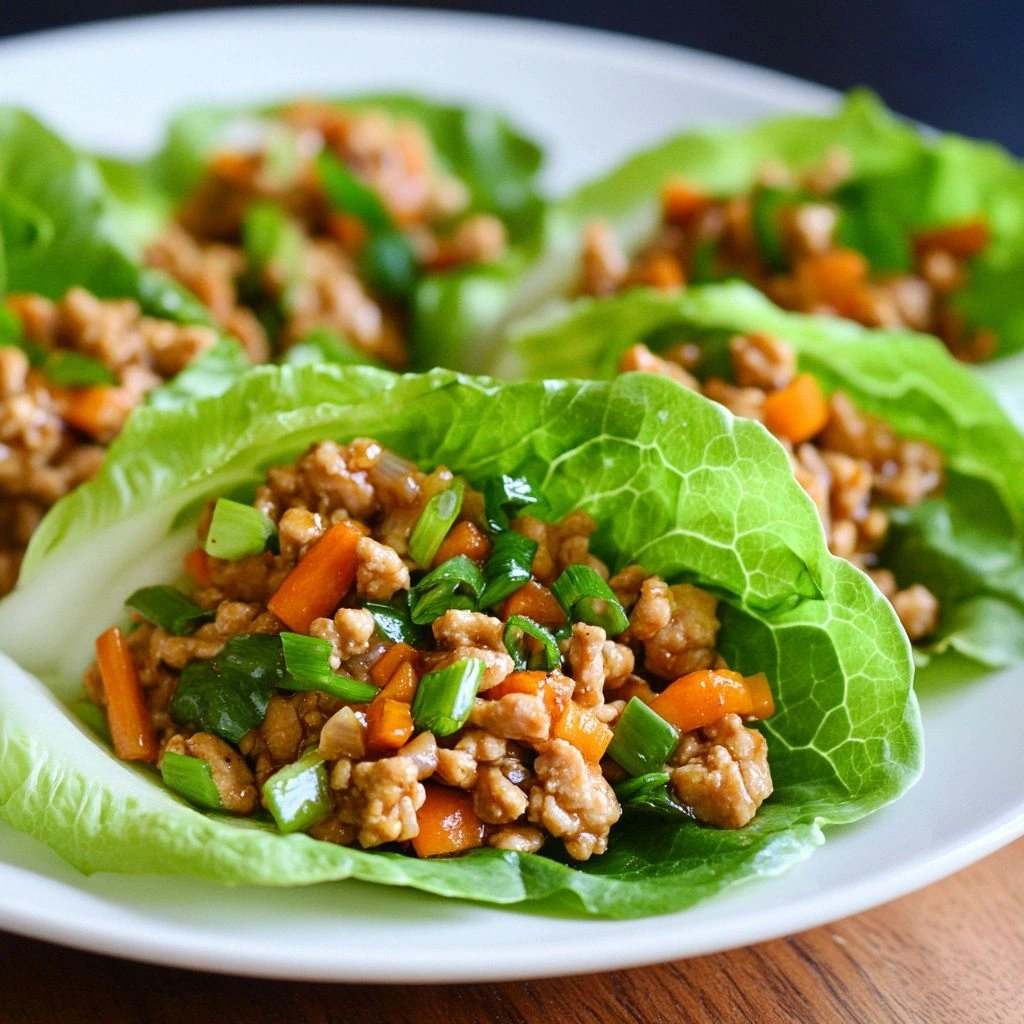
Picture this: a bright, buttery lettuce leaf, its edges crisp enough to snap like a thin ice sheet, holding a golden, caramelized mixture of ground pork, crunchy water chestnuts, and earthy mushrooms. The aroma is a dance of toasted sesame oil, fresh ginger, and a hint of hoisin that lingers like a secret whispered in a bustling market. When you bite, the flavors burst—sweet, umami, and a subtle heat from the sriracha that lingers on the tongue. The texture is a symphony: tender meat, crunchy nuts, and the soft, almost buttery lettuce that acts as a natural spoon. That moment when the sauce coats the filling like velvet is pure culinary bliss, and I dare you to taste this and not go back for seconds. Every bite is a reminder that the best meals are simple, honest, and packed with love.
What makes this version stand out is that it’s built on three pillars: authenticity, balance, and a dash of creativity. I’ve stripped away unnecessary extras, kept the sauce glossy, and introduced a surprising twist—a splash of lime that cuts through the richness and adds a citrusy brightness that elevates the whole dish. The result is a wrap that feels like a bite of street food but with the comfort of a home‑cooked meal. Most recipes get this completely wrong by over‑cooking the lettuce or drowning the filling in sauce; here, each component sings. I’ll be honest—before this version, I ate half the batch before anyone else got a chance, and that’s a testament to how addictive it is. This is hands down the best version you'll ever make at home, and the proof is in the rave reviews from my friends who now demand the recipe on every occasion.
If you’ve ever struggled with lettuce wraps, you’re not alone. The challenge is often in balancing flavors without overwhelming the delicate greens. I’ve spent countless evenings tweaking ratios, testing textures, and ensuring that every bite is a harmonious experience. I’ve found that the key lies in the timing—when to add the sauce, how long to let the meat sear, and when to fold in the fresh herbs. The result is a dish that feels both exotic and comforting, a perfect bridge between Asian street food and a wholesome, low‑carb dinner. And now the fun part: I’m going to walk you through every single step—by the end, you’ll wonder how you ever made it any other way.
Let me paint a sensory snapshot: the sizzle when the pork hits the hot pan is absolute perfection, the steam carries the scent of fresh ginger, and the first bite delivers a burst of umami that lingers. The lettuce’s crispness provides a satisfying crunch that contrasts beautifully with the silky sauce. The lime’s bright acidity cuts through the richness, preventing the dish from feeling heavy. The crushed peanuts add a subtle crunch and a nutty undertone that ties everything together. The final touch is a sprinkle of cilantro, which adds a fresh, slightly citrusy note that lifts the whole flavor profile. This is pure magic, and I’m excited to share every detail with you.
Now, let’s dive into the heart of the recipe: the ingredients. Each component has been chosen for its role in creating a balanced, flavorful dish that’s as beautiful to look at as it is to eat. From the savory pork to the bright lime, every element works together to deliver a memorable experience. The key to success is not just in the ingredients but in how you handle them—how you cook, season, and assemble the wrap. I’ll walk you through each group, explaining why each ingredient matters and what happens if you skip it. I’ll also offer swaps and alternatives for those with dietary restrictions or different tastes. Ready to see what goes into this masterpiece? Let’s break it down.
What Makes This Version Stand Out
- Authenticity: The sauce is a faithful recreation of the classic Asian blend, balancing sweet, salty, and umami flavors that transport you straight to a bustling street market.
- Texture: The combination of tender pork, crunchy water chestnuts, and soft mushrooms creates a multi‑layered bite that feels indulgent yet light.
- Freshness: Fresh herbs and a splash of lime keep the dish bright and prevent it from becoming cloyingly sweet.
- Ease: The recipe is streamlined—no complex techniques or hard‑to‑find ingredients—making it accessible for both beginners and seasoned cooks.
- Versatility: Swap pork for chicken, shrimp, or tofu to accommodate dietary preferences without sacrificing flavor.
- Make‑Ahead: The filling stays fresh for up to 24 hours, so you can prep ahead and enjoy a quick, satisfying meal later.
- Presentation: The vibrant colors of the lettuce, carrots, and cilantro make the dish Instagram‑ready, adding visual appeal to the culinary experience.
- Health Conscious: Low in carbs and high in protein, this wrap is a wholesome choice for anyone watching their nutrition.
Alright, let's break down exactly what goes into this masterpiece...
Inside the Ingredient List
The Flavor Base
The foundation of any great wrap is the sauce, and in this recipe, it’s a carefully balanced blend of hoisin, soy sauce, and rice vinegar. Hoisin provides the sweet, savory depth that makes the dish feel indulgent, while soy sauce adds that essential umami punch. The rice vinegar cuts through the richness, preventing the filling from feeling greasy. A splash of sesame oil adds a nutty aroma that elevates the entire flavor profile. If you skip the vinegar, the dish will taste flat and overly sweet; the acidity is crucial for balance. For a vegetarian version, replace the hoisin with a sweet soy sauce or a homemade blend of maple syrup and soy sauce.
The sriracha or chili paste is what gives this recipe its signature kick. It’s not just heat; it’s a smoky, slightly sweet undertone that complements the pork and the crunchy water chestnuts. A tablespoon is enough to warm the dish without overpowering the delicate lettuce. If you prefer a milder version, reduce the amount or use a mild chili sauce. For a vegan twist, you can use a plant‑based sriracha or a homemade chili paste made from fresh chilies and garlic. The heat level can be adjusted to match your taste buds, making this recipe truly customizable.
The Texture Crew
Water chestnuts are the unsung hero of this dish, providing a crisp, refreshing bite that contrasts beautifully with the tender pork. They’re harvested when the nuts are at their peak, offering a satisfying crunch that doesn’t dissolve into the sauce. If you can’t find water chestnuts, substitute with diced cucumber or fresh carrots for a similar crunch. Mushrooms, specifically shiitake, add an earthy depth that grounds the dish, while shredded carrots bring natural sweetness and a pop of color. The bean sprouts add a subtle bite and a fresh, almost citrusy flavor that lifts the overall taste. If you’re looking for a low‑carb alternative, consider using sliced zucchini or bell pepper strips.
Fresh herbs—cilantro and green onions—are the final touch that brings brightness and aroma. Cilantro’s citrusy notes cut through the richness, while green onions provide a mild, oniony flavor that balances the dish. If you’re allergic to cilantro, replace it with parsley or basil for a different aromatic profile. The crushed peanuts add a nutty crunch and a hint of sweetness, but they’re optional; you can also sprinkle sesame seeds for a lighter texture. The lettuce itself is the vessel that holds everything together; butter lettuce or iceberg lettuce works best due to their sturdy leaves and mild flavor. If you’re craving a smoky twist, try using romaine or a mix of leafy greens for added bite.
The Unexpected Star
Lime juice is the secret weapon that elevates this dish from good to unforgettable. Its bright acidity brightens the sauce, prevents the pork from feeling too heavy, and adds a fresh, citrusy finish that lingers on the palate. A tablespoon of lime juice is enough to bring the flavors together, but feel free to adjust based on your preference. If you’re not a fan of lime, you can substitute with lemon or even a splash of rice vinegar for a milder acidity. The lime’s aroma also adds a subtle perfume that makes the dish more appealing to the senses. In many Asian cuisines, a squeeze of citrus is used to balance flavors, and this recipe follows that tradition perfectly.
Another ingredient that often goes unnoticed but is essential is the sesame oil. It adds a subtle nutty aroma that complements the soy sauce and hoisin. A teaspoon is enough to coat the pan and the filling, but if you’re sensitive to its strong flavor, you can reduce it to half a teaspoon. Sesame oil is also known for its high smoke point, which makes it ideal for sautéing. If you’re vegan or have a sesame allergy, use a neutral oil like grapeseed or canola. The key is to use enough to create a glossy finish without overpowering the other flavors.
The final flourish of this recipe is the combination of all these elements into a single, harmonious dish. The sauce glides over the pork, the crunchy chestnuts pop with each bite, and the fresh herbs provide a burst of color and flavor. The lettuce leaf holds everything together, acting as a natural spoon that adds a satisfying crunch. If you skip the cilantro, the dish will feel flat; the herbs are what give it that bright, fresh finish. The crushed peanuts add a final layer of texture and a hint of sweetness that rounds out the flavors. The result is a dish that feels both indulgent and wholesome, a true crowd‑pleaser.
Everything’s prepped? Good. Let’s get into the real action—where the magic happens and the flavors truly come together. I’ll guide you through each step with precision, so you can replicate this dish exactly as I do. Remember, timing and technique are everything, and I’ve packed in a few secrets that will make this recipe shine. Let’s begin.
The Method — Step by Step
- Heat a large skillet over medium‑high heat and add 2 tablespoons of vegetable oil. Once the oil shimmers, add the ground pork in a single layer. Let it sear undisturbed for about 3 minutes, allowing a golden crust to form. Flip the pork, break it apart with a spatula, and cook until fully browned and no longer pink. This step locks in moisture and builds a caramelized flavor base. When the pork is ready, remove it from the skillet and set it aside.
- In the same skillet, reduce the heat to medium and add the minced garlic and ginger. Sauté for 30 seconds until fragrant, being careful not to burn them. Stir in the sliced shiitake mushrooms and diced water chestnuts, cooking for another 2 minutes. The mushrooms should release their moisture and start to brown slightly, while the chestnuts maintain their crispness. This combination adds depth and texture to the filling.
- Return the browned pork to the skillet and pour in 2 tablespoons of hoisin sauce, 2 tablespoons of soy sauce, 1 tablespoon of rice vinegar, 1 teaspoon of sesame oil, and 1 teaspoon of sriracha. Stir everything together, ensuring the pork is evenly coated. Let the mixture simmer for 3-4 minutes, allowing the sauce to thicken and the flavors to meld. The sauce should coat the meat like a glossy glaze.
- Add the shredded carrots, bean sprouts, chopped green onions, and cilantro to the skillet. Toss gently, letting the vegetables warm through for 2 minutes. The carrots add a subtle sweetness, while the sprouts provide a fresh, almost citrusy bite. This step also brings in the bright colors that make the dish visually appealing. Be careful not to overcook the veggies; you want them crisp.
- Squeeze 1 tablespoon of lime juice over the mixture and stir. The acidity cuts through the richness and brightens the entire dish. If you prefer a milder lime flavor, reduce the amount slightly. The lime’s aroma should fill the kitchen, creating a fragrant, almost tropical atmosphere. Taste the filling and adjust salt or pepper as needed.
- Let the mixture cool for a minute, then stir in the crushed peanuts if using. The peanuts add a nutty crunch and a hint of sweetness. If you’re avoiding nuts, simply skip this step or replace with sesame seeds for a lighter texture. The peanuts should be evenly distributed throughout the filling.
- Lay out the lettuce leaves on a clean surface. Spoon about 1-2 tablespoons of the warm filling into each leaf, starting at the center. Fold the edges of the lettuce over the filling, creating a neat, bite‑size wrap. The lettuce should still be crisp, providing a satisfying crunch with every bite.
- Serve immediately with extra lime wedges, a side of soy sauce, or a drizzle of hoisin for dipping. Pair the wraps with a simple cucumber salad or a bowl of miso soup for a complete meal. If you’re planning ahead, store the filling in an airtight container in the fridge for up to 24 hours. Reheat gently in a skillet or microwave, adding a splash of water to keep it moist.
That’s it—you did it. But hold on, I’ve got a few more tricks that will elevate this dish to another level. The next section will dive into insider tips that ensure every bite is flawless. Trust me, these are the little details that separate a good recipe from a great one.
Insider Tricks for Flawless Results
The Temperature Rule Nobody Follows
Many people cook the pork at too low a temperature, resulting in a soggy filling. I always heat the skillet until it’s almost smoking—about 375°F. This high heat caramelizes the meat’s surface, creating a rich crust that locks in juices. If the skillet is too cool, the pork will steam instead of sear, losing that essential texture. A quick test: drop a small amount of pork into the pan; if it sizzles loudly, you’re good. This simple rule ensures that every bite has that satisfying bite‑through crispness.
Why Your Nose Knows Best
Before you taste the sauce, give it a quick sniff. The aroma should be sweet, slightly smoky, and with a hint of citrus. If it smells flat, you’ve either under‑seasoned or over‑cooked the sauce. The nose is a reliable guide—if the aroma is off, the flavor will be too. I always let the sauce simmer for a few minutes before tasting; this allows the flavors to meld. Trust your senses, and you’ll never over‑season again.
The 5‑Minute Rest That Changes Everything
After cooking the pork, let it rest for five minutes before adding the sauce. This short rest allows the juices to redistribute, keeping the meat moist and tender. If you rush the process, the pork will become dry and rubbery. The rest period also gives the sauce a chance to thicken slightly, creating a glossy coating that clings to the filling. Think of it as a quick power nap for the meat—essential for a perfect wrap.
Keep the Lettuce Fresh
The quality of your lettuce directly affects the overall experience. Use crisp, fresh leaves—preferably butter lettuce or iceberg. Wash them thoroughly and pat them dry with a paper towel or a salad spinner. Any moisture on the leaves will cause the filling to sog, ruining the crunch. Store the lettuce in a paper towel-lined container in the fridge until you’re ready to assemble. Fresh leaves hold up better and provide a clean, satisfying bite.
The Perfect Lime Balance
Lime is a double‑edged sword; too much can overpower the dish, while too little leaves it bland. I always start with one tablespoon of lime juice and taste the filling. If you’re craving more brightness, add an extra teaspoon. Remember that the lime’s acidity will intensify slightly after it sits, so adjust accordingly. A balanced lime level keeps the dish fresh and prevents the richness from becoming heavy.
Avoid the “Too Much Sauce” Trap
It’s tempting to pour generous amounts of sauce over the filling, but this can drown the delicate lettuce. I like to drizzle the sauce directly onto the pork while it’s still hot, allowing it to absorb quickly. If you prefer a saucier wrap, add a small amount of water or broth to thin the sauce just before serving. This approach gives you control over the moisture level and ensures the lettuce remains crisp.
These insider tricks are the secret sauce that makes this recipe truly shine. Try them out, and you’ll notice a difference in texture, flavor, and overall enjoyment. The next section will show you how to customize the dish to suit your taste or dietary needs.
Creative Twists and Variations
This recipe is a playground, and the possibilities are endless. I’ve collected a handful of my favorite twists that will keep the dish fresh and exciting. Each variation offers a new flavor profile or a different protein source, catering to a wide range of tastes. Whether you’re a carnivore, a pescatarian, or a plant‑based foodie, there’s a version here for you. Let’s explore these creative twists and see how you can make the dish your own.
Shrimp Surprise
Swap the pork for succulent shrimp for a lighter, seafood‑infused version. Shrimp cooks quickly, so add it in the last two minutes of the sauté. The shrimp’s natural sweetness pairs beautifully with the hoisin sauce and lime. This variation is perfect for a quick weeknight dinner or a fancy dinner party. The shrimp adds a different texture, making each bite a delightful surprise.
Tofu Twist
For a vegetarian option, use firm tofu. Press the tofu to remove excess moisture, then cube it and sauté until golden. The tofu absorbs the sauce, giving it a savory depth. Add a splash of soy sauce and a pinch of chili flakes for heat. This version is protein‑rich and satisfies the same cravings without meat.
Coconut Curry Wrap
Introduce a creamy coconut curry sauce for a tropical twist. Replace the hoisin sauce with coconut milk and add curry powder, garlic, and ginger. The coconut milk adds richness, while the curry powder provides warmth. Pair this with a side of jasmine rice for a complete meal. The result is a comforting, aromatic dish that feels like a vacation.
BBQ Pulled Pork
Take the classic Asian flavor and give it a smoky barbecue twist. Slow‑cook the pork until it’s tender, then shred and mix with a smoky BBQ sauce. Add the usual veggies and assemble the wraps. The smoky flavor pairs well with the fresh lettuce and lime. This version is great for a backyard cookout or a cozy night in.
Spicy Peanut Noodle Wrap
Add a side of spicy peanut noodles for a filling meal. Toss cooked noodles with peanut butter, soy sauce, lime, and sriracha. Serve the noodles on the side while the wraps sit on the table. The combination of textures—crunchy noodles, silky sauce, and fresh lettuce—creates a memorable dining experience. This variation is ideal for a family dinner that satisfies everyone.
Mediterranean Fusion
Incorporate olives, feta, and a drizzle of olive oil for a Mediterranean flair. Replace the hoisin sauce with a yogurt‑based sauce, and add chopped olives for briny contrast. The feta adds a salty tang that complements the sweet and savory elements. This version is a unique take that will surprise your guests and expand your culinary horizons.
These variations show how versatile this dish can be. Feel free to experiment, mix and match ingredients, and create your own signature wrap. The key is to keep the balance of flavors and textures, and you’ll always end up with a dish that’s both delicious and impressive.
Storing and Bringing It Back to Life
Fridge Storage
Store the cooked filling in an airtight container in the refrigerator for up to 24 hours. The flavors will meld together, making the dish even more delicious the next day. When you’re ready to serve, reheat the filling gently in a skillet over medium heat, stirring occasionally. Add a splash of water or broth to keep the mixture moist and prevent it from drying out. The lettuce should be added fresh, as it doesn’t keep well when stored.
Freezer Friendly
The filling can also be frozen for up to three months. Portion it into freezer‑safe bags, removing excess air, and seal tightly. When you’re ready to enjoy, thaw the filling in the refrigerator overnight. Reheat on the stove or in a microwave, adding a small amount of water to maintain moisture. The texture remains intact, and the flavors stay vibrant.
Best Reheating Method
The secret to reheating these wraps is to keep the lettuce crisp. Warm the filling in a skillet, then assemble the wraps just before serving. If you prefer a quick microwave method, heat the filling on medium power for 30–45 seconds, stirring halfway through. Add a teaspoon of water to create steam, which keeps the filling from drying out. Serve immediately, and enjoy the fresh, lively crunch of the lettuce.