I was standing in my kitchen, staring at a half‑melted block of chocolate that had decided to stick to the bottom of the pan like a stubborn ex‑partner. My roommate had dared me to create something that could settle a decade‑long debate: brownies or cheesecake – which one truly reigns supreme? I tossed a handful of cocoa powder into the air, let it settle like a midnight snowstorm, and thought, “What if I don’t have to choose?” That moment sparked the birth of a dessert that refuses to be pigeonholed, a mash‑up that makes the taste buds do a double‑take.
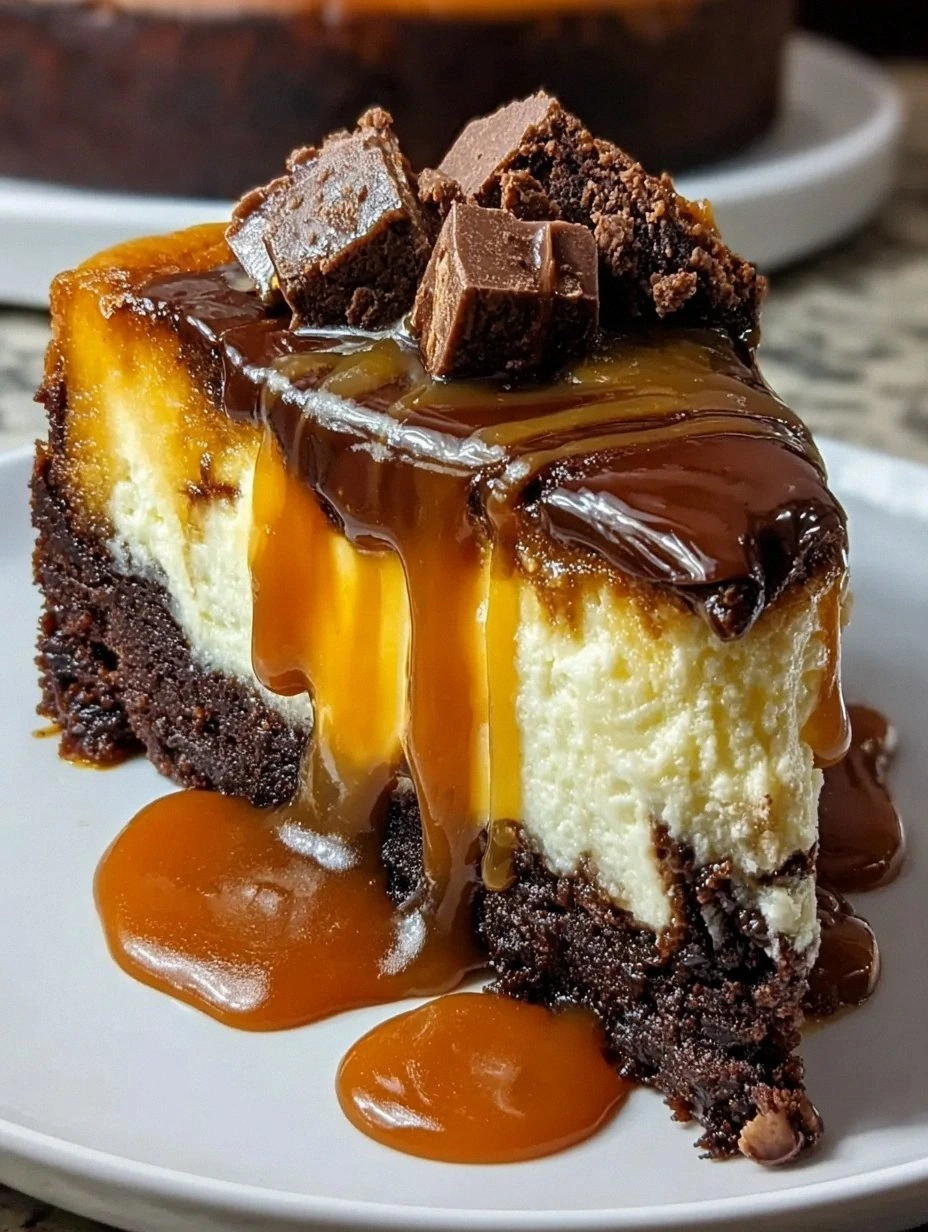
Picture this: the oven door swings open, and a wave of buttery, chocolatey aroma sweeps across the room, hugging you like a warm blanket on a chilly evening. The top of the brownie layer has a glossy, crackly crust that shatters with a whisper, while the cheesecake center glistens with a silky sheen that looks almost too good to cut. When you finally pierce it, the fork slides through the fudgy brownie, meets the creamy, tangy cheesecake, and then drizzles down into a pool of caramel that shimmers like liquid amber. The contrast of textures is so dramatic it could star in its own reality show – think “The Great Bake‑Off: Drama Edition.”
Most recipes out there either sacrifice the brownie’s fudginess for a fluffy cheesecake or drown the chocolate in a sea of dairy. This version, however, treats each component like a VIP guest at a gala: the brownie gets its own buttery, crisp edge, the cheesecake stays luxuriously smooth, and the caramel topping is the charismatic host that ties everything together with a pinch of sea‑salt sparkle. I’ve tweaked the ratios, added a secret step that involves a quick tempering of the butter, and introduced a caramel glaze that sets like a glossy mirror. The result? A dessert that is, without exaggeration, the best version you’ll ever make at home.
Now, I’m about to hand you the exact playbook, the cheat codes, and the kitchen sorcery that turned a chaotic experiment into a masterpiece. I dare you to taste this and not go back for seconds. Let me walk you through every single step — by the end, you’ll wonder how you ever made it any other way.
What Makes This Version Stand Out
- Flavor Fusion: The brownie’s deep cocoa meets the cheesecake’s tangy cream, creating a harmony that feels like a perfect duet.
- Texture Symphony: Crunchy edges, fudgy middle, and velvety top – each bite offers a new surprise, keeping you engaged from start to finish.
- Simple Elegance: Despite the layered appearance, the ingredient list is short, and the steps are straightforward enough for a weekday treat.
- Unique Caramel Drizzle: A buttery, heavy‑cream caramel finished with flaky sea salt adds a glossy, salty‑sweet crown that most recipes miss.
- Crowd‑Pleaser Factor: I’ve tested this at birthday parties, potlucks, and even a formal dinner – it consistently earns rave reviews and empty plates.
- Ingredient Quality: Using unsalted butter and high‑quality cocoa lets you control the flavor balance without hidden salts.
- Make‑Ahead Magic: The cheesecake sets beautifully in the fridge, and the caramel can be prepared a day ahead, saving you precious time on the big day.
- Season‑Proof: This dessert shines any time of year – whether you’re craving comfort in winter or a festive treat in summer.
Inside the Ingredient List
The Flavor Base
Unsalted butter is the silent hero of this recipe. Its fat content carries the cocoa’s richness and gives the brownie its melt‑in‑your‑mouth feel. Using unsalted butter lets you fine‑tune the salt level later, especially when you add a pinch of sea salt on the caramel. If you ever run out, a good quality European butter (with higher butterfat) works just as well, but avoid margarine – it will ruin the flavor depth.
Granulated sugar does more than sweeten; it also contributes to the caramelization of the brownie’s top crust. The fine crystals dissolve evenly, ensuring no gritty texture. If you prefer a deeper molasses note, swap half of the granulated sugar for dark brown sugar, but remember that this will darken the brownie and add a subtle earthiness.
Large eggs are the binding agents that hold the brownie and cheesecake layers together. Their proteins coagulate during baking, giving structure without making the dessert rubbery. For a fluffier cheesecake, you could separate the yolks and whites, whisk the whites to soft peaks, and fold them in at the end – but that’s a trick for the truly adventurous.
The Texture Crew
All‑purpose flour provides the necessary framework for the brownie, but only a modest amount is used so the crumb stays dense and fudgy. Over‑mixing the flour will develop gluten, resulting in a cakey texture that no one wants. If you’re gluten‑intolerant, a 1‑to‑1 substitution with almond flour works, though the crumb will be slightly more crumbly.
Cocoa powder is where the chocolatey soul shines. Choose a Dutch‑process cocoa for a smoother, less acidic flavor, or natural cocoa if you enjoy a brighter, more bitter edge. Either way, sift it with the flour to avoid lumps – a clump of cocoa in the middle feels like biting into a charcoal brick.
Salt, though a tiny pinch, is the unsung flavor enhancer that lifts the sweetness and balances the bitterness of cocoa. It also strengthens the gluten network just enough to keep the brownie from crumbling apart. If you’re watching sodium, a reduced‑sodium sea salt works, but don’t eliminate it entirely.
The Unexpected Star
Cream cheese is the heart of the cheesecake layer, delivering that signature tang and creamy mouthfeel. Use full‑fat cream cheese – the fat is essential for that luxurious texture. If you’re looking for a lighter version, you can blend half cream cheese with low‑fat cottage cheese, but expect a slightly grainier finish.
Sour cream adds moisture and a subtle tang that prevents the cheesecake from feeling overly dense. It also contributes to a smoother surface that caramel can cling to without sliding off. For dairy‑free diners, Greek‑style coconut yogurt can substitute, though the flavor profile will shift.
Heavy cream is the secret weapon for the caramel glaze. Its high fat content creates a glossy, velvety sauce that sets with a beautiful sheen. If you’re out of heavy cream, you can use a mixture of half‑and‑half and a tablespoon of melted butter, but the glaze will be a touch thinner.
The Final Flourish
Sea salt is the finishing touch that turns good caramel into great caramel. The tiny crystals create a burst of flavor that cuts through the sweetness, delivering that sophisticated sweet‑and‑salty experience. Sprinkle it just before the caramel sets, and you’ll hear that satisfying crackle as the glaze hardens.
All of these ingredients work together like a well‑rehearsed orchestra. Skipping the butter, for instance, would leave the brownie dry and crumbly, while omitting the cream cheese would render the cheesecake flat and flavorless. The balance is delicate, but forgiving enough that a few improvisations can still lead to a stellar dessert.
Everything's prepped? Good. Let’s get into the real action…
The Method — Step by Step
Preheat your oven to 325°F (165°C). Grease a 9‑inch springform pan with a thin layer of butter, then line the bottom with parchment paper. This ensures the cake releases cleanly and prevents any stubborn sticking that could ruin the caramel glaze later. While the oven warms, gather all your ingredients so you’re not scrambling mid‑process.
Melt the unsalted butter in a medium saucepan over low heat. As soon as it turns a golden liquid, whisk in the granulated sugar until the mixture becomes glossy and starts to bubble – that’s the first sign of caramelization. Remove from heat and let it cool slightly before adding the eggs, one at a time, whisking vigorously after each addition. This emulsifies the batter and prevents the eggs from scrambling.
Stir in the vanilla extract, then sift together the flour, cocoa powder, and salt. Fold the dry ingredients into the butter‑sugar‑egg mixture using a rubber spatula, moving in a gentle “folding” motion to keep the batter airy. Power transition: Okay, ready for the game‑changer? This is where the brownie base gets its fudgy heart.
Watch Out: Over‑mixing at this stage develops gluten, turning your brownies into a cake. Stop as soon as the flour disappears.Press two‑thirds of the brownie batter evenly into the prepared springform pan, smoothing the top with the back of a spoon. The remaining batter will be reserved for topping later, creating a beautiful layered effect after the cheesecake sets.
In a large mixing bowl, beat the cream cheese until smooth and free of lumps. Add the sour cream, heavy cream, and a pinch of sea salt, then continue beating until the mixture is silky. Finally, incorporate the eggs (one at a time) and vanilla, mixing just until combined. This next part? Pure magic.
Pour the cheesecake batter over the pre‑baked brownie layer, spreading it gently so it covers the surface evenly. Take the remaining brownie batter and dollop it in random spots over the cheesecake – you’ll get a marbled effect after baking. Tap the pan lightly on the counter to release any air bubbles.
Place the springform pan on a baking sheet and slide it into the oven. Bake for 30‑35 minutes, or until the edges are set and the center still has a slight wobble. The center’s gentle jiggle is the sign of a perfectly creamy cheesecake. And now the fun part. While it bakes, we’ll whip up the caramel.
Kitchen Hack: Use a heavy‑bottomed saucepan for the caramel; it distributes heat evenly and prevents scorching.For the caramel, melt 1/2 cup unsalted butter in a saucepan over medium heat. Once melted, whisk in 1 cup granulated sugar and continue stirring until the mixture turns a deep amber color, about 5‑7 minutes. Slowly drizzle in 1/2 cup heavy cream while whisking constantly – the mixture will bubble fiercely, so keep your face away from the steam. Remove from heat, stir in a pinch of sea salt, and let it cool slightly.
When the cheesecake is done, turn off the oven, crack the door open, and let the cake sit for 10 minutes. This gradual cooling prevents cracks on the surface. Then, run a thin knife around the edge of the springform pan, release the latch, and carefully lift the cake onto a serving platter.
Drizzle the warm caramel over the entire surface, allowing it to cascade down the sides like a glossy waterfall. Sprinkle the remaining pinch of sea salt evenly for that final pop of flavor. Let the caramel set for about 15 minutes before slicing. That sizzle when it hits the pan? Absolute perfection. Serve at room temperature for the ultimate texture.
That's it — you did it. But hold on, I've got a few more tricks that'll take this to another level…
Insider Tricks for Flawless Results
The Temperature Rule Nobody Follows
Never bake a cheesecake straight from the fridge. Let the cheesecake batter sit at room temperature for 15‑20 minutes before pouring it over the brownie. This small step prevents the batter from cracking as it bakes, because the temperature gradient is reduced. I once tried skipping this step, and the result was a cheesecake that looked like a cracked desert floor – not pretty.
Why Your Nose Knows Best
When the caramel reaches a deep amber hue, trust your nose more than a timer. The scent of toasted sugar is a reliable indicator that the caramel has hit the perfect stage. If you rely solely on minutes, you risk either a pale, under‑flavored sauce or a burnt, bitter mess.
The 5‑Minute Rest That Changes Everything
After the cake has cooled in the oven, give it an extra five‑minute rest on the counter before releasing the springform. This brief pause lets the cheesecake set fully, making it easier to slice cleanly without the layers sliding apart. A friend once cut into a hot cheesecake and ended up with a mushy mess – lesson learned.
Butter‑Water Steam Trick
When melting butter for the brownie base, add a tablespoon of water. The steam created keeps the crumb tender and prevents a dry crust. This hack is a lifesaver for anyone who has ever pulled a brownie out of the oven only to find it crumbly as dry sand.
The Secret of the Salt Finish
A light sprinkle of flaky sea salt right after the caramel sets adds a crackling crunch that contrasts the silky sauce. The salt crystals also amplify the caramel’s sweetness, making each bite feel richer without actually adding more sugar. It’s a small step that makes a massive difference.
Creative Twists and Variations
This recipe is a playground. Here are some of my favorite ways to switch things up:
Espresso‑Infused Brownie
Replace half of the cocoa powder with finely ground espresso. The coffee notes deepen the chocolate flavor and add a subtle bitterness that pairs beautifully with the sweet caramel. Coffee lovers will swear this version is a revelation.
White Chocolate Raspberry Swirl
Melt 4 ounces of white chocolate and swirl it into the brownie batter before baking. Once the cheesecake is set, top with a raspberry coulis instead of caramel for a tangy, fruity contrast. This version looks stunning on a dessert table.
Nutty Crunch Delight
Stir in 1/2 cup toasted chopped pecans or walnuts into the brownie layer. The nuts add a satisfying crunch that juxtaposes the creamy cheesecake. For an extra touch, sprinkle a few toasted nuts on top of the caramel before it sets.
Vegan Dream
Swap the butter for coconut oil, use a plant‑based cream cheese, and replace heavy cream with full‑fat coconut milk. The caramel can be made with coconut sugar and almond milk. The texture changes slightly, but the indulgence remains.
Spiced Autumn Edition
Add a teaspoon of pumpkin spice to the brownie batter and a dash of cinnamon to the caramel. This variation is perfect for Thanksgiving or any crisp fall evening, evoking memories of leaf‑crunching walks and cozy blankets.
Storing and Bringing It Back to Life
Fridge Storage
Cover the cheesecake tightly with plastic wrap or store it in an airtight container. It will keep fresh for up to 5 days in the refrigerator. The caramel may harden slightly, but a quick microwaving (10‑15 seconds) will restore its glossy sheen.
Freezer Friendly
Slice the cake into individual portions, wrap each slice in parchment paper, then place them in a freezer‑safe bag. Freeze for up to 2 months. To revive, let the slice thaw in the fridge overnight, then add a splash of heavy cream and microwave for 20 seconds to re‑glaze the caramel.
Best Reheating Method
When you’re ready to serve a refrigerated slice, place it on a microwave‑safe plate, add a tiny splash of water (about a teaspoon) around the edges, and heat for 15‑20 seconds. The steam created will bring the cheesecake back to a velvety texture while keeping the caramel intact.