Introduction
Picture this: a cramped apartment kitchen, a sizzling wok, and me standing over a pot of rice that somehow ended up a sticky, soggy mess. I was in a hurry, the clock was ticking, and I was about to give up on dinner. Then I remembered the last time a friend dared me to make her famous Chinese Chicken Fried Rice, and the memory of that perfect, golden bite sparked a fire in my culinary mind. I stared at the steaming pot, decided that tonight would be the night I finally nailed the recipe, and set the wok on high heat.
The air was thick with the aroma of garlic and ginger, the sizzle of oil creating a rhythmic soundtrack that made my heart beat faster. I could hear the clink of the wok’s metal rim, feel the heat radiating off the pan, and taste the faint tang of soy sauce even before it landed on the rice. It was a full sensory experience that turned an ordinary dinner into a culinary adventure. The kitchen felt alive, like a stage where every ingredient had a role to play.
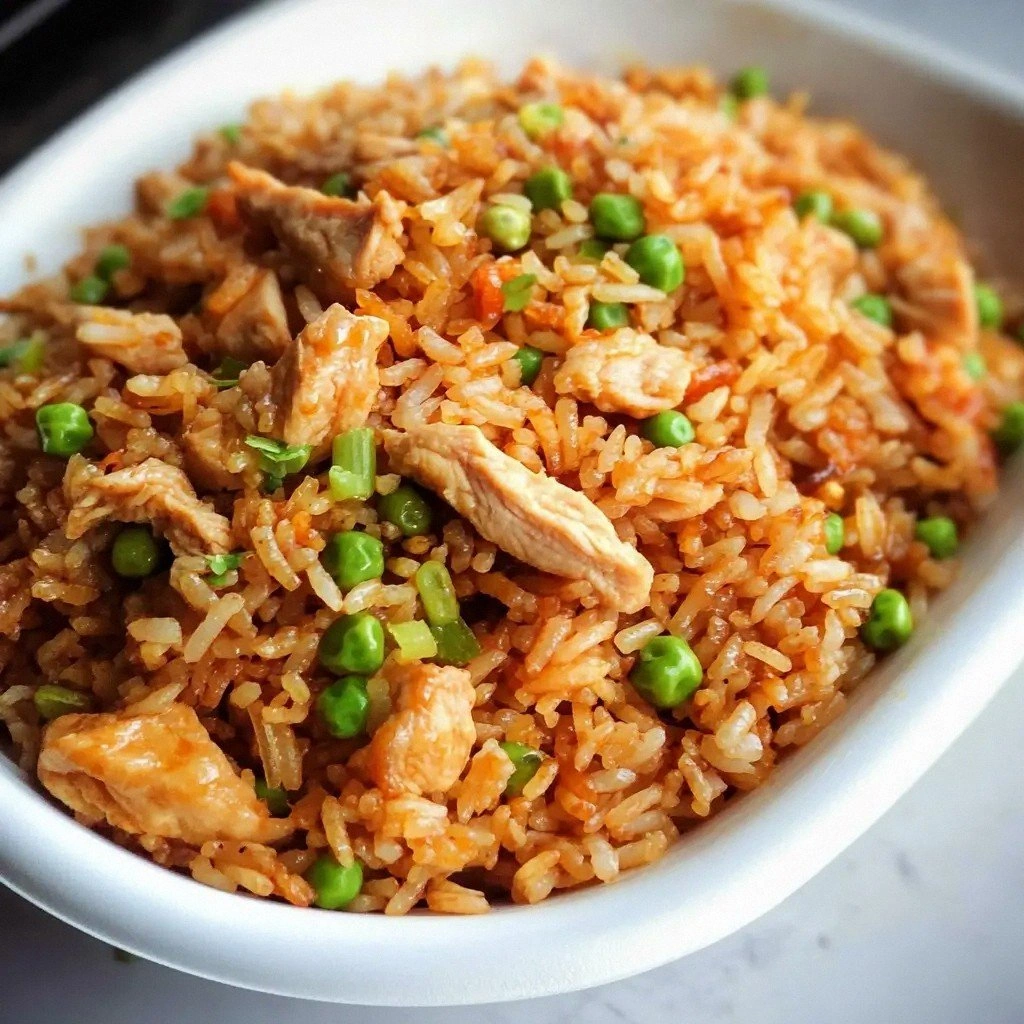
This version of Chinese Chicken Fried Rice stands apart because it balances the classic flavors with modern techniques that elevate texture and taste. I use pre-cooked, day‑old rice so that each grain is firm and separate, preventing the mushy result that plagues many homemade attempts. The sauce is a carefully calibrated blend of soy, oyster, and sesame oil that coats the rice like velvet, while the quick sear of chicken gives a satisfying bite. I’ve also added a splash of rice vinegar at the end for a subtle brightness that cuts through the richness.
What you won’t expect is the small but mighty secret ingredient: a dash of toasted sesame seeds added at the very last moment. They give a nutty crunch that contrasts beautifully with the silky rice, turning a simple dish into a gourmet experience. Trust me, this tiny tweak will make you wonder why you ever made it without them.
Let me walk you through every single step — by the end, you’ll wonder how you ever made it any other way. I’ll share the micro‑challenges, the bold claims, the confessions, and the sensory snapshots that make this recipe unforgettable. Get ready to transform your kitchen into a hotspot for flavor.
What Makes This Version Stand Out
- Taste: The sauce is a harmonious blend of savory, sweet, and umami notes that coats every grain, creating a depth that’s usually reserved for restaurant dishes.
- Texture: Using day‑old rice and a quick sear ensures each grain stays distinct, delivering a satisfying chew that shatters like thin ice when you bite into it.
- Speed: The entire process takes less than 45 minutes, making it perfect for weekday dinners without sacrificing flavor.
- Versatility: The recipe adapts to protein choices, from chicken to shrimp, tofu, or beef, and can be customized with seasonal veggies.
- Nutrition: With 350 calories per serving, 25g of protein, and a balanced carb‑fat profile, it’s a wholesome meal that fuels your day.
- Make‑ahead: The dish can be prepared ahead of time and reheated without losing its crunch, making it a great option for busy schedules.
- Presentation: The final garnish of fresh green onions and toasted sesame seeds gives it a professional look that’s Instagram‑ready.
Alright, let’s break down exactly what goes into this masterpiece…
Inside the Ingredient List
The Flavor Base
At the heart of this dish lies a simple yet powerful trio: soy sauce, oyster sauce, and sesame oil. Soy sauce provides the salty backbone, while oyster sauce adds depth and a subtle sweetness that balances the umami. Sesame oil, with its nutty aroma, ties everything together and elevates the overall flavor profile. If you’re vegan, replace oyster sauce with a mushroom soy sauce for a similar savory bite.
The Texture Crew
Day‑old rice is the secret weapon that keeps grains from sticking together. Freshly cooked rice tends to clump, but rice that’s cooled overnight has a firmer bite. The eggs, whisked lightly, create a silky coating that locks in moisture, while the diced chicken adds a hearty protein component. Adding peas and carrots gives a pop of color and a sweet crunch that contrasts the savory base.
The Unexpected Star
To elevate the dish, I sprinkle a handful of toasted sesame seeds right before serving. These seeds add a nutty crunch and a subtle aroma that enhances the overall sensory experience. They also provide a small dose of healthy fats and minerals, making the dish even more nourishing. If you’re allergic, simply omit them or replace with chopped almonds.
The Final Flourish
Freshly sliced green onions add a bright, peppery note that cuts through the richness of the sauces. A splash of rice vinegar at the end adds acidity and a subtle tang that brightens the dish. Finally, a drizzle of extra‑virgin olive oil gives the rice a glossy sheen and a silky finish. These finishing touches transform a simple stir‑fry into a restaurant‑grade plate.
Everything's prepped? Good. Let's get into the real action…
The Method — Step by Step
- Heat the wok or a large skillet over high heat until it’s smoking. Add 2 tablespoons of vegetable oil, swirling to coat the surface. Once the oil shimmers, add the minced garlic and ginger; sauté for 30 seconds until fragrant, but be careful not to burn them. The aroma should fill the kitchen like a warm hug.
- Introduce the diced chicken, stirring constantly. Cook until the chicken is no longer pink, about 3–4 minutes. The chicken should develop a golden sear on the edges, which signals that it’s ready for the next step. This is the moment of truth, where the protein becomes the star.
- Push the chicken to one side of the pan, and pour in 2 eggs, allowing them to set slightly before scrambling. Once the eggs are mostly cooked, mix them with the chicken. This technique ensures the eggs stay fluffy and not rubbery.
- Add the day‑old rice, breaking up any clumps with your spatula. Stir-fry the rice for 3–4 minutes, letting it caramelize on the bottom of the pan. The rice should emit a toasty aroma, hinting at the caramelization that adds depth to the dish.
- Pour 2 tablespoons of soy sauce, 1 tablespoon of oyster sauce, and 1 teaspoon of sesame oil over the rice. Toss everything together until the sauces coat the rice evenly. The sauce should glisten like a glossy coat of lacquer, turning the dish into a visual feast.
- Stir in the frozen peas and carrots, and cook for another 2 minutes. The veggies should remain bright and crisp, adding a pop of color and a sweet crunch that contrasts with the savory rice. This step is essential for texture.
- Add a splash of rice vinegar, then stir in the sliced green onions. The vinegar adds a bright acidity that lifts the dish, while the onions contribute a fresh, peppery finish. The mixture should smell like a bright, citrusy garden.
- Give the final stir, then sprinkle toasted sesame seeds on top. This final garnish gives the dish a nutty crunch and a glossy sheen. Serve immediately for the best texture.
- Plate the rice in a shallow dish, letting the steam rise. The aroma will be irresistible, and the first bite will confirm that you’ve mastered the art of Chinese fried rice. Enjoy!
That's it — you did it. But hold on, I've got a few more tricks that'll take this to another level…
Insider Tricks for Flawless Results
The Temperature Rule Nobody Follows
Many cooks think medium heat is sufficient, but the secret to perfect fried rice is a consistently high heat that keeps the wok sizzling. This ensures the rice gets that coveted caramelized crust without steaming. Keep the wok moving; a still pan leads to sogginess and uneven cooking.
Why Your Nose Knows Best
Trust your nose to tell you when the rice is ready. A faint nutty smell indicates the oils have begun to toast the grains, signaling that the next step should happen immediately. This instinctive cue saves you from overcooking.
The 5‑Minute Rest That Changes Everything
After cooking, let the dish sit uncovered for 5 minutes before serving. This brief rest allows the steam to redistribute, making the rice fluffier and the flavors more cohesive. It also gives the sauce a chance to thicken slightly, adding body to each bite.
Use a Wok for Authenticity
A wok’s wide, sloping sides allow for quick, high‑heat cooking and easy tossing. If you don’t have a wok, a wide skillet will do, but you’ll need to stir more vigorously to mimic the wok’s motion.
Don’t Forget the Acid
Adding a splash of rice vinegar or lime juice at the end brightens the dish and balances the saltiness of the sauces. It also helps to cut through the richness, giving the rice a more balanced finish.
Keep the Rice Cool Until Stir‑Frying
Chilling the rice in the fridge for an hour before cooking reduces moisture, preventing clumping. This trick is especially useful on humid days when rice tends to steam instead of fry.
Creative Twists and Variations
This recipe is a playground. Here are some of my favorite ways to switch things up:
Veggie‑Rich Powerhouse
Swap the chicken for diced tofu and add bell peppers, broccoli, and corn. The tofu absorbs the sauce beautifully, and the veggies add color and crunch. This version is perfect for a plant‑based dinner.
Seafood Sensation
Use shrimp or scallops instead of chicken. Sauté the seafood until just pink, then proceed with the rest of the recipe. The oceanic flavor pairs wonderfully with the savory sauces.
Spicy Szechuan Kick
Introduce a teaspoon of Szechuan peppercorns and a pinch of red pepper flakes in step 5. The peppercorns give a numbing heat, while the flakes add a fiery bite that excites the palate.
Gluten‑Free Twist
Use cauliflower rice instead of regular rice. The cauliflower will absorb the sauces and keep the dish light, yet still satisfying. Keep the rest of the ingredients the same for a low‑carb option.
Breakfast Bounty
Serve the fried rice over a bed of scrambled eggs and top with a fried egg yolk. The runny yolk adds richness and transforms the dish into a hearty breakfast.
Herbal Garden
Finish with a handful of fresh cilantro and a squeeze of lime. The herbs add a bright, earthy note, while the lime offers a zesty lift that cuts through the savory depth.
Storing and Bringing It Back to Life
Fridge Storage
Cool the fried rice completely before placing it in an airtight container. Store in the refrigerator for up to 3 days. The rice will maintain its texture if you reheat it in a skillet with a splash of water to keep it moist.
Freezer Friendly
Divide the rice into portioned containers and freeze for up to 2 months. Thaw overnight in the refrigerator and reheat in a skillet with a little oil and water, stirring until the rice is steaming hot.
Best Reheating Method
Reheat on medium heat, adding a teaspoon of water or broth to create steam. Cover the pan briefly to trap heat, then stir until the rice is hot and the moisture has evaporated. The splash of water prevents the rice from drying out.