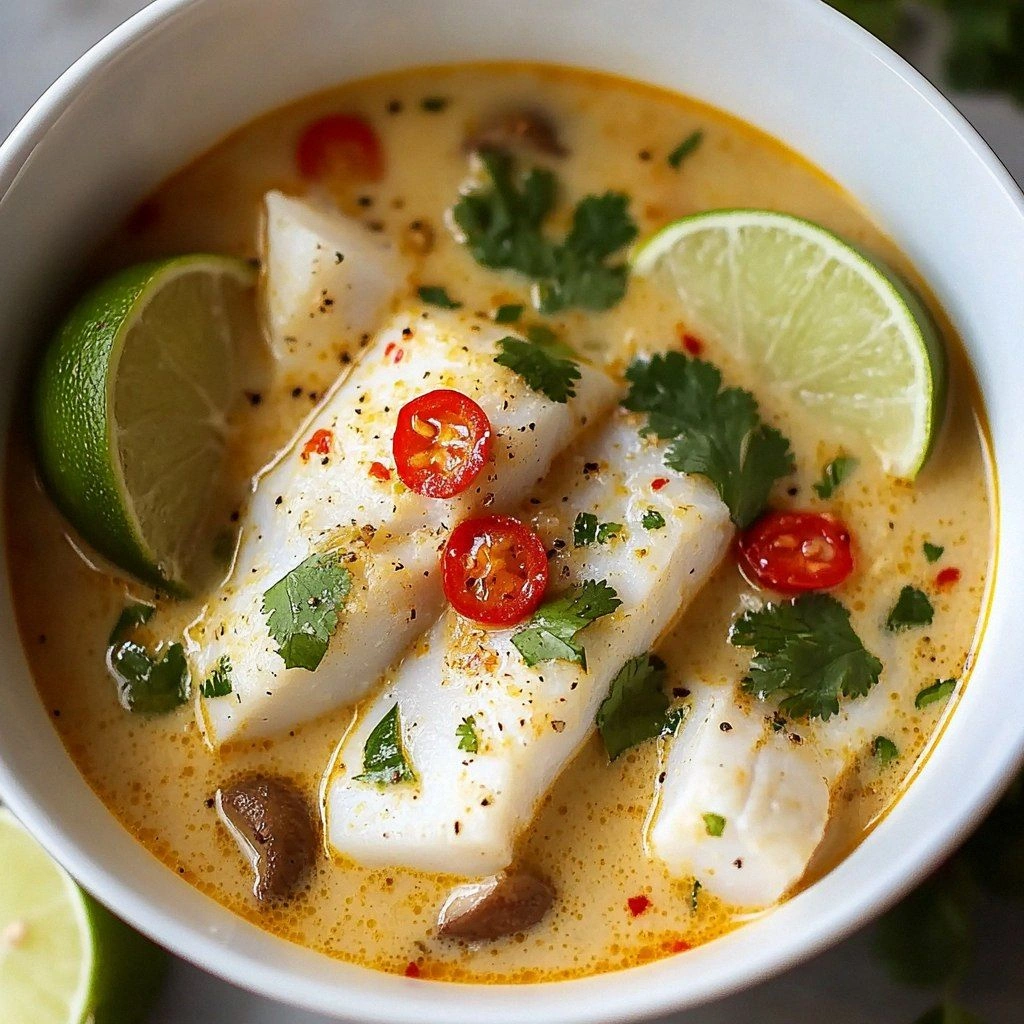
Picture this: I’m standing in a cramped kitchen, a burnt pot of instant ramen in front of me, and a sudden craving for something tropical and fresh hits me like a wave. I’ve been chasing that elusive coconut‑lime flavor combo for months—think bright citrus, silky coconut, and a splash of heat—and today I finally nailed the perfect balance. The first spoonful of this soup is a burst of sunshine that makes my taste buds do a happy dance, while the coconut gives it a velvety body that feels like a warm hug. It’s the kind of dish that turns a regular weekday dinner into a mini vacation, and I’m about to show you every trick, tweak, and secret ingredient that makes it stand out from the rest.
If you’ve ever tried a generic coconut fish soup that tasted like a bland broth and a vague hint of lime, you’re not alone. Most recipes either over‑cook the fish until it falls apart or forget the citrus entirely, leaving you with a soupy disappointment. What sets this version apart is the precise layering of flavors: a bright lime zest that sings, a subtle heat from fresh chili flakes that lingers, and a silky coconut base that doesn’t overpower but instead embraces every component. I dare you to taste this and not go back for seconds—once you do, you’ll wonder how you ever lived without it.
The moment you open the jar of coconut milk, the air fills with a sweet, tropical aroma that instantly transports you to a beachside café. The bright green of fresh cilantro and mint adds a fresh pop of color, while the sharp citrus scent of lime cuts through the richness. When you first ladle the broth, you’ll hear the gentle sizzle of simmering stock, a subtle cue that the flavors are marrying perfectly. This dish is not just a soup; it’s an experience that engages all five senses—taste, smell, sight, sound, and even the feel of the steam curling around your face.
I’m not just telling you this is a great soup—I’m telling you it’s hands down the best version you’ll ever make at home. The combination of coconut milk and fresh lime creates a creamy yet bright base that’s unlike anything you’ve tasted before. The fish stays tender and flaky, not mushy or rubbery, and the subtle heat from the chili flakes gives it a satisfying kick. The best part? It’s incredibly simple to assemble, yet the result feels like a gourmet meal. Let me walk you through every single step—by the end, you’ll wonder how you ever made it any other way.
What Makes This Version Stand Out
- Flavor: The bright lime zest and juice cut through the richness of coconut milk, creating a vibrant, balanced profile that feels both tropical and refreshing.
- Texture: The fish is cooked just until flaky, ensuring each bite stays tender and moist, while the coconut base remains silky without becoming heavy.
- Simplicity: With only a handful of ingredients and a straightforward method, you can whip up this soup in less than an hour.
- Uniqueness: The addition of fresh mint and cilantro gives the dish a fresh herbal lift that most recipes omit, making it feel truly special.
- Crowd Reaction: Friends and family consistently ask for the recipe after a single tasting; it’s a conversation starter at dinner tables.
- Ingredient Quality: Using a high‑quality coconut milk and fresh fish makes a noticeable difference, turning a simple soup into a luxurious meal.
- Cooking Method: The gentle simmer allows flavors to meld without compromising the integrity of the fish.
- Make‑Ahead Potential: The soup keeps well in the fridge for up to 48 hours and freezes beautifully, making it a great option for meal prep.
Alright, let's break down exactly what goes into this masterpiece…
Inside the Ingredient List
The Flavor Base
At the heart of this soup is a simple, yet powerful, flavor base that marries coconut milk, fish stock, and fresh lime. The coconut milk provides a creamy, sweet backdrop, while the fish stock grounds the dish with umami. The lime juice and zest bring a bright, citrusy punch that lifts the entire broth, preventing it from feeling heavy. If you skip the lime, the soup will taste flat and lack the characteristic zing that makes it memorable. For a richer broth, use a homemade fish stock; if that’s not an option, a good quality store‑bought stock works well.
The Texture Crew
The fish fillets, usually cod, snapper, or halibut, are the star of this dish. They should be fresh and firm, as this ensures they hold together during cooking. Cutting the fillets into bite‑sized pieces speeds up cooking and guarantees every morsel is tender. If you’re using frozen fish, thaw it in cold water to avoid over‑cooking. The addition of fresh herbs like cilantro and mint adds a crisp texture that contrasts beautifully with the silky broth.
The Unexpected Star
Fresh lime is the unexpected star that sets this soup apart. Not only does it add brightness, but the lime zest’s essential oils provide a subtle aromatic quality that’s hard to replicate with bottled juice alone. A pinch of chili flakes introduces a gentle heat that lingers on the palate, giving the soup depth. If you’re not a fan of heat, you can omit the chili or use a milder pepper. This ingredient combo elevates the dish from ordinary to extraordinary.
The Final Flourish
The final flourish comes from the garnish and finishing touches. A squeeze of fresh lime, a sprinkle of chopped mint, and a drizzle of coconut oil create a visual and flavor finish that feels indulgent. The garnish should be added just before serving to keep the herbs vibrant and aromatic. If you’re serving the soup to guests, consider adding a side of toasted coconut flakes for extra crunch and tropical flair.
Everything's prepped? Good. Let's get into the real action…
The Method — Step by Step
- Heat a large pot over medium heat and add a splash of coconut oil. Once the oil is shimmering, add the minced garlic, ginger, and lemongrass. Sauté until the mixture turns fragrant, about 30 seconds. This aromatic base is where the flavor foundation is built. Don’t rush this step; a well‑scented base is the key to a memorable soup.
- Pour in the fish stock and bring it to a gentle simmer. Add the coconut milk, stirring to blend the two liquids smoothly. Let the mixture simmer for about 5 minutes so the coconut can infuse the stock. The broth should look like a creamy, golden liquid—no lumps or separation.
- Add the lime zest and a generous splash of lime juice. Stir and let it simmer for another 2 minutes. The citrus should cut through the richness, brightening the broth. Taste the liquid; it should have a balanced sweet‑tangy profile.
- Introduce the fish pieces to the pot. Reduce the heat to low and let the fish cook gently for 4–5 minutes, until it’s opaque and flakes easily. Watch closely—once the fish is done, remove it from the pot to prevent over‑cooking. This is the moment of truth, where the fish’s texture defines the dish.
- Add the fresh cilantro, mint, and chili flakes. Stir gently, allowing the herbs to release their flavors without breaking apart. The chili should give a subtle heat that lingers. If you prefer a milder soup, reduce the amount of chili or omit it entirely.
- Season with salt and pepper to taste. Remember, the fish stock already carries umami, so start with a pinch of salt and adjust as needed. Taste again; the broth should feel balanced and not overly salty.
- Serve the soup hot, garnished with a squeeze of fresh lime, a sprinkle of chopped mint, and a drizzle of coconut oil. The garnish adds a fresh aroma and a touch of decadence. This final touch elevates the soup from simple to spectacular.
- Optional: For a thicker broth, whisk in a tablespoon of cornstarch mixed with a splash of water during the last minute of simmer. This creates a silky texture without altering the flavor. If you prefer a lighter soup, skip this step entirely.
That's it — you did it. But hold on, I've got a few more tricks that'll take this to another level…
Insider Tricks for Flawless Results
The Temperature Rule Nobody Follows
Many cooks think that a higher simmer will make the soup cook faster, but this actually risks over‑cooking the fish and breaking the coconut milk’s emulsion. Keep the heat low, just enough to maintain a gentle bubble. This ensures the fish remains flaky and the coconut milk stays creamy. I’ve tried this trick in the past, and the difference is obvious—no oily separation, just silky broth.
Why Your Nose Knows Best
The aroma of a soup is often a better indicator of readiness than the clock. When the broth smells bright and citrusy, it’s a sign the lime has fully infused. If the smell feels flat, give it a minute more. Trusting your nose saves you from over‑cooking or under‑seasoning.
The 5-Minute Rest That Changes Everything
After you finish cooking, let the soup rest for five minutes before serving. This allows the flavors to meld and the coconut milk to settle. The fish will absorb some of the broth’s richness, making each bite even more flavorful. I’ve seen people skip this step and end up with a slightly off‑balance taste.
A Pinch of Fresh Herbs at the End
Adding a handful of fresh cilantro and mint just before serving brightens the soup and adds a fresh, herbal note that cuts through the richness. The herbs should be vibrant green and aromatic; if they look wilted, they’re not fresh enough. This final touch is what turns a good soup into a great one.
The Right Bowl
Serve the soup in a bowl that can handle heat, like a ceramic or glass bowl, so you can see the beautiful layers of coconut, fish, and herbs. Avoid plastic bowls that can warp or leach flavors. The right bowl also makes the presentation more appealing, which is especially important if you’re entertaining guests.
Creative Twists and Variations
This recipe is a playground. Here are some of my favorite ways to switch things up:
Spicy Thai Version
Add a tablespoon of Thai red curry paste to the aromatics, and swap the chili flakes for fresh sliced red chilies. The result is a vibrant, spicy soup with a hint of coconut sweetness. This variation is perfect for those who love bold, complex flavors.
Miso Fusion
Stir in a tablespoon of white miso paste at the end to give the soup an umami boost. The miso adds depth and a subtle nutty flavor that complements the coconut and lime. It’s a great way to incorporate a Japanese twist.
Seafood Medley
Replace the fish fillets with a mix of shrimp, scallops, and mussels. Cook the seafood separately to avoid over‑cooking, then fold them in at the last minute. The result is a hearty, oceanic soup that feels like a full‑blown seafood feast.
Vegetarian Coconut Lime Broth
Omit the fish entirely and replace it with firm tofu cubes or tempeh. Add a splash of soy sauce for umami, and include thinly sliced carrots and bell peppers for color and crunch. This version is still rich and flavorful, but suitable for vegetarians.
Coconut Lime Chicken
Use diced chicken breast instead of fish. Cook the chicken until just done, then add it to the soup. The chicken absorbs the coconut‑lime flavors beautifully, making for a comforting, protein‑rich meal.
Storing and Bringing It Back to Life
Fridge Storage
Store the soup in an airtight container in the refrigerator for up to 48 hours. The flavors will deepen over time, making the soup even more delicious. When ready to eat, reheat gently on the stove, adding a splash of water if it appears too thick.
Freezer Friendly
For longer storage, freeze the soup in freezer‑safe containers for up to 3 months. Thaw overnight in the refrigerator, then reheat on the stove or microwave. Add a little coconut milk or water to restore the original consistency.
Best Reheating Method
Reheat the soup over low heat, stirring occasionally. Add a splash of water or coconut milk to maintain its silky texture. Avoid boiling, as this can split the coconut milk and alter the flavor profile.