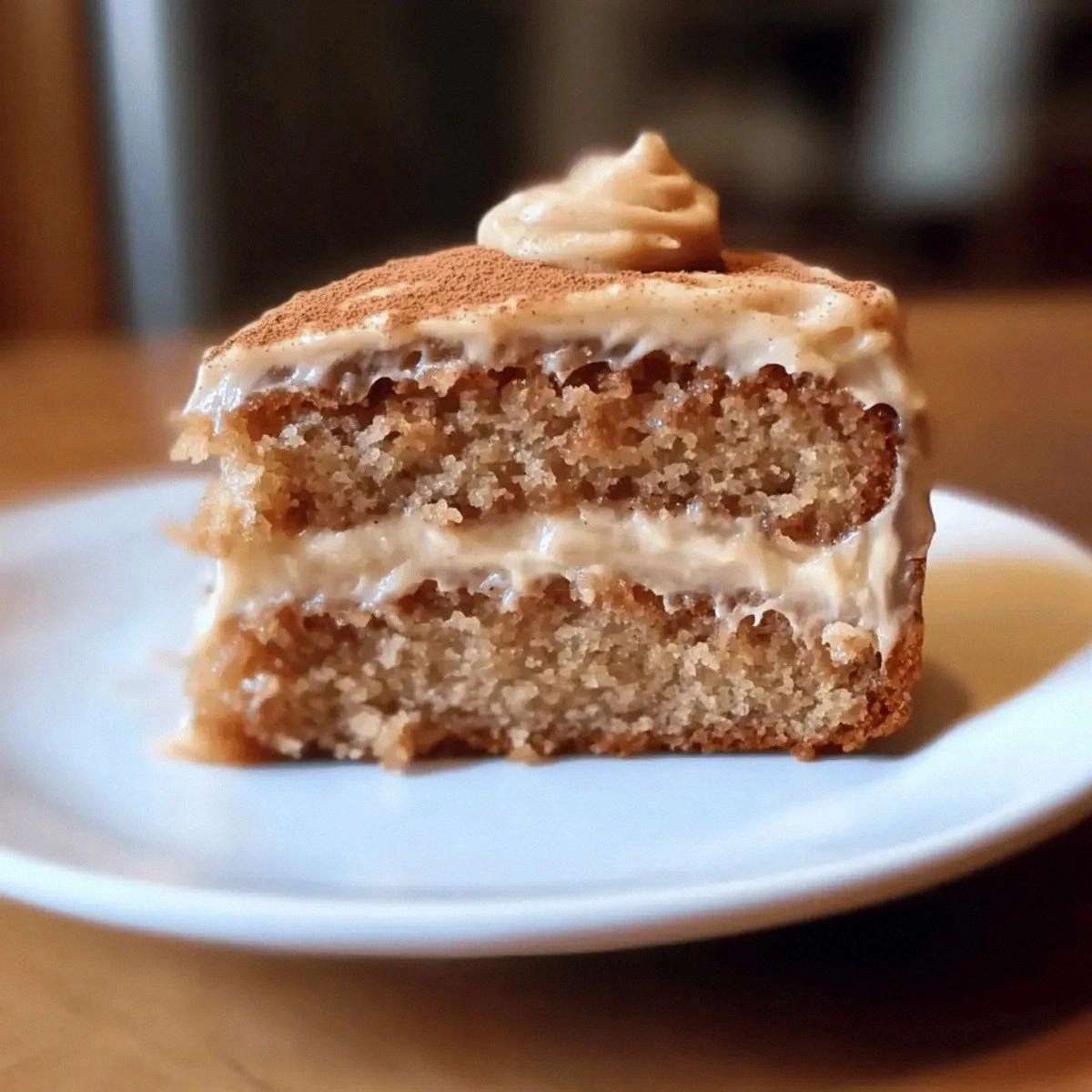
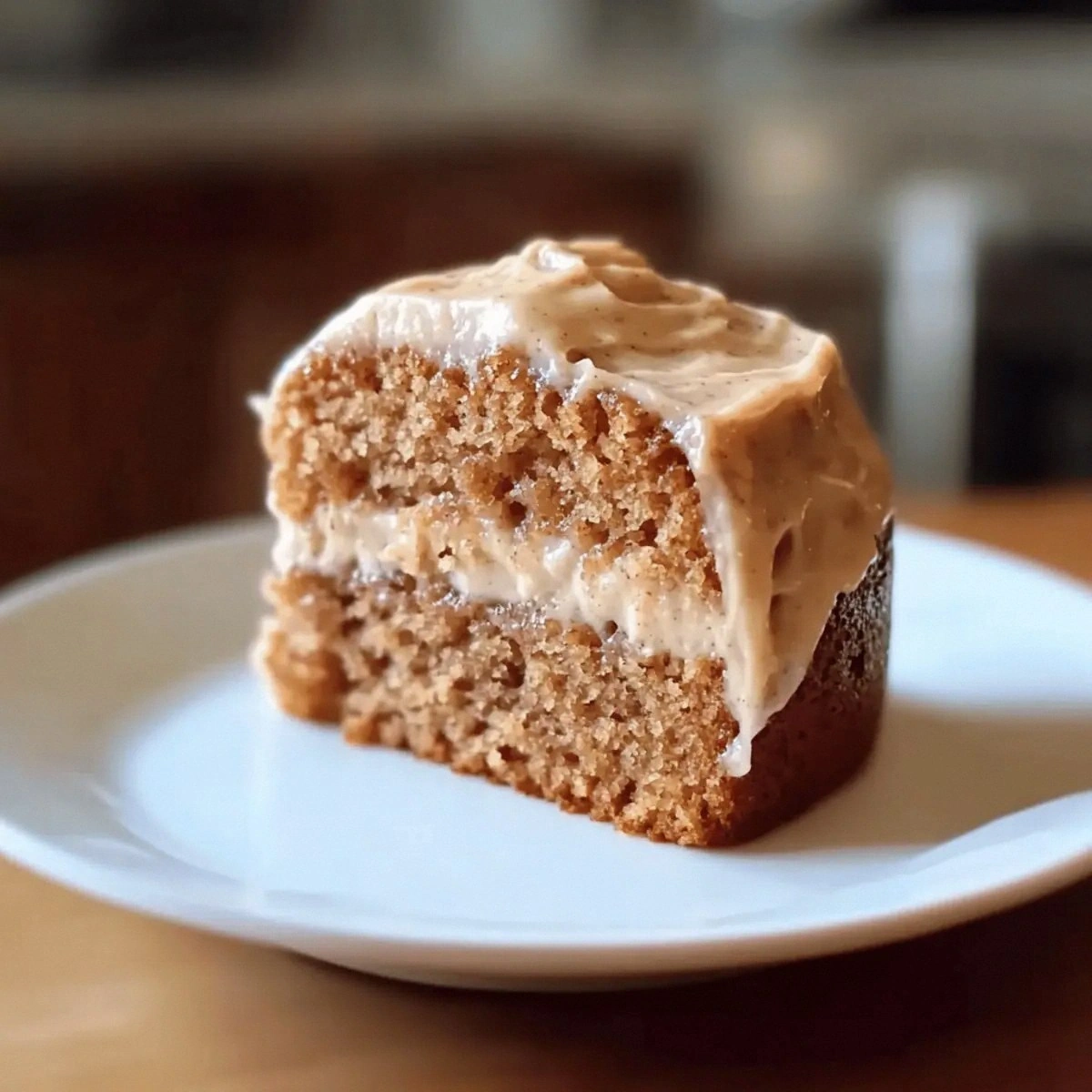
I still remember the first time I made this cake — it was a Tuesday night, I was wearing mismatched socks, and I had exactly one hour before my in-laws arrived for dinner. The original plan was a fancy layered situation with Italian buttercream and candied walnuts, but then my stand mixer staged a dramatic protest and quit halfway through. In desperation, I grabbed the applesauce from the fridge, thinking "well, at least it'll be moist," and dumped in enough cinnamon to make my kitchen smell like a Yankee Candle factory. Twenty minutes later, the scent drifting from my oven was so intoxicating that my neighbor texted me asking what I was baking. That first bite? Game over. The cake was so tender it practically sighed when I cut it, and the cream cheese frosting — spiked with just enough cinnamon to make it interesting — balanced the sweetness like a tightrope walker in perfect equilibrium.
Here's the thing about most applesauce cakes: they're either too dense, too bland, or they taste like you're being punished for wanting dessert. You know what I'm talking about — those sad, squat little squares that show up at potlucks, promising to be "healthy" but delivering all the excitement of wet cardboard. This version is the exact opposite of that disappointment. It's the cake that converts cake-haters, the one that disappears at office parties before noon, the recipe that friends text me about months later: "I made your applesauce cake and my boyfriend proposed." (True story. I mean, correlation isn't causation, but still.)
What makes this cake special isn't just the applesauce — though trust me, we'll get into exactly why that humble jar of pureed apples is about to become your secret weapon. It's the way the cinnamon dances with the cream cheese in the frosting, creating this warming, sophisticated flavor that makes people close their eyes when they taste it. It's the texture contrast between the pillowy crumb and that tangy-sweet crown of frosting. It's the fact that this cake actually tastes better the second day, which means you can make it ahead and still look like a baking wizard.
But here's my favorite part: this recipe is forgiving in a way that most baking projects aren't. Overmix slightly? Still delicious. Forgot to take the cream cheese out to soften? Microwave it for fifteen seconds and call it a day. Only have Greek yogurt instead of sour cream? Throw it in — I won't tell. This cake has saved me from more dessert emergencies than I can count, and now I'm passing that insurance policy on to you. Ready to make the most comforting, crowd-pleasing cake of your life? Let's do this.
What Makes This Version Stand Out
Unbelievably Moist: Thanks to the applesauce doing heavy lifting in the moisture department, this cake stays tender for days. I'm talking fork-tender, melt-in-your-mouth tender, the kind of tender that makes you wonder if you accidentally added pudding mix. The applesauce creates this magical environment where the crumb stays soft but never gummy, like a cake that's been to therapy and worked through all its texture issues.
Cinnamon Sophistication: Most recipes treat cinnamon like an afterthought — a teaspoon here, a dash there. We're using enough to make this cake taste like autumn in a pan, but we're also adding it to the frosting where it really shines. The warmth of the spice plays against the tang of the cream cheese like they're dance partners who've been practicing for years.
One-Bowl Wonder: Forget about dirtying every dish in your kitchen. This cake comes together in one bowl faster than you can preheat your oven. I've timed it — from "I want cake" to "cake in oven" takes twelve minutes if you move with purpose and don't get distracted by your phone. That's faster than ordering takeout, and definitely more satisfying.
Make-Ahead Magic: Here's where this cake really earns its keep. Bake it tonight, frost it tomorrow, serve it the day after, and it'll still taste like you just pulled it from the oven. The flavors actually deepen and marry over time, making this the perfect dessert for dinner parties, holidays, or those weeks when you want to feel like you've got your life together.
Pantry Staple Powered: No fancy ingredients here — everything you need is probably sitting in your kitchen right now. No buttermilk? Use regular milk with a splash of vinegar. No cake flour? All-purpose works beautifully. This recipe was designed by a real person with a real pantry, not some food stylist with a prop kitchen.
The Frosting Factor: That cinnamon cream cheese frosting isn't just a topping — it's half the experience. It's what makes people lick their plates when they think nobody's watching. The tang of the cream cheese keeps it from being cloying, while the cinnamon adds this sophisticated warmth that makes regular cream cheese frosting taste one-dimensional in comparison.
Inside the Ingredient List
The Flavor Base
The all-purpose flour here is your canvas — nothing fancy, just the reliable workhorse that creates structure without competing with the other flavors. I've tried this with cake flour and honestly, it becomes too delicate, almost crumbly. The all-purpose gives you that perfect balance where the cake holds together when you cut it but still feels tender on your tongue. Make sure you're measuring correctly here — fluff the flour first, then spoon it into your measuring cup and level it off. Scooping directly from the bag compresses the flour and can add up to a quarter cup extra, which turns your tender cake into a doorstop.
Granulated sugar does more than sweeten — it's creating the tender crumb we're after by interfering with gluten development. When creamed with the oil (yes, oil, not butter, and I'll explain why in a minute), it creates tiny air pockets that expand in the oven, giving us lift without making the cake tough. I've reduced the sugar to three-quarters cup before and while it still works, you lose some of that gorgeous golden color and the caramel notes that develop during baking.
The Texture Crew
Here's where I lose some people, but stay with me — we're using vegetable oil instead of butter. I know, I know, butter tastes better, but oil creates a more tender crumb that stays moist for days. Butter is about 20% water, which can create gluten and toughen your cake. Oil is 100% fat, which coats the flour particles and keeps them from developing too much structure. The result? A cake that's so tender it practically melts on your fork. If you absolutely must use butter, melt it and use three-quarters of a cup instead of the full cup of oil.
The eggs are doing triple duty — providing structure from the proteins, richness from the yolks, and helping emulsify the batter so everything bakes evenly. Use large eggs straight from the fridge; cold eggs incorporate better into this batter and help keep the crumb fine. If you've ever had a cake with weird rubbery bits around fruit or chocolate chips, that's usually from warm eggs causing the batter to separate slightly before baking.
The Unexpected Star
Unsweetened applesauce is the real MVP here — it's adding moisture, subtle fruit flavor, and natural sweetness without making the cake taste like applesauce. I repeat: this cake does not taste like applesauce. It tastes like a spice cake that's been to finishing school. The pectin in the applesauce also helps create this gorgeous, tender crumb that stays soft for days. Don't use sweetened applesauce unless you enjoy cakes that make your teeth ache. If all you have is sweetened, reduce the sugar to three-quarters cup and know that you're living dangerously.
The leavening combo — baking powder and baking soda — is perfectly calibrated for the acidity in the applesauce. Baking soda neutralizes the acid and helps with browning, while baking powder provides lift. Don't be tempted to substitute one for the other; they work as a team here like a well-rehearsed dance routine. If your cake has ever tasted metallic, it's usually from too much baking soda reacting with acidic ingredients.
The Final Flourish
Cinnamon is the dominant spice, and we're using enough to make a statement — two teaspoons might seem like a lot, but remember we're making a cake that needs to stand up to frosting. Not all cinnamon is created equal, by the way. Saigon cinnamon has a more complex, almost spicy-sweet flavor compared to the generic grocery store stuff. If you've never upgraded your spices, this is the recipe to start with. The difference is like switching from instant coffee to freshly ground beans.
Salt is non-negotiable — it sharpens all the other flavors and keeps the cake from tasting flat. I use fine sea salt because it disperses evenly throughout the batter, but table salt works if that's what you've got. Just don't use kosher salt unless you want little salty surprises in your cake. And please, for the love of all things baked, don't skip it because you're "trying to eat healthier." One half-teaspoon divided among eight servings is not what's keeping you from your fitness goals.
The Method — Step by Step
- Preheat your oven to 350°F (175°C) and position the rack in the center. This is crucial — too high and the top burns before the middle is done, too low and you get a dense bottom layer. While it's heating, grease a 9x13-inch baking pan with butter or non-stick spray, then dust it lightly with flour, tapping out the excess. This extra step prevents any chance of sticking, which is especially important with a tender cake like this. I learned this the hard way after serving a cake that required guests to scrape their pieces off the pan with a spatula — not my finest hosting moment.
- In a large bowl, whisk together the flour, sugar, baking powder, baking soda, cinnamon, and salt until they're evenly distributed. This isn't just mixing — you're aerating the flour and ensuring the leavening agents are perfectly dispersed. Take your time here, about thirty seconds of whisking. The mixture should look uniform in color with no streaks of baking powder or soda. If you see any lumps, break them up with your whisk or pass everything through a fine-mesh sieve. Your future self will thank you when you don't bite into a pocket of bitter baking soda.
- In a separate medium bowl, whisk together the applesauce, vegetable oil, and eggs until they're completely combined. The mixture should look smooth and slightly glossy, with no streaks of egg white or oil separating. If your eggs are cold, whisk them with the applesauce first — the room temperature applesauce will help warm them up slightly for better incorporation. This step is key for avoiding overmixing later, which is the enemy of tender cakes. Once combined, let this mixture sit for about two minutes while you prepare the next step — this brief rest helps everything come to the same temperature.
- Pour the wet ingredients into the dry ingredients and fold them together with a rubber spatula. Start from the bottom of the bowl and lift the batter up and over itself, rotating the bowl as you go. The batter will start out looking like a shaggy mess, but resist the urge to overmix — stop as soon as you see no more dry streaks of flour. A few small lumps are perfectly fine and will disappear during baking. Overmixing develops gluten and creates tunnels in your cake, turning what should be tender into something that could double as building material. Trust the process and step away from the bowl.
- Pour the batter into your prepared pan and smooth the top with your spatula. The batter should spread easily and level itself out — if it seems too thick to spread, you've probably overmixed. Give the pan a gentle shake from side to side to help level it, then tap it on the counter once or twice to release any large air bubbles. If you see any stubborn lumps that didn't mix in, you can gently break them up with a toothpick, but don't go crazy — we're not making a showpiece here, we're making comfort food.
- Bake for 25-30 minutes, but start checking at 20 minutes. The cake is done when it's golden brown on top, springs back lightly when touched, and a toothpick inserted in the center comes out with just a few moist crumbs. If the toothpick comes out completely clean, you've overbaked it — better to pull it a minute early than a minute late with this cake. The edges should be just starting to pull away from the sides of the pan, and your kitchen should smell like a cinnamon dream. Don't open the oven door too early or the center will collapse — patience is your friend here.
- While the cake bakes, make the frosting. Beat the cream cheese in a medium bowl until it's completely smooth and fluffy — this takes about two minutes with an electric mixer on medium speed. Add the softened butter (yes, I know we used oil in the cake but butter in the frosting gives better flavor) and beat until combined, about one minute. The mixture should be light and creamy with no lumps. If your cream cheese is too cold, you'll get little white flecks that won't incorporate — microwave the bowl for 10 seconds and try again. Add the powdered sugar one cup at a time, beating on low to prevent a sugar cloud from taking over your kitchen.
- Once all the powdered sugar is incorporated, add the cinnamon and vanilla extract. Beat on medium-high for about thirty seconds until everything is combined. The frosting should be thick but spreadable — if it's too thick, add milk one teaspoon at a time. If it's too thin, add more powdered sugar one quarter cup at a time. Taste it and adjust the cinnamon if you want more warmth — some people like it subtle, others want to feel like they're wrapped in a cinnamon blanket. The frosting should be made just before you're ready to use it, but it can sit at room temperature for up to two hours while the cake cools.
- Let the cake cool in the pan on a wire rack for at least 45 minutes before frosting. If you frost it while warm, the frosting will melt and slide off, creating a sad, sticky mess that nobody wants to eat. The cake should be completely cool to the touch — if you're in a hurry, you can place the whole pan in the fridge for 20 minutes to speed up the process. Once cool, spread the frosting evenly over the top, creating swoops and swirls with your spatula. Don't aim for perfection here — the rustic look is part of the charm. For extra flair, dust the top with a little extra cinnamon or some chopped toasted pecans.
Insider Tricks for Flawless Results
The Temperature Rule Nobody Follows
Here's something that'll change your baking game: ingredients don't have to be room temperature for this cake, except for the cream cheese for frosting. I know, I know — every baking recipe under the sun demands room temperature everything, but applesauce cake is the rebel of the baking world. Cold eggs actually help keep the crumb tender by preventing the oil from getting too loose. The applesauce should be whatever temperature it is when you open the jar. The only exception is if your kitchen is freezing — then let the oil sit on the counter for ten minutes so it's not semi-solid. This flexibility makes this cake perfect for spontaneous baking sessions when you haven't planned ahead.
Why Your Nose Knows Best
Don't underestimate the power of your sense of smell when baking this cake. When it's about two minutes from being done, your kitchen will suddenly fill with the most intense cinnamon aroma — that's your cue to start checking for doneness. If you can smell cinnamon from the next room, you're probably at the perfect moment to pull it out. This trick has saved me from overbaking more times than I can count. The science is simple: as the cake nears completion, the cinnamon oils heat up and release their volatile compounds, creating that incredible scent. Trust your nose — it's been honed by thousands of years of evolution to detect exactly when baked goods are at their peak.
The 5-Minute Rest That Changes Everything
After you mix the wet and dry ingredients, let the batter rest for exactly five minutes before pouring it into the pan. This brief pause allows the flour to fully hydrate and the leavening agents to start activating. The result is a more evenly textured cake with fewer air pockets and a more uniform crumb. During this rest, you'll notice the batter thicken slightly — that's the flour absorbing the liquids and creating a better structure. Use this time to grease your pan and maybe wash the one bowl you used. It's a small step that takes no extra dishes but transforms your final result from good to bakery-level perfect.
Creative Twists and Variations
This recipe is a playground. Here are some of my favorite ways to switch things up:
The Apple Pie Impersonator
Add one peeled, diced apple to the batter along with a teaspoon of apple pie spice instead of just cinnamon. The chunks of apple create these little pockets of fruit that make every bite interesting, while the spice blend adds complexity. Use a tart apple like Granny Smith for contrast against the sweet cake. This version is especially good in the fall when apples are at their peak, but honestly, I've made it in July and nobody complained. The key is to dice the apple small — about quarter-inch pieces — so they cook through without making the cake soggy around them.
The Maple Walnut Situation
Replace half the sugar with maple syrup and fold in half a cup of toasted, chopped walnuts. The maple adds this incredible depth that makes people ask "what's in this?" in the best way. Toast the walnuts first — spread them on a baking sheet and bake at 350°F for 8 minutes, then chop while warm. Add them to the batter right before pouring into the pan so they don't all sink to the bottom. This version is particularly good for brunch, especially if you serve it slightly warm with a pat of butter melting into each slice.
The Chocolate Cinnamon Swirl
Melt a quarter cup of chocolate chips and swirl them through the batter with a knife before baking. Use dark chocolate (60-70%) for the best contrast with the cinnamon. Don't overmix — you want distinct ribbons of chocolate, not a muddy brown cake. The chocolate adds richness and makes this feel more like a dessert cake than a snacking cake. This is the version I make when I want to impress people who think applesauce cake sounds boring — the chocolate makes them believers.
The Tropical Escape
Add half a cup of crushed pineapple (well-drained) and replace the cinnamon with a teaspoon of cardamom. The pineapple adds moisture and a tropical note that transforms the whole cake. Cardamom is more expensive than cinnamon, but a little goes a long way and the flavor is incredible — floral and citrusy and completely unexpected. This version is especially good in the winter when you need a reminder that somewhere, it's summer. The frosting benefits from replacing the cinnamon with a quarter teaspoon of cardamom too, for a fully coordinated flavor experience.
The Breakfast of Champions
Add half a cup of old-fashioned oats and replace the oil with melted coconut oil. The oats give it a hearty texture that makes it feel breakfast-appropriate, while the coconut oil adds subtle richness. You can also reduce the sugar to three-quarters cup and it still works beautifully — this version is less sweet, more like a coffee cake than a dessert cake. I make this when I want something that feels indulgent but won't give me a sugar crash before lunch. It's especially good with a strong cup of coffee on a lazy Sunday morning.
The Boozy Brunch Version
Add two tablespoons of bourbon or dark rum to the batter and reduce the applesauce by two tablespoons. The alcohol bakes off, leaving behind incredible complexity and depth. This version is perfect for adult gatherings — the subtle booze note makes it feel sophisticated without being overwhelming. The frosting also benefits from a teaspoon of bourbon in place of the vanilla. Just don't serve this version at a kids' party, no matter how much they beg — the flavor is definitely adult-oriented.
Storing and Bringing It Back to Life
Fridge Storage
This cake keeps beautifully in the refrigerator for up to five days — if it lasts that long. Cover it tightly with plastic wrap or store in an airtight container to prevent it from absorbing other flavors. The cold actually helps the frosting set up nicely, but let it sit at room temperature for 15 minutes before serving for the best texture. The cake will be slightly denser when cold, but it warms up quickly. I actually prefer it slightly chilled in the summer — it's refreshing and the flavors seem more pronounced when cold.
Freezer Friendly
You can freeze this cake either frosted or unfrosted for up to three months. If freezing frosted, let the frosting set in the fridge for an hour first, then wrap the whole pan tightly in plastic wrap followed by aluminum foil. For individual servings, cut the cake into squares and freeze them on a baking sheet until solid, then transfer to a freezer bag. Thaw overnight in the refrigerator or for two hours at room temperature. The texture is remarkably good after freezing — almost indistinguishable from fresh, which makes this perfect for make-ahead entertaining.
Best Reheating Method
If you've refrigerated the cake and want to serve it warm, here's the trick: microwave individual pieces for 10-12 seconds on 50% power. Any longer and you'll melt the frosting into a puddle. Alternatively, wrap pieces in foil and warm in a 300°F oven for 8-10 minutes. The cake is also excellent at room temperature — in fact, that's how I prefer to serve it. If it's been frozen, let it thaw completely before attempting to warm it, or you'll end up with a cold center and hot edges. For a special touch, warm a slice slightly and serve with a scoop of vanilla ice cream — the contrast between warm cake and cold ice cream is absolutely magical.