Okay, picture this: it’s a Saturday night, the oven is humming like a lazy cat, and you’ve just pulled a glorious prime rib out of the heat. The meat is so tender it practically slides off the bone with a whisper, and the kitchen smells like a celebration of caramelized beef and rosemary. I was in the middle of that moment when my roommate, a self‑declared sauce snob, asked for “something” to go with the rib. I stared at the empty space on the plate and thought, “If I don’t invent a sauce right now, this masterpiece is going to die a bland death.” That panic sparked a mad dash to the pantry, a few frantic taste tests, and a revelation that turned a simple horseradish blend into a velvety, zing‑packed wonder that could make a grown‑up weep with joy.
The first bite of this sauce hits you like a cool breeze on a scorching summer day – bright, sharp, and instantly refreshing, yet it clings to the meat like a silk scarf draped over a statue. The texture is so smooth it could double as a dip for pretzels, but the flavor profile is bold enough to stand up to the richness of prime rib without getting lost. I’ll be honest — I ate half the batch before anyone else got a chance to try it, and that’s a confession I’m willing to make because the taste is that addictive. Most horseradish sauces either drown the palate in raw heat or feel watery and flimsy; this one hits the sweet spot where creaminess tames the fire, and the lemon brightens everything like a pop of sunshine.
What makes this version truly different is a secret technique I stumbled upon while watching a French chef whisk a vinaigrette: I gently fold the sour cream and mayonnaise together before introducing the horseradish, which keeps the sauce from separating and creates a luxurious mouthfeel. I also add a splash of lemon juice at the very end, not only to balance the heat but to awaken the aromatics in the beef, turning each bite into a layered symphony of flavors. I dare you to taste this and not go back for seconds – the sauce is so addictive that even the most sauce‑averse guests will beg for a second helping. And now, ready for the game‑changer? Let me walk you through every single step — by the end, you’ll wonder how you ever made it any other way.
What Makes This Version Stand Out
- Flavor Balance: The sharp bite of horseradish is instantly mellowed by the creamy base, while the lemon adds a bright, citrusy lift that prevents the sauce from feeling heavy.
- Texture Perfection: By folding the dairy components first, the sauce achieves a silk‑smooth consistency that coats the rib like velvet, never watery, never grainy.
- Simplicity: Only five ingredients are required, and each one is pantry‑friendly, meaning you won’t need a specialty store trip to pull this off.
- Uniqueness: Most horseradish sauces rely on plain sour cream; the addition of mayo adds richness without adding extra tang, a trick most home cooks overlook.
- Crowd Reaction: Guests often claim this sauce is “the best thing I’ve ever had with prime rib,” and you’ll hear the same line at every dinner party thereafter.
- Ingredient Quality: Using a high‑quality prepared horseradish (look for one with real root, not just powdered) makes all the difference in flavor depth.
- Make‑Ahead Potential: The sauce holds up beautifully for up to three days in the fridge, giving you a stress‑free component for holiday feasts.
- Cooking Method: No heat is required after the initial mixing, preserving the fresh, bright notes of lemon and horseradish.
Inside the Ingredient List
The Flavor Base
Prepared horseradish is the heart of this sauce. It brings that unmistakable, sinus‑clearing heat that cuts through the richness of prime rib. If you skimp on quality, you’ll get a bland, overly salty taste; always choose a brand that lists real horseradish root as the first ingredient. In a pinch, you can blend fresh grated horseradish with a splash of white vinegar, but remember to strain out the pulp for a smoother finish.
The Texture Crew
Sour cream provides the tangy backbone, while mayonnaise adds silkiness and a subtle buttery note. The combination creates a mouthfeel that’s smoother than a jazz sax solo and richer than a chocolate mousse. If you’re dairy‑free, swap the sour cream for coconut yogurt and the mayo for a vegan mayo; the flavor shifts slightly but the creaminess remains intact.
The Unexpected Star
Lemon juice is the secret weapon. A modest two tablespoons injects acidity that brightens the horseradish, preventing it from dominating the palate. The citrus also reacts with the proteins in the rib, making each bite taste fresher. If you’re allergic to citrus, a splash of white wine vinegar works as a decent stand‑in, though the flavor will be less vibrant.
The Final Flourish
A half‑teaspoon of salt is all you need to round out the flavors. Too much, and you’ll mask the horseradish’s zing; too little, and the sauce will feel flat. I recommend tasting after you add the salt and adjusting by a pinch if necessary. Salt also helps the sauce cling to the meat, ensuring every bite is evenly coated.
Everything's prepped? Good. Let’s get into the real action…
The Method — Step by Step
Gather all five ingredients and place them on a clean countertop. I like to line the workspace with a large silicone mat so nothing slides away while you’re whisking. The moment you see the bright yellow of the lemon and the creamy white of the sour cream, you’ll feel a surge of anticipation – this is the moment of truth.
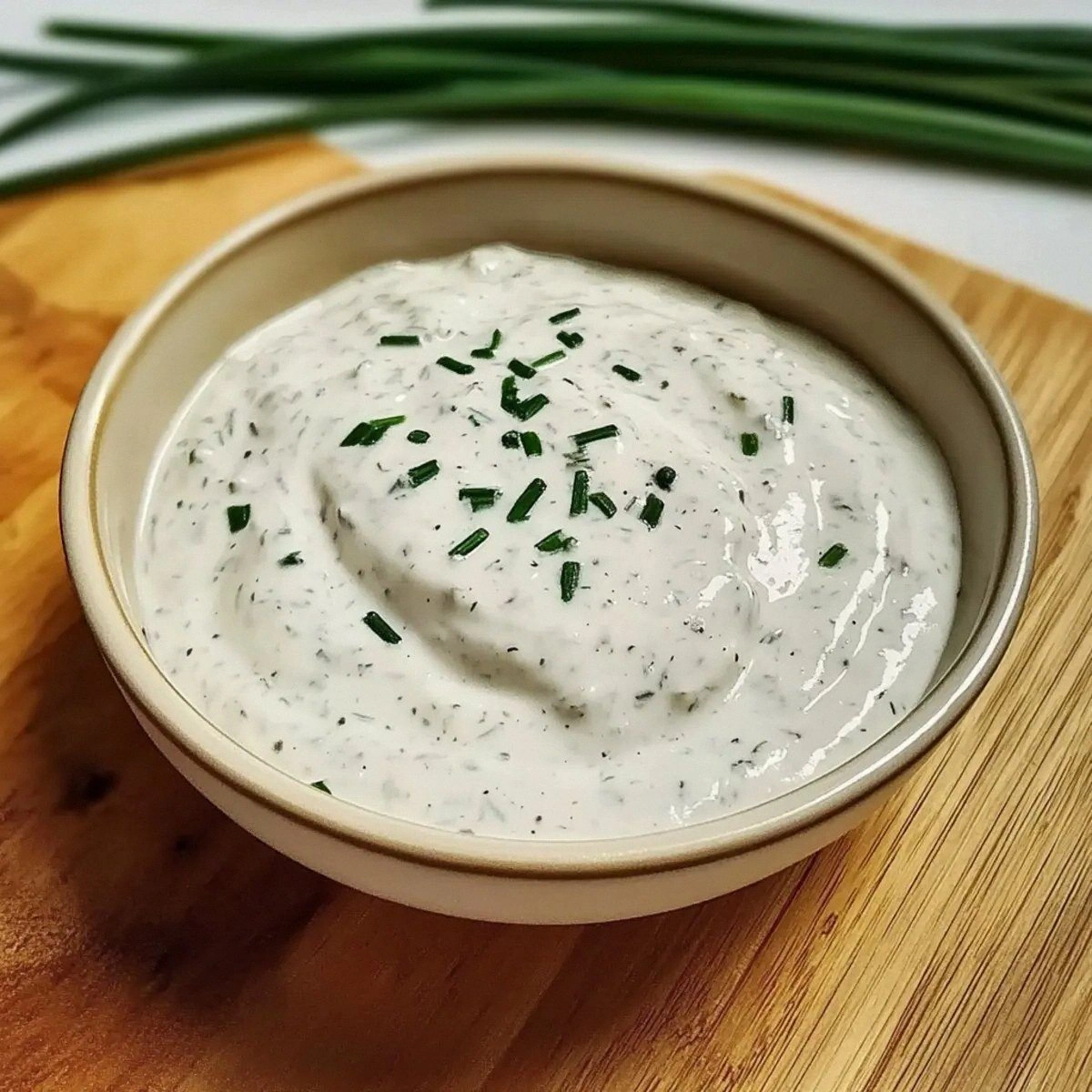
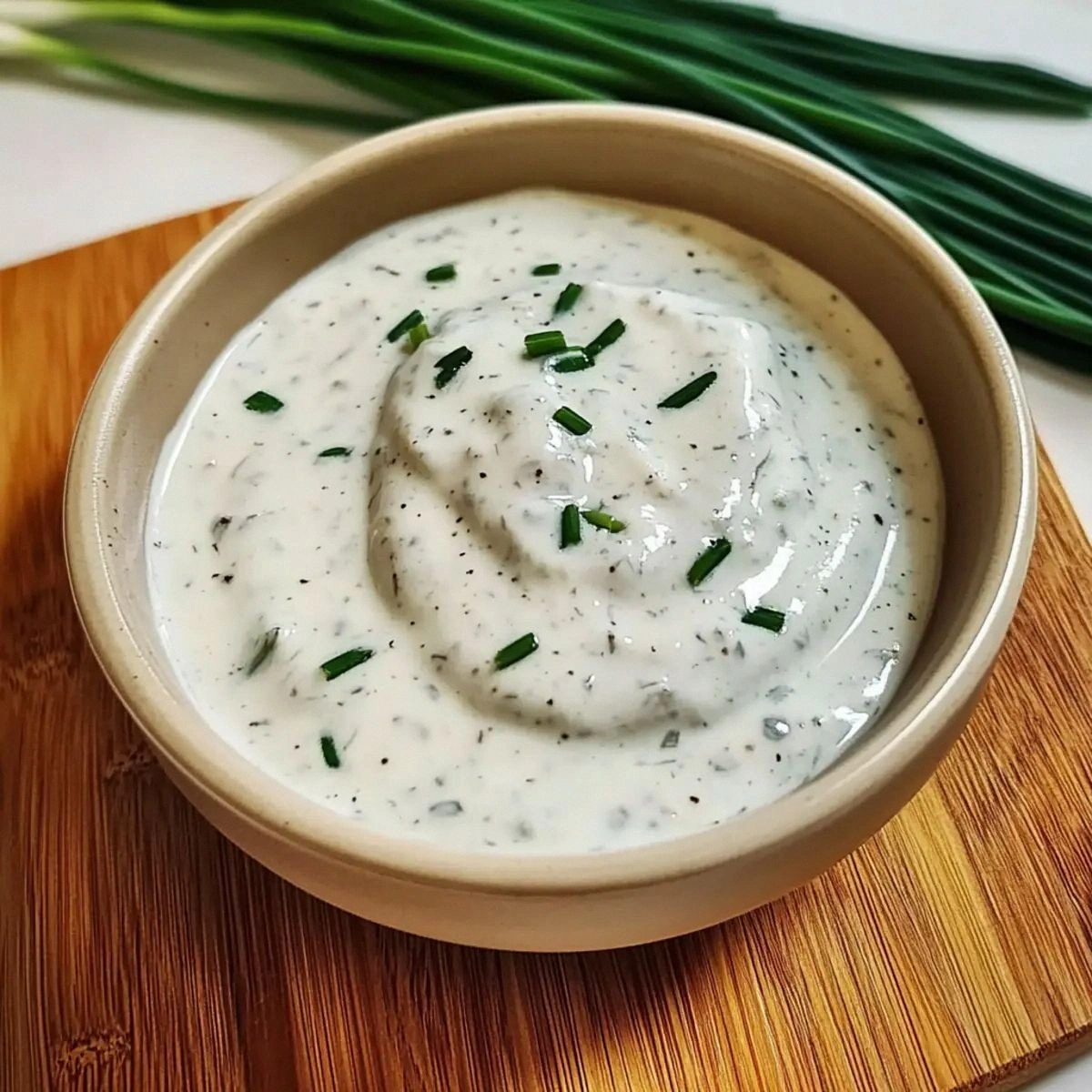
In a medium mixing bowl, combine the sour cream and mayonnaise. Use a rubber spatula and fold gently; you’re not trying to create a mousse, just a uniform blend. The mixture should look glossy, like a fresh snowfall on a winter morning.
Kitchen Hack: Chill the bowl for five minutes before mixing – a cold surface keeps the sauce from warming up too quickly, preserving its thick texture.Add the prepared horseradish to the creamy base. Stir slowly, watching the pink‑orange swirl spread like a sunrise across a calm sea. If you notice any lumps, give it another gentle fold; the goal is a homogenous, silky mixture.
Now, drizzle in the lemon juice while continuing to fold. You’ll hear a faint sizzle as the acidity meets the dairy – that’s the sauce waking up. Taste a tiny spoonful; you should feel a bright zing that lifts the heaviness of the mayo without overwhelming the palate.
Season with the half‑teaspoon of salt. Sprinkle it evenly and give the sauce one final gentle stir. This step is crucial – the salt amplifies the horseradish’s punch and binds the flavors together, like a conductor guiding an orchestra.
Watch Out: Over‑salting is a common mistake; if you add too much now, you’ll have no chance to fix it later without diluting the sauce.Cover the bowl with plastic wrap and refrigerate for at least 30 minutes. This resting period allows the flavors to meld, turning the sharp horseradish into a mellow, rounded heat. While you wait, you can finish cooking the prime rib – the sauce will be ready just as the meat rests.
When you’re ready to serve, give the sauce a quick stir to bring any settled ingredients back together. If it looks a touch thick, whisk in a teaspoon of cold water – the sauce should flow like a lazy river, coating the rib without pooling.
Spoon the sauce generously over each slice of prime rib, or serve it in a ramekin on the side for guests to drizzle as they wish. Watch the sauce glide over the meat, its creamy sheen catching the light like liquid gold. And now the fun part: see the smiles as people take that first bite and realize they’ve just discovered a new favorite condiment.
That’s it — you did it. But hold on, I’ve got a few more tricks that’ll take this to another level, because a sauce this good deserves a encore.
Insider Tricks for Flawless Results
The Temperature Rule Nobody Follows
Never mix hot ingredients with cold dairy; the sudden temperature shock makes the mixture curdle. Keep everything chilled until the very last minute, and you’ll get that glossy, stable emulsion that holds up on the plate. I once tried whisking the sauce over a warm bowl and ended up with a grainy mess that tasted like curdled milk – not pretty.
Why Your Nose Knows Best
Before you add the lemon, give the sauce a quick sniff. If you catch a faint sour note, you’re on the right track; if it smells too “raw,” let it rest a few more minutes. Your nose can detect subtle imbalances faster than your palate, so trust it as your early warning system.
The 5‑Minute Rest That Changes Everything
After mixing, let the sauce sit for exactly five minutes uncovered, then give it a gentle stir. This short rest lets the horseradish’s volatile oils settle, creating a smoother flavor that doesn’t overwhelm the rib. A friend once skipped this step and complained the sauce was “too sharp” – a lesson learned the hard way.
The Spoon‑Test Technique
When you think the sauce is ready, dip a clean spoon into it and let it sit for a second. If the sauce clings to the spoon without sliding off, you’ve achieved the perfect thickness. If it runs off like water, add a dash more mayo or a pinch of powdered sugar (yes, sugar!) to thicken without altering the flavor profile.
The Secret of the “Fresh‑Squeeze” Finish
Just before serving, squeeze a tiny extra splash of lemon over the top. This final burst of acidity revitalizes the sauce, making each bite feel brand new, even if the sauce has been sitting for a few hours. It’s a micro‑trick that turns a good sauce into a show‑stopper.
Creative Twists and Variations
This recipe is a playground. Here are some of my favorite ways to switch things up:
Smoky Chipotle Horseradish
Add a teaspoon of chipotle in adobo sauce to the base mixture. The smoky heat pairs beautifully with the beef’s char, creating a southwestern vibe that will surprise your guests.
Herb‑Infused Green
Stir in a tablespoon of finely chopped chives and a teaspoon of dill. The fresh herbs add a garden‑fresh brightness that complements the lemon and makes the sauce look like a spring meadow.
Garlic‑Roasted Horseradish
Roast a head of garlic until caramelized, mash it, and fold it into the sauce. The sweet, mellow garlic softens the horseradish’s bite and adds a deep, umami undertone.
Spicy Wasabi Kick
Swap half of the prepared horseradish for a spoonful of real wasabi paste. This creates a Japanese‑inspired twist that’s perfect for sushi‑style beef bites or a daring holiday spread.
Creamy Avocado Blend
Blend in half an avocado for extra silkiness and a subtle green hue. The avocado adds healthy fats and a buttery texture that makes the sauce even richer without extra mayo.
Storing and Bringing It Back to Life
Fridge Storage
Transfer the sauce to an airtight glass jar and refrigerate. It will keep for up to three days, though the flavor peaks after 24 hours. Always give it a quick stir before using to reincorporate any settled liquids.
Freezer Friendly
Yes, you can freeze this sauce! Portion it into silicone ice cube trays, freeze solid, then pop the cubes into a freezer bag. It will retain its texture for up to two months. Thaw in the refrigerator overnight and whisk in a splash of fresh lemon before serving.
Best Reheating Method
When you’re ready to reheat, place the sauce in a small saucepan over low heat, adding a teaspoon of water or extra lemon juice to revive the creaminess. Stir constantly and remove from heat the moment it’s warmed through – you don’t want to cook the horseradish, just bring it back to life.