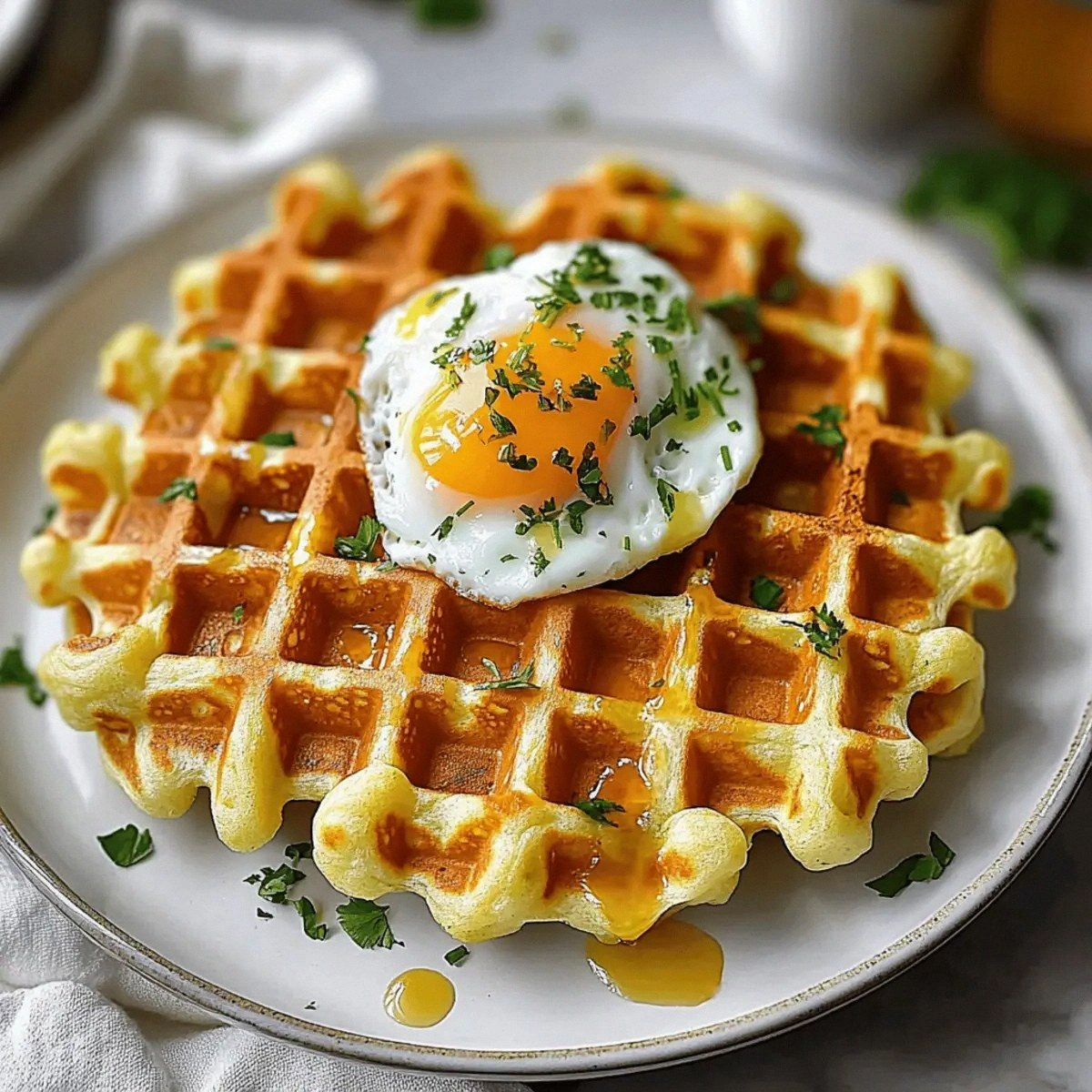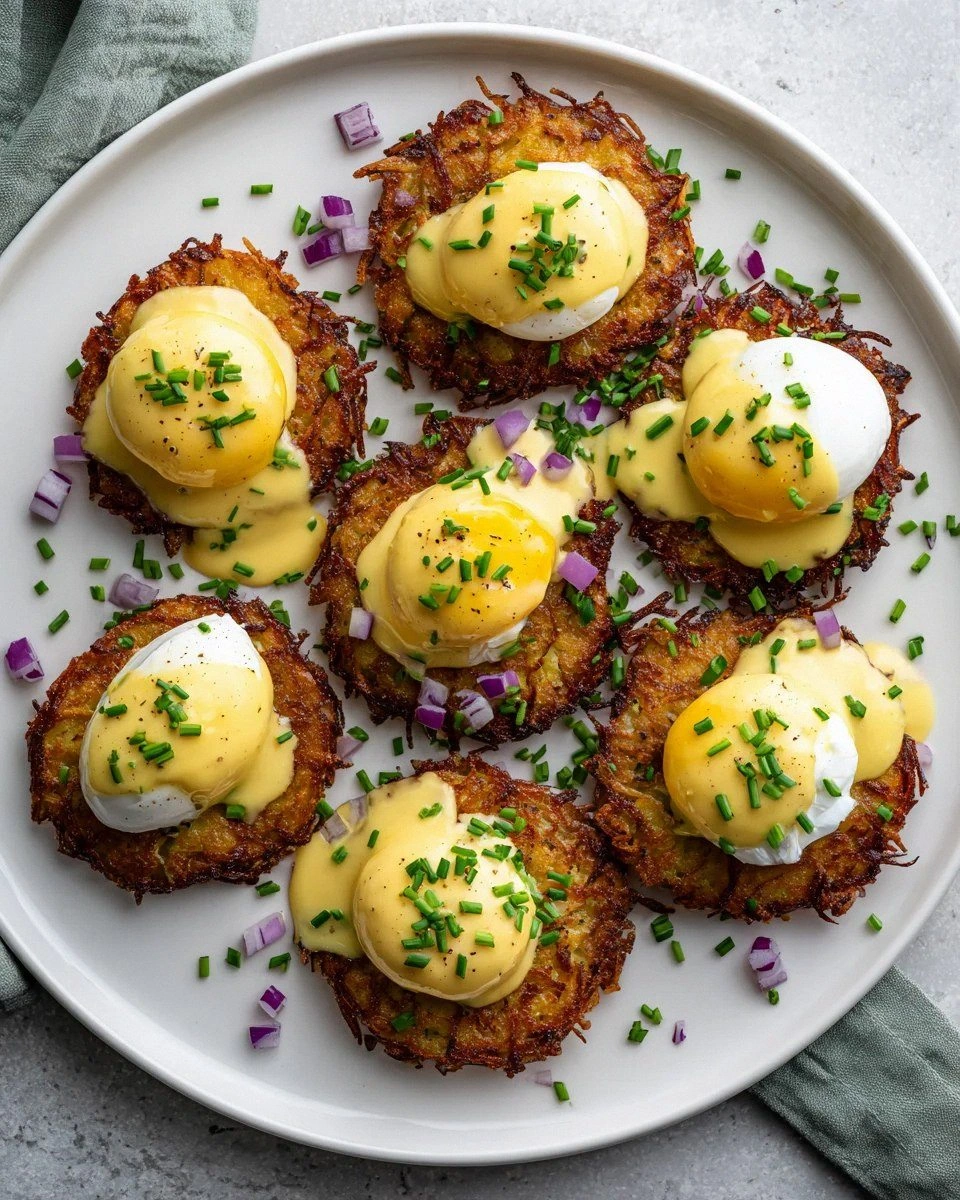
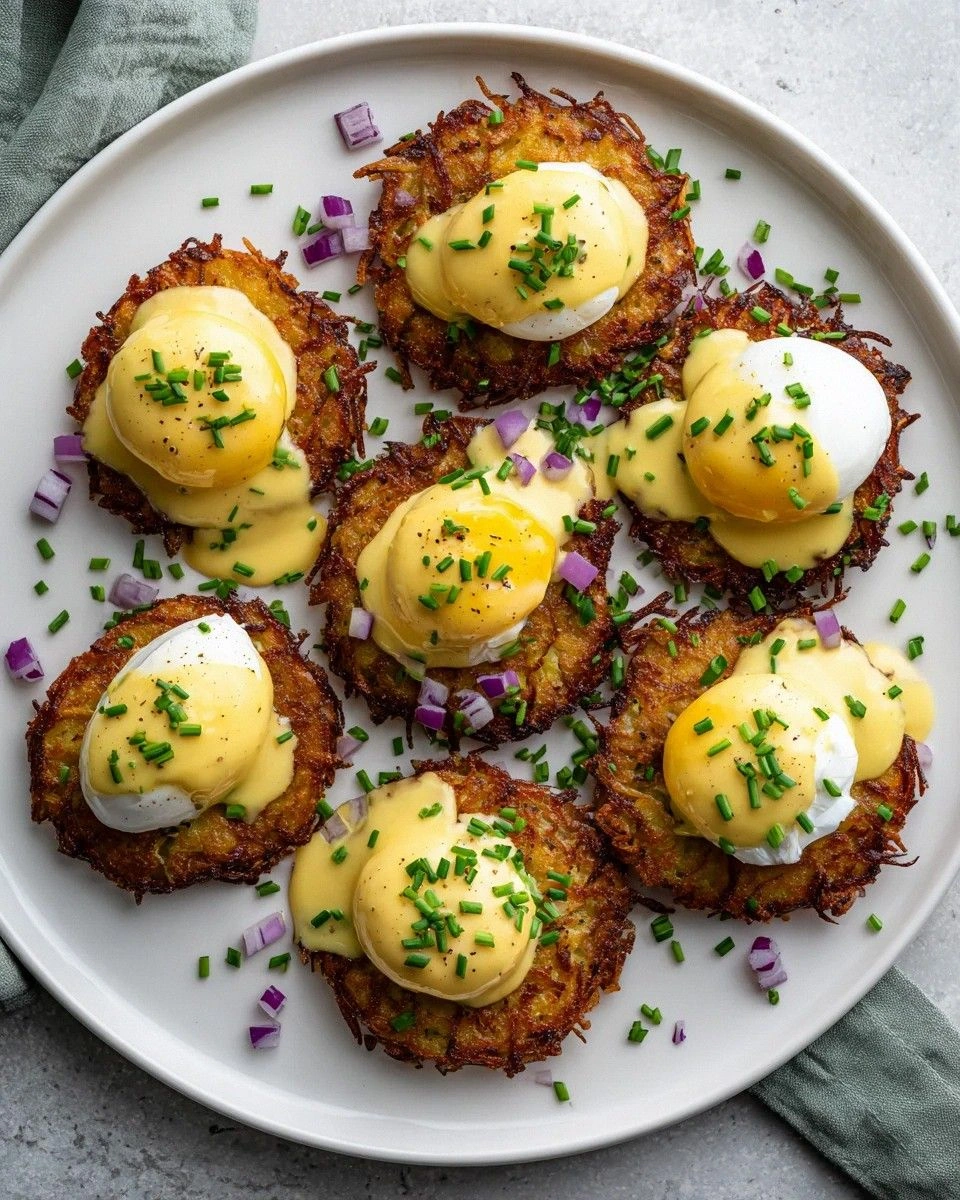
Picture this: it was a dreary Sunday morning, the kind where the sky looks like a wet wool blanket and even the coffee maker seems sluggish. I was supposed to make classic Eggs Benedict for friends who’d stayed over, but—classic me—I’d forgotten to buy English muffins. Panic? Nope. I spotted a bag of Russets winking at me from the counter and thought, “What if the muffin was never the hero?” Thirty-five frantic, flour-dusted minutes later, I was stacking crispy, lacy latkes under silky poached eggs and lemon-bright hollandaise. The first forkful shattered like thin ice, revealing a steamy, potato-bread cradle that soaked up yolk like a sponge. One friend actually dropped her fork—mid-chew, mind you—and mumbled something that sounded suspiciously like a marriage proposal.
That sizzle when potato strands hit the pan? Absolute perfection. The kitchen smelled like the best diner in Tel Aviv collided with a Parisian bistro: onions caramelizing, butter browning, vinegar poaching water perfuming the air. I’ll be honest—half the latkes never made it to the plates; they disappeared straight from the cooling rack, scalding my tongue in the most worthwhile way. If you’ve ever struggled with soggy, gummy latkes or hollandaise that breaks like a bad promise, you’re not alone—and I’ve got the fix.
This is hands down the best version you’ll ever make at home, because we’re treating the latke as more than a cute swap—we’re engineering it. We squeeze every last drop of moisture so the edges frizz into golden lace, while the inside stays fluffy enough to absorb that first puncture of egg yolk. The seasoning is aggressive in the best way: plenty of salt, a crackle of pepper, and a whisper of onion that perfumes without bullying. And the workflow? Streamlined so you’re not that frantic cook I once was. Picture yourself pulling this platter out, the whole kitchen smelling incredible, your guests suddenly very awake.
Okay, ready for the game-changer? We’re baking the latkes for the final three minutes so both sides get equally crunchy without a second flip. Stay with me here—this is worth it. Let me walk you through every single step—by the end, you’ll wonder how you ever made it any other way.
What Makes This Version Stand Out
Shatter-Crisp Edges: We wring the potato until it’s desert-dry, then fry in a shallow pool of oil so the outside crackles like a potato-chip halo while the inside stays tender. Most recipes get this completely wrong—too much moisture equals steamed sadness.
One-Bowl Wonder: The latke batter doubles as a built-in starch glue, no need for matzo meal or fancy binders. One egg and a quarter-cup of flour hold everything together like best friends who refuse to let go.
Make-Ahead Magic: Latkes reheat at 400 °F for six minutes and emerge even crisper than day one. I dare you to taste this and not go back for thirds straight from the sheet pan.
Hollandaise Insurance: We use Kenji’s immersion-blender method—thirty seconds, zero broken sauces, and you look like a culinary wizard. No double boiler, no whisking until your wrist files for worker’s comp.
Crowd Reaction Guarantee: Bring this to brunch and watch adults turn into competitive raccoons, swiping the last latke when they think no one’s looking. I’ve seen it happen three times now.
Breakfast, Lunch, or Midnight Snack: Top with smoked salmon for dinner, or slide on a fried egg at 2 a.m. and tell me this isn’t the most versatile stack ever.
Alright, let’s break down exactly what goes into this masterpiece...
Inside the Ingredient List
The Flavor Base
Russet potatoes are the Beyoncé of the tuber world—high starch, low moisture, ready to crisp. Peel them just before grating so they don’t oxidize into that unappetizing gray. The onion isn’t optional, folks; it releases sugars that caramelize and glue the latke together, plus it perfumes the oil so your kitchen smells like grandma’s house on Sunday. Skip it and you’ll get bland, flat disks that taste like hash-brown imposters.
The Texture Crew
One egg is the social director: it networks between starch molecules and keeps everyone hanging tight. All-purpose flour is the bouncer—just enough to hold the door so potato water doesn’t sneak in and ruin the party. Salt early and aggressively; potatoes are flavor vampires and will suck it up until you think you’ve over-done it. You haven’t.
The Unexpected Star
Black pepper seems pedestrian until you taste a latke without it—suddenly the whole bite feels like it’s wearing sweatpants to a wedding. A half-teaspoon seems like a lot, but the fry blunts the heat, leaving behind a gentle warmth that blooms with the hollandaise. If you want to get fancy, swap in white pepper for a sneaky, nose-tingling kick.
The Final Flourish
Neutral oil with a high smoke point is your best friend—sunflower, grapeseed, or the cheap vegetable stuff. Olive oil burns at 375 °F and will gift your latkes a bitter, acrid aftertaste that no amount of chives can hide. And the vinegar in the poaching water? It’s the egg-white whisperer, coagulating proteins so those wispy ghost trails stay tidy.
Everything’s prepped? Good. Let’s get into the real action...
The Method — Step by Step
- Grate the potatoes and onion on the large holes of a box grater. Feel the cold starch coat your fingers; that’s gold, baby. Immediately plunge the shreds into a big bowl of ice water for two minutes—this removes excess surface starch so the latkes won’t glue together like homework on a rainy day. Drain through a colander, then pile the mixture into a clean kitchen towel. Twist until the cloth drips like a leaky faucet and your forearm burns; that’s the price of crispy admission.
- Transfer the Sahara-dry tangle to a bowl and add egg, flour, salt, and pepper. Mix with your hands—yes, your hands—so you can feel if rogue potato chunks are staging a rebellion. The batter should cling together like wet sand when squeezed; if it falls apart, sprinkle another teaspoon of flour. Let it rest for five minutes while you heat the oil—this lets the starch hydrate and form its edible glue.
- Pour oil into a heavy skillet until it’s ¼-inch deep—about three tablespoons for a 10-inch pan. Heat over medium-high until a shred of potato sizzles on contact but doesn’t go scorched-earth brown. Swirl to coat, then drop heaping quarter-cups of batter, flattening gently with a spatula. Listen for the applause: that immediate sizzle is the sound of future crunch.
- Cook three minutes per side, resisting the urge to nudge them around. Moving latkes too early is like waking a sleepwalker—everything falls apart. Peek at the underside: when the edges turn deep amber and look like they’re holding hands with the pan, flip once and press lightly to re-establish contact.
- Transfer latkes to a wire rack set over a sheet pan and slide into a 250 °F oven. This bake finishes the interior while the exterior stays audibly crisp. Repeat with remaining batter, adding oil as needed and letting it reheat between batches.
- Bring a wide pot of water to a gentle simmer—about 180 °F, where bubbles look like champagne on Ambien. Add vinegar. Crack each egg into its own ramekin; if a yolk breaks, sacrifice that egg to the scramble gods later. Create a gentle whirlpool with a spoon and slide eggs in one at a time, spacing them like polite subway passengers.
- Poach three minutes for runny centers, four if you like them jammy. While they bob, blast hollandaise: blend egg yolk, lemon juice, and a pinch of salt in a tall cup, slowly drizzle in hot melted butter while the immersion blender runs. The sauce thickens like velvet in thirty seconds—pure kitchen sorcery.
- Assemble: latke on the bottom, a whisper of chives if you’re feeling fancy, the poached egg perched on top like a golden sun, and a ladle of hollandaise that cascades over the edges in slow-motion deliciousness. Serve immediately, ideally with someone you love who won’t judge you for licking the plate.
That's it—you did it. But hold on, I've got a few more tricks that'll take this to another level...
Insider Tricks for Flawless Results
The Temperature Rule Nobody Follows
Oil temperature is the diva of this production. Too cool and the latkes soak up grease like teenagers at an all-you-can-eat buffet—soggy, heavy, tragic. Too hot and the outsides carbonize while the insides stay raw and crunchy like undercooked fries. Keep the range between 350 °F and 365 °F; an instant-read thermometer is twenty bucks of insurance against heartbreak.
Why Your Nose Knows Best
When the latke edges smell like the best potato chip you’ve ever met, they’re thirty seconds from perfect. Trust the aroma over the clock—your kitchen, your potatoes, your rules. A friend tried skipping this step once; let’s just say we served “latke jerky” that day.
The 5-Minute Rest That Changes Everything
After mixing the batter, walk away for five minutes. This lets the flour hydrate and the starch molecules link arms, so your latkes don’t shatter into hash-brown confetti in the pan. Use the downtime to set up your poaching water and hollandise station—efficiency tastes like victory.
The Double-Fry for Extra Drama
Fry latkes until just golden, cool completely, then re-fry at 375 °F for ninety seconds. The exterior glassifies into shatter-crisp perfection while the inside steams fluffy. Street-food vendors in Israel call this “grandma style,” and it’s why their potato pancakes haunt your dreams.
Creative Twists and Variations
This recipe is a playground. Here are some of my favorite ways to switch things up:
Smoked Salmon Sushi Stack
Swap hollandaise for a dab of wasabi-spiked Greek yogurt, top with slivers of smoked salmon, pickled ginger, and a shower of sesame seeds. Brunch suddenly feels like a Tokyo rooftop.
Green Goddess Latke
Blend herbs—parsley, dill, tarragon—into the batter, then crown with avocado slices and a runny egg. It’s springtime on a fork, even in February.
Spicy Chorizo Crumble
Brown crumbled chorizo in the skillet first, then fry latkes in the spicy oil. The edges pick up paprika-streaked crunch that makes you want to write poetry.
Everything-Bagel Seasoning Rim
Dust the cooked latkes with a mix of poppy, sesame, dried garlic, and flaky salt. No bagel required, but you’ll still get that deli-counter high.
Mini Latke Sliders
Shape batter into two-bite coins, fry, then sandwich a quail egg and micro-arugula between them. Serve on a platter and watch them vanish faster than free Wi-Fi.
Sweet Potato & Feta Sunrise
Sub half the Russets with grated sweet potato, fold in crumbled feta, and finish with a drizzle of hot honey. Salty-sweet sunrise in your mouth.
Storing and Bringing It Back to Life
Fridge Storage
Cool latkes completely, layer between parchment in an airtight box, and refrigerate up to four days. Reheat on a wire rack at 400 °F for six minutes—no microwave unless you enjoy rubber coasters.
Freezer Friendly
Freeze in a single layer on a tray, then transfer to zip bags for up to two months. Bake from frozen at 425 °F for ten minutes, flipping halfway. They emerge crisper than takeout hash browns.
Best Reheating Method
Add a tiny splash of water to the sheet pan before reheating; it steams just enough to revive the interior without softening the exterior crunch. Future-you will send present-you a thank-you note.