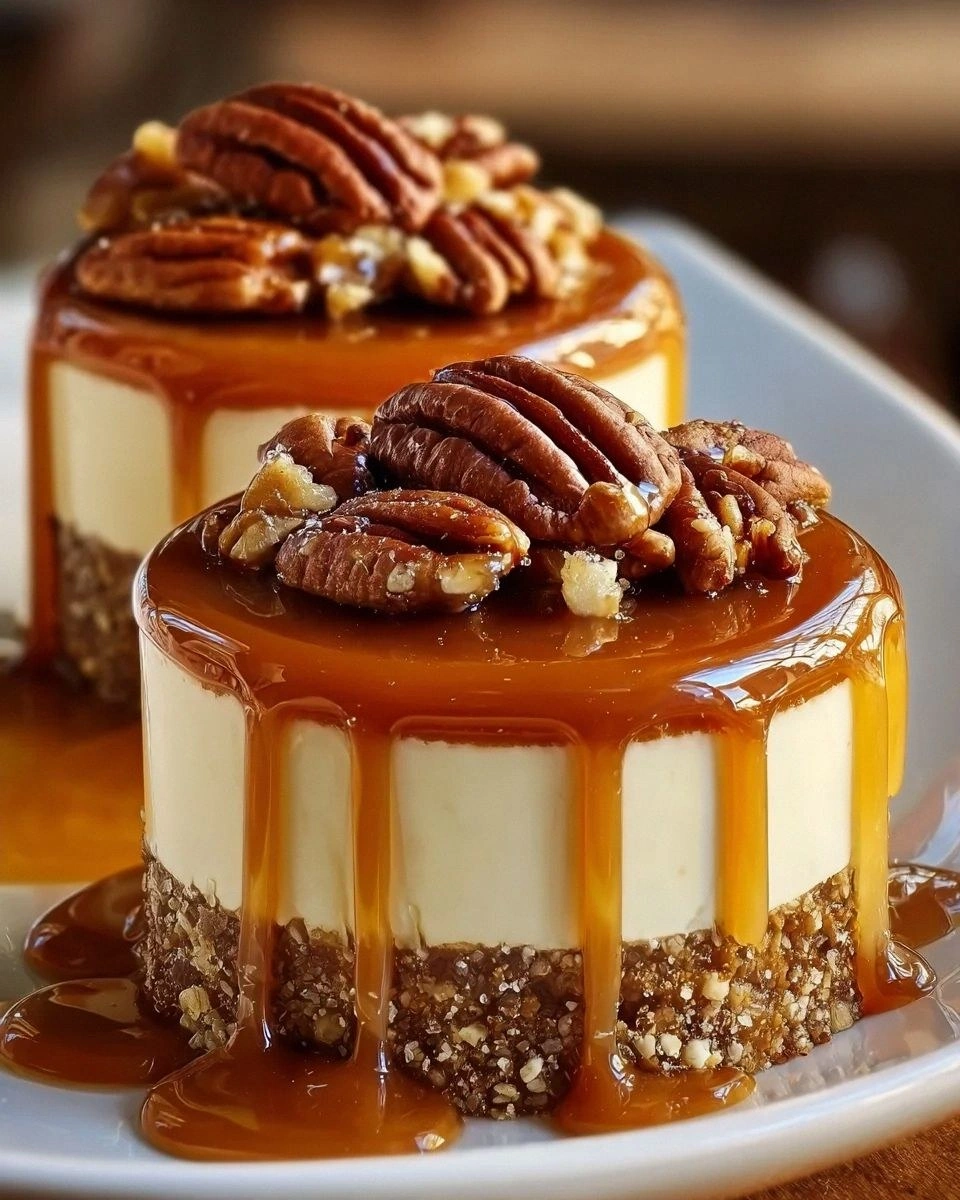
Picture this: a cold December night, the house is lit only by the glow of the oven, and the smell of rosemary and toasted pecans is doing a slow waltz through every hallway. I was in the middle of a holiday party, juggling a tray of store‑bought cheese boards, when my friend dared me to “make something that actually tastes like the season, not like a grocery store aisle.” I laughed, grabbed the nearest flour bag, and dove headfirst into a mess of dough, cheese, and honey. The result? A flatbread so fragrant it practically sang carols, topped with a cheese ball spread that’s creamy enough to make a dairy lover weep, and a pecan glaze that glitters like fresh snow on a pine branch.
The first bite was a revelation: the crust crackled like fresh ice on a frozen pond, the mozzarella stretched like buttery ribbons, and the tangy feta whispered sweet nothings to the honey drizzle. I dared you to taste this and not go back for seconds—seriously, I’d bet my favorite spatula you’ll be back before the last crumb disappears. Most flatbread recipes get the texture wrong, ending up soggy or overly dense. Not this one. I’m about to spill the exact method that gives you that perfect, airy bite with a crisp edge that shatters like thin ice under a gentle footstep.
Now, I’ll be honest—while I was perfecting this batch, I ate half the batch before anyone else got a chance to try it. That’s the kind of addictive quality we’re talking about. The secret? A humble combination of warm water and baking powder that creates a light, almost pillow‑like interior, paired with a pecan glaze that adds a festive crunch and a subtle caramel kiss. And there’s a little twist you won’t see in any other recipe: a splash of lemon zest in the cheese ball spread that brightens the whole dish like a burst of winter sunshine.
So, buckle up. I’m going to walk you through every single step—by the end, you’ll wonder how you ever made flatbreads any other way. Ready for the game‑changer? Let’s get started.
What Makes This Version Stand Out
- Taste: The marriage of salty feta, sweet honey, and nutty pecans creates a flavor profile that feels both festive and comforting, like a holiday hug on a plate.
- Texture: A light, airy interior meets a crisp, golden edge, while the cheese ball spread adds a velvety contrast that melts in your mouth.
- Simplicity: No fancy equipment—just a mixing bowl, a skillet, and a whisk. You can pull this off in under an hour, even on a chaotic holiday schedule.
- Uniqueness: The lemon‑zest‑infused cheese ball spread is a surprise element that lifts the entire dish, making it unforgettable.
- Crowd Reaction: Expect gasps, compliments, and that inevitable “Can I have the recipe?” chant—this is a proven crowd‑pleaser.
- Ingredient Quality: Using fresh herbs and high‑quality cheese elevates the dish from everyday snack to centerpiece.
- Cooking Method: A quick pan‑sear locks in moisture, while a brief oven finish adds that perfect golden‑brown finish.
- Make‑Ahead Potential: The cheese ball spread can be prepared days ahead, and the flatbreads reheat beautifully, making holiday prep a breeze.
Inside the Ingredient List
The Flavor Base
All‑purpose flour: This is the backbone of our flatbread, providing structure and that satisfying chew. If you’re gluten‑free, a blend of rice flour and tapioca works, but expect a slightly different texture. Skipping the flour? The dough won’t hold together, and you’ll end up with a sad, sticky mess.
Salt: Not just a seasoning—salt amplifies every other flavor, from the rosemary to the cheese. A pinch too little and the herbs taste flat; a pinch too much and the cheese ball becomes briny. Use fine sea salt for even distribution.
Warm water: Warm (not hot) water activates the baking powder and helps the flour hydrate evenly. If the water is too hot, it can kill the leavening power; too cold, and the dough stays dense. Aim for about 110°F, like a comfortable shower temperature.
The Texture Crew
Olive oil: A splash of good‑quality extra‑virgin olive oil adds richness and helps the crust turn golden. It also makes the dough easier to roll out without sticking. Swap with melted butter for a richer flavor, but you’ll lose a bit of that Mediterranean note.
Baking powder: This is the secret lift that keeps the flatbread light. Unlike yeast, it works instantly, so you don’t have to wait for a long rise. Too much, and you’ll get a metallic aftertaste; the recipe calls for just enough to give a subtle rise.
Shredded mozzarella: The mozzarella melts into a gooey blanket that holds the toppings together. Its mild flavor lets the herbs and pecans shine. For a deeper flavor, blend half mozzarella with provolone.
The Unexpected Star
Crumble feta or goat cheese: This tangy crumble adds a punch that cuts through the richness of the mozzarella and cheese ball spread. It also adds a lovely speckled look. If you skip it, the flatbread loses its bright, salty contrast.
Chopped pecans: The pecans bring a crunchy texture and a buttery, slightly sweet flavor that pairs beautifully with honey. Toast them lightly before adding for an extra layer of aroma. If you omit them, you’ll miss that festive crunch.
Fresh rosemary or parsley: These herbs give the flatbread an aromatic lift that makes your kitchen smell like a winter forest. Rosemary is piney; parsley is fresher. Use a generous handful—don’t be shy.
The Final Flourish
Honey: A drizzle of honey after baking adds a glossy finish and a hint of sweetness that balances the salty cheeses. Use a mild clover honey for subtlety, or a robust buckwheat honey for deeper flavor.
Cream cheese: This forms the creamy base of the cheese ball spread, giving it body and a silky mouthfeel. Soften it before mixing to avoid lumps.
Ricotta or goat cheese: Adding ricotta lightens the spread, while goat cheese adds a tangy edge. You can even blend both for a complex profile.
Zest of a lemon: Just a teaspoon of lemon zest lifts the entire dish, cutting through the richness with a bright citrus note. Avoid the white pith—it’s bitter.
Salt & black pepper: The final seasoning that ties everything together. A pinch of freshly cracked black pepper adds a subtle heat that awakens the palate.
Everything's prepped? Good. Let’s get into the real action…

The Method — Step by Step
- In a large mixing bowl, whisk together 2 cups of all‑purpose flour, 1 tsp salt, and 1 tsp baking powder. This dry blend ensures the leavening is evenly distributed, preventing pockets of bland dough. As you whisk, imagine the future golden crust—this mental picture helps you stay focused.
- Create a well in the center and pour in 3/4 cup warm water, 2 tbsp olive oil, and the softened cream cheese. Stir with a wooden spoon until a shaggy dough forms. Let the mixture sit for 5 minutes; this gives the flour a chance to fully hydrate, resulting in a softer dough.Kitchen Hack: If the dough feels too sticky, sprinkle a tablespoon of flour and knead briefly; if it’s too dry, add a splash of water—adjust in 1‑tsp increments.
- Turn the dough onto a lightly floured surface and knead for about 2 minutes until it’s smooth and elastic. You should feel a slight spring back when you press it—if it resists, keep kneading a bit longer. This step builds gluten, which is essential for that chewy bite.
- Divide the dough into four equal portions and shape each into a ball. Cover them with a clean kitchen towel and let them rest for 10 minutes. This short rest relaxes the gluten, making the dough easier to roll out without snapping back.
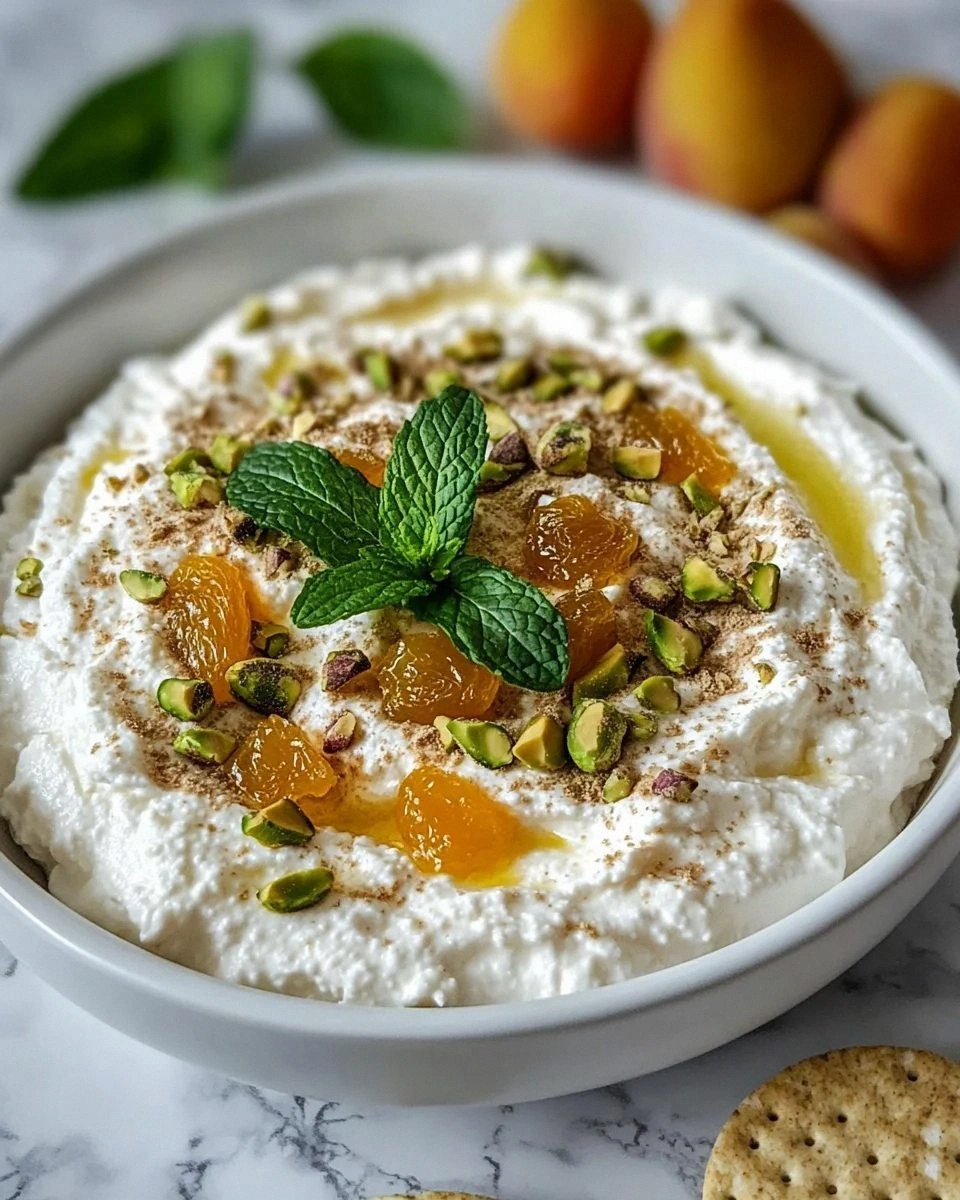
- While the dough rests, prepare the cheese ball spread: combine 4 oz softened cream cheese, 4 oz ricotta (or goat cheese), 1 tsp lemon zest, a pinch of salt, and a generous grind of black pepper. Beat until smooth and creamy. Refrigerate until the flatbreads are ready to bake.Kitchen Hack: Transfer the mixture to a zip‑top bag, seal, and roll it into a log—then chill. Slice into bite‑size balls when ready to serve.
- Heat a large cast‑iron skillet over medium‑high heat and brush lightly with olive oil. Roll one dough ball into a 7‑inch circle, about 1/4‑inch thick. Place it in the hot skillet; you’ll hear a satisfying sizzle that signals the crust is forming.
- Cook for 2‑3 minutes until the edges start to puff and turn golden. Flip carefully using a spatula.Watch Out: If the heat is too high, the bottom will burn before the top cooks. Adjust to medium if you see dark spots forming within 30 seconds.
- After flipping, sprinkle 1½ cups shredded mozzarella evenly over the cooked side, followed by ½ cup crumbled feta, and a handful of chopped rosemary or parsley. Let the cheese melt for another 2 minutes; the aroma should fill the kitchen like a holiday market.
- Transfer the skillet to a preheated oven at 400°F for 5‑7 minutes, just to finish the rise and crisp the edges. Remove, drizzle 2 tbsp honey over the top, and sprinkle 1/3 cup toasted pecans. Serve immediately with the chilled cheese ball spread on the side. That sizzle when it hits the pan? Absolute perfection.
Insider Tricks for Flawless Results
The Temperature Rule Nobody Follows
Never underestimate the power of a properly preheated pan. A skillet that’s too cold will soak up the dough’s moisture, resulting in a soggy base. Conversely, a scorching pan will char the crust before the interior sets. I once tried cooking on a medium‑low setting to “play it safe,” and the flatbread turned into a rubbery pancake. The sweet spot is medium‑high, around 375‑400°F on the surface, which you can gauge by flicking a few drops of water onto the pan; they should dance and evaporate instantly.
Why Your Nose Knows Best
The moment the dough starts to smell nutty and buttery is your cue that the gluten has developed enough. Trust that aromatic signal more than the clock. If you’re unsure, press the dough gently; it should spring back slowly. I’ve seen bakers over‑knead by the minute, only to end up with a tough flatbread that feels like chewing on a shoe sole.
The 5‑Minute Rest That Changes Everything
After shaping each round, give it a five‑minute rest on a lightly floured towel. This micro‑rest allows the gluten to relax, which means the dough spreads evenly without tearing. Skipping this rest leads to uneven thickness—thin edges that burn and a thick center that stays doughy.
Honey Drizzle Timing
Drizzle honey right after the flatbread exits the oven, while the surface is still hot. The heat will slightly caramelize the honey, creating a glossy, sticky coating that locks in flavor. If you add it too early, the honey can burn; too late, and it won’t adhere properly.
Cheese Ball Consistency Control
For a spread that holds its shape on a plate, chill the cheese ball for at least 30 minutes before serving. The cooler temperature firms up the fats, preventing the spread from sliding off the flatbread. If you prefer a runnier dip, keep it at room temperature for 10 minutes before serving.
Creative Twists and Variations
This recipe is a playground. Here are some of my favorite ways to switch things up:
Spicy Jalapeño Kick
Finely dice a jalapeño and fold it into the cheese ball spread. The heat contrasts beautifully with the sweet honey glaze, making it perfect for those who love a little fire.
Smoked Gouda Upgrade
Swap half the mozzarella for smoked Gouda. The smoky notes deepen the flavor, turning the flatbread into a sophisticated appetizer for wine nights.
Apple‑Cinnamon Glaze
Replace honey with a thin apple‑cinnamon reduction. The warm spices echo holiday desserts, and the fruity glaze pairs wonderfully with the pecans.
Vegan Friendly
Use a plant‑based cheese blend and dairy‑free cream cheese, and swap olive oil for coconut oil. The texture remains, and the flavors stay festive.
Herb Explosion
Mix thyme, sage, and a touch of mint into the dough for an herbaceous punch. This version is perfect for a spring gathering when fresh herbs are at their peak.
Storing and Bringing It Back to Life
Fridge Storage
Place cooled flatbreads in an airtight container lined with parchment paper. They’ll stay fresh for up to three days. Keep the cheese ball spread in a separate sealed jar; it stays creamy for a week.
Freezer Friendly
Wrap each flatbread tightly in foil, then place them in a zip‑top freezer bag. They freeze beautifully for up to two months. When you’re ready to enjoy, thaw overnight in the fridge and reheat.
Best Reheating Method
Preheat your oven to 350°F, splash a tiny splash of water onto the flatbread, and cover with foil for the first five minutes. This steam revives the interior, while the uncovered final two minutes bring back that crisp edge.