Picture this: a night‑old kitchen, the sink piled with half‑finished sauces, and a sudden, unstoppable craving for something creamy, tangy, and just a little bit nutty. I was halfway through a disastrous attempt at guacamole—too salty, too runny—when my roommate dared me, “Make the best hummus you’ve ever tasted, and I’ll bring the pita!” I laughed, I accepted, and the rest is a story you’ll want to hear again and again. The moment the chickpeas hit the hot pan, the air filled with an earthy aroma that hinted at distant Mediterranean markets, and I knew I was onto something legendary.
The kitchen turned into a theater of sound: the sizzle of olive oil as it kissed the garlic, the soft thump of a wooden spoon against the side of the pot, and the occasional pop of a chickpea escaping the boil. My senses were on overdrive—the bright citrus of lemon, the deep, almost buttery whisper of tahini, and that faint, smoky whisper of cumin that danced on the nose. I could feel the creamy texture forming under my fingertips as I mashed the beans, each press releasing a richer, silkier consistency, like velvet slipping through your hands.
Why does this version stand out among the sea of hummus recipes you’ll find online? Because I tossed the rulebook out the window and added a secret weapon: a splash of cold water at the very end, turning the blend into a silken, glossy dip that slides off a spoon like a waterfall. Most recipes either over‑blend and become gummy, or under‑blend and leave you with a gritty mess. I’ve cracked the code that balances the earthiness of chickpeas with the brightness of lemon, all while keeping the flavor profile simple enough for anyone to master.
And here’s the kicker: I’ll be honest — I ate half the batch before anyone else got a chance to try it. That’s how addictive this dip is. I dare you to taste this and not go back for seconds. Ready for the game‑changer? Let me walk you through every single step — by the end, you’ll wonder how you ever made it any other way.
What Makes This Version Stand Out
- Flavor Explosion: The lemon‑tahini combo hits your palate with a bright zing balanced by a nutty depth, creating a taste that sings louder than any store‑bought version.
- Velvet Texture: By blending the chickpeas with ice‑cold water at the finish, the dip achieves a silk‑smooth finish that coats the bread like a glossy glaze.
- Simplicity: Only seven core ingredients, all pantry staples, mean you won’t need to run to the specialty shop.
- Ingredient Quality: Using high‑quality tahini and fresh lemon juice makes a world of difference—no shortcuts here.
- Crowd Reaction: This hummus becomes the star of any gathering; people line up for a second helping before they even realize they’re still hungry.
- Cooking Method: I soak the chickpeas overnight and simmer them low‑and‑slow, which unlocks a buttery interior you can’t get from canned beans.
- Make‑Ahead Potential: It stores beautifully, and the flavors actually improve after a few hours, making it perfect for party prep.
- Versatility: The base is a blank canvas, ready for endless twists—roasted red pepper, spicy harissa, or even a sweet caramelized onion version.
Inside the Ingredient List
The Flavor Base
Chickpeas (2 cups cooked): The heart of hummus, providing protein, fiber, and that subtle, buttery mouthfeel. Skipping them isn’t an option—without chickpeas you’ve got a tahini‑lemon sauce, not hummus. If you can’t find dried beans, a 15‑ounce can of high‑quality garbanzo beans works, but be sure to rinse them well.
Fresh Lemon Juice (2 Tbsp): Adds brightness and cuts through the richness of tahini. A bottled lemon will do in a pinch, but the acidity of a fresh squeeze is what gives this dip its zing. If you’re out of lemons, a splash of white wine vinegar can mimic the tang.
The Texture Crew
Tahini (¼ cup): This sesame paste is the silky glue that binds everything together. Choose a well‑stirred, creamy tahini; grainy varieties will leave you with a gritty dip. You can swap it for almond butter for a nutty twist, but the classic flavor comes from sesame.
Olive Oil (2 Tbsp, plus extra for drizzling): Adds richness and a fruity note that elevates the overall flavor. Use extra‑virgin for the best taste; a light olive oil will dilute the depth.
The Unexpected Star
Cold Water (3‑4 Tbsp): The secret weapon that transforms a thick mash into a glossy, pour‑able dip. Adding water gradually while blending lets you control the texture precisely. Skip it and you’ll end up with a chunky spread that clings to the spoon.
The Final Flourish
Garlic (1 clove, minced): Provides a pungent kick that balances the lemon’s acidity. Roast it first for a sweeter, caramelized flavor, or keep it raw for that classic bite.
Ground Cumin (½ tsp): Adds a warm, earthy undertone that makes the dip feel deeper. Too much cumin can overwhelm, so a little goes a long way.
Salt (½ tsp, or to taste): Enhances all the flavors. Taste as you blend; you might need a pinch more after the water is added.
Everything's prepped? Good. Let’s get into the real action…
The Method — Step by Step
Start by soaking 1 cup of dried chickpeas overnight in plenty of water. The next morning, drain and rinse them, then place them in a large pot, cover with fresh water, and bring to a boil. Reduce to a gentle simmer and cook for 60‑90 minutes, or until the skins begin to split and the beans are ultra‑tender. Tip: Skipping the soak adds an extra hour to cooking time and can result in uneven texture.
While the chickpeas are cooking, toast the garlic lightly in a dry skillet over medium heat—just until it turns golden and releases a nutty aroma. This step mellows the raw bite and adds a subtle caramel note that will surprise your taste buds later.
Drain the cooked chickpeas, reserving about ½ cup of the cooking liquid. This liquid, known as aquafaba, is pure gold for adjusting texture later. Set the beans aside to cool slightly; you don’t want steam burning your blender.
In a food processor, combine the chickpeas, tahini, lemon juice, toasted garlic, cumin, and salt. Pulse a few times to break down the beans, then start a slow, steady blend. As the mixture begins to form a paste, drizzle in the olive oil while the processor runs.
Now comes the magic: with the processor running, slowly add the cold water, one tablespoon at a time, watching the dip transform. You’ll see it shift from a thick, grainy mash to a glossy, pour‑able sauce that shimmers like liquid silk. Stop adding water once you reach a consistency that’s thick enough to hold a spoon but still flows smoothly.
Give the hummus a final taste test. Adjust with a pinch more salt, an extra squeeze of lemon, or a dash more cumin if you crave deeper earthiness. Remember, the flavors will meld and mellow as the dip rests, so err on the side of slightly bold.
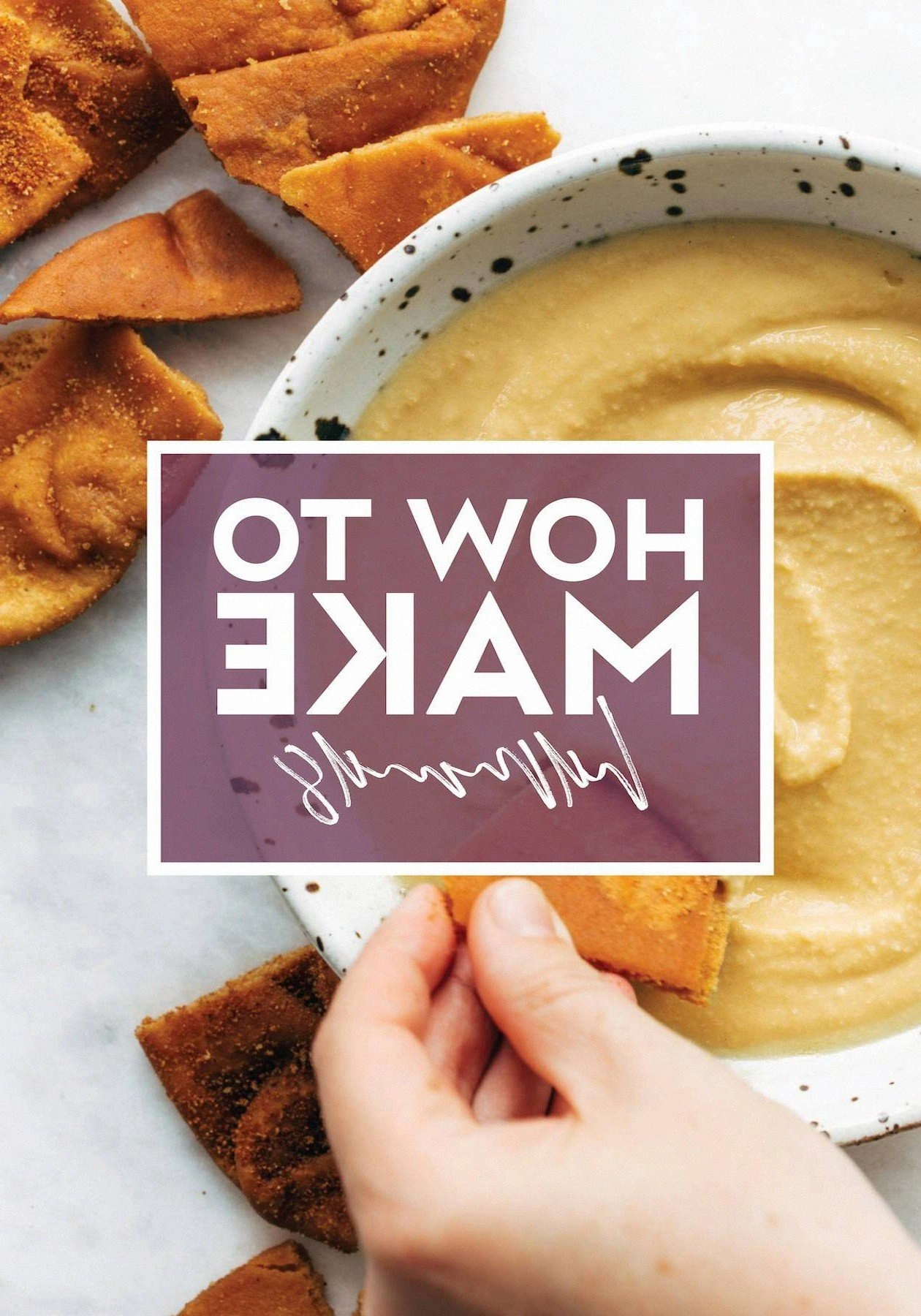
Transfer the hummus to a shallow bowl, create a shallow well in the center, and drizzle a generous swirl of olive oil. Sprinkle a pinch of smoked paprika and a few whole chickpeas for visual flair. This final touch isn’t just decorative—it adds a smoky aroma that completes the flavor symphony.
Cover the bowl with plastic wrap and let it sit at room temperature for 15‑20 minutes before serving. This resting period allows the flavors to marry, turning a good dip into a great one. Serve with warm pita, crisp veggies, or use as a spread on sandwiches.
That's it — you did it. But hold on, I've got a few more tricks that'll take this to another level…
Insider Tricks for Flawless Results
The Temperature Rule Nobody Follows
Blend the chickpeas while they’re still warm. Warm beans create a smoother emulsion because the fats in tahini melt more readily. I once tried using chilled beans and ended up with a gritty texture that never quite came together. Keep the beans slightly warm (around 120°F) for a silkier dip.
Why Your Nose Knows Best
Before adding the lemon, give the garlic‑tahini mixture a quick sniff. If you detect a raw, sharp bite, give the garlic an extra minute in the skillet. Your nose is a better judge of flavor balance than a taste test at this stage, and it saves you from over‑acidifying later.
The 5‑Minute Rest That Changes Everything
After blending, let the hummus rest uncovered for five minutes. This short pause allows the oil to rise to the surface, creating that glossy sheen we love. Skipping this step yields a flat, dull dip that looks and feels less inviting.
Olive Oil Finish, Not Just Ingredient
Drizzling high‑quality extra‑virgin olive oil just before serving adds a fragrant lift that transforms the entire bowl. Think of it as the final brushstroke on a painting—subtle but essential.
Salt Timing Is Key
Season in layers: a pinch during blending, then a final adjustment after resting. This prevents over‑salting and ensures the flavor is evenly distributed.
Creative Twists and Variations
This recipe is a playground. Here are some of my favorite ways to switch things up:
Roasted Red Pepper Hummus
Blend in half a cup of roasted red peppers after the base is smooth. The sweet, smoky flavor pairs beautifully with the lemon‑tahini backbone, creating a dip that’s perfect for summer picnics.
Spicy Harissa Hummus
Stir in a tablespoon of harissa paste for a North‑African kick. The heat balances the creamy texture, and the deep red hue makes for an eye‑catching centerpiece.
Herbed Green Hummus
Throw in a generous handful of fresh parsley, cilantro, and a squeeze of lime. The bright green version is great for spring gatherings and adds a fresh, garden‑like aroma.
Sweet Caramelized Onion Hummus
Swap the raw garlic for a half‑cup of caramelized onions, and add a pinch of brown sugar. The result is a sweet‑savory dip that works wonderfully as a sandwich spread.
Chocolate Dessert Hummus
Blend in two tablespoons of cocoa powder and a drizzle of maple syrup. Serve with strawberries for a surprisingly healthy dessert dip that’s both rich and protein‑packed.
Storing and Bringing It Back to Life
Fridge Storage
Transfer the hummus to an airtight container and store it in the refrigerator for up to five days. The flavors will deepen, and the texture may thicken slightly; simply stir in a teaspoon of olive oil before serving to revive the gloss.
Freezer Friendly
Hummus freezes beautifully for up to three months. Portion it into freezer‑safe bags, flatten to remove air, and label with the date. Thaw overnight in the fridge, then give it a quick blend with a splash of water to restore creaminess.
Best Reheating Method
When you’re ready to serve, place the hummus in a microwave‑safe bowl, cover loosely, and heat for 30‑45 seconds. Stir in a teaspoon of water or extra olive oil, and you’ll have a dip that tastes as fresh as the day you made it.