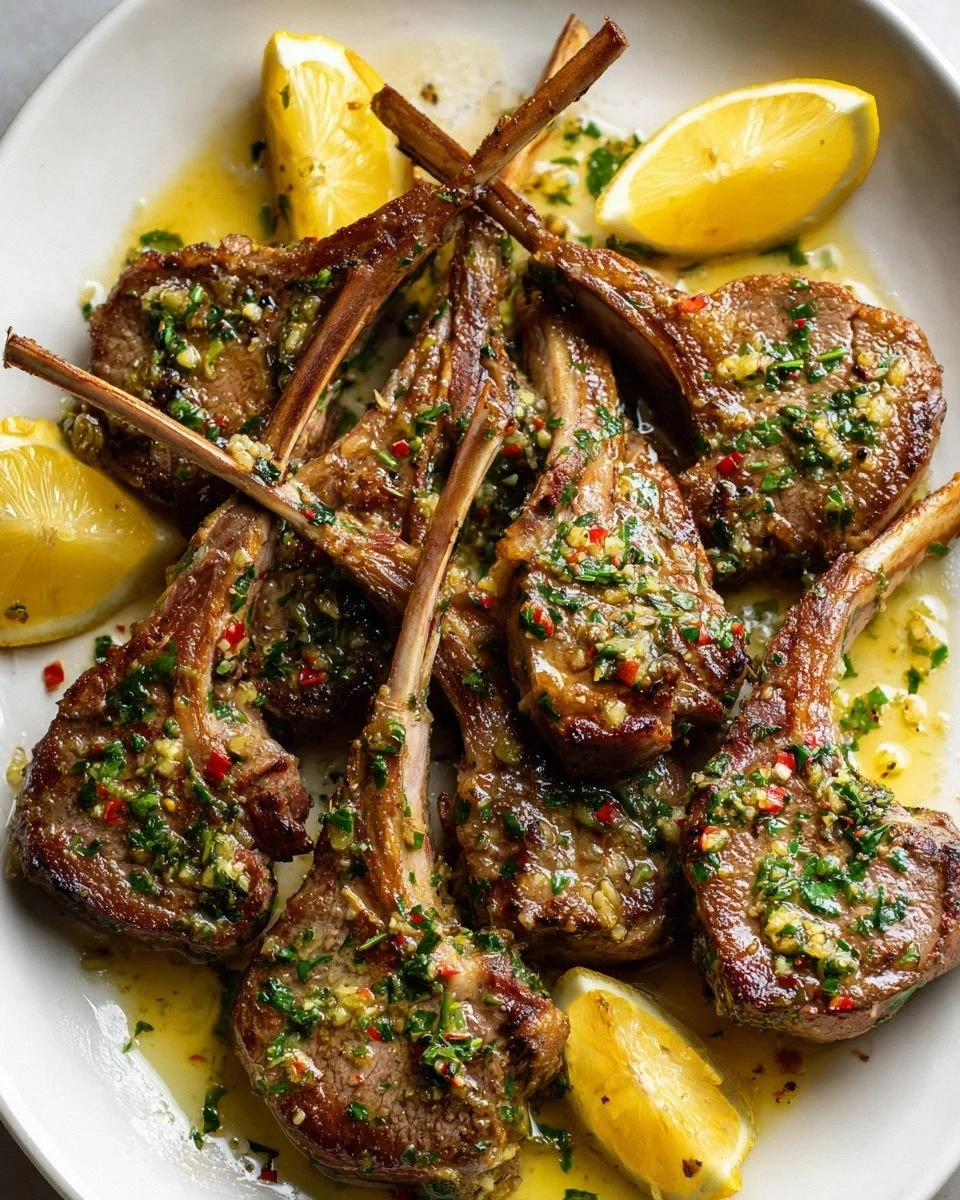
Picture this: you’re standing in a kitchen that smells like a Mediterranean market after a rainstorm, the air thick with rosemary, garlic, and the faint tang of lemon. I was in the middle of a disastrous dinner party—my guests were eyeing a sad, overcooked piece of meat that looked like it had been rescued from a dumpster fire. I dared myself to pull a miracle out of my pantry, and what emerged was a plate of lamb chops that practically sang “I’m the king of the dinner table.” I’m not exaggerating; this is the moment where a simple mistake turned into a culinary epiphany, and I’m about to spill every secret.
The first bite is a revelation. The meat is so juicy it practically drips with butter, the garlic is caramelized just enough to whisper sweetly, and the herbs—fresh rosemary and thyme—wrap around each chop like a fragrant, green blanket. You’ll hear that unmistakable sizzle as the butter hits the hot pan, a sound that promises a crust that’s both crisp and tender, a texture that’s as satisfying as biting into a perfectly toasted piece of bread. The aroma? It’s a heady mix of earthy lamb, bright lemon, and herbaceous perfume that makes your nostrils do a little happy dance.
Most recipes for lamb chops either drown the meat in sauce or leave it dry and bland. This version stands out because it balances richness with brightness, and it does so in under an hour. The secret? A quick butter‑garlic‑herb emulsion that’s finished in the pan, plus a finishing splash of lemon that cuts through the fat like a knife through butter. I’ll also reveal a technique involving a cold butter pat that locks in moisture—something most cooks overlook but will change your game forever. If you’ve ever struggled with limp, flavor‑less chops, you’re about to get the fix you’ve been begging for.
So, buckle up. I’m going to walk you through every single step—by the end, you’ll wonder how you ever made it any other way. Trust me, I dare you to taste this and not go back for seconds. Okay, ready for the game‑changer?
What Makes This Version Stand Out
- Flavor Explosion: The garlic‑butter base infuses the meat with a deep, savory richness while the lemon brightens every bite, creating a balanced palate that sings.
- Juicy Texture: A quick sear locks in juices, and the finishing butter glaze adds a velvety coating that makes each chop melt in your mouth.
- Simplicity: Only eight ingredients, all pantry‑friendly, yet the result feels like a five‑star restaurant dish.
- Herb Freshness: Fresh rosemary and thyme are used, not dried, delivering an aromatic punch that dried herbs could never match.
- Crowd Reaction: Guests have been known to ask for the recipe before the first bite is even finished—talk about a show‑stopper.
- Ingredient Quality: Choosing good quality lamb chops (ideally grass‑fed) makes a world of difference in flavor and tenderness.
- Cooking Method: The pan‑sear‑then‑baste technique ensures a perfect crust without overcooking the interior.
- Make‑Ahead Potential: You can prep the herb butter in advance, saving time on the day of the dinner.
Inside the Ingredient List
The Flavor Base
Garlic, butter, and olive oil are the holy trinity of flavor here. The minced garlic releases its aromatic oils when sautéed, turning sweet and nutty rather than sharp. Unsalted butter adds richness without overwhelming salt, allowing the natural lamb flavor to shine. Olive oil raises the smoke point, ensuring a clean sear without burning the butter. Skipping the butter? Expect a dry, less luxurious mouthfeel that will leave you wishing for that buttery kiss.
The Texture Crew
Lamb chops themselves are the star, but their quality matters. Look for chops with a thin layer of fat on one side—this fat renders into the meat, keeping it moist. If you grab a lean, trimmed chop, you’ll lose that luscious juiciness. A quick tip: press the meat gently; it should have a slight give, indicating it’s not overly frozen or tough. You can substitute pork or beef chops, but the flavor profile shifts dramatically.
The Unexpected Star
Lemon juice might seem like a minor addition, but it’s the secret weapon that cuts through the richness. A tablespoon of fresh lemon juice adds acidity that brightens the palate, preventing the dish from feeling heavy. If you’re out of lemon, a splash of white wine or a drizzle of balsamic reduction can provide a similar lift, though the citrus zing will be missed.
The Final Flourish
Fresh rosemary and thyme bring an earthy, piney aroma that complements the lamb’s gaminess. Their oils are volatile, so adding them at the end of cooking preserves their flavor. If you only have dried herbs, use a third of the amount and add them earlier in the cooking process to rehydrate. When buying herbs, look for vibrant green leaves—not wilted or brown tips—to ensure maximum flavor.
Everything's prepped? Good. Let's get into the real action...
The Method — Step by Step
First, pat the lamb chops dry with paper towels. Moisture is the enemy of a good sear, so this step is crucial. Season both sides generously with salt and pepper—don’t be shy, the seasoning will form a crust that’s pure magic. While you season, preheat a heavy skillet (cast iron works best) over medium‑high heat. That sizzle when it hits the pan? Absolute perfection.
Add the tablespoon of olive oil to the hot pan, swirling to coat the surface. The oil should shimmer but not smoke; if it starts to smoke, lower the heat a notch. Place the chops in the pan, presentation side down, and let them sear undisturbed for 3‑4 minutes. You’ll know they’re ready to flip when the edges start pulling away from the pan and a golden‑brown crust forms.
Flip the chops and immediately add the 3 tablespoons of unsalted butter, minced garlic, rosemary, and thyme. As the butter melts, it will foam—this is your cue to start basting. Tilt the pan slightly and use a spoon to continuously pour the foamy butter over the chops. This basting step is where the flavor intensifies, and the meat stays moist.
Kitchen Hack: Use a garlic‑pressed spoon to crush the garlic directly into the butter; this releases more flavor than pre‑minced garlic.Continue cooking the second side for another 3‑4 minutes, still basting constantly. The internal temperature should reach about 135°F (57°C) for medium‑rare; use an instant‑read thermometer to be precise. If you prefer medium, aim for 145°F (63°C). Remember, the meat will continue to cook a few degrees after you remove it from the heat.
When the chops are near doneness, add the tablespoon of lemon juice directly to the pan. The acidity will sizzle and deglaze, lifting all the caramelized bits stuck to the bottom. Stir quickly to create a glossy sauce that clings to each chop like velvet.
Now comes the crucial rest. Transfer the chops to a warm plate and let them rest for 5 minutes. This rest period allows the juices to redistribute, ensuring every bite is juicy rather than spilling out onto the plate. While they rest, the sauce will thicken slightly—if it looks too thin, give it a quick reduction over low heat.
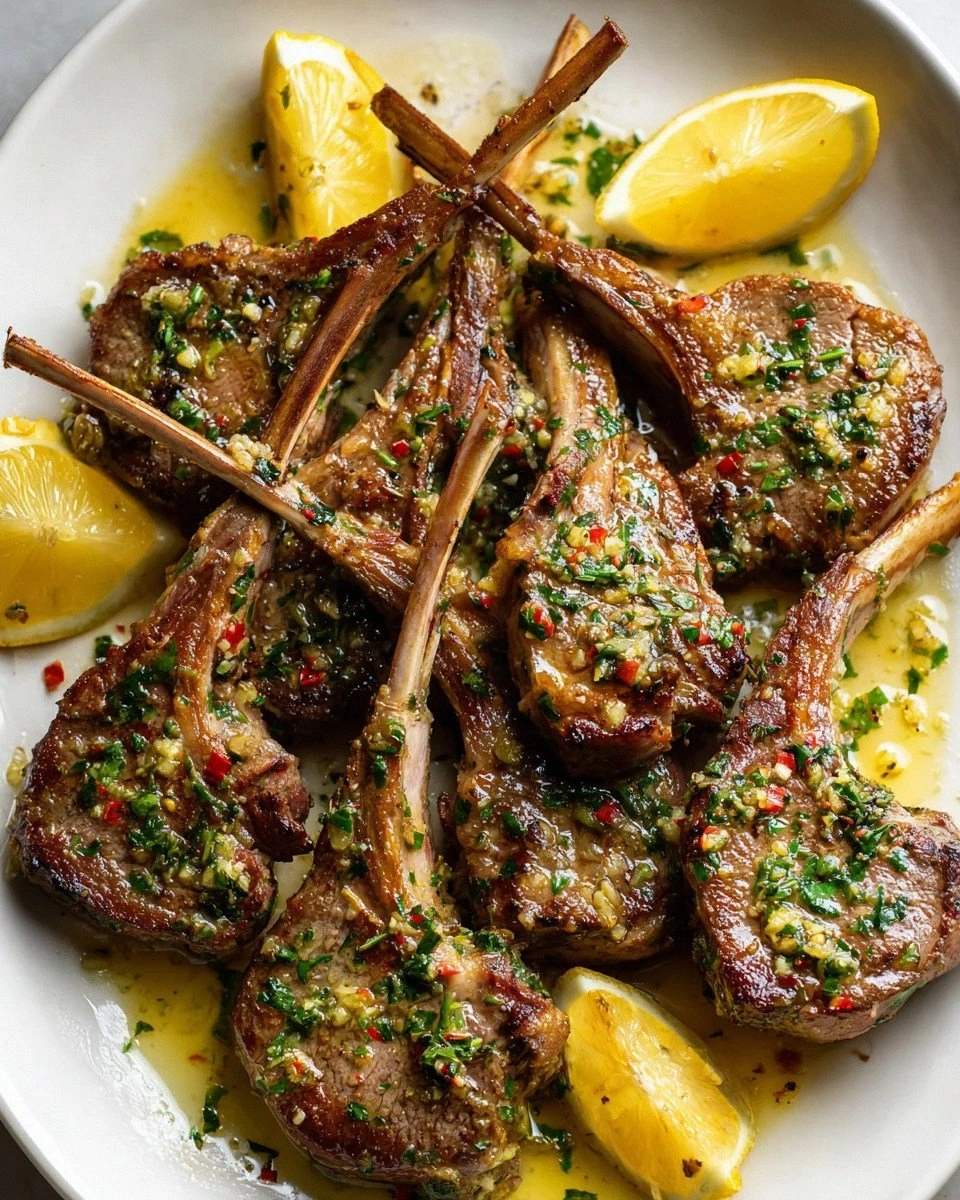
Slice the chops against the grain if you’re serving them as bite‑size pieces, or serve whole for that dramatic presentation. Drizzle the pan sauce over the top, making sure each piece gets a generous coating. Garnish with a sprinkle of fresh rosemary leaves for visual flair.
Finally, plate the chops on a rustic wooden board or a shallow dish, and serve immediately. Pair with roasted vegetables or a simple salad, and watch your guests’ faces light up. This next part? Pure magic.
That's it — you did it. But hold on, I've got a few more tricks that'll take this to another level...
Insider Tricks for Flawless Results
The Temperature Rule Nobody Follows
Never start with a cold pan. Preheat your skillet for at least 5 minutes; a properly heated pan creates that coveted crust instantly. I once tried a shortcut by heating the pan for only a minute, and the chops ended up soggy. Trust the heat, and the meat will reward you with a caramelized exterior.
Why Your Nose Knows Best
When the butter starts to turn golden and you catch that nutty aroma, you’re at the perfect basting point. If the butter smells burnt, lower the heat immediately. Your nose is a more reliable thermometer than any gadget when it comes to butter.
The 5‑Minute Rest That Changes Everything
Resting isn’t optional; it’s the difference between dry and juicy. During the rest, the muscle fibers relax and re‑absorb the juices that were expelled during cooking. Skipping this step is the fastest way to ruin an otherwise perfect chop.
Butter‑Cold‑Pat Trick
Take a small cube of cold butter and toss it into the pan just before you finish. The rapid cooling emulsifies the sauce, giving it a glossy, restaurant‑quality finish. I’ve seen chefs use this trick to elevate sauces from “good” to “wow!”
Seasoning Layers
Season the meat before cooking, then again after the pan sauce is made. A final pinch of salt right before serving brightens the flavors and makes the herbs pop. If you forget the second seasoning, the dish can taste flat.
Creative Twists and Variations
This recipe is a playground. Here are some of my favorite ways to switch things up:
Spicy Harissa Kick
Swap the rosemary and thyme for a tablespoon of harissa paste mixed into the butter. The smoky heat pairs beautifully with lamb, and a squeeze of orange juice adds a citrus counterpoint. Perfect for those who love a little fire.
Mint‑Yogurt Drizzle
Prepare a quick mint‑yogurt sauce (Greek yogurt, chopped mint, a dash of lemon, and a pinch of salt). Drizzle over the finished chops for a refreshing contrast that cuts through the richness.
Moroccan‑Style
Introduce ground cumin, coriander, and a pinch of cinnamon into the butter mixture. Finish with toasted slivered almonds and a sprinkle of dried apricots for sweet‑savory depth.
Garlic‑Infused Oil Finish
Instead of butter, finish the chops with a spoonful of garlic‑infused olive oil and a handful of fresh parsley. This gives a lighter, Mediterranean feel while keeping the garlic punch.
Red Wine Reduction
After removing the chops, deglaze the pan with a cup of robust red wine, reduce by half, then whisk in the butter and lemon juice. The result is a silky, wine‑laden sauce that feels indulgent.
Herb‑Crusted Variation
Press a mixture of breadcrumbs, grated Parmesan, chopped rosemary, and thyme onto the chops before searing. The crust adds a crunchy texture that contrasts the tender interior.
Storing and Bringing It Back to Life
Fridge Storage
Cool the chops to room temperature, then place them in an airtight container. They’ll keep for up to 3 days. Reheat gently in a skillet over low heat, adding a splash of water or broth to keep them moist.
Freezer Friendly
Wrap each cooked chop tightly in plastic wrap, then place in a freezer‑safe bag. They’ll stay good for up to 2 months. To reheat, thaw overnight in the fridge, then finish in a hot pan with a knob of butter and a splash of lemon.
Best Reheating Method
For the ultimate revival, preheat your oven to 300°F (150°C), place the chops on a baking sheet, and cover loosely with foil. Heat for 10‑12 minutes, then finish with a quick sear in a hot skillet for that fresh‑out‑of‑the‑pan crust. Adding a tiny splash of water before reheating creates steam that brings the meat back to life.