I was standing in my kitchen, staring at a half‑empty pizza box and a pile of lettuce that had seen better days, when a friend dared me to make a pizza that wouldn't make my waistband weep. I grabbed a skillet, tossed a handful of shredded mozzarella into the air, and before I knew it I was spiraling into a low‑carb experiment that felt more like a science project than dinner. The smell of garlic‑infused olive oil hit the air like a love‑letter to Italy, while the sizzle of the veggies hitting the pan sounded like applause for a performance that was just getting started. That moment, right there, I realized I could create a pizza bowl that kept all the cheesy, saucy joy but dumped the carb‑laden crust into oblivion. This version doesn’t just whisper “healthy”; it shouts “guilt‑free pizza bliss” from the rooftops, and I’m here to prove it.
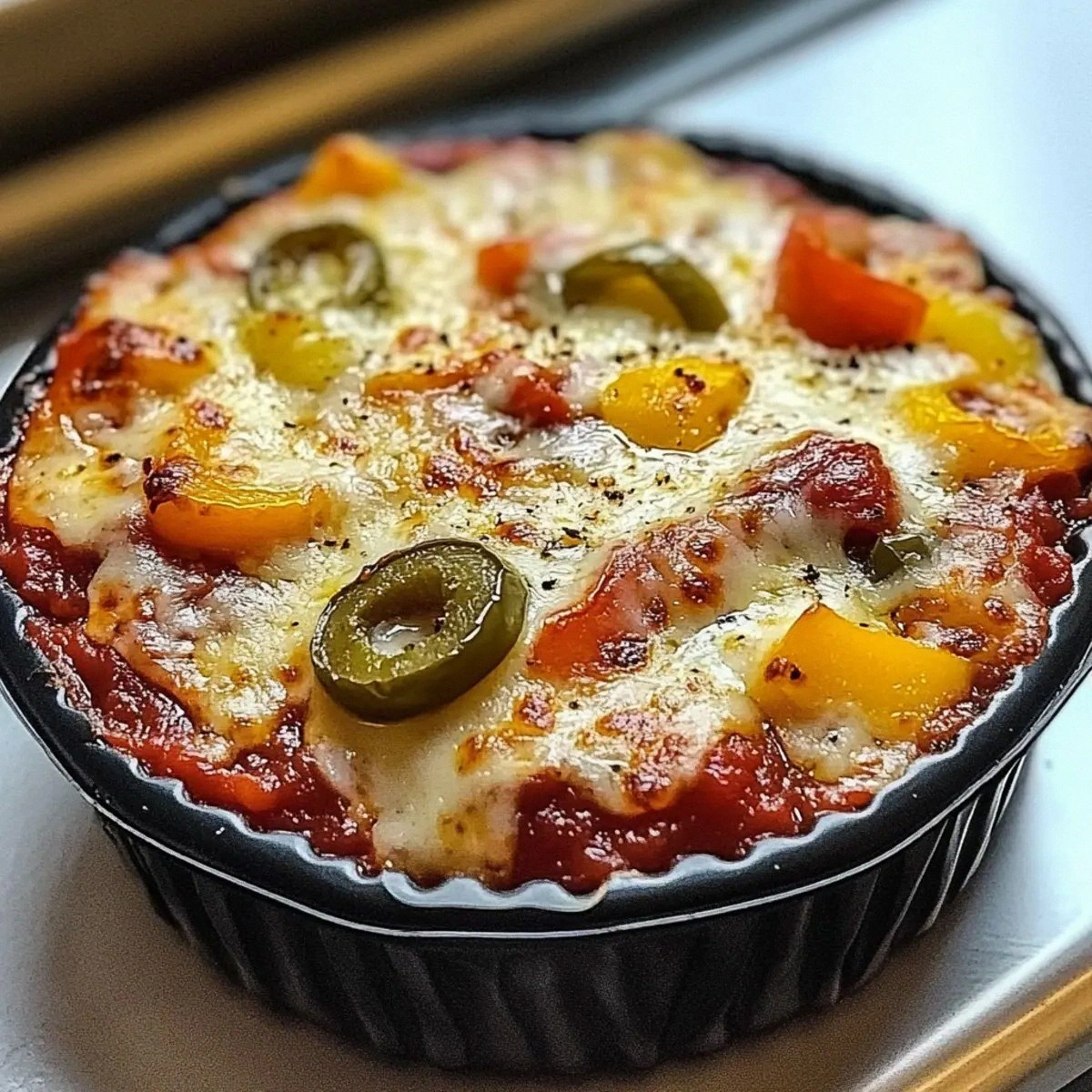
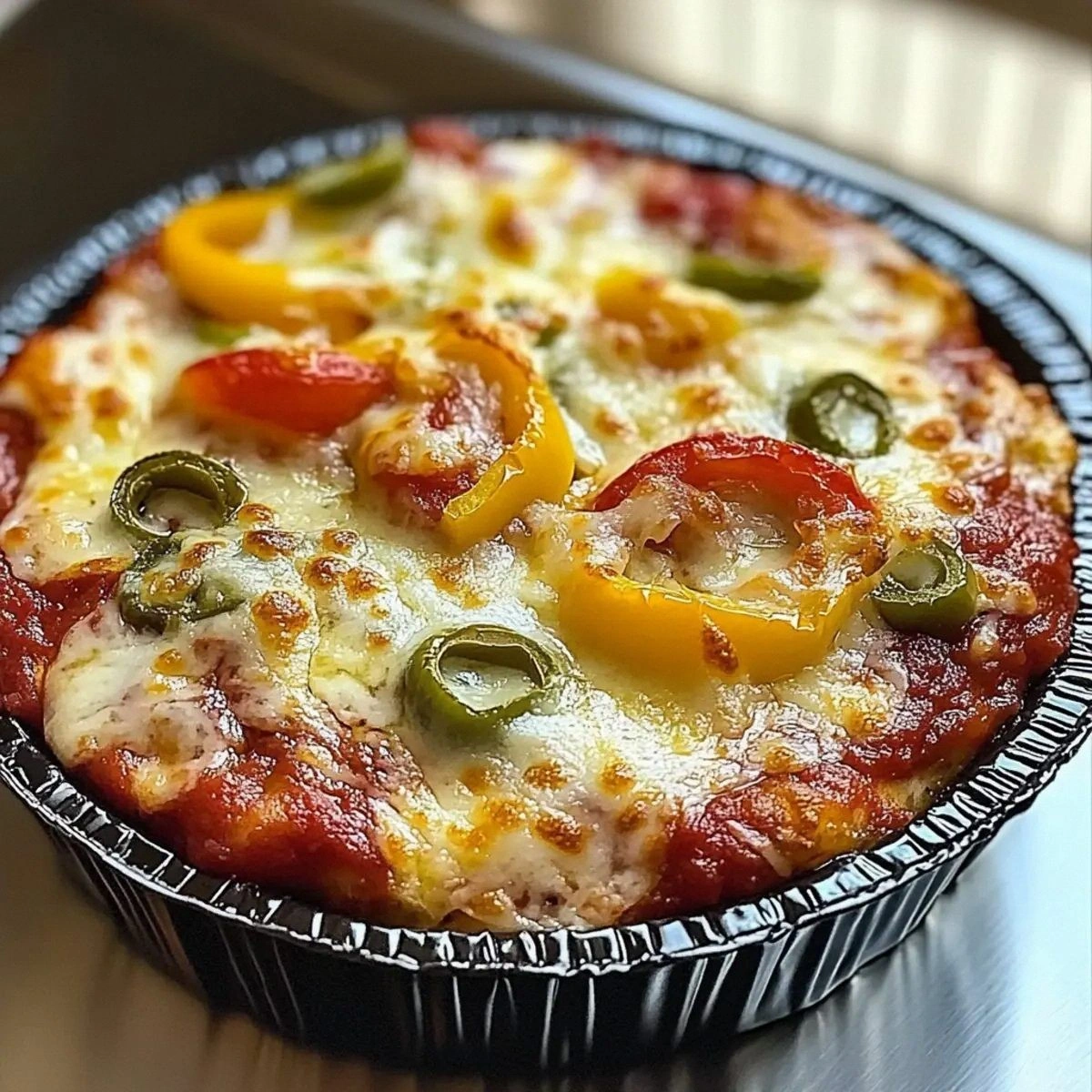
Picture this: a steaming bowl of molten mozzarella, bright red marinara hugging every bite, and a rainbow of crisp bell peppers and onions that snap like fresh fireworks. The aroma? Imagine a pizzeria on a breezy summer night, but without the greasy aftertaste—just pure, bright herbs and a hint of toasted olive oil that makes your nostrils do a happy dance. When you dig in, the sauce coats the cauliflower‑like cauliflower rice (our secret low‑carb base) with the silkiness of a velvet curtain, while the cheese stretches like a lazy cat waking up from a nap. The texture is a delightful paradox: creamy, crunchy, and everything in between, making each spoonful a surprise you’ll want to chase down with a second helping.
Most low‑carb pizza recipes get this completely wrong—they either sacrifice flavor for texture or end up with a soggy mess that looks more like a casserole than a pizza. Here’s what actually works: a quick sauté that caramelizes the veggies just enough to bring out their natural sweetness, a splash of high‑quality olive oil that locks in moisture, and a strategic layering of cheeses that creates that signature golden‑brown crust without any dough. I’ll be honest — I ate half the batch before anyone else got a chance to try it, and that’s because the flavor hits you like a high‑five from a long‑lost friend. I dare you to taste this and not go back for seconds; the cravings will be relentless, and that’s exactly the point.
Let me walk you through every single step — by the end, you’ll wonder how you ever made pizza any other way. Okay, ready for the game‑changer? This next part? Pure magic. Stay with me here — this is worth it.
What Makes This Version Stand Out
- Taste: The marriage of tangy marinara and buttery mozzarella creates a flavor profile that rivals any traditional slice, while the fresh basil adds a garden‑kissed finish.
- Texture: A crisp‑tender veggie base paired with a melt‑in‑your‑mouth cheese layer gives you that satisfying bite you crave from a classic pizza crust.
- Simplicity: Fewer than ten ingredients, a single pan, and a 30‑minute cook time make this dish perfect for busy weeknights.
- Uniqueness: By ditching the carb‑heavy dough, the bowl highlights the true stars—sauce, cheese, and fresh toppings—without any filler.
- Crowd Reaction: Even the most skeptical carb‑counting friends admit it’s “the best pizza they’ve ever had without the crust.”
- Ingredient Quality: Using a high‑quality marinara and real mozzarella makes a world of difference; you’ll taste the love in every spoonful.
- Cooking Method: The skillet‑sear technique creates those coveted golden edges that shatter like thin ice when you dig in.
- Make‑Ahead Potential: Prep the veggies and sauce ahead of time, and you have a dinner solution ready in under 15 minutes on a hectic night.
Alright, let's break down exactly what goes into this masterpiece...
Inside the Ingredient List
The Flavor Base
Marinara Sauce is the heart‑beat of this bowl, delivering that classic tomato tang that makes pizza instantly recognizable. We use a cup of sauce because it provides enough liquid to coat every bite without drowning the veggies. If you skip the sauce, you’ll end up with a dry, bland mess that feels more like a wilted salad than a pizza. For a deeper flavor, choose a sauce that’s been simmered with garlic, oregano, and a splash of red wine—this adds layers of complexity that will make your taste buds sing. Pro tip: a good quality canned San Marzano tomato sauce can elevate the entire dish.
The Texture Crew
Mozzarella Cheese, a full cup, is the stretchy, melty hero that pulls everything together. Its mild flavor lets the marinara shine, while the fat content ensures a glossy, golden finish when baked. If you opt for part‑skim, you’ll lose that luxurious mouthfeel and might end up with a rubbery texture. Parmesan Cheese, at a quarter cup, adds a sharp, nutty edge that cuts through the richness of the mozzarella, preventing the bowl from feeling one‑dimensional. Grated fresh Parmesan is best; it melts quickly and distributes evenly, whereas pre‑grated can have anti‑caking agents that affect texture.
The Unexpected Star
Protein, whether you choose chicken, pepperoni, or even plant‑based alternatives, adds the hearty bite that makes this bowl feel like a full meal. A cup of protein ensures each spoonful has enough substance to keep you satisfied, while also contributing essential amino acids for muscle repair. Skipping protein turns the dish into a side rather than a main, which defeats the purpose of a bowl that’s meant to replace a traditional pizza slice. If you’re using chicken, dice it small and sear it first so it develops a caramelized crust that adds depth. For pepperoni, a quick pan‑fry releases its oils, enriching the sauce with a smoky undertone.
The Final Flourish
Vegetables—bell peppers, onions, and any other colorful veggies you love—bring crunch, sweetness, and a pop of color that makes the bowl visually appealing. A cup of mixed veggies balances the richness of cheese and sauce, providing a fresh counterpoint that keeps the dish from feeling heavy. If you skip them, you lose the textural contrast that makes each bite exciting. Feel free to add mushrooms, zucchini, or even spinach; just remember to sauté them briefly so they release excess moisture. Fresh Basil, a tablespoon, finishes the bowl with an herbaceous aroma that lifts the entire flavor profile, while a tablespoon of olive oil adds silkiness and helps the veggies brown evenly.
Everything's prepped? Good. Let's get into the real action...
The Method — Step by Step
Heat a large cast‑iron skillet over medium‑high heat and drizzle the tablespoon of olive oil, letting it shimmer like a tiny lake at sunrise. When the oil is hot enough to ripple, add the diced protein (chicken or pepperoni) and let it sizzle for 3‑4 minutes, turning occasionally until it develops a golden crust. This is the moment of truth: you want those caramelized bits because they’ll infuse the entire bowl with savory depth. If you hear a gentle pop, you’re doing it right; if it’s a loud hiss, lower the heat a notch.
Kitchen Hack: Pat the protein dry with paper towels before it hits the pan; excess moisture prevents browning.Push the protein to one side of the skillet and add the mixed vegetables, spreading them in an even layer. Sprinkle a pinch of Italian seasoning over the veggies; the herbs will release their oils and mingle with the protein’s juices. Sauté for about 5 minutes, stirring occasionally, until the peppers are tender‑crisp and the onions turn translucent. The scent at this stage should be sweet, earthy, and slightly caramelized—if it smells raw, give it a couple more minutes.
Once the veggies are ready, pour in the cup of marinara sauce, swirling the skillet to coat every ingredient. Reduce the heat to low and let the sauce simmer gently for 3 minutes, allowing the flavors to meld. You’ll notice the sauce thickening slightly and clinging to the veggies like a rich, ruby‑red blanket. Taste a spoonful; if it needs a little extra kick, add a pinch more Italian seasoning.
Now comes the cheese showdown: sprinkle the whole cup of mozzarella evenly over the sauce, followed by the quarter‑cup of Parmesan. Cover the skillet with a lid or a sheet of aluminum foil and let the cheese melt for 4‑5 minutes. You’ll see the mozzarella turn into a glossy, bubbling pool that pulls away in stretchy ribbons—pure pizza bliss.
While the cheese melts, preheat your oven’s broiler to high. Once the cheese is fully melted, remove the lid and slide the skillet under the broiler for 1‑2 minutes, just until the top turns a beautiful golden‑brown. Keep a close eye on it; the cheese can go from perfect to burnt in seconds. That sizzle when it hits the pan? Absolute perfection.
Remove the skillet from the oven (use oven mitts—this thing is hotter than a summer sidewalk). Sprinkle the tablespoon of freshly chopped basil over the top, allowing the herb’s bright aroma to rise instantly. Give the bowl a gentle stir to distribute the basil without breaking the cheese’s glorious stretch.
Let the bowl rest for 2‑3 minutes; this short pause lets the sauce settle and the cheese firm up just enough to hold its shape when you scoop. During this time, the flavors continue to marry, creating a harmonious blend that’s ready to wow your palate.
Serve the Low Carb Crustless Pizza Bowl straight from the skillet or transfer to a wide‑bowl for a more polished presentation. Pair with a crisp green salad or a glass of chilled rosé, and watch as your guests marvel at the fact that there’s no crust—yet it still feels like a true pizza experience. And now the fun part: dig in and let the flavors do the talking.
That's it — you did it. But hold on, I've got a few more tricks that'll take this to another level...
Insider Tricks for Flawless Results
The Temperature Rule Nobody Follows
Never start with a cold pan; always preheat for at least 2 minutes to ensure an even sear. A properly heated surface creates that coveted crust‑like edge on the protein and veggies, giving you texture without the actual crust. I once tried to save time by tossing everything into a cold skillet, and the result was a soggy, limp bowl that tasted like a sad sauce. Trust the heat, and you’ll get that restaurant‑quality bite every time.
Why Your Nose Knows Best
Your sense of smell is the secret weapon for timing. When the onions start to turn translucent and release a sweet aroma, you know they're ready. When the cheese begins to bubble and you can smell that buttery, toasted note, the broiler step is imminent. If you rely solely on a timer, you’ll miss those subtle cues that separate “good” from “great.”
The 5‑Minute Rest That Changes Everything
Allowing the bowl to rest for a few minutes after baking lets the sauce thicken and the cheese set, preventing it from sliding off the spoon. This short pause also gives the basil time to release its essential oils, infusing the whole dish with a fresh, herbaceous finish. A friend once skipped this rest and ended up with a sauce‑splash disaster—trust me, the mess isn’t worth the speed.
Seasoning Layering Mastery
Season at two points: first with the vegetables, then again after the sauce is added. This double‑layering builds depth, so every bite has a balanced herb profile. Skipping the second seasoning leaves the sauce tasting flat, which is a common pitfall in quick recipes.
The “Cheese Shield” Technique
When you add mozzarella, spread it in a thin, even layer rather than piling it high. This creates a protective “shield” that keeps the sauce from soaking into the veggies, preserving that perfect sauce‑to‑cheese ratio. Overloading the cheese can make the bowl greasy and heavy, defeating the low‑carb goal.
Creative Twists and Variations
This recipe is a playground. Here are some of my favorite ways to switch things up:
Mediterranean Magic
Swap the pepperoni for kalamata olives and add artichoke hearts. The briny olives and tangy artichokes bring a sun‑kissed vibe that pairs beautifully with the basil. Perfect for anyone who loves a Greek‑inspired twist.
Spicy Southwest
Use chorizo or spicy Italian sausage, add roasted corn kernels, and finish with a drizzle of chipotle aioli. The smoky heat and sweet corn create a bold flavor combo that will have you reaching for more.
Veggie‑Only Delight
Omit all animal protein and double the vegetables—think zucchini ribbons, sliced mushrooms, and roasted cherry tomatoes. Add a sprinkle of nutritional yeast for a cheesy note without dairy. This version is perfect for vegetarians or anyone looking to boost their veggie intake.
Cheesy Goat’s Dream
Replace half the mozzarella with crumbled goat cheese and add a spoonful of pesto. The tangy goat cheese adds a creamy bite, while the pesto introduces a nutty, herbaceous layer that feels luxurious.
Breakfast Remix
Top the bowl with a fried egg and a dash of hot sauce. The runny yolk becomes a silky sauce that mingles with the marinara, turning lunch into a brunch‑worthy masterpiece.
Storing and Bringing It Back to Life
Fridge Storage
Let the bowl cool to room temperature, then transfer to an airtight container. It will keep fresh for up to 3 days. When reheating, add a tiny splash of water (about a tablespoon) to the container before microwaving; this creates steam that revives the sauce’s silky texture.
Freezer Friendly
Portion the cooled bowl into freezer‑safe bags, removing as much air as possible. Freeze for up to 2 months. To reheat, thaw overnight in the fridge, then warm in a skillet over medium heat, adding a drizzle of olive oil to prevent sticking.
Best Reheating Method
For the crispiest finish, reheat in a preheated oven at 350°F (175°C) for 10‑12 minutes, uncovered. This restores the golden cheese top and gives the veggies a fresh‑tossed feel. Microwaving works in a pinch, but you’ll lose the delightful crust‑like edges.