I was in the middle of a Monday night that felt like it was auditioning for a culinary disaster movie. My pantry was looking at me with the desperation of a sitcom character who just realized they have nothing but wilted kale and a lone chicken breast. I tossed a pan onto the stove, cranked up the heat, and whispered a dare to the universe: “I bet you can’t turn this sad bowl into something unforgettable.” Within minutes, the kitchen erupted with the crackle of sautéed garlic, the seductive hum of a sun‑dried tomato sauce thickening, and the bold perfume of lemon dancing with smoked paprika. That moment? Pure alchemy.
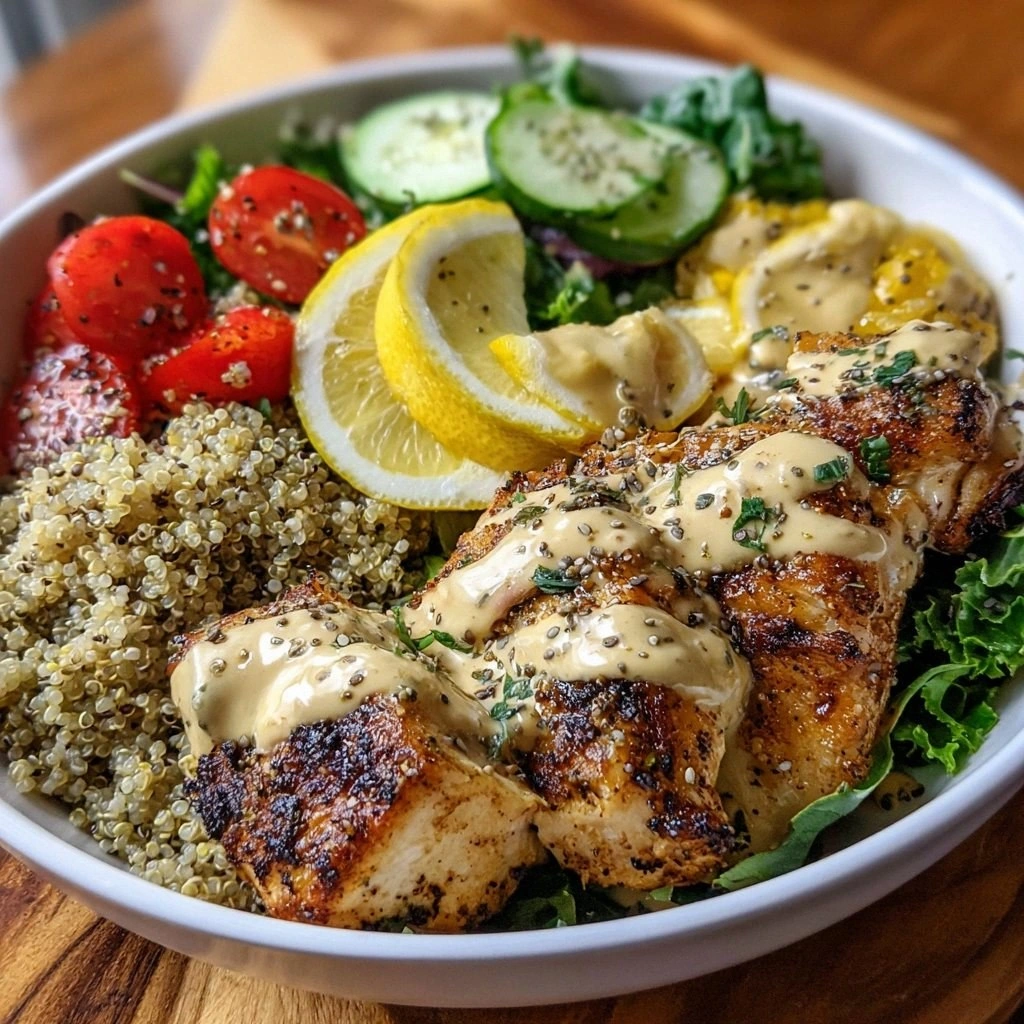
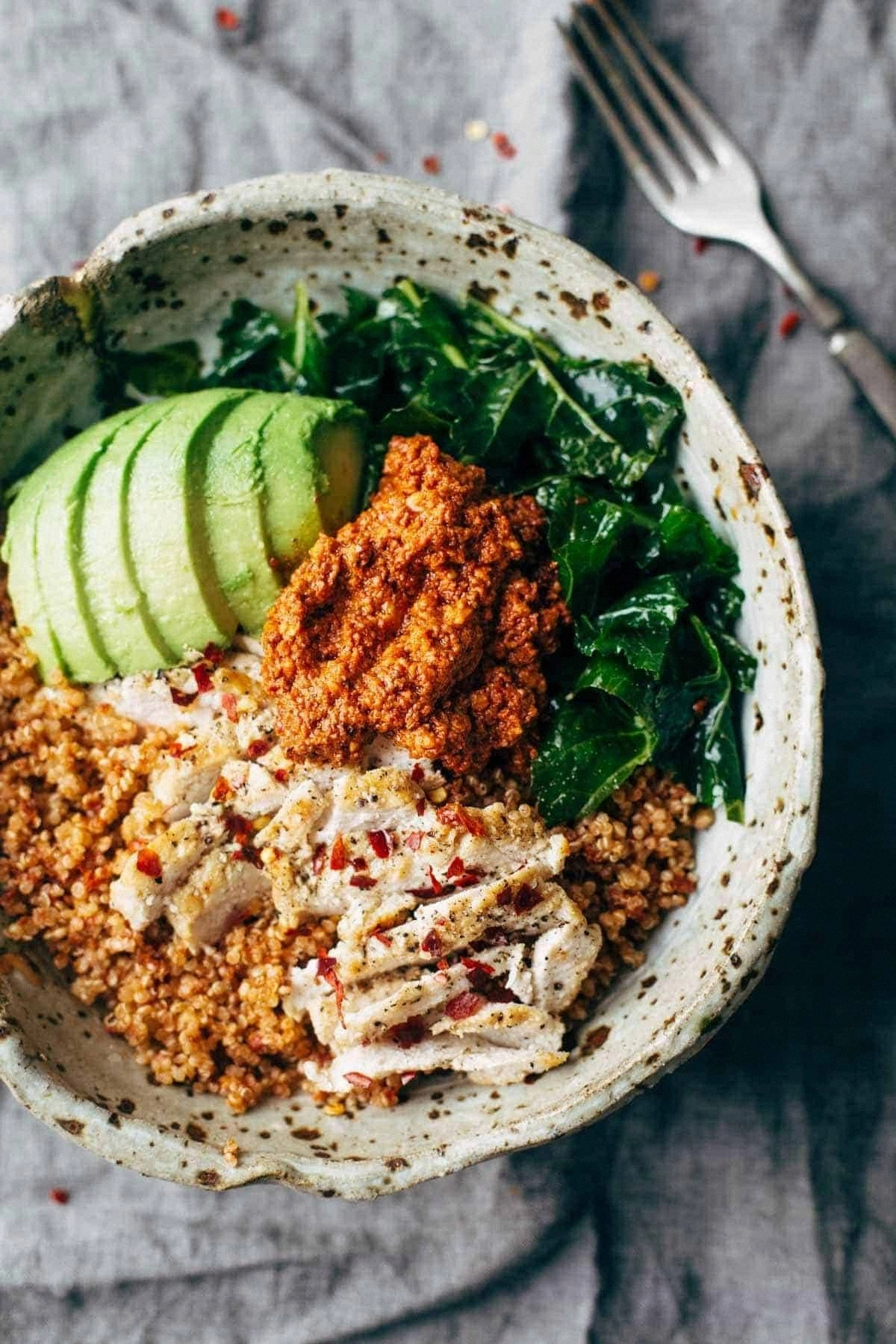
Picture this: the kale leaves, once limp and bitter, now glistening under a tangy, umami‑rich glaze that clings to each frond like a glossy dress at a gala. The chicken pieces are golden‑brown on the outside, tender and juicy inside, soaking up every note of the sauce while still holding their own swagger. The whole bowl is studded with crunchy pine nuts and a dusting of Parmesan that melts into a velvety finish, making each forkful feel like a high‑five from a flavor‑packed orchestra. When I tasted it, I was literally shouting, “I dare you to taste this and not go back for seconds!”
Most kale‑and‑chicken recipes out there are like a bland lecture—informative but snooze‑inducing. They either drown the greens in a watery dressing or overcook the chicken until it’s as dry as a desert road. This version flips that script completely. By marinating the kale first, we give it a head start on flavor, letting the leaves drink in a bright lemon‑garlic mixture that softens the bitterness. Then we sear the chicken at a temperature that creates caramelized edges that shatter like thin ice, locking in moisture. The sun‑dried tomato sauce isn’t just a topping; it’s a thick, ruby‑red velvet that ties the whole bowl together, turning the ordinary into a masterpiece.
But here’s the kicker: I’m sneaking in a secret weapon—a quick‑pickled red onion that adds a zingy crunch you never expected in a bowl this hearty. Trust me, this surprise element is the game‑changer that will have you bragging to anyone who asks for the recipe. Okay, ready for the game‑changer? Let me walk you through every single step — by the end, you’ll wonder how you ever made it any other way.
What Makes This Version Stand Out
- Flavor Fusion: The marriage of bright lemon, smoky paprika, and sun‑dried tomato sauce creates a layered taste profile that evolves with every bite, making the bowl feel dynamic rather than static.
- Texture Symphony: From the crisped pine nuts to the tender chicken and the slight bite of kale, each component plays its own rhythm, delivering a satisfying crunch‑soft‑juicy trio.
- Simplicity Wins: Despite its gourmet vibe, the ingredient list is straightforward, and the techniques rely on everyday kitchen tools—no fancy gadgets required.
- Unique Twist: The quick‑pickled red onion adds an unexpected pop of acidity that elevates the entire dish, a trick most recipes completely miss.
- Crowd Magnet: Serve it at dinner parties and watch guests hover over the bowl, whispering “What’s the secret?”—the perfect conversation starter.
- Ingredient Quality: Using fresh, massaged kale and high‑quality sun‑dried tomato sauce ensures the dish isn’t just tasty, it’s also nutrient‑dense and visually stunning.
- One‑Pan Wonder: The entire cooking process can be completed using just a skillet and a bowl, minimizing cleanup and maximizing flavor.
- Make‑Ahead Magic: Marinate the kale and sear the chicken a day ahead, then assemble quickly for a grab‑and‑go lunch that tastes fresh.
Inside the Ingredient List
The Flavor Base
First up, the lemon juice. Its acidity cuts through the earthiness of kale and balances the richness of the sun‑dried tomato sauce. If you skip it, the bowl feels heavy and flat, like a story without a punchline. A good rule of thumb: always use freshly squeezed lemon—bottled juice just can’t compete on brightness.
Garlic, minced finely, is the aromatic glue holding everything together. When you let it sizzle in olive oil just long enough to become fragrant (but not brown), you unleash a mellow sweetness that underpins the dish. Miss this step, and you’ll get a raw, sharp bite that overpowers the kale.
The Texture Crew
Pine nuts, lightly toasted, bring a buttery crunch that juxtaposes the soft kale. Their delicate flavor is easy to miss, so toasting them on medium heat for 2‑3 minutes until they turn golden makes all the difference. If you’re allergic or avoiding nuts, swap with roasted pumpkin seeds for an equally satisfying snap.
Quinoa serves as the neutral canvas that soaks up sauce without getting mushy. It adds a subtle nuttiness and a protein boost that complements the chicken. For a gluten‑free crowd, rice or farro work just as well—but remember the cooking time will differ.
The Unexpected Star
Sun‑dried tomato sauce is the secret weapon that turns this bowl from “healthy” to “wow‑factor.” It’s concentrated, sweet, and slightly tangy, mimicking a tomato‑based demi‑glace without the need for hours of reduction. If you can’t find it pre‑made, blend sun‑dried tomatoes, olive oil, a splash of broth, and a pinch of sugar.
Quick‑pickled red onion is the oddball hero. Thinly sliced and soaked in equal parts vinegar, water, sugar, and salt for just 10 minutes, it adds a vivacious bite that clears the palate between spoonfuls. Skip this, and the bowl risks feeling one‑dimensional.
The Final Flourish
Parmesan cheese, grated just before serving, melts into the warm sauce, creating a silky veil that ties every element together. Its salty, umami depth is what makes the bowl feel restaurant‑grade. If you’re avoiding dairy, a sprinkle of nutritional yeast will give a similar cheesy note.
Olive oil, the silent workhorse, coats the chicken and kale, ensuring they don’t stick while also contributing a fruit‑forward richness. Use a robust extra‑virgin variety for an added flavor layer; budget oils will still work but won’t bring that subtle peppery finish.
Everything's prepped? Good. Let's get into the real action...
The Method — Step by Step
Start by washing 2 cups of kale thoroughly, removing any tough stems. Roughly chop the leaves into bite‑size pieces. Transfer them to a large bowl, drizzle with 1 tbsp lemon juice, 1 tbsp olive oil, and the minced garlic. Massage the kale for about 2 minutes—yes, really do that—until it darkens and becomes glossy. This is the moment the kale begins to soften and absorb flavor.
While the kale is marinating, cut 1 pound of boneless, skinless chicken breasts into 1‑inch cubes. Season the pieces with 1 tsp smoked paprika, ½ tsp salt, and ¼ tsp black pepper. Let them sit for 5 minutes; this brief rest allows the spices to permeate the meat.
Heat a large skillet over medium‑high heat and add 2 tbsp olive oil. Once the oil shimmers, add the chicken cubes in a single layer. That sizzle when it hits the pan? Absolute perfection. Cook undisturbed for 3‑4 minutes until the bottom side caramelizes and releases a golden crust. Then flip and cook another 3 minutes until the interior reaches 165°F (74°C). Remove the chicken to a plate and set aside.
In the same skillet, lower the heat to medium and pour in ¼ cup sun‑dried tomato sauce. Stir, scraping up any browned bits—those are flavor gems. Let the sauce simmer for 2 minutes, then add a splash of water (about 2 tbsp) to loosen it just enough to coat the kale without turning it soupy.
Return the marinated kale to the skillet, tossing it gently until every frond is drenched in the ruby sauce. Cook for another 2‑3 minutes; you’ll notice the kale wilting just enough to stay tender but still retaining a slight bite.
While the kale finishes, quickly pickle the red onion. Slice one small red onion thinly, then toss it in a bowl with ¼ cup apple cider vinegar, ¼ cup water, 1 tsp sugar, and ½ tsp salt. Let it sit for 10 minutes while you finish the bowl. This brightens the dish instantly.
Now, assemble the base: spoon 1 cup cooked quinoa (or your grain of choice) into each serving bowl. Top with the saucy kale, then layer the seared chicken on top. Sprinkle 2 tbsp grated Parmesan and the toasted pine nuts over everything. Finish with a generous spoonful of the quick‑pickled onions.
Give the bowl a final drizzle of a teaspoon of extra‑virgin olive oil and a pinch more lemon zest if you love citrus. Serve immediately while the skillet‑derived steam still kisses the kale.
That's it — you did it. But hold on, I've got a few more tricks that'll take this to another level. Keep reading because the secret to turning a great bowl into an unforgettable one lies in the finishing touches.
Insider Tricks for Flawless Results
The Temperature Rule Nobody Follows
Most home cooks sear chicken on medium heat, assuming “medium” is safe. The truth? A hot pan (around 400°F/200°C) creates a rapid Maillard reaction, giving you those coveted caramelized edges that shatter like thin ice when you bite. Start with a pre‑heated skillet; you’ll hear a crisp hiss that tells you the chicken is about to lock in juices.
Why Your Nose Knows Best
Instead of obsessing over timers, trust the aroma. When the garlic turns from sharp to sweet, and the sun‑dried tomato sauce begins to emit a deep, earthy perfume, you’re at the perfect point to add the kale. A friend once tried to skip that aromatic cue and ended up with a bland, under‑seasoned bowl. Lesson learned: your nose is the ultimate kitchen timer.
The 5‑Minute Rest That Changes Everything
After searing the chicken, let it rest—yes, just like a steak—on a plate for 5 minutes. This pause lets the juices redistribute, resulting in pieces that stay moist when mixed with the sauce. Skipping this rest is a common mistake that leads to dry, crumbly chicken bits.
Pickle Power
The quick‑pickled onions aren’t just for show; the acidity cuts through the richness of the sauce, balancing each bite. If you’re in a rush, you can even use pre‑pickled onions from the deli, but fresh pickling adds that bright pop you can taste. I dare you to skip this step and see if the bowl still sings.
The Secret of the “Sweat‑Back” Reheat
When reheating leftovers, add a splash (about 1 tablespoon) of water or broth, then cover the bowl and microwave for 1‑2 minutes. The added moisture creates steam that revives the kale’s texture and prevents the chicken from drying out. A friend once microwaved straight away and ended up with rubbery chicken—don’t be that person.
Creative Twists and Variations
This recipe is a playground. Here are some of my favorite ways to switch things up:
Mediterranean Muse
Swap the sun‑dried tomato sauce for a tzatziki drizzle, add Kalamata olives, and replace pine nuts with toasted pepitas. The result is a fresh, herb‑laden bowl perfect for warm evenings.
Spicy Sizzle
Add ½ tsp crushed red pepper flakes to the chicken seasoning and finish the dish with a drizzle of sriracha aioli. The heat pairs wonderfully with the cooling crunch of the kale.
Vegan Victory
Replace chicken with smoked tofu cubes, use nutritional yeast instead of Parmesan, and choose a plant‑based sun‑dried tomato pesto. The texture changes, but the flavor punch remains.
Asian Fusion
Exchange the lemon for rice‑vinegar, add a splash of soy sauce to the sauce, and toss in toasted sesame seeds. Garnish with sliced scallions for a bowl that transports you to a street market.
Hearty Harvest
Add roasted butternut squash cubes and a handful of dried cranberries. The sweet‑savory combo makes this version ideal for autumn family dinners.
Storing and Bringing It Back to Life
Fridge Storage
Place the kale, chicken, and sauce in airtight containers separately to preserve texture. Stored together, they’re good for up to 3 days. When ready to eat, combine in a bowl and give a quick toss.
Freezer Friendly
Freeze the cooked chicken and sauce in a single zip‑lock bag; they’ll keep for up to 2 months. Kale can be frozen after blanching (see kitchen hack above). Thaw overnight in the fridge, then reheat using the “sweat‑back” method.
Best Reheating Method
Add a tablespoon of water or broth to the bowl, cover with a microwave‑safe lid, and heat for 1‑2 minutes, stirring halfway. This creates steam that revives the kale’s vibrancy and keeps the chicken juicy. Avoid direct high‑heat microwaving; you’ll lose the sauce’s silkiness.