I was standing in my kitchen on a Tuesday night, the kind of night where the fridge looks like a barren wasteland and the only thing louder than my stomach is the ticking of the clock. I had promised my kids that dinner would be “quick, tasty, and something they could actually eat without a protest,” and after a disastrous attempt at burnt chicken nuggets earlier that week, I was terrified of another culinary catastrophe. That’s when my roommate dared me: “Make something that even the pickiest teen will love, and I’ll do the dishes for a week.” I accepted the challenge, and after a frantic search through my pantry, I found a lone stick of butter, a jar of white miso, and a few salmon fillets that had been waiting for a purpose. The result? A dish that turned my kitchen into a five‑star sushi bar and made the kids beg for seconds.
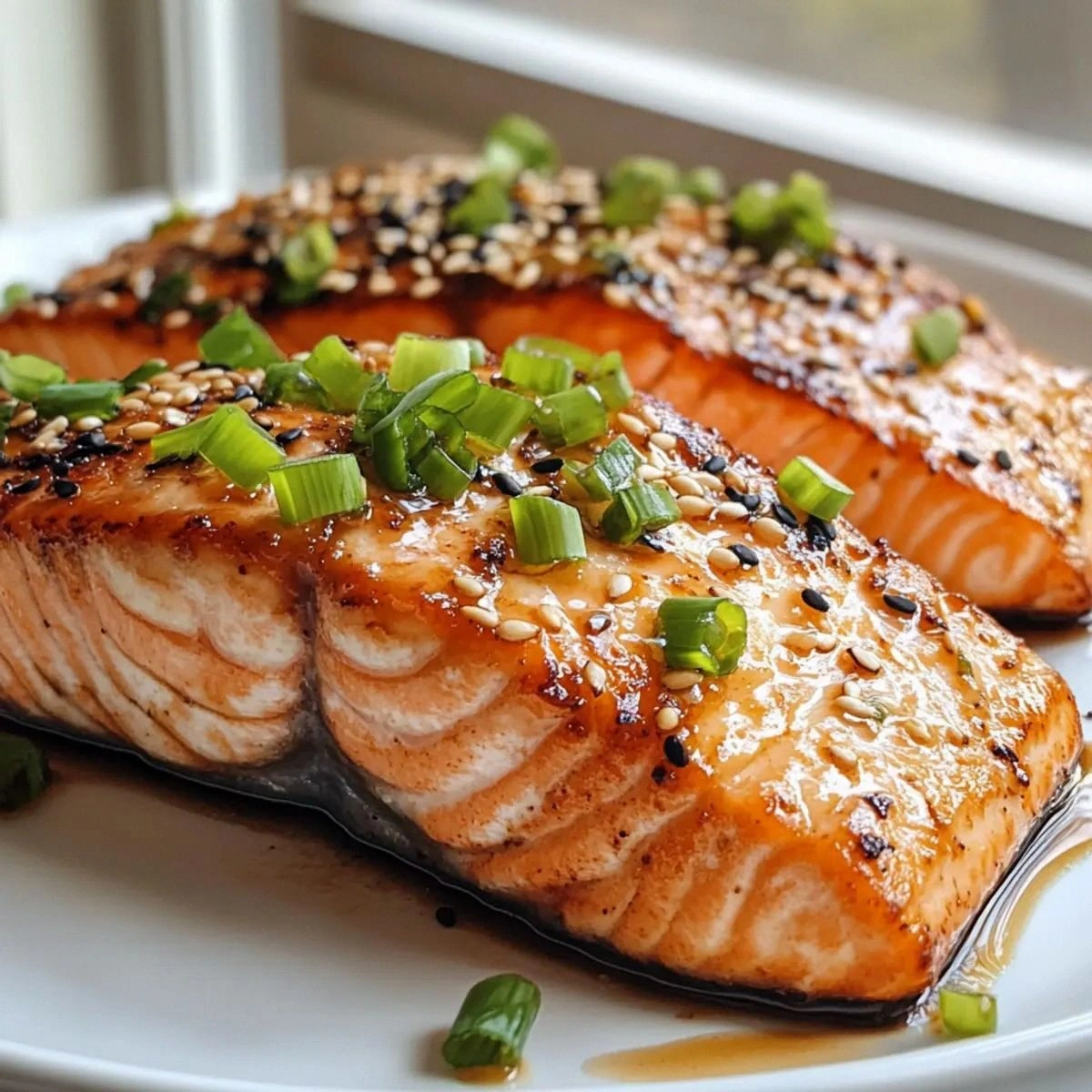
Picture this: a glossy, amber‑gold glaze that clings to the salmon like a silk scarf, the scent of caramelized ginger and garlic dancing with the umami depth of miso, and the gentle crunch of green onion scallions that add a fresh pop right before the fork hits. The moment the pan hits the stove, you hear a sizzle that feels like a tiny applause for the flavor coming together. The buttery richness balances the salty punch of miso, while a whisper of brown sugar brings a caramel‑kissed finish that makes every bite feel like a celebration. I dare you to taste this and not go back for seconds—because once you’ve experienced that perfect harmony, you’ll understand why this version is the best you’ll ever make at home.
Most recipes get this completely wrong. They either drown the salmon in a sauce that overpowers the fish, or they skim the surface with a bland glaze that leaves you wondering why you bothered. The secret to my version is a simple technique: melt the butter first, then whisk in the miso, sugar, ginger, and garlic to create a glossy emulsion that coats the fish evenly without soggy spots. I’ll be honest — I ate half the batch before anyone else got to try it, and that’s a testament to how addictive this flavor combo is. The only thing missing is a little extra zing, which we’ll add with fresh green onions right at the end, giving the dish a pop of color and a burst of freshness.
Okay, ready for the game‑changer? In the next sections I’ll walk you through every single step— from picking the perfect salmon fillet to mastering that glossy miso butter glaze— and by the end, you’ll wonder how you ever made it any other way. Stay with me here — this is worth it.
What Makes This Version Stand Out
- Umami Explosion: The white miso brings a deep, savory backbone that elevates the natural richness of salmon without masking it.
- Silky Texture: Butter creates a glossy coating that adheres like velvet, giving each bite a buttery melt‑in‑your‑mouth feel.
- Balanced Sweetness: A touch of brown sugar adds caramel notes that counterbalance the salty miso, resulting in a perfectly balanced flavor profile.
- Simplicity: Fewer than ten ingredients and a single pan mean you can throw this together in under 45 minutes, even on a chaotic weeknight.
- Family Approved: Kids love the sweet‑savory glaze, while adults appreciate the sophisticated umami depth— a true crowd‑pleaser.
- Ingredient Quality: Using fresh ginger and garlic ensures bright aromatics that cut through the richness, while green onions add a fresh finish.
- One‑Pan Efficiency: The entire dish cooks in the same skillet, reducing cleanup and preserving all those glorious browned bits.
- Make‑Ahead Potential: You can prep the glaze up to a day ahead, store it in the fridge, and simply melt it over the salmon when you’re ready to serve.
Inside the Ingredient List
The Flavor Base
White miso paste is the heart of this dish. It’s a fermented soybean paste that brings a deep, salty‑sweet umami that you can’t replicate with soy sauce alone. If you skip it, you’ll lose that signature depth, and the glaze will taste flat. A good quality miso (look for “organic” or “artisan” on the label) will have a smooth texture and a slightly sweet aroma. If you can’t find white miso, you can substitute with a blend of light soy sauce and a pinch of sugar, but the flavor won’t be as nuanced.
The Texture Crew
Unsalted butter is the luxurious carrier for the glaze. Its fat content helps the miso dissolve and creates a glossy finish that clings to the salmon. Using unsalted butter lets you control the salt level precisely; salted butter could make the dish overly salty. If you’re dairy‑free, try a high‑quality plant‑based butter or a blend of coconut oil and olive oil, but expect a slightly different mouthfeel.
The Unexpected Star
Fresh ginger adds a bright, peppery zing that cuts through the richness of the butter. Grating the ginger finely releases its essential oils, ensuring that every bite has that zingy snap. If you forget the ginger, the dish will still be good, but it will miss that lively spark that makes the glaze sing. A good substitute is a pinch of ground ginger, though the fresh version is far superior.
The Final Flourish
Green onions (also known as scallions) are added at the end for a fresh, slightly oniony crunch. They bring a pop of color that makes the plate look restaurant‑ready and a mild bite that balances the sweet‑savory glaze. If you’re not a fan of green onions, thinly sliced chives or even a sprinkle of toasted sesame seeds work beautifully as a garnish.
Everything's prepped? Good. Let's get into the real action…
The Method — Step by Step
Start by patting the salmon fillets dry with paper towels. This step is crucial because any excess moisture will steam the fish instead of searing it. Season each side lightly with a pinch of salt and a grind of fresh black pepper. Feel the texture of the flesh— it should be firm but give a little under pressure, a sign that the fish is fresh.
Heat a large, heavy‑bottomed skillet over medium‑high heat and add the stick of unsalted butter. As the butter melts, it will foam and then turn a light amber; that’s the signal to move to the next step. That sizzle when it hits the pan? Absolute perfection. Keep the butter moving so it doesn’t brown too quickly.
Once the butter is shimmering, add the white miso paste, brown sugar, grated ginger, and minced garlic. Whisk vigorously until the mixture becomes a smooth, glossy emulsion. You’ll notice the aroma shifting from buttery to sweet‑spicy within seconds; that’s the flavor base locking in.
Place the salmon fillets skin‑side down (if they have skin) into the pan. The skin should immediately sizzle, and you’ll hear that satisfying crackle that tells you the heat is just right. Let the fish cook untouched for about 4‑5 minutes; the edges will start to turn opaque and the skin will become crisp.
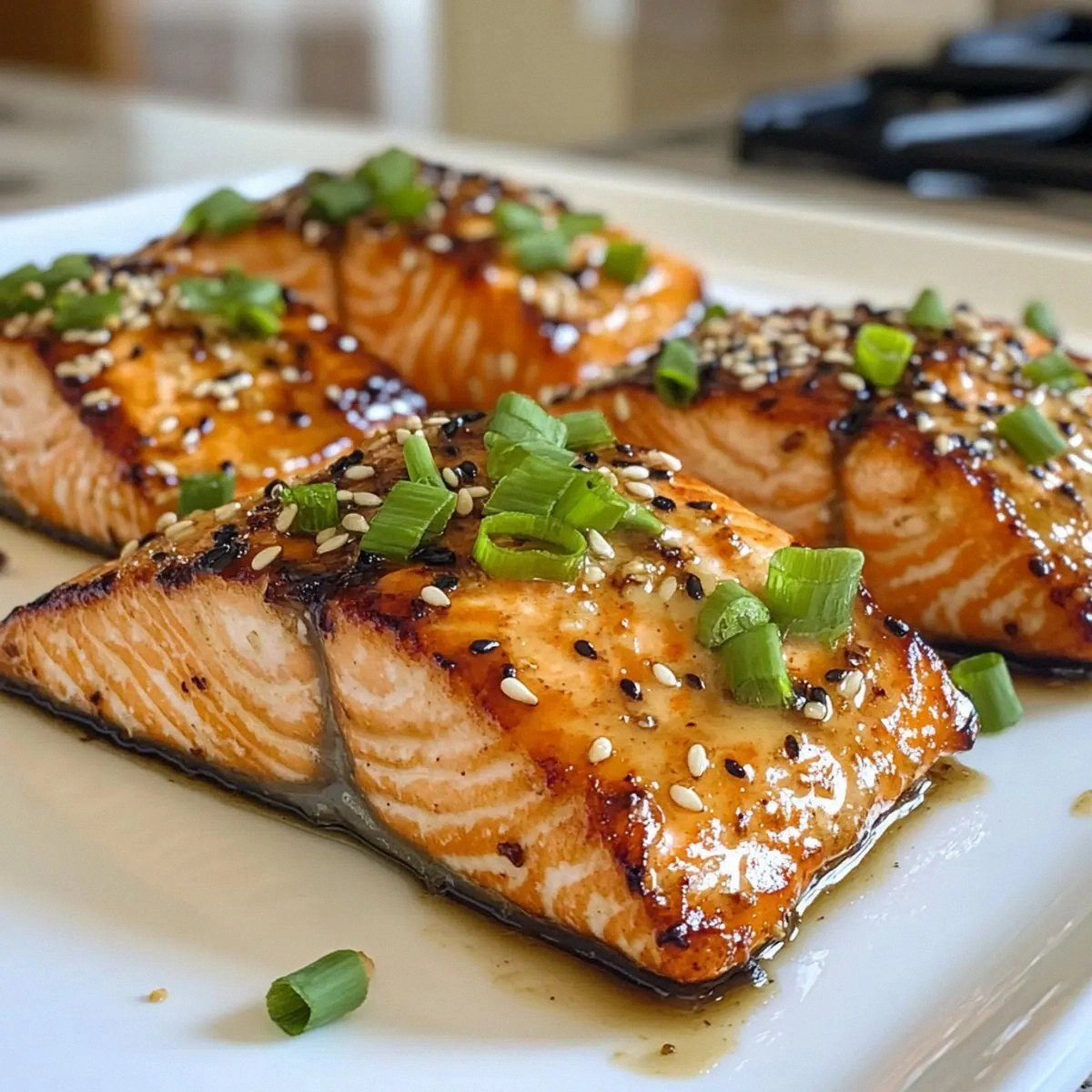
Flip the fillets carefully using a wide spatula, then spoon the miso butter glaze over the top of each piece. Let the fish finish cooking for another 3‑4 minutes, basting constantly. You’ll see the glaze thickening and caramelizing, turning a deep amber that clings like lacquer.
While the salmon finishes, slice the green onions diagonally into 1‑inch pieces. Sprinkle them over the pan in the last minute of cooking; the residual heat will wilt them just enough to release their flavor without losing their crunch.
Remove the pan from heat and let the salmon rest for two minutes. This short rest allows the juices to redistribute, ensuring each bite is moist and tender. Plate the fillets on a warm serving dish, drizzle any remaining glaze from the pan over the top, and garnish with a final sprinkle of green onion for color.
That's it — you did it. But hold on, I've got a few more tricks that'll take this to another level…
Insider Tricks for Flawless Results
The Temperature Rule Nobody Follows
Never start with a cold pan. Let the skillet warm up for at least two minutes before adding butter; this prevents the butter from burning and ensures an even sear. I once tried to rush the process and ended up with a burnt, bitter glaze that ruined the whole dish. The rule of thumb: medium‑high heat, but keep a close eye on the butter’s color. If it starts to turn brown, lower the heat immediately.
Why Your Nose Knows Best
Your sense of smell is the most reliable indicator of doneness for this glaze. When the butter‑miso mixture starts to emit a sweet, nutty aroma and the edges of the salmon begin to pull away from the pan, you’re at the perfect moment to flip. Trust that nose more than a timer— every stove is different, and the visual cues are more trustworthy.
The 5‑Minute Rest That Changes Everything
Resting the salmon after cooking allows the muscle fibers to relax, locking in moisture. Skipping this step results in a dry interior, especially if you over‑baste. Place the fillets on a warm plate, loosely tented with foil, and wait exactly five minutes before serving. It’s a tiny pause that makes a massive difference.
Seasoning the Glaze Right
A pinch of sea salt added at the very end of the glaze can brighten the flavors dramatically. I once omitted this final dash and the dish felt a bit muted. The salt doesn’t just add salinity; it amplifies the umami and sweet notes, turning the glaze from good to unforgettable.
Pan Choice Matters
A heavy‑bottomed stainless steel or cast‑iron skillet distributes heat evenly, preventing hot spots that can scorch the glaze. If you use a thin non‑stick pan, you’ll notice uneven caramelization and a thinner coating. Investing in a good skillet is the secret weapon for restaurant‑quality results at home.
Creative Twists and Variations
This recipe is a playground. Here are some of my favorite ways to switch things up:
Spicy Miso Chili
Add a teaspoon of chili paste or a pinch of red pepper flakes to the glaze for a subtle heat that pairs beautifully with the sweet miso butter. Great for those who love a little kick.
Citrus‑Infused
Stir in the zest of one lemon or orange into the glaze right before serving. The citrus brightens the richness and adds a refreshing aroma, perfect for spring evenings.
Nutty Crunch
Top the finished salmon with toasted sesame seeds or crushed peanuts for an added texture contrast. The nutty notes echo the umami of miso while providing a satisfying crunch.
Herb‑Lover’s Version
Swap the green onions for a mix of fresh cilantro and Thai basil. The herbaceous flavors bring an Asian‑fusion twist that feels fresh and vibrant.
Vegan Adaptation
Replace salmon with thick slices of firm tofu or tempeh, and use a plant‑based butter. The glaze adheres just as well, and the tofu absorbs the umami, making a satisfying plant‑based main.
Storing and Bringing It Back to Life
Fridge Storage
Allow the salmon to cool to room temperature, then transfer to an airtight container. It will keep for up to three days. When reheating, place the fillet in a skillet over low heat, add a splash of water, and cover— the steam revives the glaze without drying the fish.
Freezer Friendly
Wrap each cooked fillet tightly in parchment paper, then place in a freezer‑safe bag. It freezes well for up to two months. To reheat, thaw overnight in the fridge, then follow the same low‑heat steam method.
Best Reheating Method
The secret to a perfect reheated salmon is gentle steam. Add a tablespoon of water to a skillet, cover, and heat on low for five minutes. The moisture restores the buttery sheen, and the fish stays tender.