Picture this: it’s a lazy Sunday morning, the sun is spilling through the kitchen window, and you’ve just spilled a whole bottle of champagne on the floor while trying to juggle a stack of pancakes. I swear, I’ve had more kitchen catastrophes than I care to admit, but that particular disaster sparked a brilliant epiphany—what if the sparkle of champagne could mingle with the bright, summery kiss of strawberries and the aromatic whisper of basil? I dared myself to create a brunch drink that would make the ordinary mimosa feel like a runway model strutting down a runway of flavor. The result? Refreshing Strawberry Basil Mimosa—a cocktail that’s hands down the best version you’ll ever make at home.
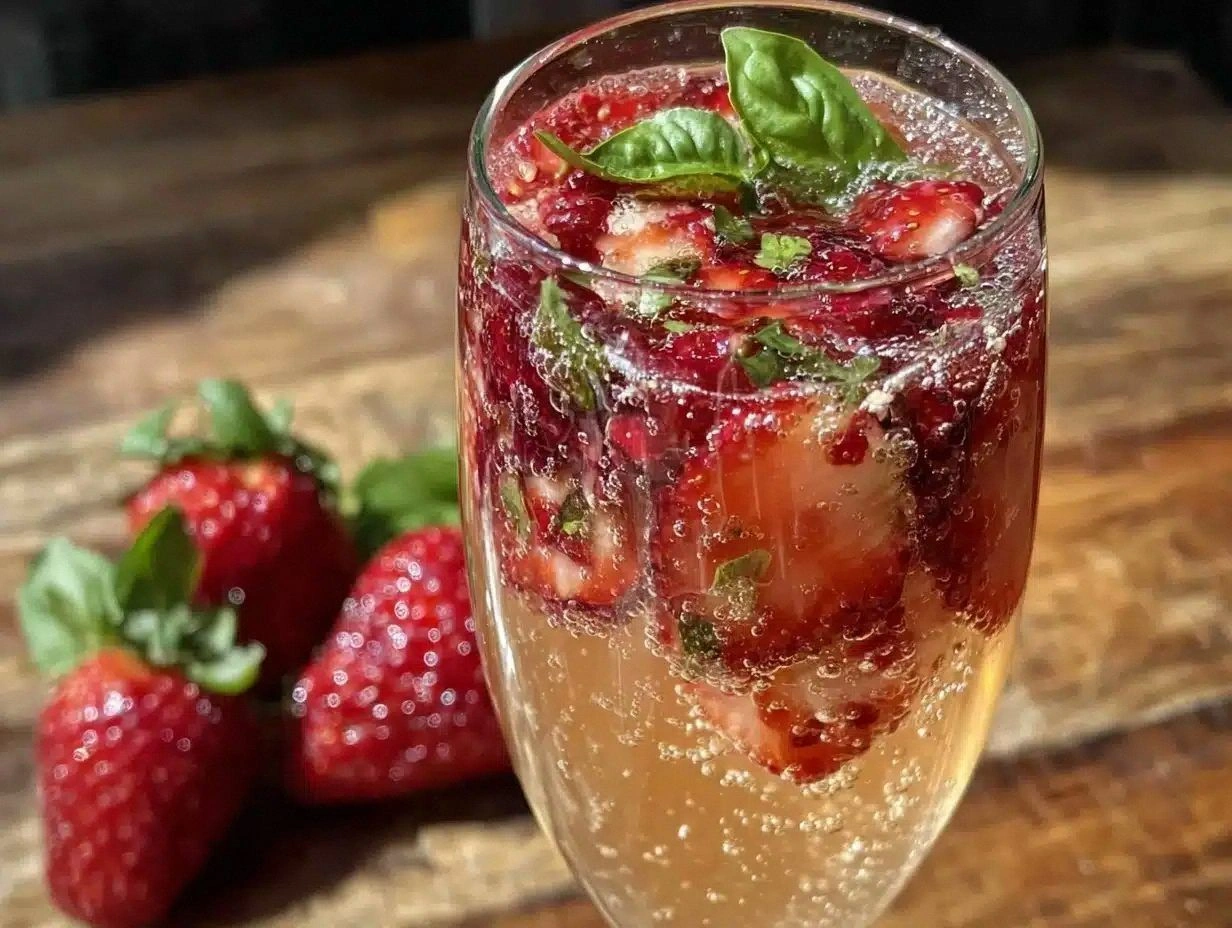
From the moment the first strawberry hits the blender, the kitchen fills with a scent that’s part garden, part celebration, and part “I’m about to impress everyone at the table.” The ruby‑red liquid swirls with specks of emerald basil, and the bubbles rise like tiny fireworks, each pop delivering a burst of citrusy brightness from a whisper of lemon juice. You can almost hear the fizz whispering promises of elegance as you pour it into a chilled flute, the glass catching the light like a tiny prism. The texture is silky yet crisp, the sweetness balanced by a peppery herb note that makes your palate do a happy dance.
Most mimosa recipes get this completely wrong—either they drown the fruit in too much sugar, or they forget the herbaceous lift that makes a drink unforgettable. I’ve stripped away the fluff and focused on five core principles: quality ingredients, balanced sweetness, a hint of acidity, a fragrant herb, and the perfect amount of sparkle. The secret weapon? Muddling the strawberries and basil together before adding the sparkling wine, which releases the essential oils and juices, creating a flavor foundation that’s richer than any store‑bought mixer could ever achieve. Trust me, once you try this, you’ll never settle for a plain orange mimosa again.
And now, the tease you’ve been waiting for: I’m going to show you how to turn ordinary strawberries into a fragrant puree that doesn’t turn watery, how to freeze basil‑infused ice cubes for a chilled yet undiluted sip, and why a splash of lemon juice is the game‑changer that keeps everything from becoming cloying. Let me walk you through every single step — by the end, you’ll wonder how you ever made it any other way.
What Makes This Version Stand Out
- Flavor Fusion: The sweet strawberry meets the peppery basil in a harmonious duet, while the lemon adds a bright counterpoint that keeps the palate refreshed.
- Texture Triumph: Muddling the fruit and herb creates a silky mouthfeel, and the champagne’s effervescence adds a lively, airy finish that dances on the tongue.
- Simplicity Redefined: With just six ingredients and a 15‑minute prep, you get a cocktail that feels sophisticated without demanding a culinary degree.
- Ingredient Integrity: Using fresh, locally sourced strawberries and basil ensures natural sweetness and aromatic depth—no artificial flavors needed.
- Crowd Magnet: This drink earns compliments faster than a free Wi‑Fi password; guests will line up for seconds and beg for the recipe.
- Make‑Ahead Magic: The strawberry‑basil puree can be prepared a day ahead, letting the flavors meld while you focus on other brunch prep.
- Seasonal Star Power: Strawberries in peak season bring unparalleled juiciness, making this drink a celebration of summer’s bounty.
- Versatile Base: Swap champagne for Prosecco, or even a sparkling rosé, to match any vibe—from casual brunch to upscale garden party.
Inside the Ingredient List
The Flavor Base
Fresh Strawberries (about 1 cup, hulled and sliced) are the heart of this mimosa. Their natural sugars provide the perfect level of sweetness, and their bright red hue turns the drink into a visual masterpiece. If you skip the strawberries, you’ll lose both the flavor and the gorgeous color—your cocktail will look like a sad, pale fizz. For the best results, choose strawberries that are deep red, fragrant, and slightly soft to the touch; they should give a gentle give when pressed. If strawberries are out of season, frozen organic berries work fine—just thaw them fully and pat dry to avoid excess water.
The Herbaceous Crew
Fresh Basil Leaves (8‑10 leaves) bring an aromatic, slightly peppery note that cuts through the fruit’s sweetness. The tiny oil droplets in the basil are released when you gently muddle, creating a fragrant backdrop that elevates the whole drink. Using wilted or over‑mature basil will introduce a bitter edge, so always pick small, tender leaves with bright green color. If basil isn’t your jam, mint or thyme can substitute, though each will shift the flavor profile—mint adds coolness, thyme adds earthiness.
The Sweet‑Acid Balance
Granulated Sugar (1 tablespoon) is the modest sweetener that amplifies the strawberries without making the drink cloying. It also helps to dissolve the fruit’s juices faster, ensuring a smooth texture. If you’re watching sugar intake, a drizzle of honey or agave nectar works just as well, but keep the quantity the same to maintain balance. Fresh Lemon Juice (1 teaspoon) injects a crisp acidity that brightens the overall palate, preventing the cocktail from feeling heavy. A splash of lime could replace lemon for a slightly different citrus zing, but lemon’s subtle tartness pairs best with basil.
The Sparkling Finale
Champagne or Prosecco (about 4 ounces / 120 ml per glass) is the effervescent crown jewel. A dry sparkling wine keeps the drink crisp, letting the fruit and herb shine. I personally love Veuve Clicquot for its balanced acidity and fine bubbles, but any quality brut champagne or dry Prosecco will do. Remember, the cooler the wine, the longer the bubbles stay lively—so chill it well before serving. Ice Cubes (optional) can be added for extra chill, but I recommend the frozen strawberry‑basil cubes from the Kitchen Hack above to avoid dilution.
Everything's prepped? Good. Let's get into the real action...
The Method — Step by Step
Start by gathering your fresh strawberries and basil leaves on a clean cutting board. Slice the strawberries into halves, then give the basil a quick rinse and pat dry with a paper towel. I dare you to taste a raw strawberry at this point—its natural sweetness should already be singing. Next, take a sturdy cocktail shaker or a wide‑mouth mason jar and add the sliced strawberries, basil leaves, and the tablespoon of granulated sugar.
Using a muddler (or the back of a wooden spoon), press down gently—don’t pulverize the basil; you want to bruise it just enough to release its aromatic oils. The sugar will start to dissolve, creating a fragrant, slightly syrupy mixture that smells like a summer garden after rain. This is the moment of truth: if the aroma isn’t intoxicating, you’ve missed a step, and you’ll need to muddle a bit longer.
After muddling, let the mixture sit for about 5 minutes. This resting period allows the basil’s essential oils to mingle fully with the strawberry juices, creating a harmonious base. While you wait, you can prep your glasses—chill flutes in the freezer for at least 10 minutes so the drink stays frosty longer.
Give the mixture a quick stir, then strain it through a fine‑mesh sieve into a pitcher. Use the back of a spoon to press gently, extracting every last drop of ruby‑red liquid. The resulting puree should be bright, aromatic, and free of large fruit pieces; if you see any stray basil leaves, give it another quick pass through the sieve.
Watch Out: If you over‑strain and lose too much of the basil’s flavor, the drink will taste flat. The key is to keep a few tiny flecks of herb for that subtle peppery note that makes each sip intriguing.
Now, add the lemon juice to the strained puree. The acidity will brighten the mixture, balancing the sweetness of the strawberries and the herbaceous edge of the basil. Stir gently; you’ll notice a slight fizz as the lemon reacts with any remaining carbon dioxide from the fruit.
It’s time to bring in the sparkling star. Carefully pour the chilled champagne or Prosecco into the pitcher, tilting the container slightly to preserve the bubbles. Pour slowly, allowing the liquid to cascade over the fruit‑herb mixture, creating a gentle whirlpool that blends everything without flattening the fizz.
At this point, the mimosa should have a beautiful pink‑orange hue, with bubbles rising like tiny lanterns. Taste a small spoonful—if it feels a touch too sweet, add a few extra drops of lemon juice; if it’s too tart, a whisper more sugar will do the trick. Remember, adjustments are best made before the final pour into glasses.
Now, the final assembly. Retrieve your chilled flutes from the freezer. If you’ve prepared the frozen strawberry‑basil ice cubes, drop one into each glass; this not only keeps the drink cold but also adds a burst of flavor as the ice melts.
Gently pour the mimosa into each flute, filling it about three‑quarters full to leave room for a garnish. The bubbles should rise gracefully, creating a shimmering column that catches the light. A quick visual check: the surface should be glossy, not flat, indicating the carbonation is alive and well.
Garnish with a thin slice of strawberry perched on the rim and a small basil leaf tucked against the glass. This not only looks elegant but also releases a final aromatic puff as you bring the glass to your nose.
Take a moment to admire your creation—its color, its aroma, its effervescence. Then, take a sip. The first taste should be a burst of sweet strawberry, followed by a subtle basil whisper, a bright lemon zing, and a crisp, lingering sparkle that makes you want to say, “I’ll be honest — I ate half the batch before anyone else got to try it.”
Serve immediately, but if you need to hold the drink for a few minutes, keep the pitcher covered and the glasses chilled. The bubbles will stay lively for at least 20 minutes, giving your guests plenty of time to enjoy the party.
That’s it — you did it. But hold on, I’ve got a few more tricks that'll take this to another level…
Insider Tricks for Flawless Results
The Temperature Rule Nobody Follows
Never, ever use room‑temperature champagne. The colder the wine, the tighter the bubbles stay, delivering a more vibrant mouthfeel. I keep my champagne in the freezer for exactly 15 minutes before use—long enough to chill but not so long that it starts to freeze. If you’re in a rush, an ice bucket with a generous amount of ice and water chills the bottle in about 5 minutes. Trust me, this tiny step makes the difference between a flat sip and a lively sparkle.
Why Your Nose Knows Best
Before you even taste, give the mimosa a good sniff. The aroma of basil should be present but not overpowering; if it’s too strong, you’ve over‑muddled. A quick nose test also tells you if the lemon is balanced—if you smell a harsh citrus, add a pinch more sugar. Your nose is the first line of flavor detection, so trust it more than your palate.
The 5‑Minute Rest That Changes Everything
After mixing the puree and before adding the sparkling wine, let the blend rest for five minutes. This short pause lets the flavors marry, creating a more cohesive taste profile. I once tried to skip this step in a hurry and ended up with a drink that tasted disjointed—strawberry forward, basil missing, lemon too sharp. The rest isn’t just a suggestion; it’s a game‑changer.
Ice Cube Alchemy
Standard ice cubes dilute the drink as they melt, but frozen strawberry‑basil cubes keep the flavor intensity while chilling. Simply place a few whole strawberries and a basil leaf in each compartment of an ice tray, fill with water, and freeze. Drop them in just before serving for a burst of flavor that intensifies as the ice melts.
Glassware Matters
Choosing the right glass isn’t just about aesthetics; a flute’s narrow shape concentrates the aroma and keeps the bubbles from escaping too quickly. If you don’t have flutes, a coupe works well—its broader bowl showcases the color and still retains a decent amount of fizz. Avoid wide‑rimmed glasses; they cause the bubbles to pop prematurely, leaving a flat drink.
Creative Twists and Variations
This recipe is a playground. Here are some of my favorite ways to switch things up:
Rosé Refresher
Swap the champagne for a dry rosé, and add a splash of elderflower liqueur. The floral notes complement the basil, while the rosé’s pink hue deepens the visual appeal. Perfect for a romantic brunch.
Tropical Basil Blast
Replace strawberries with fresh mango cubes and add a few mint leaves alongside the basil. The mango’s tropical sweetness pairs beautifully with the herb, creating a sunny, island‑vibe mimosa.
Spicy Kick
Introduce a thin slice of jalapeño to the muddle, and finish with a dash of smoked paprika on the garnish. The heat cuts through the sweetness, offering a surprising yet balanced bite that will wow adventurous guests.
Low‑Sugar Light
Omit the granulated sugar and use a splash of agave nectar instead. The natural sweetness of the strawberries plus the lemon’s acidity keep the drink refreshing without added refined sugar.
Herbal Symphony
Combine basil with a sprig of rosemary during the muddle for an earthy, piney undertone. This variation works especially well with a brut nature Prosecco, which has a slightly drier profile.
Storing and Bringing It Back to Life
Fridge Storage
The strawberry‑basil puree can be stored in an airtight glass jar in the refrigerator for up to 48 hours. Keep it chilled and give it a gentle shake before using to re‑integrate any settled flavors. If the mixture looks a bit watery after storage, simply stir in a tiny pinch of sugar to revive the sweetness.
Freezer Friendly
For longer preservation, pour the puree into a silicone ice cube tray and freeze. These frozen cubes can be kept for up to a month and dropped directly into the mimosa when you’re ready to serve. They act as both chillers and flavor boosters—no dilution, just pure intensity.
Best Reheating Method
If you find yourself with a batch of puree that’s gone cold and you need to warm it slightly for better mixing, place the jar in a bowl of warm (not boiling) water for a minute. Add a tiny splash of water—about a teaspoon—to restore its fluidity without compromising the fresh taste. Never microwave, as it will cook the fruit and ruin the bright flavor.