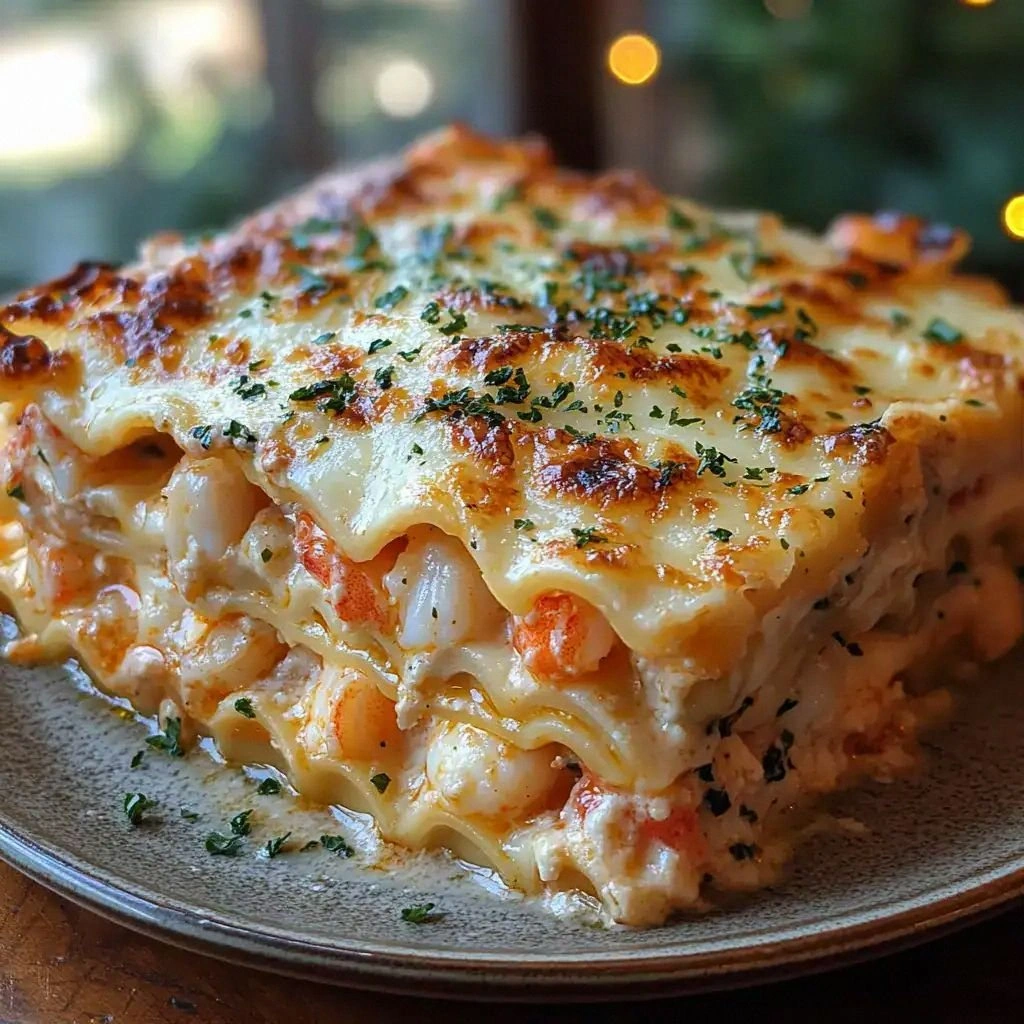
I still remember the first time I attempted seafood lasagna. It was supposed to be a triumphant dinner-party centerpiece, but I ended up with a soupy, fishy mess that tasted like the ocean had thrown up in my casserole dish. The noodles were rubbery, the sauce had separated into an oily puddle, and the lobster? Let's just say it had the texture of bubble gum. My guests politely picked at their plates while I died a thousand culinary deaths inside. That night, I swore I'd crack the code or die trying.
Fast forward through three months of obsessive testing, a small fortune in seafood, and enough trial-and-error to fill a notebook thicker than War and Peace. I discovered that most recipes get seafood lasagna completely wrong. They treat it like regular lasagna with some shrimp tossed in, but seafood is a diva that demands its own stage, lighting, and orchestra. You can't just swap ground beef for lobster and call it a day. The technique is entirely different — gentler cooking, strategic layering, and a sauce that complements rather than competes with the sweet, delicate flavor of shellfish.
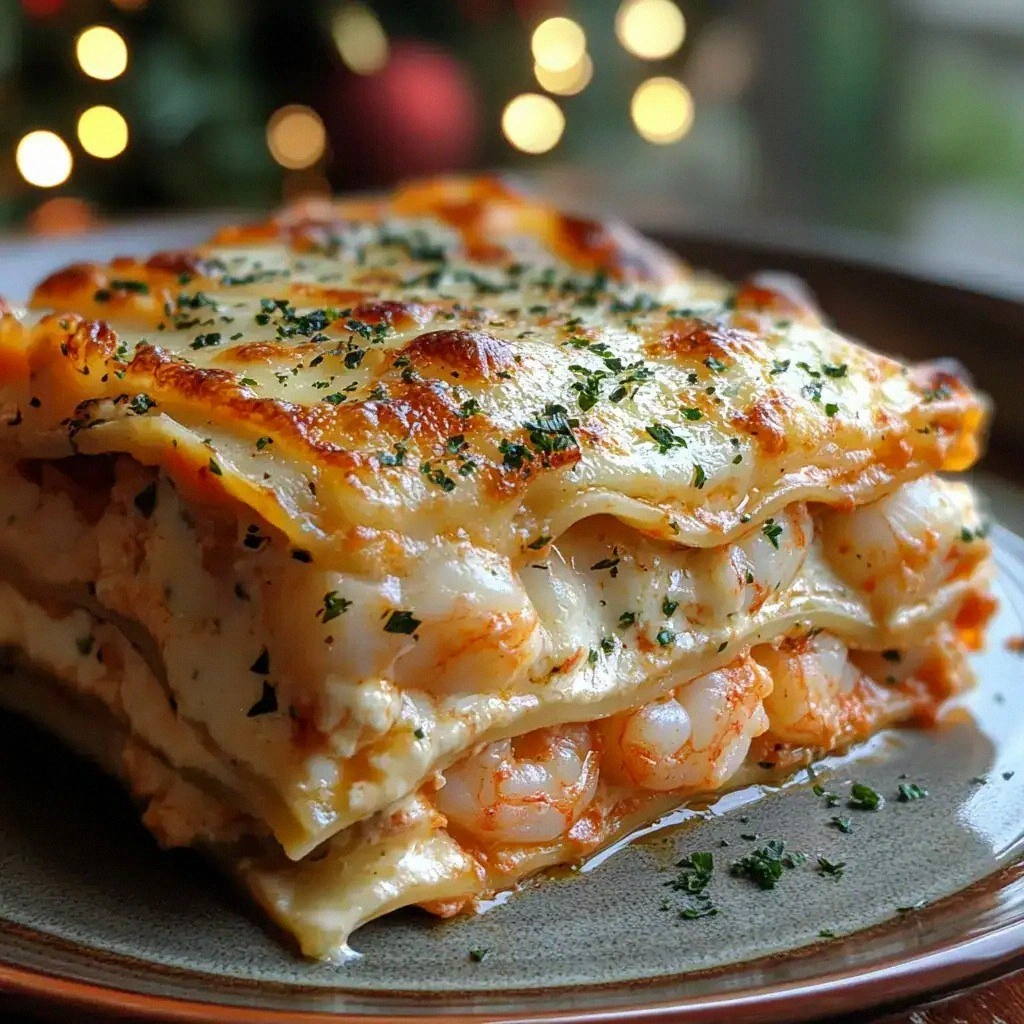
This version? It's the result of those obsessive months, and I can say without a shred of modesty that it's hands down the best seafood lasagna you'll ever make at home. The lobster stays tender and succulent, never rubbery. The sauce is silky and rich without overwhelming the seafood. And those crispy edges? They shatter like thin ice under your fork, revealing layers of perfectly cooked pasta and melted cheese that stretch into Instagram-worthy ribbons. Picture yourself pulling this out of the oven, the whole kitchen smelling like a seaside bistro in the best possible way.
Here's the kicker — I'll be honest, I ate half the batch before anyone else got to try it. It was supposed to serve eight, but between my "quality control" tastings and the fact that it's impossible to stop at one square, we were down to crumbs before dinner officially started. Let me walk you through every single step — by the end, you'll wonder how you ever made it any other way.
What Makes This Version Stand Out
Velvet Sauce: Instead of a heavy béchamel that smothers the seafood, we create a light, silky sauce that coats the pasta like velvet. It uses less flour, more cream, and a secret ingredient that keeps it from breaking or becoming grainy. The result is luxurious but never heavy, letting the sweet lobster flavor shine through.
Layered Cooking Times: Most recipes throw everything in at once, but we cook each seafood component separately to its perfect doneness. The shrimp hit the pan just until they curl, the scallops get a quick sear for caramelization, and the lobster is poached gently in butter. Everything meets in the lasagna at its peak, not overcooked into rubber.
The Crispy Edge Factor: We use a blend of cheeses that creates those coveted crispy edges while maintaining a creamy interior. A mix of aged Parmesan for crunch, fontina for stretch, and a touch of mascarpone for richness. The corners and edges develop into golden, crunchy perfection that'll have you fighting over them.
No-Boil Noodle Hack: Forget pre-boiling noodles or dealing with hot, sticky pasta. We use a technique that lets the no-boil noodles hydrate perfectly in the sauce, absorbing all that seafood flavor. They emerge tender but with just enough bite to hold the layers together.
Make-Ahead Magic: This lasagna actually improves overnight as the flavors meld. You can assemble it completely, refrigerate for up to 24 hours, then bake when needed. The texture gets even better, and the flavors deepen. Perfect for dinner parties or holiday meals when you want to spend time with guests, not in the kitchen.
Crowd Reaction Guarantee: I've served this to Italian grandmothers who claimed seafood doesn't belong in lasagna, and they asked for seconds. I've watched self-proclaimed lasagna purists go quiet after the first bite, then immediately ask for the recipe. This dish has a 100% success rate at converting skeptics.
Restaurant Quality at Home: The techniques here aren't complicated, but they're the same ones used in high-end restaurants. We're talking about proper seafood cooking temperatures, sauce consistency that coats a spoon, and cheese melting points. Yet everything is designed for a home kitchen with basic equipment.
Alright, let's break down exactly what goes into this masterpiece...
Inside the Ingredient List
The Flavor Base
The foundation of any great seafood lasagna starts with the aromatics, but we're not talking about your typical onion and garlic here. We build a flavor base that complements rather than competes with the seafood. Shallots provide a gentler, sweeter foundation than regular onions, melting into the sauce without overwhelming the delicate lobster. Fresh thyme adds an earthy note that pairs beautifully with shellfish, while a bay leaf infuses subtle complexity during the sauce-making process.
White wine is crucial here — not for drinking (though you should definitely pour yourself a glass), but for deglazing the pan and adding acidity that brightens all the rich elements. Use something you'd actually drink, not that cooking wine from the grocery store that tastes like vinegar mixed with regret. A crisp Sauvignon Blanc or unoaked Chardonnay works perfectly. The alcohol cooks off, leaving behind a sophisticated depth that makes restaurant sauces taste better than home cooking.
Here's what most people get wrong: they use fish stock or clam juice as the liquid base. Don't do it. These concentrates are too aggressive and will make your lasagna taste like a fishing boat. Instead, we use a light chicken stock enhanced with shrimp shells. It's subtle, complex, and lets the lobster remain the star of the show.
The Texture Crew
Texture is where most seafood lasagnas fall apart — literally and figuratively. We need ingredients that create layers of different textures that complement each other. The no-boil lasagna noodles are actually perfect here because they absorb liquid as they cook, becoming tender but not mushy. They create structural integrity that holds everything together when you cut that first perfect square.
Ricotta cheese gets a bad rap in seafood dishes, and usually for good reason. It can be grainy and heavy. But when we lighten it with mascarpone and an egg, it becomes cloud-like and helps bind the layers. The mascarpone adds richness without weight, while the egg acts as insurance against the cheese becoming watery during baking.
Fresh mozzarella provides those Instagram-worthy cheese pulls, but we use it strategically. Too much and the lasagna becomes watery; too little and it feels dry. We tear it into irregular pieces rather than shredding, creating pockets of melty goodness throughout each layer. The irregular shapes melt differently, creating textural variety in every bite.
The Unexpected Star
Every great recipe needs a secret ingredient, and ours is a small amount of fresh fennel. Not enough to make the dish taste like licorice, just enough to add a subtle sweetness and complexity that makes people ask, "What's in this?" It pairs naturally with seafood — think of it as the bridge that connects all the ocean flavors together.
Lemon zest is another game-changer that's often overlooked in baked pasta dishes. We add it to the ricotta mixture, where it brightens all the rich elements and cuts through the creaminess. It's like adding a squeeze of fresh lemon over seafood, but more subtle and integrated. The essential oils in the zest bloom during baking, creating aromatic notes that make the whole kitchen smell incredible.
A pinch of saffron might seem like overkill, but hear me out. A tiny amount — just a few threads — adds a golden color and subtle floral notes that make the lobster taste more lobster-y. It's the difference between good and unforgettable. If saffron feels too fancy, turmeric gives similar color, but saffron's unique flavor profile is worth the splurge for special occasions.
The Final Flourish
The cheese blend makes or breaks the topping. We're using a mix of aged Parmigiano-Reggiano for umami and crisp edges, fontina for that perfect melt, and a touch of pecorino for bite. Each cheese plays a specific role, and together they create a golden, bubbling crust that crackles under your fork while the interior stays creamy and molten.
Fresh herbs for finishing are non-negotiable. Chopped flat-leaf parsley adds freshness and color, while chives contribute a mild onion note that complements the seafood. Add these after baking, not before — heat dulls their flavor and color. This final sprinkle transforms the dish from homey to restaurant-worthy in seconds.
Everything's prepped? Good. Let's get into the real action...
The Method — Step by Step
- Start by making your seafood stock, which sounds fancy but is actually just simmering shrimp shells in chicken stock for 15 minutes. That sizzle when the shells hit the hot pan? Absolute perfection. While that's happening, poach your lobster tails in butter over low heat. This is the moment of truth — you want the butter to barely bubble, not boil aggressively. The lobster is done when it just turns opaque and feels firm to the touch, about 6-8 minutes depending on size. Remove it immediately and let it cool in the butter bath, which keeps it moist and flavorful.
- Now watch this part closely — we're making the sauce, and this next part? Pure magic. In the same pan (don't you dare wash it), sauté the shallots and fennel in the lobster butter until they're translucent and fragrant. The fond from the lobster creates an incredible flavor base. Deglaze with white wine, scraping up all those brown bits, and let it reduce by half. This concentrates the flavors and cooks off the harsh alcohol. Add your seafood stock gradually, whisking constantly to prevent lumps.
- Here's where most people mess up — they add cold cream to hot liquid and wonder why it breaks. Not us. We temper the cream by adding small amounts of the hot liquid to it first, then gradually combine everything. The sauce should coat the back of a spoon but still be pourable. If it's too thick, add more stock; too thin, let it reduce a bit more. Season with salt and white pepper — white pepper here because we want the sauce to stay pristine and beautiful.
- Time to prep the seafood — and this is where patience pays off. Cut the lobster into bite-sized pieces, keeping some larger chunks for visual appeal. Pat the scallops dry with paper towels; moisture is the enemy of good searing. Season everything lightly — remember, the sauce will add salt too. Sear the scallops in a hot pan with clarified butter for just 90 seconds per side. They should have a golden crust but still be translucent in the center. Set everything aside on a plate — don't pile it up or it will continue cooking from residual heat.
- The ricotta mixture is where we add brightness and ensure the lasagna doesn't become a heavy, stodgy mess. In a bowl, combine ricotta, mascarpone, one egg, lemon zest, chopped parsley, and a generous grating of fresh nutmeg. The nutmeg might seem odd, but trust me — it adds warmth and complexity that makes everything taste more expensive. Mix until just combined; over-mixing makes it gummy. Taste and adjust seasoning — it should be bright, creamy, and slightly tangy from the lemon.
- Assembly time — and now the fun part begins. In a buttered baking dish, start with a thin layer of sauce on the bottom. This prevents the noodles from sticking and creates a flavorful base. Lay down your first layer of no-boil noodles, breaking them to fit if needed. Don't overlap too much or you'll get doughy spots. Spread a third of the ricotta mixture over the noodles, then scatter a third of the seafood mixture. Be strategic here — distribute the lobster pieces evenly so every bite gets some. Drizzle with sauce, but don't drown it.
- Repeat the layers twice more, ending with noodles on top covered with the remaining sauce. This is crucial — the top layer of noodles needs to be completely submerged in sauce, or they'll dry out and become crispy in a bad way. Press down gently to ensure everything is moistened. The lasagna might seem saucy at this point, but the noodles will absorb liquid as it bakes. Cover with a mixture of fontina and Parmesan, making sure to get some cheese on the edges where it will crisp up beautifully.
- Bake covered with foil for 25 minutes at 375°F, then remove the foil and bake another 15-20 minutes until bubbling and golden. The center should be heated through — test with a thermometer if you're unsure; it should read 165°F. But here's the game-changer: let it rest for 15 minutes before cutting. I know, I know, it smells incredible and you want to dive in immediately. But this rest allows the layers to set, the sauce to thicken, and prevents molten cheese lava from burning your mouth.
- When you finally cut into it, use a sharp knife to make clean cuts, then use a spatula to lift out perfect squares. The layers should hold together but still be creamy and flowing. Garnish with fresh herbs, a drizzle of good olive oil, and maybe some extra lobster pieces on top for drama. Serve with a crisp white wine — something that can stand up to the richness but won't overpower the delicate seafood. And now, my friend, you've created something extraordinary.
That's it — you did it. But hold on, I've got a few more tricks that'll take this to another level...
Insider Tricks for Flawless Results
The Temperature Rule Nobody Follows
Here's the thing that separates restaurant-quality results from home cooking disasters: temperature control. Most people cook their seafood at too high a heat, which causes the proteins to seize up and expel all their moisture. The result? Rubbery lobster and tough scallops. Instead, we cook everything low and slow, especially the lobster. It should barely simmer in butter, never boil. The water in the butter should tremble, not bubble aggressively.
When you're searing scallops, the pan needs to be smoking hot, but the cooking time is mere minutes. Get your pan hot first, then add the scallops and don't move them. They need to develop that golden crust, and moving them around prevents proper browning. A friend tried skipping this step once — let's just say it didn't end well. The scallops released all their liquid and steamed instead of seared, resulting in a rubbery, gray mess that even the dog wouldn't eat.
Same goes for the final baking temperature. Too hot and the cheese separates into an oily mess; too low and the noodles stay tough. 375°F is the sweet spot — hot enough to cook everything through and brown the top, but gentle enough that the seafood doesn't overcook. Use an oven thermometer if you're unsure about your oven's accuracy. Trust me, it's worth the $10 investment.
Why Your Nose Knows Best
If you've ever struggled with knowing when seafood is perfectly cooked, you're not alone — and I've got the fix. Your nose is actually better than any timer. Raw seafood smells like, well, the ocean. As it cooks, the smell changes from fishy to sweet and nutty. When lobster is perfectly poached, it smells almost like sweet corn. If it starts to smell fishy again, you've gone too far and it's overcooked.
This might sound like kitchen mysticism, but it's actually science. As seafood proteins cook, they release different aromatic compounds. Learning to recognize these subtle changes takes practice, but once you do, you'll never overcook seafood again. Start paying attention to how your kitchen smells when you cook — that nutty, sweet aroma means you're in the perfect zone.
Another olfactory clue: when your sauce is properly reduced, it will smell concentrated and complex, not watery or harsh. The alcohol from the wine should have cooked off, leaving behind only fruity, aromatic notes. If you can still smell raw alcohol, keep reducing. Your nose knows when it's ready.
The 5-Minute Rest That Changes Everything
Here's where most home cooks lose their minds — they want to cut into that beautiful lasagna immediately. I get it. It smells incredible, your guests are hovering, and everyone's starving. But cutting too early is like shooting yourself in the foot after running a marathon. All that glorious sauce will flow out, leaving you with a dry, structurally unsound mess that no amount of Instagram filtering can fix.
Those five minutes of resting time allow the starches in the sauce to fully hydrate and thicken. The cheese sets slightly, holding everything together when you cut. The temperature equalizes throughout, so you don't get molten cheese lava on the outside and cold spots in the middle. It's the difference between a restaurant-quality presentation and something that looks like it was attacked by a toddler.
Use this time wisely — garnish with fresh herbs, pour yourself a glass of wine, bask in the compliments from your guests about how incredible everything smells. By the time you're ready to serve, the lasagna will have transformed from a loose, flowing mass into perfect, sliceable squares that hold their shape while still being creamy and decadent.
Creative Twists and Variations
This recipe is a playground. Here are some of my favorite ways to switch things up:
The Mediterranean Escape
Swap the fennel for fresh oregano and add chopped Kalamata olives to the ricotta mixture. Use feta instead of fontina for a salty, tangy kick. Add sun-dried tomatoes to the sauce for umami depth. The result tastes like you're dining on a Greek island, with the briny olives complementing the sweet seafood perfectly. This version is lighter and more herb-forward, perfect for summer evenings when you want something rich but not heavy.
The Surf and Turf Deluxe
Add some thinly sliced prosciutto between the layers for a salty, savory element that plays beautifully against the sweet lobster. Use smoked mozzarella for a subtle campfire note that makes everything taste more complex. The key is restraint — you want just enough meat to add depth without turning it into a meat lasagna with seafood. This variation is perfect for those who can't decide between land and sea.
The Spicy Coastal Version
Add a pinch of Calabrian chili flakes to the sauce for a gentle heat that builds as you eat. Swap the white wine for a dry rosé and add some chopped preserved lemon to the ricotta. The spice enhances the sweetness of the seafood rather than masking it, while the preserved lemon adds bright, concentrated citrus notes. If you've ever struggled with seafood dishes tasting flat, this version adds layers of complexity that keep you coming back for more.
The Coastal Comfort Version
For those who want something even more indulgent, add some cooked crab meat to the layers and use half-and-half instead of heavy cream in the sauce. The crab adds another textural element and sweet seafood flavor. Top with buttered panko breadcrumbs mixed with parsley for a crispy, golden crust that adds crunch to every bite. This is the version I make when I really want to impress — it's over-the-top in the best possible way.
The Light and Bright Edition
Replace half the ricotta with cottage cheese blended until smooth for a lighter, higher-protein option. Use whole wheat lasagna noodles and add spinach to the layers for extra nutrition. The cottage cheese keeps things creamy but adds a pleasant tang that cuts through the richness. This version satisfies that comfort food craving while being slightly less indulgent, perfect for when you want luxury without the food coma.
The Special Occasion Showstopper
Use truffle-infused olive oil to finish the dish and add a few slices of black truffle between the layers if you're feeling really decadent. Replace the fontina with truffle cheese for an earthy, luxurious version that tastes like it costs $100 per serving. This is the version I make for milestone anniversaries or when I want to convince someone I should have my own cooking show. It's completely over the top, but sometimes that's exactly what the occasion calls for.
Storing and Bringing It Back to Life
Fridge Storage
Leftover lasagna (if you have any) keeps beautifully in the refrigerator for up to four days. The key is proper storage — let it cool completely first, then wrap individual portions in plastic wrap followed by foil. This prevents the lasagna from absorbing other flavors from your fridge and keeps the texture perfect. Store in an airtight container if you prefer, but make sure it's completely cool first to prevent condensation that can make the top soggy.
When you're ready to reheat, add a tiny splash of water before reheating — it steams back to perfection. Microwave works for individual portions, but the oven is better for larger amounts. Cover with foil and heat at 325°F until warmed through, about 20-25 minutes. The edges will get crispy again, and the cheese will re-melt beautifully. It's almost as good as fresh, which is saying something for a dish this complex.
Freezer Friendly
This lasagna freezes exceptionally well, making it perfect for meal prep or when you want to have something impressive on hand for unexpected guests. Assemble completely but don't bake it. Wrap tightly in plastic wrap, then foil, and freeze for up to three months. When you're ready to enjoy, thaw in the refrigerator overnight, then bake as directed, adding an extra 15-20 minutes to account for starting cold.
Freezer tip: freeze in individual portions for easy weeknight dinners. These thaw much faster and you can reheat straight from frozen at 350°F for about 45 minutes. The texture might be slightly different from fresh — the cheese can be a bit grainy — but the flavors will be just as incredible. I've served this to dinner guests who had no idea it had been frozen, so don't worry about compromising on quality.
Best Reheating Method
For the best results, reheat in a covered baking dish with a few tablespoons of water or seafood stock in the bottom. This creates steam that prevents the lasagna from drying out. Heat at 325°F until warmed through, then uncover for the last 5 minutes to re-crisp the top. If the edges are getting too brown, cover them with foil while the center heats through.
If you're in a hurry, individual portions microwave well with a damp paper towel over the top to create steam. Heat for 2-3 minutes, let stand for 1 minute, then heat for another 1-2 minutes until hot. The key is not to overheat, which can make the seafood rubbery. Better to heat in shorter bursts and check frequently than to blast it all at once.