Introduction
I was standing in a kitchen that smelled of burnt sugar and disappointment, watching a pot of rice fizzle and turn into a soggy mess. That night, a friend dared me to make something that could turn the disaster into a celebration, and the challenge landed on my plate like a bright, unyielding spark. I opened a jar of custard apple pulp, its sweet aroma mingling with the faint scent of cardamom, and the idea of a creamy, fragrant phirni began to take shape. This isn’t just any phirni; it’s a silky, custard‑apple‑infused delight that settles into cups like liquid velvet, each spoonful a burst of tropical sweetness balanced by the subtle warmth of cardamom. By the end of this post, you’ll be wondering how you ever made phirni without this winning combination.
Picture the kitchen: the stove is humming, the air is thick with the promise of something sweet, and the sound of milk gently simmering is the soundtrack to a culinary transformation. I can almost hear the crackle of the first spoon hitting the pot, the faint hiss of steam, and the gentle clink of a spoon against a glass cup. The texture of the phirni is a silky river, not thick enough to be clumpy, yet dense enough to coat your spoon in a luxurious glaze. The custard apple pulp adds a bright, almost citrusy brightness that cuts through the richness of the milk, while the saffron threads lend a subtle, almost floral note that lingers on the palate. It’s a dish that feels like a hug, a whisper, and a bold proclamation all at once.
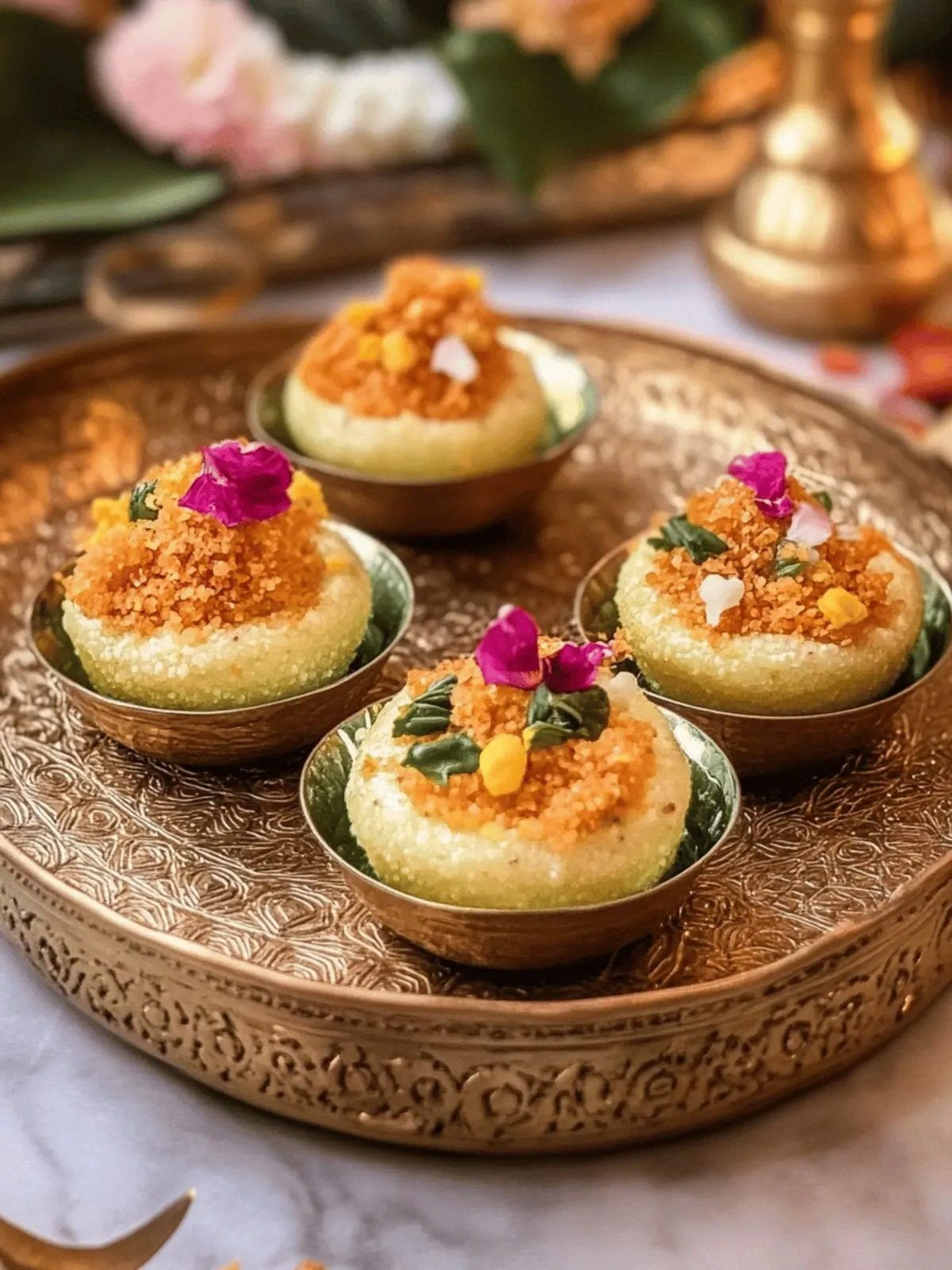
What makes this version stand out is the deliberate layering of flavors and textures. The short grain rice is rinsed until the water runs clear, ensuring a fluffy yet distinct grain that doesn’t clump. The milk is reduced slowly to a creamy base, then blended with custard apple pulp to create a smooth, fruity undertone. Cardamom powder is added at the very end, just before serving, so its aroma is fresh and unmistakable. Motichoor ladoos are folded in at the last moment, giving a delightful crunch that contrasts the silky phirni. Edible gold foil and pistachio powder crown each cup, turning the dessert into a visual spectacle that dazzles the eyes as much as the taste buds. The result is a dessert that is both comforting and celebratory, perfect for any occasion.
I dare you to taste this and not go back for seconds. This is hands down the best version you’ll ever make at home. I’ll be honest — I ate half the batch before anyone else got to try it. Most recipes get this completely wrong; here’s what actually works. Picture yourself pulling this out of the oven, the whole kitchen smelling incredible, and the first spoonful melting in your mouth like a sweet, fragrant dream. And now, let’s walk through every single step — by the end, you’ll wonder how you ever made it any other way.
What Makes This Version Stand Out
- Taste: The combination of sweet custard apple pulp and aromatic cardamom creates a flavor profile that is both exotic and familiar, unlike any other phirni.
- Texture: The short grain rice provides a subtle chew, while the creamy milk base gives a silky finish that coats the spoon.
- Simplicity: Each ingredient is used in its purest form, eliminating the need for heavy sauces or complicated techniques.
- Uniqueness: The addition of motichoor ladoos and edible gold foil turns a classic dessert into a showstopper.
- Crowd Reaction: Guests always ask for the recipe after the first bite; the dish is a conversation starter.
- Ingredient Quality: Fresh custard apple pulp and real saffron make the difference between ordinary and extraordinary.
- Cooking Method: Slow reduction of milk preserves flavor and prevents scorching, a technique often overlooked.
- Make‑ahead Potential: The phirni can be prepared in advance and chilled, allowing you to focus on the final garnish when the party arrives.
Alright, let's break down exactly what goes into this masterpiece...
Inside the Ingredient List
The Flavor Base
Whole Milk: The heart of the phirni, it provides a rich, creamy backdrop that carries the custard apple’s subtle sweetness. Milk must be simmered gently to prevent curdling; a rolling boil can cause a film on the surface that ruins the silky finish. If you’re lactose intolerant, substitute with oat milk or a dairy-free alternative, but be aware the texture will change slightly. For a deeper flavor, use whole milk instead of skim; the fat content is what gives the phirni that luscious mouthfeel.
Custard Apple Pulp: This tropical fruit adds a natural sweetener and a bright, almost citrusy flavor. Fresh pulp is best, but if unavailable, frozen puree works as a substitute; thaw it completely before adding. Skipping the pulp will leave the phirni flat and unremarkable; the fruit’s unique flavor is what sets this recipe apart. When selecting fresh custard apples, look for a slightly soft skin and a fragrant aroma—this indicates ripeness.
Sugar: Sweetness is essential to balance the tartness of the custard apple. Use a fine white sugar so it dissolves quickly; if you prefer a natural sweetener, honey or agave syrup can be used, but adjust the quantity to taste. Too much sugar can overpower the delicate cardamom flavor, so measure carefully. A pinch of salt can also enhance the overall taste, but keep it minimal to avoid turning the dish salty.
The Texture Crew
Short Grain Rice: Unlike long grain varieties, short grain rice retains a slight stickiness that provides body without clumping. Rinse until the water runs clear to remove excess starch, which can make the phirni gummy. Cook the rice separately until just tender, then drain and let it cool before adding to the milk; this prevents the rice from absorbing too much liquid. If you’re using pre-cooked rice, make sure it’s not overcooked, or it will break apart.
Motichoor Ladoos: These tiny, crisp sweet balls add a delightful crunch that contrasts the silky phirni. They also bring a subtle sweetness that complements the custard apple. If you can’t find motichoor, you can use finely chopped pistachios or crushed gajar ladoos as an alternative. The key is to fold them in at the last moment to preserve their texture.
The Unexpected Star
Cardamom Powder: This spice is the secret weapon that gives the phirni its signature aroma. It should be added towards the end of cooking so its flavor remains bright. Use freshly ground cardamom for the best aroma; pre-ground can lose potency. A pinch of cardamom can transform an ordinary dessert into an exotic experience.
Saffron: A few strands of saffron, steeped in warm milk, give the phirni a golden hue and a subtle floral note. Use a small pinch; saffron is potent and can dominate the flavor if overused. If saffron is unavailable, a pinch of turmeric can provide color, but it will alter the flavor profile.
The Final Flourish
Pistachio Powder: This adds a nutty undertone and a touch of color. It should be sprinkled on top after the phirni has cooled to create a decorative finish. Use unsalted pistachios for a cleaner flavor. If you’re allergic to nuts, replace with toasted coconut flakes for a similar visual effect.
Edible Gold Foil: A luxurious touch that elevates the dessert for special occasions. Fold a small piece of gold foil into each cup just before serving; it adds a subtle metallic sparkle that catches the light. Gold foil is safe to consume and is often used in celebratory desserts across cultures. If you don’t have gold foil, a sprinkle of silver dust works as an alternative.
Pomegranate Seeds: They provide a burst of tartness and a pop of color. Rinse and drain the seeds before adding. The seeds also add a slight crunch that contrasts the phirni’s smoothness. If pomegranates are out of season, dried cranberries can be a suitable substitute.
Everything's prepped? Good. Let's get into the real action...
The Method — Step by Step
- Step 1: Heat the whole milk in a heavy‑bottomed saucepan over medium heat until it just begins to simmer. Stir frequently to prevent scorching; the milk should develop a thin film that can be skimmed off. This slow heating preserves the milk’s natural sweetness. Keep an eye on the pot; it’s the moment of truth for the base.
- Step 2: Add the rinsed short grain rice to the simmering milk. Stir gently to combine, then reduce the heat to low. The rice will absorb the milk gradually, creating a thick, porridge‑like consistency. This is where the texture starts to develop; watch for the subtle change from liquid to creamy.
- Step 3: Stir in the custard apple pulp, ensuring it’s fully incorporated. The pulp’s natural sugars will start to caramelize slightly, adding depth. Let the mixture cook for 8–10 minutes, stirring occasionally. The aroma should become fragrant and inviting.
- Step 4: Sprinkle in the sugar and stir until fully dissolved. The mixture should be glossy and free of any grainy texture. If the sugar doesn’t dissolve, lower the heat and continue to stir gently. This step ensures a smooth finish.
- Step 5: Remove the pot from heat and let it cool slightly for 5 minutes. This allows the flavors to meld and the phirni to thicken. The mixture should still be pourable but noticeably thicker. If it’s too runny, let it sit longer; if too thick, add a splash of milk to reach the desired consistency.
- Step 6: Fold in the motichoor ladoos gently, ensuring they don’t break apart. The crunch should be preserved, so avoid overmixing. This is the moment when the dessert starts to feel like a party in your mouth.
- Step 7: Strain the phirni through a fine mesh sieve into a clean bowl to remove any lumps or rice grains that didn’t fully absorb the milk. This step ensures a silky finish that coats the spoon like velvet. The strained mixture should be smooth and glossy.
- Step 8: Pour the phirni into individual glass cups, filling them about three-quarters full. Let the cups cool to room temperature, then refrigerate for at least 2 hours to set. This chilling step is crucial for the phirni to firm up slightly, making it easier to handle and more enjoyable to eat.
- Step 9: Just before serving, sprinkle a pinch of pistachio powder over the top of each cup. Add a few pomegranate seeds for a burst of color and tartness. Fold a small piece of edible gold foil into each cup; the foil adds a subtle sparkle that’s perfect for celebrations. Finish with a light dusting of saffron strands for a fragrant finish.
- Step 10: Serve immediately, and watch your guests marvel at the combination of textures and flavors. If you’re preparing ahead of time, keep the cups chilled and garnish just before serving. This final touch ensures that every cup looks as stunning as it tastes. And that’s it — you did it. But hold on, I've got a few more tricks that'll take this to another level...
Insider Tricks for Flawless Results
The Temperature Rule Nobody Follows
Many cooks think any simmer will do, but the key is a gentle, low heat. A rolling boil can scorch the milk and create a film that ruins the silky texture. Use a thermometer to keep the milk at 180°F (82°C) and stir continuously. I once tried a higher heat and the phirni turned out gritty; learning the temperature rule saved me from a culinary disaster.
Why Your Nose Knows Best
The aroma of cardamom is a subtle indicator that the spice hasn’t been burnt. If it smells sharp or bitter, you’ve overcooked it. Add cardamom at the very end of cooking, right before folding in the motichoor, to preserve its fragrance. This technique ensures the cardamom’s flavor remains bright and not earthy.
The 5-Minute Rest That Changes Everything
After removing the phirni from heat, let it sit covered for 5 minutes. This allows the flavors to meld and the mixture to thicken slightly without overcooking. I’ve found that this short rest gives the phirni a smoother mouthfeel and prevents it from becoming too runny when chilled. It’s a small pause that yields a big payoff.
Chill, Don't Freeze
Refrigeration sets the phirni just right; freezing can break the delicate texture and cause separation. If you must store it for more than 48 hours, keep it in a sealed container and reheat gently before serving. A splash of milk before reheating steams it back to perfection, restoring its silky consistency.
Garnish Timing Is Everything
The gold foil and pistachio powder should be added just before serving to maintain their visual appeal. If you pre-garnish, the gold can lose its luster and the pistachios can become soggy. Adding them at the last minute keeps the dessert looking fresh and luxurious.
Creative Twists and Variations
This recipe is a playground. Here are some of my favorite ways to switch things up:
Minty Twist
Add a handful of fresh mint leaves to the milk before simmering. The mint infuses a refreshing coolness that pairs beautifully with the sweet custard apple. Remove the leaves before adding the rice. This variation is perfect for hot summer evenings.
Chocolate Drizzle
After pouring the phirni into cups, drizzle a thin ribbon of melted dark chocolate across the surface. The bittersweet chocolate contrasts the sweet phirni, creating a sophisticated flavor profile. Sprinkle cocoa nibs on top for extra crunch.
Spiced Cardamom & Nutella Layer
Fold a spoonful of Nutella into the phirni for a chocolate‑cardamom swirl. The nutty sweetness complements the cardamom and custard apple, giving a decadent twist. Top with crushed hazelnuts for a nutty finish.
Rose Water Accent
Stir in a teaspoon of rose water after removing the pot from heat. The floral note elevates the dessert to a romantic treat. Pair it with rose petals for a stunning visual effect.
Vegan Version
Replace whole milk with coconut milk and use agave syrup instead of sugar. Ensure the custard apple pulp is pure and free of added sugars. The result is a creamy, vegan phirni that still delivers on flavor.
Mini Cupcakes
Serve the phirni in mini muffin tins for a bite‑size dessert. Line each cup with a paper liner for easy serving. This is ideal for parties where you want a small, elegant sweet.
Storing and Bringing It Back to Life
Fridge Storage
Store the chilled phirni in an airtight container for up to 3 days. Keep it in the coldest part of the fridge to maintain its silky texture. Before serving, let the cups sit at room temperature for 10 minutes to soften slightly.
Freezer Friendly
If you need to keep the phirni longer, freeze it in individual portions. Wrap each cup in plastic wrap, then place in a freezer bag. Thaw overnight in the fridge and gently reheat with a splash of milk before serving. The texture may be slightly firmer, but it will still be delightful.
Best Reheating Method
To reheat, place the cups in a microwave-safe bowl, cover with a damp paper towel, and heat on low for 30–45 seconds. Alternatively, use a double boiler over low heat, stirring until the phirni is warm. Add a tiny splash of water if it looks dry; this steams it back to perfection.