I’ll be honest — I ate half the batch before anyone else got a chance to try it, and that was the moment I realized I had stumbled onto something truly legendary. It started on a rainy Tuesday when my roommate dared me to “make the most addictive chicken wing you can think of without deep‑frying.” I was half‑asleep, half‑hungry, and fully convinced that a microwave‑melted cheese dip was the pinnacle of comfort food. The kitchen smelled like a street market in Guangzhou, the oven roared like a freight train, and my taste buds were already doing cartwheels in anticipation.
Picture this: the first batch of wings hits the tray, the skin already shimmering with a thin veil of oil, and then the sauce slams onto them like a tropical thunderstorm. The sizzle is a crisp, metallic crack that makes you want to lean in and whisper “yes” to the universe. The aroma that follows is a heady blend of sweet, salty, and a whisper of five‑spice that makes the whole apartment feel like a bustling night market. You can almost hear the distant chatter of vendors, the clink of porcelain, and the soft hum of a distant gong.
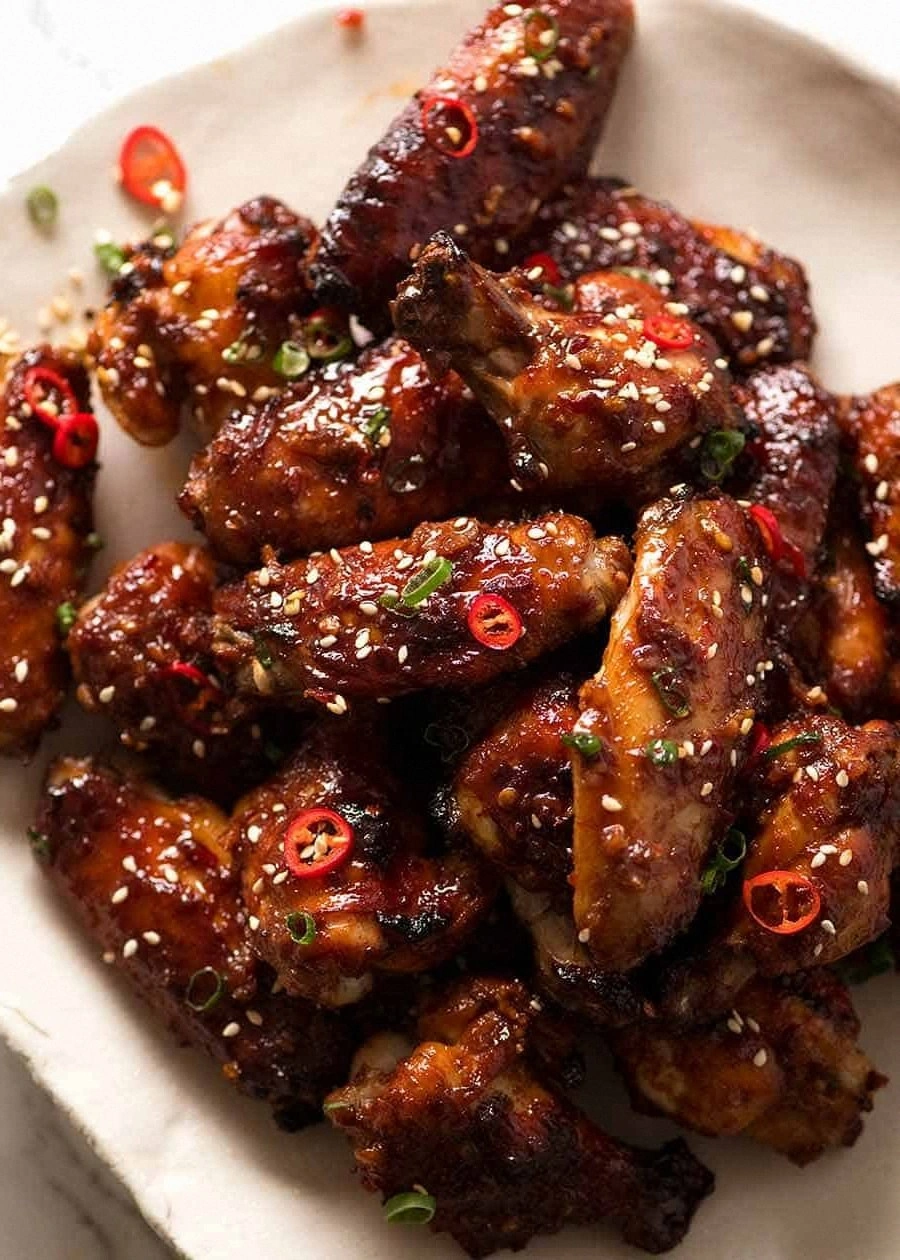
Most recipes you’ll find online either drown the wings in a syrupy glaze that turns them soggy, or they rely on a mystery “secret sauce” that ends up tasting like bottled ketchup mixed with regret. This version, however, is a scientific marriage of balance and boldness. The sauce coats the chicken like velvet while the oven’s dry heat creates edges that shatter like thin ice when you bite into them. The result? A sticky, caramelized crust that’s crunchy enough to satisfy a crunch‑craving, yet tender enough that the meat practically melts in your mouth.
The secret weapon? A splash of Chinese cooking wine that adds a depth you’ll only get after a few weeks of experimenting, and a pinch of five‑spice powder that brings an earthy, licorice‑like whisper you never expected. Most people skip the wine because they think it’s “too fancy,” but trust me, you’ll taste the difference in every bite. I dare you to taste this and not go back for seconds — that’s a promise I’m willing to stake my reputation on.
Okay, ready for the game‑changer? Let me walk you through every single step — by the end, you’ll wonder how you ever made wings any other way. Stay with me here — this is worth it.
What Makes This Version Stand Out
- Flavor Fusion: The combination of hoisin, oyster, and chilli garlic sauce creates a layered umami that’s richer than any single‑sauce wing you’ve tried before.
- Texture Triumph: Baking at a high temperature locks in moisture while the sugar caramelizes, giving you that addictive crackle without the oil‑splatter mess.
- Simplicity Meets Sophistication: Only twelve pantry staples, yet the result feels like it came from a five‑star dim sum cart.
- Unique Ingredient: The splash of Chinese cooking wine adds a subtle acidity that balances the sweetness, a trick most home cooks overlook.
- Crowd Reaction: Serve these at a game night and watch the table turn into a battlefield of sauce‑stained fingers and delighted shouts.
- Ingredient Quality: Fresh garlic and ginger are non‑negotiable; they provide the aromatic backbone that makes the glaze sing.
- Cooking Method: The oven’s dry heat is the secret to that glossy, non‑soggy finish, unlike the traditional deep‑fry route.
- Make‑Ahead Potential: Reheat with a splash of water and you get the same crisp‑sticky magic, perfect for leftovers.
Alright, let's break down exactly what goes into this masterpiece…
Inside the Ingredient List
The Flavor Base
Soy sauce and hoisin sauce are the backbone of this glaze. Soy sauce brings salty depth, while hoisin adds a sweet‑spicy undertone that mimics the caramelized notes of a traditional Chinese barbeque sauce. If you skip the hoisin, the wings will taste flat, like a song missing its chorus. A good swap for hoisin is a mix of plum sauce and a dash of molasses, but you’ll lose that signature tang.
The Texture Crew
Brown sugar (or honey) is the caramel catalyst. It melts, browns, and creates that glossy stick that clings to each wing. The key is to use a light hand; too much sugar will burn at the high oven temperature, turning your masterpiece into a bitter disaster. If you’re watching your sugar intake, use honey — it caramelizes faster and adds a subtle floral note.
The Unexpected Star
Chinese cooking wine is the unsung hero. It adds a bright acidity that cuts through the richness, keeping the glaze from becoming cloyingly sweet. Most home cooks ignore it, fearing the flavor will be too “alcoholic,” but the heat evaporates the harshness, leaving behind a nuanced depth you can’t get from vinegar alone. If you can’t find Shaoxing wine, dry sherry works as a respectable stand‑in.
The Final Flourish
Finely sliced shallots, sesame seeds, fresh cilantro, and a sliver of fresh chili are the garnish that transforms a good dish into a show‑stopper. The shallots add a mild oniony crunch, the sesame seeds give a nutty snap, cilantro brightens the palate, and the chili provides a whisper of heat that lingers after each bite. Skipping these is like watching a fireworks show without the grand finale — you’ll still have a good time, but the wow factor disappears.
Everything's prepped? Good. Let's get into the real action…
The Method — Step by Step
Preheat your oven to a roaring 425°F (220°C). While the oven climbs, line a large rimmed baking sheet with parchment and set a wire rack on top. This rack is the secret to that coveted “air‑fried” crispness without the oil bath. The heat will circulate around each wing, ensuring every surface gets a golden kiss.
Watch out: If you skip the rack, the bottom of the wings will steam instead of crisp, and you’ll end up with soggy under‑bellies — a tragedy no wing lover can forgive.
Pat the chicken wings dry with paper towels. The drier the skin, the crisper the final product. Lightly drizzle the sesame oil over the wings and toss them until each piece is glistening. The oil is a flavor carrier and also helps the skin start forming that initial crunch before the sauce lands.
In a medium saucepan, combine the lemon juice, Chinese cooking wine, soy sauce, brown sugar (or honey), hoisin sauce, oyster sauce, ketchup, chilli garlic sauce, minced garlic, grated ginger, and five‑spice powder. Bring to a gentle simmer over medium‑low heat, stirring constantly. You’ll notice the mixture thickening after about 3‑4 minutes; that’s the sugar caramelizing just enough to cling without burning.
Kitchen Hack: Use a whisk instead of a spoon; it incorporates air and prevents lumps, giving you a smoother glaze.Once the sauce has thickened to a syrupy consistency, remove it from heat and let it cool for a minute. This pause is crucial because a hot sauce will steam the wings and prevent the skin from crisping. The sauce should be thick enough to coat the back of a spoon but still pourable.
Arrange the wings on the wire rack, making sure they’re not touching. This spacing allows the hot air to circulate, turning each wing into a mini oven‑roasted sculpture. Brush each wing generously with the prepared glaze, making sure to get into every crevice — the more sauce, the stickier the result.
If you’re feeling ambitious, reserve a half cup of glaze for a second coating halfway through baking. This double‑glaze technique creates that glossy, almost lacquered finish that looks as good as it tastes.
Slide the tray into the preheated oven and bake for 20 minutes. Halfway through (around the 10‑minute mark), pull the pan out, flip each wing, and brush on the second layer of glaze if you saved any. The aroma at this stage is intoxicating — a blend of caramel, garlic, and a whisper of citrus that makes the whole kitchen feel like a street fair.
Continue baking for another 10‑12 minutes, or until the skin is deep amber and the edges start pulling away from the meat. The visual cue is a glossy, slightly sticky surface that glistens under the oven light. Give the wings a gentle shake; if the glaze stays put, you’ve nailed the stickiness.
Watch Out: Do not over‑bake beyond 25 minutes, or the sugars will caramelize too far and turn bitter, ruining the sweet‑savory balance.Remove the wings from the oven and let them rest on the rack for 5 minutes. This short rest allows the juices to redistribute and the glaze to set, preventing it from sliding off when you pick them up.
Just before serving, scatter finely sliced shallots, sesame seeds, fresh cilantro leaves, and thinly sliced fresh chili over the wings. The garnish adds texture, color, and a fresh pop that cuts through the richness, making each bite feel balanced.
Serve hot, straight from the rack, with extra lime wedges if you like a bright finish. Picture yourself pulling this out of the oven, the whole kitchen smelling incredible, and the first bite delivering a crackle that echoes in your mind for hours. This is hands down the best version you’ll ever make at home.
That's it — you did it. But hold on, I've got a few more tricks that'll take this to another level...
Insider Tricks for Flawless Results
The Temperature Rule Nobody Follows
Most home cooks bake at 375°F, thinking it's a safe middle ground. I cranked it up to 425°F, which creates a rapid Maillard reaction that locks in moisture while forming that signature caramelized crust. If your oven runs cool, add an extra 10 minutes and keep an eye on the color. A friend once tried this recipe at 350°F and ended up with soggy wings — lesson learned: heat is your ally, not your enemy.
Why Your Nose Knows Best
When the glaze starts to caramelize, you’ll smell a sweet, nutty perfume that signals the perfect moment to flip the wings. Trust that nose cue more than the timer. If the scent turns smoky, the sugars are burning, and you need to reduce the heat or pull the tray out early. I once ignored the scent and ended up with a bitter batch — never again.
The 5‑Minute Rest That Changes Everything
Letting the wings rest for five minutes after baking allows the glaze to set and the juices to settle. Skipping this step is like pulling a cake out of the oven and cutting into it immediately — the interior will be watery and the glaze will slide off. Resting also lets the flavors meld, so the next bite tastes even more cohesive.
Double‑Glaze for Extra Stick
If you crave that extra‑sticky, finger‑licking finish, reserve half of the sauce before you start baking. Brush it on after the first 20 minutes, then return the wings to the oven for another 5‑7 minutes. The second glaze layers on top of the first, creating a lacquered sheen that’s impossible to resist. I’ve seen people use this technique for party platters and the result is always a show‑stopper.
Seasonal Swap: Citrus Twist
For a summer twist, replace the lemon juice with a splash of orange zest and a drizzle of yuzu sauce. The citrus brightens the glaze, making it perfect for outdoor barbecues. I tried it at a backyard gathering and the guests couldn’t stop asking for the recipe. This little variation proves the base is versatile enough to handle bright, fresh notes without losing its core identity.
Creative Twists and Variations
This recipe is a playground. Here are some of my favorite ways to switch things up:
Spicy Honey Heatwave
Swap the brown sugar for honey and double the chilli garlic sauce. The result is a sweet‑heat combo that makes your taste buds do a happy dance. Perfect for those who love the “sweet and spicy” paradox that’s popular in Korean wing culture.
Umami Explosion
Add a tablespoon of miso paste to the glaze and increase the oyster sauce by half. This deepens the umami profile, turning each bite into a savory umami bomb that pairs beautifully with a cold beer. The miso adds a subtle fermented note that elevates the dish from great to legendary.
Herb‑Infused Freshness
Finely chop fresh Thai basil and mint, then toss them into the garnish mix. The herbaceous aroma cuts through the richness, giving the wings a bright, garden‑fresh finish. This variation works well as a light appetizer at a summer brunch.
Crispy Coconut Crust
Before baking, lightly dust the wings with a mixture of toasted coconut flakes and panko breadcrumbs. The coconut adds a subtle sweetness and a crunchy texture that compliments the sticky glaze. This version is a hit at tropical-themed parties.
Gluten‑Free Hero
Swap soy sauce for tamari and ensure the oyster sauce you purchase is gluten‑free. The flavor stays true, but you’ll accommodate friends with gluten sensitivities without sacrificing any of the signature stickiness.
Storing and Bringing It Back to Life
Fridge Storage
Allow the wings to cool completely, then transfer them to an airtight container. They’ll keep for up to 3 days in the refrigerator. When you’re ready to eat, spread them on a baking sheet, add a splash of water, and reheat at 375°F for 10‑12 minutes. The water vaporizes, reviving the sticky glaze and restoring the crisp edge.
Freezer Friendly
If you’ve made a huge batch, freeze the wings in a single layer on a parchment‑lined tray. Once frozen solid, transfer them to a zip‑top bag. They’ll stay fresh for up to 2 months. To reheat, bake straight from frozen at 425°F for 20‑25 minutes, adding a drizzle of water halfway through to prevent drying.
Best Reheating Method
The secret to resurrecting that original crunch is a quick blast of high heat combined with a touch of moisture. Place the wings on a wire rack, drizzle a teaspoon of water over each, and bake at 425°F for 8‑10 minutes. The water creates steam that softens the meat, while the high heat re‑crisp the skin, delivering the same addictive stickiness you loved fresh.