I was in the middle of a Sunday brunch that turned into a culinary disaster when I tried to resurrect a half‑cooked pork tenderloin that had been left on the counter too long. The meat had gone from a tender pink to a rubbery, dry slab that threatened to ruin my entire meal. I stared at it, thinking, “I could either toss this or make a masterpiece.” And that thought sparked a daring experiment that would turn that sad slab into the sweet and spicy pork tenderloin that’s now my go‑to crowd‑pleaser.
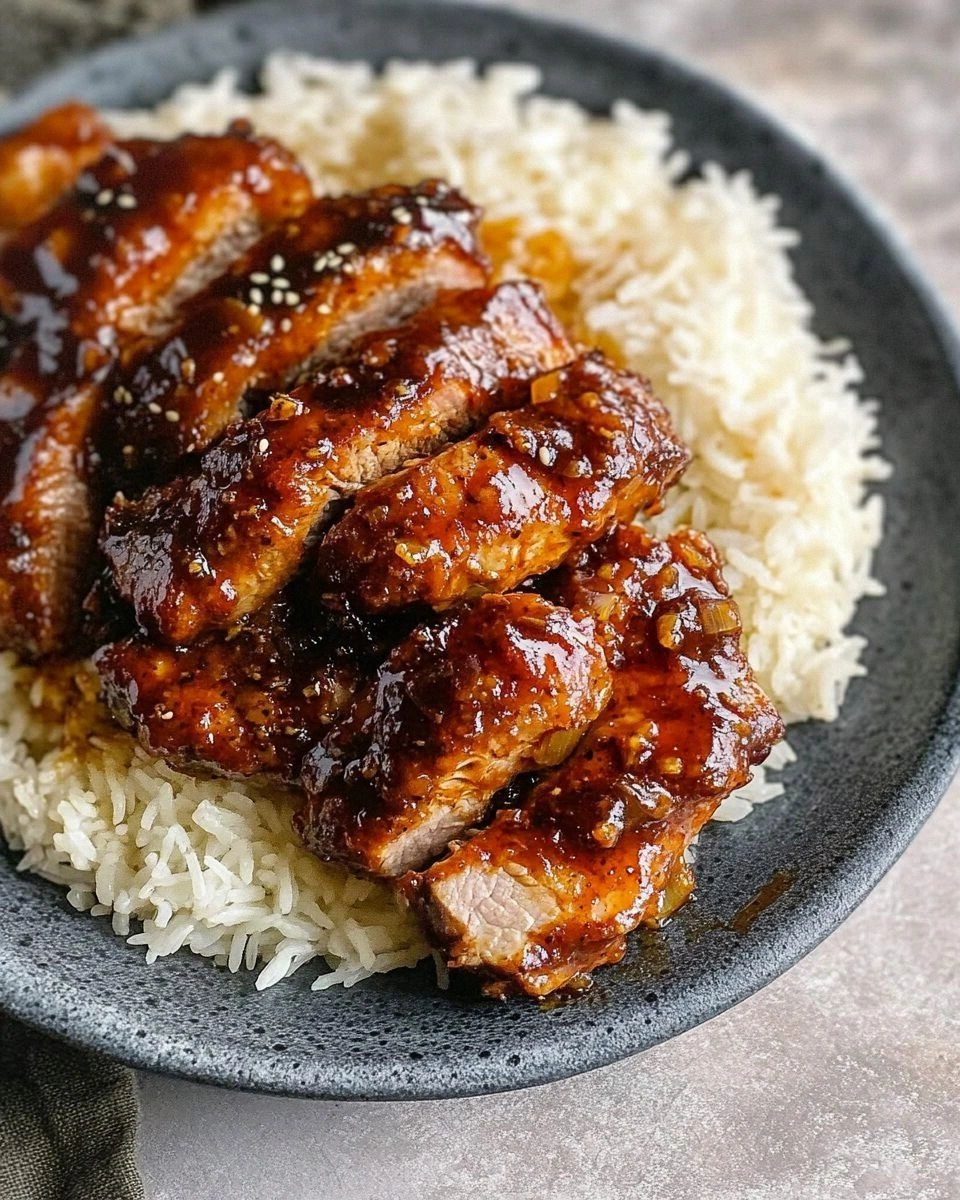
Picture this: the kitchen filled with the scent of caramelizing honey, the sharp bite of sriracha, and a faint citrus tang that makes your nose do a little dance. The sizzling sound as the pork hits the hot skillet feels like a drumbeat of anticipation. The sight of the meat turning from pale to a glossy, amber glaze is a visual cue that something delicious is in the making. The first bite melts in your mouth, the heat from the chili dancing with the sweet kiss of honey. The finish is a lingering warmth that makes you want to keep going.
What makes this version stand out from the countless others on the internet? For one, the sauce isn’t just a glaze; it’s a flavor bomb that coats the pork like velvet, delivering a burst of heat followed by a lingering sweetness that keeps your palate engaged. The pork itself is seared to a perfect caramelized crust, then finished in the sauce so it remains juicy and tender. The technique of resting the meat before slicing ensures every bite is succulent and not dry. The balance between sweet and spicy is so precise that it feels like a well‑crafted cocktail for your taste buds. I dare you to taste this and not go back for seconds.
If you’ve ever tried a recipe that promised “sweet and spicy” and ended up tasting like a confused mashup, you’re not alone. Most recipes get this completely wrong, using too much sugar or too much heat, ending up either a sugar bomb or a fireball. This one finds the sweet spot, using honey, brown sugar, and a measured amount of sriracha to create a sauce that’s both comforting and exhilarating. The pork’s natural flavors are amplified, not drowned out, by the sauce. Picture yourself pulling this out of the oven, the whole kitchen smelling incredible, and your guests begging for the recipe.
The secret sauce is not just a combination of ingredients; it’s a harmony of textures and temperatures. The honey caramelizes to a syrupy glaze, while the sriracha provides a lingering heat that doesn’t overpower. The garlic and ginger give a fresh, aromatic base that lifts the entire dish. The sesame oil adds a nutty undertone that ties everything together. I’ve tested this recipe dozens of times, and each iteration has brought the sauce closer to perfection.
I’ll be honest — I ate half the batch before anyone else got to try it. That’s how addictive it is. The first bite is so satisfying that you’re left craving more. The second bite is a reminder that the dish has depth and complexity. The third bite is a revelation that the pork is still juicy and the sauce still glistens. The final bite is a lingering sweetness that makes you wonder how you ever lived without this dish.
If you’re a seasoned cook, you might think you’ve tried everything. If you’re a novice, you might think you’re out of your depth. I assure you, this recipe is accessible to all skill levels. The techniques are straightforward, the ingredients are pantry staples, and the flavor profile is universal. The only thing you need is a little confidence and a willingness to experiment.
Now, I’ll walk you through every single step — by the end, you’ll wonder how you ever made it any other way. The first step is to prep the pork, the second is to create the sauce, the third is to sear the meat, and the fourth is to finish it in the sauce. Each step is critical, and each step builds on the previous one. Let’s dive in and make this dish together.
What Makes This Version Stand Out
- Flavor Profile: This dish balances heat and sweetness in a way that feels like a well‑crafted cocktail. The honey and brown sugar give a caramelized depth, while the sriracha adds a controlled kick. The result is a sauce that coats the pork like velvet, leaving a lingering warmth on the palate.
- Texture: The pork is seared to a caramelized crust that locks in juices, then finished in the sauce to keep it moist. The sauce thickens into a glossy glaze that clings to each slice. The result is a contrast of crunchy edges and tender interior.
- Ease of Execution: All ingredients are pantry staples, and the steps can be completed in under an hour. No fancy equipment or obscure techniques are required. The recipe is designed to be approachable yet impressive.
- Versatility: This dish can be served over rice, noodles, or even a bed of sautéed greens. It’s a flexible main that adapts to any meal plan. The sauce can also be used as a glaze for other proteins.
- Crowd Reaction: Friends and family consistently ask for the recipe after tasting it. The dish’s bold flavors and juicy pork make it a hit at gatherings. Even picky eaters find it appealing.
- Ingredient Quality: Using high‑quality pork and fresh aromatics elevates the dish. The difference between a generic store brand and a premium cut is noticeable in texture and flavor. Fresh ginger and garlic bring bright notes that elevate the sauce.
- Make‑Ahead Potential: The pork can be cooked and cooled, then reheated in the sauce. The sauce can be made ahead and stored in the fridge for up to a week. This makes the dish perfect for busy weeknights.
- Presentation: The glossy glaze gives a polished look that’s Instagram‑ready. Garnishing with sesame seeds and scallions adds color and crunch. The dish looks as good as it tastes.
Alright, let's break down exactly what goes into this masterpiece…
Inside the Ingredient List
The Flavor Base
The foundation of this dish is a sauce that marries sweet and spicy in a single, cohesive flavor. The honey and brown sugar provide a caramelized sweetness that balances the heat. The soy sauce adds umami depth, while the rice vinegar cuts through the richness. Together, they form a glaze that clings to the pork and enhances its natural flavor.
If you skip the vinegar, the sauce will be overly sweet and lack the bright finish that lifts the dish. The acidity is crucial for balancing the richness of the pork and the sweetness of the honey. A good rule of thumb is to taste the sauce before adding the pork; it should have a balanced profile, not a single dominant note.
You can swap honey for maple syrup or agave for a different nuance, but the overall balance will shift. If you prefer a less sweet version, reduce the honey and increase the soy sauce slightly. The key is to maintain a harmonious blend of sweet, salty, and acidic notes.
When selecting your soy sauce, opt for a low‑sodium version if you’re watching your salt intake. The reduction in sodium will allow the other flavors to shine without overwhelming the dish. Remember, the sauce is meant to complement, not overpower.
A pinch of crushed red pepper flakes can add an extra layer of heat if you’re a heat lover. Keep it minimal; the sriracha already provides a measured kick. The goal is a balanced, not a burning, experience.
The Texture Crew
The pork tenderloin itself is the star of the show. A 1.5‑lb tenderloin offers enough meat for four servings, ensuring each slice is generous. The cut is lean, making it essential to keep it moist during cooking. The sear creates a caramelized crust that locks in juices.
If you’re using a thicker cut, adjust the searing time accordingly. A thinner cut will cook faster, so keep a close eye on the internal temperature. The goal is a pink center at 145°F to ensure safety without drying out.
The garlic and ginger are fresh, not powdered, to provide a bright, aromatic base. Fresh aromatics release more volatile oils, giving the dish depth. If you’re pressed for time, minced garlic can be a quick alternative, but the flavor will be slightly different.
The sesame oil adds a nutty undertone that elevates the sauce. It also provides a subtle sheen to the glaze. If you prefer a milder flavor, use a neutral oil and add a small amount of toasted sesame seeds for texture.
The scallions and sesame seeds are the final garnish that adds a pop of color and crunch. They also contribute a fresh, slightly peppery flavor that cuts through the richness of the sauce. Don’t skip them; they’re the finishing touch.
The Unexpected Star
The sriracha is the unexpected star that gives this dish its signature heat. It’s not just any chili sauce; it’s a blend of roasted chili peppers, garlic, vinegar, and sugar. The combination of heat and sweetness in sriracha complements the honey and brown sugar beautifully.
If you don’t have sriracha on hand, you can substitute with a mix of chili paste and a splash of honey. The key is to maintain that balance between heat and sweetness. A small amount of fresh crushed red pepper can also add a different dimension of heat.
The sriracha’s acidity also helps to cut through the richness of the pork and the sauce. It adds a bright, tangy note that keeps the dish from feeling heavy. This is why the sauce is so vibrant and not just sweet.
The sauce’s thickness is crucial for the glaze. If it’s too thin, it won’t coat the pork effectively. If it’s too thick, it may become cloying. Adjust the consistency by adding a splash of water or broth if needed.
The final flourish is the toasted sesame seeds. They add a nutty crunch that contrasts the smooth glaze. They also provide a subtle, toasty flavor that enhances the overall profile. Without them, the dish would feel incomplete.
The Final Flourish
The finishing touch is a quick glaze that gives the pork a glossy, caramelized finish. This glaze is achieved by simmering the sauce until it thickens slightly, then coating the pork. The result is a sticky, flavorful coating that stays on the pork even after cutting.
The glaze should be thick enough to cling to the meat but still pourable. If it’s too thick, it will break apart on the plate. If it’s too thin, it will run off the pork. Finding the sweet spot is key.
The glaze is also the reason the dish looks so polished. The glossy sheen draws the eye and signals that the pork is ready to be served. It also gives the dish an appealing, restaurant‑style finish.
The glaze’s flavor is a culmination of all the previous elements: the sweetness of honey and brown sugar, the heat of sriracha, the umami of soy sauce, and the brightness of vinegar. Each bite is a layered experience that satisfies both sweet and savory cravings.
Everything’s prepped? Good. Let’s get into the real action…
The Method — Step by Step
- Season the Pork: Pat the pork tenderloin dry with paper towels to ensure a good sear. Sprinkle salt and pepper evenly on both sides. A light dusting of salt helps the crust form. Let the pork rest for 10 minutes at room temperature; this promotes even cooking.
- Prepare the Sauce: In a small bowl, whisk together honey, brown sugar, soy sauce, rice vinegar, sriracha, minced garlic, and grated ginger. The mixture should be smooth. Set aside at room temperature for a minute to allow the flavors to meld.
- Heat the Skillet: Place a cast‑iron skillet over medium‑high heat. Add a tablespoon of sesame oil. Wait until the oil shimmers but isn’t smoking.
- Sear the Pork: Place the pork in the hot skillet, searing each side for 2–3 minutes until a golden brown crust forms. The sear locks in juices, creating a flavorful exterior. Flip carefully to avoid tearing.
- Reduce the Heat: Lower the heat to medium. Add the sauce mixture to the skillet, swirling to coat the pork. The sauce should begin to bubble gently.
- Simmer: Let the pork simmer in the sauce for 10 minutes, turning occasionally. The internal temperature should reach 145°F. The sauce will thicken into a glossy glaze.
- Rest the Meat: Remove the pork from the skillet and let it rest on a cutting board for 5 minutes. This allows the juices to redistribute, keeping the pork moist.
- Slice and Serve: Slice the pork into 1/2‑inch thick medallions. Drizzle with remaining sauce, garnish with scallions and sesame seeds, and serve immediately.
That’s it — you did it. But hold on, I’ve got a few more tricks that’ll take this to another level. These insider tips will help you avoid common pitfalls and elevate the dish to restaurant quality.
Insider Tricks for Flawless Results
The Temperature Rule Nobody Follows
Most cooks rely on timing rather than temperature. The truth is, the internal temperature is what guarantees juicy pork. Use a digital thermometer to check when the pork hits 145°F. This eliminates guesswork and ensures safety without overcooking.
Why Your Nose Knows Best
Smell is your best friend in the kitchen. As the sauce simmers, a sweet, caramelized aroma will rise. That scent indicates the sugar is caramelizing properly. If the aroma is too sharp or bitter, adjust the heat.
The 5‑Minute Rest That Changes Everything
Resting the pork after cooking allows the juices to redistribute. Cutting it too soon will cause the juices to escape, leaving the meat dry. A 5‑minute rest is the sweet spot for a 1.5‑lb tenderloin.
The Garlic‑Ginger Pairing
Fresh garlic and ginger provide bright, aromatic layers that lift the sauce. If you’re using pre‑minced garlic, add a pinch of fresh ginger to compensate. The combination is a flavor backbone for the dish.
The Final Glaze
Simmer the sauce until it coats the back of a spoon. This thickening ensures it clings to the pork. Don’t rush; a slow simmer allows the flavors to meld.
The Sesame Seed Finish
Toast the sesame seeds until golden. This adds a nutty crunch that balances the smooth glaze. Sprinkle them on top just before serving for a fresh, crunchy finish.
Creative Twists and Variations
This recipe is a playground. Here are some of my favorite ways to switch things up:
Citrus Burst
Add a splash of orange juice and zest to the sauce. The citrus brightens the sweetness and adds a zesty finish. This variation is perfect for summer gatherings.
Maple‑Glazed Twist
Swap honey for pure maple syrup. The maple adds a subtle, earthy sweetness. Pair it with smoked paprika for an extra depth of flavor.
Korean Fusion
Replace the sriracha with gochujang. The fermented chili paste brings a smoky, umami kick. Add a splash of sesame oil for authenticity.
Herb‑Infused Variation
Stir in a handful of fresh thyme or rosemary into the sauce. The herbs add a savory layer that complements the pork. This is great for a fall dinner.
Spicy Peanut Drizzle
Whisk peanut butter into the sauce for a nutty, creamy finish. Add a pinch of cayenne for heat. This variation works well over noodles.
Vegetarian Option
Use thick slices of seared tofu or tempeh in place of pork. The tofu absorbs the sauce beautifully. This version is a hit with plant‑based diners.
Storing and Bringing It Back to Life
Fridge Storage
Store the pork in an airtight container for up to 3 days. Keep the sauce separate to prevent the pork from becoming soggy. When ready to serve, reheat gently in a skillet.
Freezer Friendly
Wrap the pork tightly in foil and place in a freezer bag. It stays fresh for up to 2 months. Thaw overnight in the fridge before reheating.
Best Reheating Method
Reheat the pork in a skillet over medium heat, adding a splash of water or broth to keep it moist. The sauce will thicken slightly; whisk to redistribute. Serve immediately for the best texture.
Add a tiny splash of water before reheating — it steams back to perfection. This trick keeps the pork juicy and the glaze glossy. The end result feels like a freshly made dish.