Three weeks ago I almost threw a half-empty jar of tahini in the trash because I was convinced it could never be anything more than the glue that holds hummus together. Then came the Tuesday night when my best friend texted, "Dinner at yours? I’m bringing tomatoes." I had nothing but spaghetti, that sad jar, and a pint of cherry tomatoes threatening to wrinkle in the back of my fridge. One thing led to another, garlic hit hot oil, tomatoes blistered, and before I knew it I was swirling silky tahini into starchy pasta water like a mad scientist. The smell that rose up was nutty, roasty, almost caramel-sweet, and the first forkful was so outrageously creamy I actually looked around my empty kitchen to see if anyone had witnessed the miracle. I ate the entire skillet standing at the stove, half horrified, half euphoric, already plotting the next batch before I swallowed the last bite.
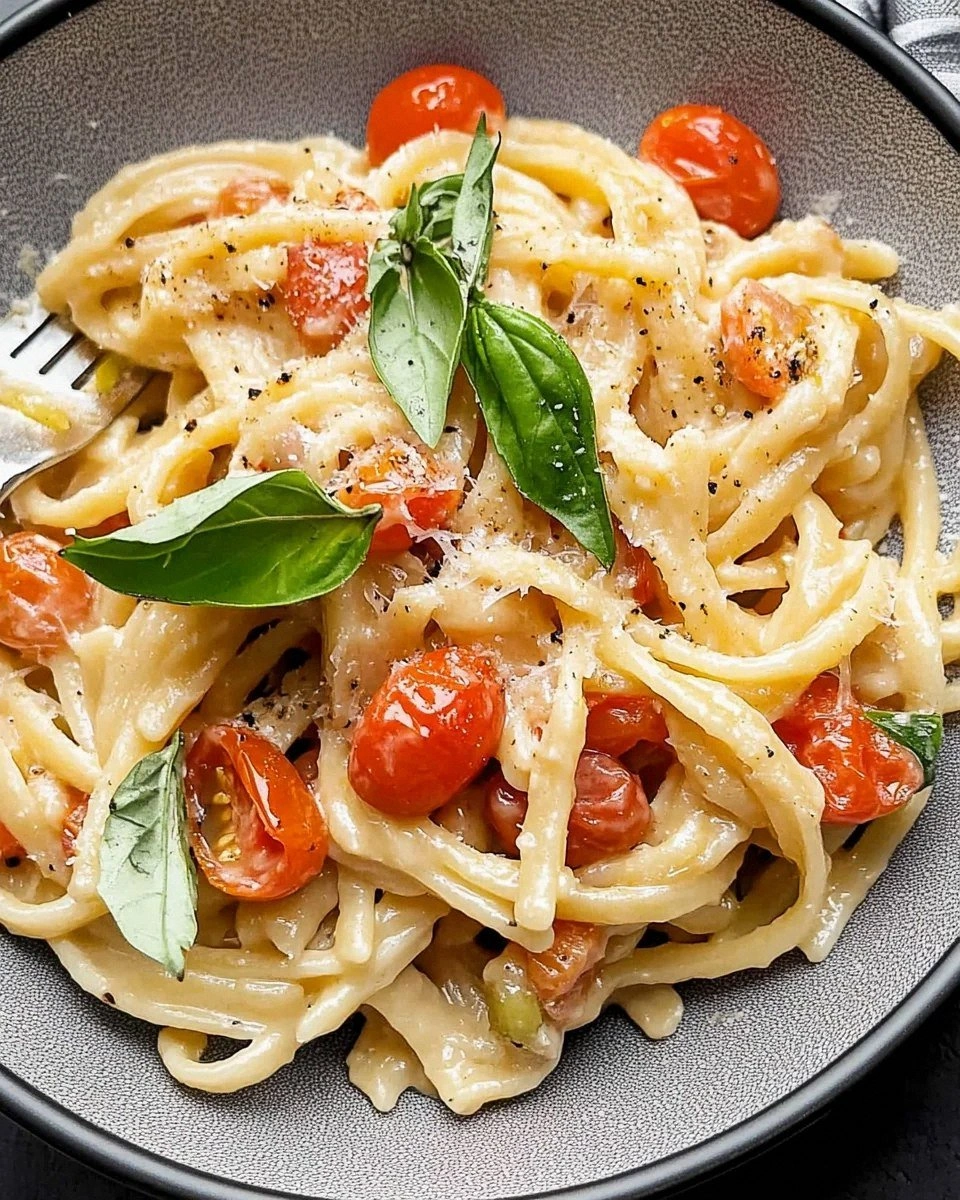
Picture this: glossy noodles sliding through a sauce that coats every strand like liquid velvet, punctuated by tomatoes that have burst into jammy pockets of sunshine. There’s garlic that’s mellowed into gentle sweetness, a whisper of lemon lifting the sesame richness, and the kind of black-pepper bite that makes your lips tingle in the best way. The texture is pure alchemy — tahini loosens into a cloud, yet clings just enough, so each mouthful feels both luxurious and comforting. I dare you to taste this and not go back for seconds; I double-dog dare you, because I personally failed that challenge in spectacular fashion. If you’ve ever thought tahini belongs only in the savory-sweet land of dressings and dips, prepare to have your pasta paradigm permanently shifted.
Most weeknight pasta recipes ask you to babysit a simmering red sauce or dirty a blender for pesto. This one demands a single pan, ten minutes of actual attention, and ingredients you probably have lurking already. The tomatoes blister while the pasta boils; the sauce emulsifies itself in the residual heat. No straining, no sieves, no frantic whisking. Even better, it scales like a dream: feed two on a date night or six at a potluck without breaking stride. Future you — the one staggering in after work, starving and slightly cranky — will thank present you for learning this trick.
Okay, ready for the game-changer? The secret isn’t just tahini; it’s the pasta water you’ve been pouring down the drain. That cloudy, salty, starch-laced liquid is pure culinary gold, turning sesame paste into a satiny emulsion that refuses to clump. Stay with me here — this is worth it. Let me walk you through every single step, from choosing the right noodles to the final flourish of parsley, so by the end you’ll wonder how you ever made it any other way.
What Makes This Version Stand Out
- Velvet-Coat Technology: The tahini emulsifies with starchy pasta water into a sauce that drapes each noodle like custom silk, no heavy cream required. You’ll swear there’s a quart of dairy hiding in there, but the creaminess is 100% plant-powered sesame magic.
- One-Pot Tomato Alchemy: Instead of roasting tomatoes separately, we blister them directly in garlic oil until their skins split and insides slump into a sweet-tart compote. The juices mingle with the sauce, giving you built-in brightness and depth without extra dishes.
- Speed-of-Light Dinner: From cold pan to plated bowl in under twenty-five minutes, this dish moves at the pace of a sitcom episode. While the pasta boils you’re already frying tomatoes; by the time the noodles hit al dente, the sauce is waiting with open arms.
- Pantry-Hugger Friendly: No obscure ingredients, no last-minute grocery heroics. Tahini keeps for months, cherry tomatoes freeze beautifully, and everything else is basic fridge staples. Translation: midnight craving? You’re covered.
- Crowd-Pleasing Plot Twist: Serve it to vegan friends and they’ll crown you kitchen royalty. Offer it to die-hard dairy lovers and watch them melt when they learn the "cream" is sesame. I’ve seen both camps fight over the last forkful; bring a wooden spoon for referee duties.
- Leftover Glow-Up: Unlike cream-based sauces that congeal into sad rubber, tahini loosens again with a splash of water, tasting even brighter the next day. Pack it for lunch and bask in jealous cubicle stares when that garlicky aroma escapes the Tuppernerd.
Alright, let’s break down exactly what goes into this masterpiece, starting with the cast of characters that should win awards for best supporting roles.
Inside the Ingredient List
The Flavor Base
Tahini is the undisputed star, but quality varies wildly. Look for jars that list only sesame seeds and maybe salt; avoid brands with added oils that separate into weird greasy layers. Good tahini smells like freshly shelled sunflower seeds and pours like loose peanut butter. If yours has been sitting since the Stone Age and smells bitter, toss it — rancid sesame will ruin the entire dish and there’s no rescue mission. When shopping, give the jar a gentle shake; it should slosh slightly, indicating natural oils rather than stiff additives.
Garlic provides the savory backbone. I use four fat cloves because I live dangerously and enjoy vampire-free living. Smash, peel, then slice it thin so it frizzles quickly and perfumes the oil without burning. Skip the jarred minced stuff; it tastes like disappointment and wet pennies. If you’re sensitive to pungency, drop the cloves into cold oil and let them heat together — this mellows the bite and brings out natural sweetness.
The Texture Crew
Cherry tomatoes should feel heavy for their size and have taut, glossy skins. If they’re dull or wrinkled, they’ll never burst properly; instead they’ll shrivel into bitter pellets of sadness. During winter months, I splurge on the snacking-pint of Campari tomatoes — they’re bigger but reliably juicy. Want a fun twist? Use a mix of red and Sungold varieties; the yellow ones are candy-sweet and create gorgeous color contrast against the beige sauce. Give them a quick rinse, but don’t bother drying; a little clinging water helps steam the skins so they split faster.
Pasta shape matters more than you think. Ridged or tubular noodles grab the sesame cloak better than slippery spaghetti. I’m partial to fusilli or casarecce because the sauce nestles inside every spiral like it’s paying rent. Gluten-free friends, reach for chickpea or red-lentil pasta; the nutty undertones marry beautifully with tahini and you score bonus protein. Whatever you choose, cook it just shy of package time; we’ll finish it in the sauce where it drinks up flavor and achieves textbook al dente.
The Unexpected Star
Lemon zest and juice act like high-definition filters, sharpening all the earthy notes and preventing sesame fatigue. Use an organic lemon if possible; conventionally grown ones often sport a wax coating that tastes like crayon shavings. Zest first, then halve and squeeze — one medium fruit usually yields exactly what we need. In a pinch, white wine vinegar can sub for juice, but you’ll miss the floral oils in the peel that make the sauce sing. Pro move: micro-plane the zest directly over the skillet so those volatile oils land where they’re needed most.
Reserved pasta water is the invisible miracle worker. I ladle out at least a cup before the noodles are done; it’s liquid gold seasoned by salt and starch. The starch molecules act as natural emulsifiers, allowing oil-based tahini and water to mix into a stable, glossy sauce. Skip this and your sesame paste will seize into concrete pebbles that refuse to hug noodles. Cold tap water won’t save you — temperature and salinity both matter for the silkiest emulsion.
The Final Flourish
Toasted sesame oil delivers a one-two punch of aroma. A teaspoon drizzled at the end amplifies nuttiness and adds a haunting perfume that drifts through the kitchen like edible incense. Buy small bottles and keep them in the fridge; the oil oxidizes faster than gossip and turns rancid before you can say "open sesame." If you only have regular sesame oil, warm two tablespoons in a dry pan until fragrant, then cool slightly before using — instant toasty depth without the specialty bottle.
Flat-leaf parsley adds color and a grassy snap that keeps the dish from feeling heavy. Curly parsley tastes like damp newspaper; skip it. If herbs aren’t your scene, thinly sliced scallion greens or even a handful of baby arugula will perform the same palate-cleansing function. Save the garnish until just before serving; chlorophyll wilts faster than my enthusiasm for Monday meetings.
Everything’s prepped? Good. Let’s get into the real action where tomatoes hit hot oil and the magic begins.
The Method — Step by Step
- Bring a large pot of well-salted water to a rolling boil — it should taste like the sea on a brave day. Add your pasta and set a timer for two minutes less than package directions; we’re finishing in the sauce later. While the noodles cavort, heat a wide skillet over medium heat and add three tablespoons of olive oil. Swirl to coat, then scatter in the sliced garlic. Listen for the gentle sizzle that sounds like applause starting in a distant theater; that’s your cue to stir constantly for thirty seconds until the edges turn pale gold. Do not, and I repeat do not, let it bronze — bitter garlic is the fastest way to murder this dish.
- Tip in the cherry tomatoes and a hearty pinch of salt. The oil will hiss as tomato moisture hits hot metal — that sizzle when it hits the pan? Absolute perfection. Shake the skillet so tomatoes roll around like happy marbles, then let them sit undisturbed for ninety seconds. You’re encouraging blistering, not steaming, so resist the urge to stir too soon. When the skins start to wrinkle and char in spots, give another toss and lower heat slightly. The goal is burst, not mush; we want intact pockets of jammy insides, not tomato soup.
- Meanwhile, whisk together tahini, lemon juice, and zest in a heat-proof measuring cup. It will thicken into a stubborn paste — no panic, this is normal. Ladle out one cup of pasta water and slowly drizzle a quarter cup into the tahini while whisking. Watch the paste loosen into a pourable sauce that ribbons off the spoon like melted ice cream. If it seizes, add another splash of water and keep whisking; it always comes back together.
- Taste a noodle two minutes shy of al dente — there should be a firm white core. Using tongs, transfer pasta directly into the skillet with tomatoes; a little clinging water is welcome. Pour the tahini mixture over everything and toss vigorously with the tongs, adding pasta water a few tablespoons at a time until the sauce lacquers every curve. The pan should look creamy, not soupy; if it puddles, you’ve gone too far and need to cook thirty seconds more to tighten.
- Crank the heat back to medium and keep tossing for one final minute. The sauce will bubble gently and thicken as starch and sesame proteins mingle. Add a generous grind of black pepper — we’re talking fifty twists of the mill — and taste for salt. Tomatoes vary in sweetness, so you might need a pinch more to balance. If it feels heavy, brighten with an extra squeeze of lemon; if too sharp, a drizzle of maple syrup rounds the edges without announcing itself.
- Remove from heat and let the skillet sit for exactly two minutes. This brief rest allows the sauce to relax and cling rather than slide off. Drizzle the toasted sesame oil and scatter parsley across the surface. Serve directly from the pan because you’ve earned the rustic glamour, or twirl into warmed bowls if you’re trying to impress someone who collects ceramic dishware.
That’s it — you did it. But hold on, I’ve got a few more tricks that’ll take this to another level and ensure flawless results every single time.
Insider Tricks for Flawless Results
The Temperature Rule Nobody Follows
Room-temperature tahini blends like a dream, while cold paste seizes into concrete pebbles that refuse to emulsify. I keep my jar on the counter an hour before cooking or float it in warm tap water for five minutes. If you’re rushed, microwave the measured amount in a shallow bowl for ten-second bursts, stirring between zaps until it flows like thin yogurt. Conversely, pasta water needs to be piping hot when it meets tahini; the heat gently cooks the proteins and prevents raw flour taste. A friend tried skipping this step once — let’s just say it didn’t end well and her sauce looked like cottage cheese on a bad hair day.
Why Your Nose Knows Best
Your sense of smell is the built-in timer for this recipe. When garlic hits the pan, you want a soft, buttery aroma that makes you imagine garlic bread, not acrid bitterness that stings your eyes. If you smell sharpness, lower heat immediately and toss in a tomato to cool the oil. Similarly, tomatoes are done when they release a sweet, almost caramel perfume with a whisper of smoke. Trust the schnoz — it’s far more accurate than any kitchen timer I’ve owned.
The Five-Minute Rest That Changes Everything
Once the pasta is coated, resist diving in immediately. Let the skillet sit off heat for five short minutes; starch molecules continue swelling and the sauce tightens to a restaurant-quality sheen. Cover with a lid if your kitchen is drafty, but leave a crack so steam escapes and doesn’t water down the magic. During this pause, set the table, pour yourself something cold, and bask in the aroma because you’re about to become a kitchen legend.
Seasonal Swaps Without Tears
Out of cherry tomatoes? Fold in a handful of sun-dried strips with a splash of their oil for umami depth. Summer heirloom overload? Dice two cups of ripe beefsteaks and add them raw to the hot pasta; the residual heat warms them just enough to release juices without turning mushy. Winter blues? Roast cubed butternut squash at 425°F until caramel-edged and tumble them in at the end for a sweet, earthy counterpoint.
Double-Batch Brilliance
This recipe scales like a charm, but only increase the tahini by 1.5x when doubling; too much sesame overwhelms the balance and creates a sandy mouthfeel. Cook pasta in the largest pot you own so noodles don’t glue together, and reserve extra pasta water in a thermos so it stays hot while you work in batches. Future you, reheat leftovers with a splash of water and a squeeze of lemon, and it tastes like you just cooked.
Creative Twists and Variations
This recipe is a playground. Here are some of my favorite ways to switch things up:
Smoky Chipotle Remix
Stir in a teaspoon of adobo sauce and a minced chipotle pepper with the tahini. The gentle heat smolders against sesame richness, and the tomato sweetness becomes a smoky-sweet barbecue vibe. Top with crushed tortilla chips for crunch and a shower of cilantro. My spice-loving cousin calls this "pasta that hugs you back with a little bite."
Mediterranean Goddess Bowl
Toss in a handful of baby spinach during the final toss so it wilts into silky ribbons. Add a scoop of chickpeas for protein, then finish with chopped cucumber, dill, and a crumble of vegan feta. The cool crunch against warm sesame sauce is like a spa day in bowl form, and you’ll feel virtuous enough to justify an extra slice of garlic bread.
Peanutty Bangkok Nights
Swap half the tahini for natural peanut butter and add a teaspoon each of soy sauce and maple syrup. Finish with a squeeze of lime, sliced Thai chilies, and a tangle of fresh basil. The result tastes like the love child of pad Thai and dan dan noodles, slurpable and addictive. I once served this at a potluck and came home with an empty Dutch oven and three marriage proposals.
Green Garden Glow
Blend a cup of baby arugula with the tahini and lemon juice before loosening with pasta water. The sauce turns emerald and carries a peppery bite that plays beautifully against sweet tomatoes. Top with shaved zucchini ribbons and toasted pine nuts for a verdant spring vibe that photographs like a magazine cover.
Roasted Red Pepper Velvet
Blend a roasted red pepper into the tahini mixture for a sunset-orange sauce that’s sweeter and silkier. Smoked paprika and a pinch of cinnamon give it Spanish swagger. Serve with a side of crusty bread to swipe every last streak of sauce because leaving any behind should be considered a culinary crime.
Coconut Curry Comfort
Warm a tablespoon of red curry paste in the garlic oil before adding tomatoes. Replace half the pasta water with full-fat coconut milk and finish with a splash of fish sauce or soy for depth. The sauce becomes luxuriously tropical, fragrant with lemongrass undertones that make you want to eat barefoot with the windows open even in February.
Storing and Bringing It Back to Life
Fridge Storage
Transfer cooled pasta to an airtight container and refrigerate up to four days. Press a sheet of plastic wrap directly onto the surface to prevent the sauce from drying into a sesame skin. The flavors meld and deepen, so day-two lunch is often better than the original. Store any extra parsley separately so it stays perky and green rather than sulking into gray specks.
Freezer Friendly
Portion into freezer-safe zip bags, squeeze out excess air, and freeze flat for up to two months. Thaw overnight in the fridge, then reheat gently with a splash of water and a squeeze of lemon to wake up the flavors. The texture remains surprisingly creamy, though fresh tomatoes may soften more — still delicious, just different. Label the bag; mystery freezer blocks are how culinary dreams go to die.
Best Reheating Method
Warm a non-stick skillet over low heat, add pasta with two tablespoons of water per serving, and cover for three minutes. The steam loosens the sauce without breaking it. Toss frequently until heated through, then brighten with a pinch of salt and a drizzle of lemon. Microwave works in a pinch: use 50% power in thirty-second bursts, stirring between zaps, and finish with fresh parsley so it tastes intentional, not leftover.