I still remember the exact moment tiramisu truffles changed my life. It was 11:47 p.m. on a Tuesday, I was wearing mismatched socks and a hoodie covered in flour, and I had just burned a tray of chocolate chip cookies so badly that the smoke alarm was serenading the neighborhood. My friend Marco had bet me twenty bucks that I couldn't turn his favorite tiramisu into something you could pop in your mouth like candy. Challenge accepted, dignity optional. What emerged from my kitchen that night looked like a disaster zone, but the first bite of those messy, misshapen balls of coffee-drenched heaven? Pure redemption. The espresso hit first, bold and unapologetic, then came the silky whisper of mascarpone, and finally that cocoa-dusted exhale that made my roommate abandon her Netflix binge and materialize beside me like a dessert-seeking missile. By midnight we were both leaning against the counter, eyes closed, not speaking, just letting the flavors do all the talking. I never cashed that twenty — some victories are worth more than money.
Fast forward three years, and I've made these truffles for bridal showers, office potlucks, and once for a very fancy first date where I accidentally dropped one down my shirt and still got a second date. They've become my secret weapon, the thing people request by name before they even say hello. Yet everywhere I look, recipes get this dessert completely wrong. They turn it into a dry, crumbly mess that tastes like coffee-flavored sawdust, or they drown it so much in liqueur that your guests start dancing on tables. Most versions miss the point entirely: a tiramisu truffle should feel like the original dessert reinvented as a whisper — all the drama, none of the fork. It should dissolve on your tongue like a secret, leaving behind that haunting trio of espresso, cocoa, and something creamy you can't quite name.
This version I'm sharing today is the accumulation of dozens of late-night experiments, one regrettable incident with a fire extinguisher, and a blind tasting panel that included my toughest Italian nonna friends. It uses a base of cream cheese instead of the traditional mascarpone because, let's be honest, most of us aren't keeping mascarpone around unless we're planning a dinner party or attempting to impress someone who uses words like "mouthfeel" unironically. The cream cheese gives you that same tangy richness but with better stability and a price tag that won't make you cry. The ladyfingers get toasted first — trust me on this — so they stay crisp even after their coffee bath. And the coffee liqueur? We're using just enough to make it feel grown-up, not enough to make you text your ex.
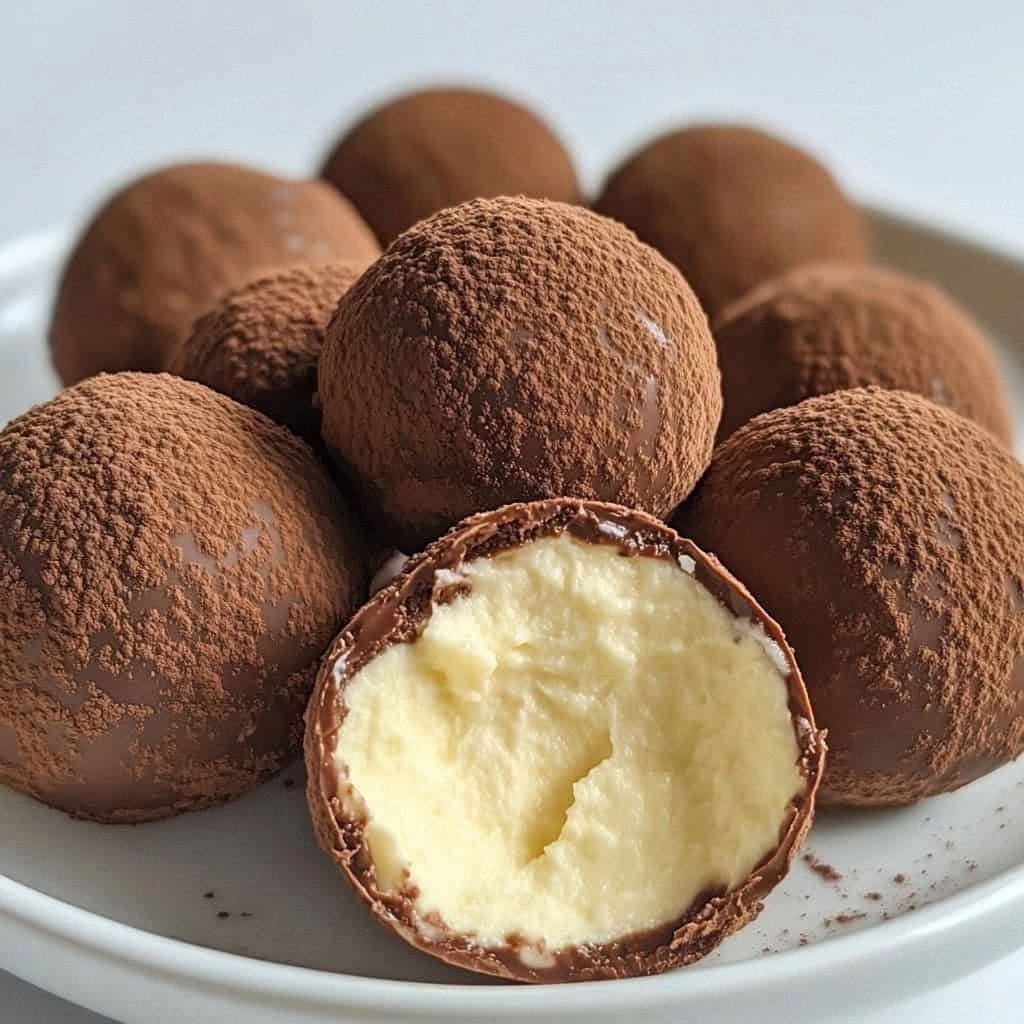
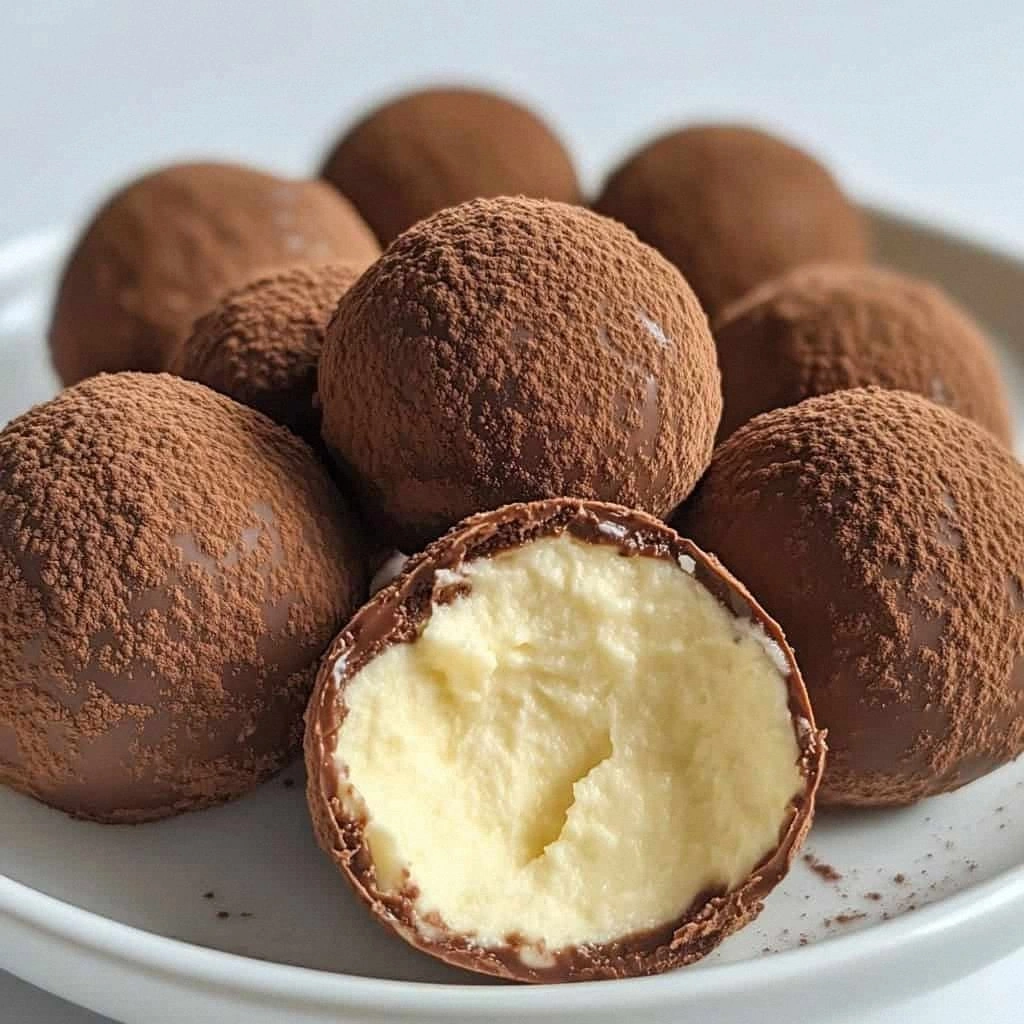
Picture yourself pulling a chilled tray of these from the fridge, the cocoa powder settling like fresh snow across glossy spheres that smell like your favorite café got engaged to a chocolate factory. Your kitchen timer dings, your phone buzzes with a friend asking what they should bring to game night, and you smile because you already know the answer. Let me walk you through every single step — by the end, you'll wonder how you ever made it any other way.
What Makes This Version Stand Out
Velvet Texture: These truffles melt like whispered gossip on your tongue because we whip the cream cheese until it thinks it's cloud fluff, then fold in the crushed ladyfingers so they stay suspended instead of sinking like sad little rocks. The result is a texture so smooth it should probably come with a warning label.
Coffee That Actually Tastes Like Coffee: Most recipes use such a pitiful amount of espresso that you end up with beige blobs that taste vaguely of disappointment. We double down on coffee flavor with both strong brewed espresso and a kiss of coffee liqueur, because life's too short for weak desserts.
No-Bake Brilliance: Your oven gets to stay off and smug while you create something that tastes like it came from a boutique chocolatier. In the middle of summer, when turning on the oven feels like a war crime, these truffles are your edible air conditioning.
Crowd Psychology: Serve these at a party and watch grown adults turn into strategic planners, mapping out the fastest route to the plate while pretending to care about your vacation photos. I've seen introverts become social butterflies just to hover closer to the truffle tray.
Ingredient Integrity: Every component pulls double duty. The ladyfingers provide structure and that unmistakable savoiardi flavor. The cream cheese offers tang and stability. The coffee isn't just liquid; it's the soul of the whole operation. Nothing's here for decoration — except maybe the chocolate shavings, and even those add crucial texture.
Make-Ahead Magic: These actually improve after a day in the fridge, meaning you can prep your party dessert while you're still sober enough to remember where you put the cocoa powder. They'll keep for five days, though they've never lasted longer than two in my house because I have the willpower of a golden retriever near bacon.
Alright, let's break down exactly what goes into this masterpiece...
Inside the Ingredient List
The Flavor Base
The cream cheese forms the tangy, creamy backbone that makes these truffles taste authentically Italian instead of like cheesecake in disguise. Skip the low-fat version — I tried it once and the texture turned grainy like it was mad at me. You want the full-fat block, softened until it spreads like gossip, because it's going to carry all the other flavors like a velvet couch carries throw pillows. If you absolutely must substitute, use equal parts ricotta and Greek yogurt, but know that you'll lose some of that signature richness that makes people close their eyes when they bite into one.
Butter gets beaten into the cream cheese for two reasons: fat equals flavor, and it helps the truffles set firm in the fridge without turning into chalky golf balls. Use unsalted so you control the seasoning — salted butter makes the coffee taste muddled, like it's trying to speak through a mouthful of marbles. European-style butter with its higher fat content will give you an even silkier finish, but the regular grocery store stuff works perfectly fine and won't require a second mortgage.
The Texture Crew
Powdered sugar dissolves instantly, leaving behind sweetness without grittiness. Granulated sugar in these truffles is like wearing hiking boots to a ballroom — technically functional but completely missing the point. The cornstarch in powdered sugar also helps absorb excess moisture from the coffee, keeping your truffles stable for days. If you're out of powdered sugar, blitz granulated sugar in a blender with a teaspoon of cornstarch, but know that your truffles will be slightly less cloud-like.
Ladyfingers are the unsung heroes here, providing structure and that unmistakable egg-vanilla flavor that screams classic tiramisu. Buy the crisp ones, not the soft sponge cake style, because we want them to absorb coffee like eager little flavor sponges. You'll need about 20-22 cookies to get three cups crushed, which sounds like a lot until you remember you're eating them by the handful while the food processor does its thing. Don't bother making homemade ladyfingers unless you're trying to impress someone who writes food memoirs — the packaged ones are designed for this exact purpose.
The Unexpected Star
Strong brewed coffee is where most recipes chicken out, using weak diner coffee that tastes like brown water with abandonment issues. Brew yours at double strength — think two tablespoons of ground coffee for every six ounces of water — and let it cool completely so it doesn't melt everything into soup. The coffee should taste almost too strong to drink straight, because it's about to get tamed by all that cream cheese and sugar. If you use espresso from a capsule machine, pull two shots and dilute with just two tablespoons of hot water for the perfect concentration.
Coffee liqueur adds depth and that grown-up edge that makes people ask for your secret ingredient. Kahlua works beautifully, but if you're feeling fancy, try Tia Maria or even a splash of espresso vodka for extra punch. The alcohol burns off during mixing, leaving behind complexity without the buzz, though you could certainly add an extra tablespoon if you want truffles that taste like they come with a wink. Non-drinkers can substitute strong coffee with a teaspoon of vanilla extract, but know you're missing the mysterious something that makes people chase you for the recipe.
The Final Flourish
Unsweetened cocoa powder for coating isn't just pretty — it provides that bitter chocolate counterpoint that keeps the truffles from becoming cloying. Dutch-processed cocoa is darker and milder, while natural cocoa is more acidic and fruity; both work, so use what you have. The key is to sift it over the truffles instead of rolling them, which prevents that thick, muddy coating that makes people look like they've been playing in the garden. A light dusting looks elegant and melts instantly on your tongue, like edible velvet.
Everything's prepped? Good. Let's get into the real action...
The Method — Step by Step
- Start by beating the cream cheese and butter together on medium speed for a full three minutes. Set your timer — most people rush this step and end up with tiny butter lumps that feel like gravel in the final truffles. The mixture should lighten in color and increase in volume, looking like thick whipped cream that could hold peaks if it felt like showing off. Scrape down the bowl twice during mixing to ensure every bit gets equal attention, because cream cheese loves to hide in corners like it's playing hide-and-seek.
- Add the powdered sugar gradually, about a quarter cup at a time, beating on low to prevent a snowstorm in your kitchen. Once incorporated, crank the speed to medium-high for another two minutes. The mixture will go from yellowish to pale ivory, and when you lift the beater, it should fall in thick ribbons that fold over themselves like luxurious bedding. If it looks curdled, your butter was too cold — wrap the bowl in a warm towel and beat for another minute until it smooths out.
- Now for the flavor bomb: vanilla extract, almond extract, cooled coffee, and coffee liqueur all go in at once. The batter will look like it's breaking — thin and slightly separated — but keep beating and watch the magic happen. After about 90 seconds it comes back together, looser and glossier, smelling like your favorite café got invited to a dance party. Resist the urge to taste it with the beaters still attached — I learned that lesson the hard way and still have the scar.
- Time to crush the ladyfingers. If you have a food processor, pulse them in three short bursts until they resemble coarse sand with some pea-sized pieces for texture. No processor? Throw them in a zip-top bag and channel your frustrations with a rolling pin. You want some variety in size — too fine and the truffles taste like cardboard, too chunky and they fall apart when you roll them. Aim for the consistency of panko breadcrumbs mixed with a few larger confetti pieces.
- Fold the crushed ladyfingers into the cream cheese mixture using a rubber spatula. At first it will seem like too many cookies for too little filling, but keep folding and pressing until every crumb is coated. The mixture should feel like thick cookie dough that holds together when you squeeze it, with visible ladyfinger pieces adding rustic charm. If it's too soft to shape, chill for 15 minutes; too stiff, beat in a tablespoon of cream.
- Scoop and roll into 1-inch balls — a small cookie scoop makes this lightning fast and keeps them uniform. Roll between your palms with light pressure; too much and they become dense little meteorites. Place them on a parchment-lined baking sheet that fits in your fridge, because these need to chill before their cocoa powder spa treatment. You'll get about 36 truffles, assuming you don't eat three of them while rolling because "quality control."
- Chill the rolled truffles for at least 30 minutes. This sets them so they don't smear when coated. While they chill, sift your cocoa powder into a shallow bowl. The sifting is non-negotiable — unsifted cocoa clumps and creates bitter pockets that make people wince. Add a pinch of cinnamon if you're feeling rebellious; it adds warmth that makes the coffee sing.
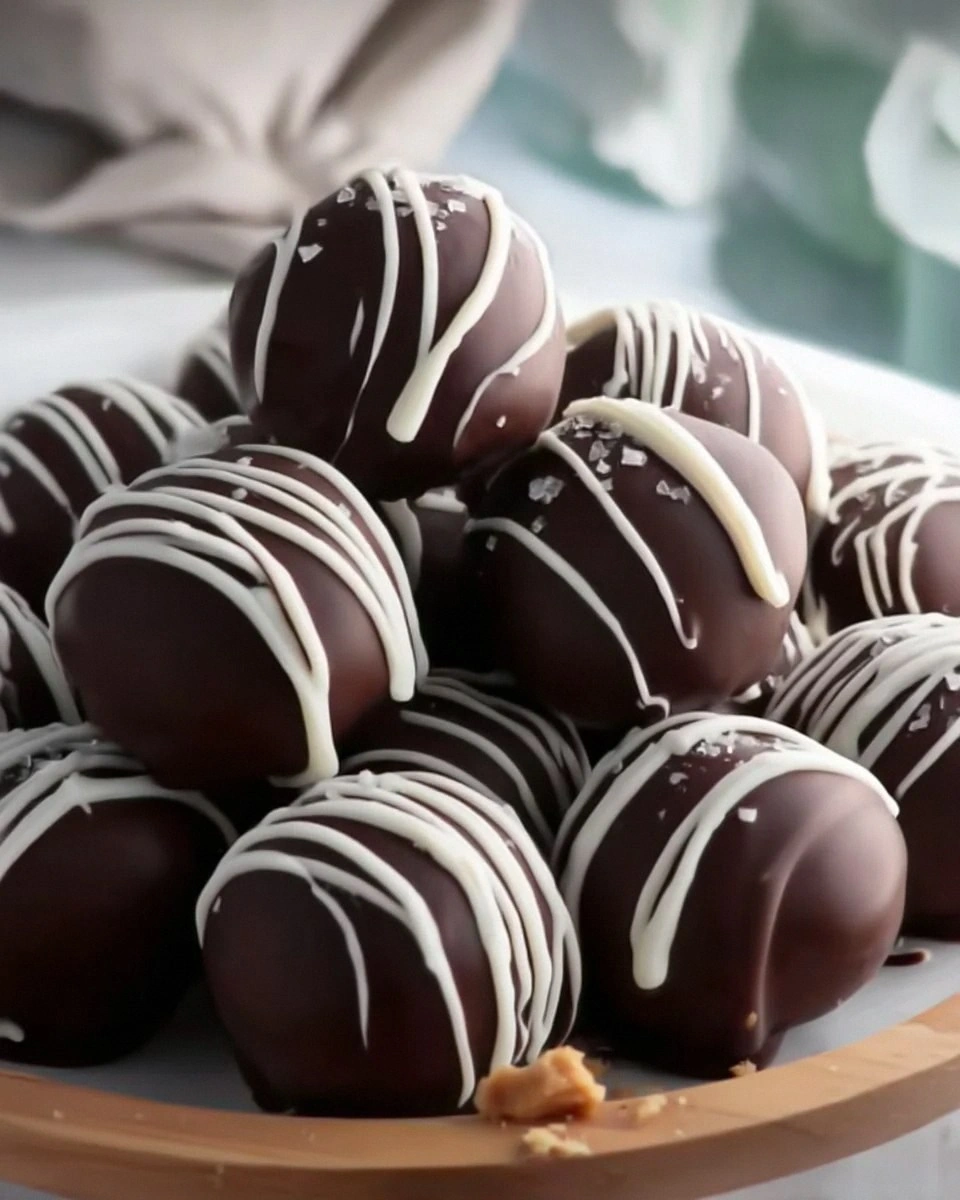
- Remove truffles from the fridge and, working with a few at a time, place them in the cocoa bowl. Gently shake the bowl in a circular motion — don't toss or stir — until each truffle is lightly coated. Lift out with a fork, tap off excess, and place on a serving plate. The cocoa should look like a fine dusting of morning frost, not a heavy winter coat. Repeat until all truffles are coated and looking like tiny chocolate snowballs.
- For the professional finish, top each truffle with a single chocolate shaving. Use a vegetable peeler on a bar of dark chocolate, pressing firmly to create curls that look effortlessly elegant. This isn't just pretty — the bittersweet chocolate adds a third layer of flavor that bridges the sweet cream cheese and bitter cocoa. Chill again for 10 minutes to set, then serve slightly cool but not cold for maximum flavor impact.
That's it — you did it. But hold on, I've got a few more tricks that'll take this to another level...
Insider Tricks for Flawless Results
The Temperature Rule Nobody Follows
Room temperature ingredients aren't just a snobby chef suggestion — they're the difference between smooth truffles and lumpy disasters. Cold cream cheese refuses to blend with butter, creating tiny white flecks that taste fine but look like cottage cheese nightmares. Set everything out 45 minutes before you start, or microwave the cream cheese (in its wrapper) for 15 seconds if you're impatient like me. The mixture should feel cool but pliable, like play-doh that's been sitting in a sunny spot.
Why Your Nose Knows Best
When you open the container of truffles after their overnight chill, take a deep breath. They should smell like coffee ice cream with a hint of vanilla — if the coffee aroma punches you in the face, they're over-extracted and will taste bitter. If you mostly smell cream cheese, they need more coffee liqueur, a teaspoon at a time, mixed in gently. Your nose is more reliable than any measuring spoon for dialing in the perfect balance.
The 5-Minute Rest That Changes Everything
After coating in cocoa, let your truffles sit uncovered in the fridge for exactly five minutes. This brief exposure dries the cocoa slightly, creating that professional matte finish that doesn't smudge on fingers. Skip this step and your guests get brown fingerprints on wine glasses; include it and they look like you hired a pastry chef. It's the difference between homemade and bakery-level presentation with almost zero effort.
The Shape Secret
If you want perfectly round truffles, roll them twice. First roll when the mixture is soft, then chill for 10 minutes and roll again between your palms for 5 seconds each. The second rolling smooths any cracks or fingerprints, giving you Instagram-worthy spheres. Keep a damp towel nearby to wipe your palms — clean hands equal clean shapes.
The Flavor Amplifier
Before serving, let truffles sit at room temperature for 10 minutes. Cold mutes flavor; slightly cool truffles bloom into full tiramisu glory. You'll taste coffee first, then cream, then that whisper of almond that makes people ask what your secret is. This tiny wait transforms good truffles into legendary ones that people dream about later.
Creative Twists and Variations
This recipe is a playground. Here are some of my favorite ways to switch things up:
Mocha Madness
Replace half the coffee with strong espresso and add a tablespoon of cocoa powder to the cream cheese base. Roll in a mix of cocoa and finely grated dark chocolate for a truffle that tastes like the best mocha you've ever had, only better because you can eat six without judgment. These disappear fastest at office parties where people pretend they're just having "one more."
White Chocolate Wonder
Swap the cocoa coating for shaved white chocolate that melts against your fingertips. The sweetness plays beautifully against the bitter coffee, creating a flavor seesaw that keeps you coming back for balance. Keep these chilled right up to serving — white chocolate gets sticky at room temperature faster than gossip spreads at book club.
Nutty Neapolitan
Mix finely chopped toasted hazelnuts into the ladyfinger crumbs for texture that crackles like crisp autumn leaves. Roll in a mixture of cocoa and hazelnut flour for extra nuttiness. These taste like Ferrero Rocher and tiramisu had a beautiful baby, and they're gluten-free if you use nut-based ladyfingers.
Boozy Birthday
Swap the coffee liqueur for Frangelico, amaretto, or even bourbon. Each brings a different personality: Frangelico makes them taste like hazelnut clouds, amaretto adds almond warmth, bourbon gives them cowboy swagger. Label them if you're serving a crowd, because these pack more punch than they let on.
Salted Caramel Swirl
Drizzle cooled homemade caramel (just sugar and cream) in thin threads over the rolled truffles, then sprinkle with flaky sea salt. The salt amplifies the coffee and makes the caramel taste like it was always meant to be here. These look artisanal and taste like you paid six dollars each at a boutique chocolate shop.
Vegan Victory
Use vegan cream cheese and butter, substitute maple syrup for powdered sugar (reduce coffee by two tablespoons), and roll in toasted coconut instead of cocoa. They're shockingly close to the original and make vegan friends weep with gratitude at potlucks. The maple adds a caramel note that traditional versions lack.
Storing and Bringing It Back to Life
Fridge Storage
Layer truffles in an airtight container with parchment between layers — they absorb fridge odors like tiny edible sponges. They'll keep for five days, though the cocoa coating may start to look patchy after day three. If that happens, re-dust with fresh cocoa right before serving. Keep them toward the back of the fridge where temperature stays most stable; the door's temperature swings make them sweat and weep cocoa tears.
Freezer Friendly
Freeze truffles on a baking sheet until solid, then transfer to a zip-top bag with as much air removed as possible. They'll keep for two months, though honestly they've never survived longer than three weeks in my house. Thaw overnight in the fridge, then let sit at room temperature for 10 minutes before serving. The texture becomes slightly firmer, which some people actually prefer for summer gatherings where you want them to stay perky on a dessert table.
Best Reheating Method
These don't need reheating, but if they've been in a cold car or over-chilled, let them sit at room temperature for 10-15 minutes. If the cocoa has absorbed moisture and looks dull, give them a quick second dusting right before guests arrive. For a glossy finish that photographs beautifully, lightly brush with melted cocoa butter — it sets clear and shiny like edible varnish.