Aberdeen Beef Pie Recipe
Picture this: I’m in a cramped kitchen, a battered pot clanging on the stove, and the scent of overcooked onions drifting from the air fryer. My friend, a seasoned chef, throws a challenge my way—“Make a beef pie that feels like a hug.” I stared at the stack of ingredients, feeling a spark of culinary rebellion. The moment was a disaster turned opportunity, and the result? A savory masterpiece that will make your taste buds do the happy dance.
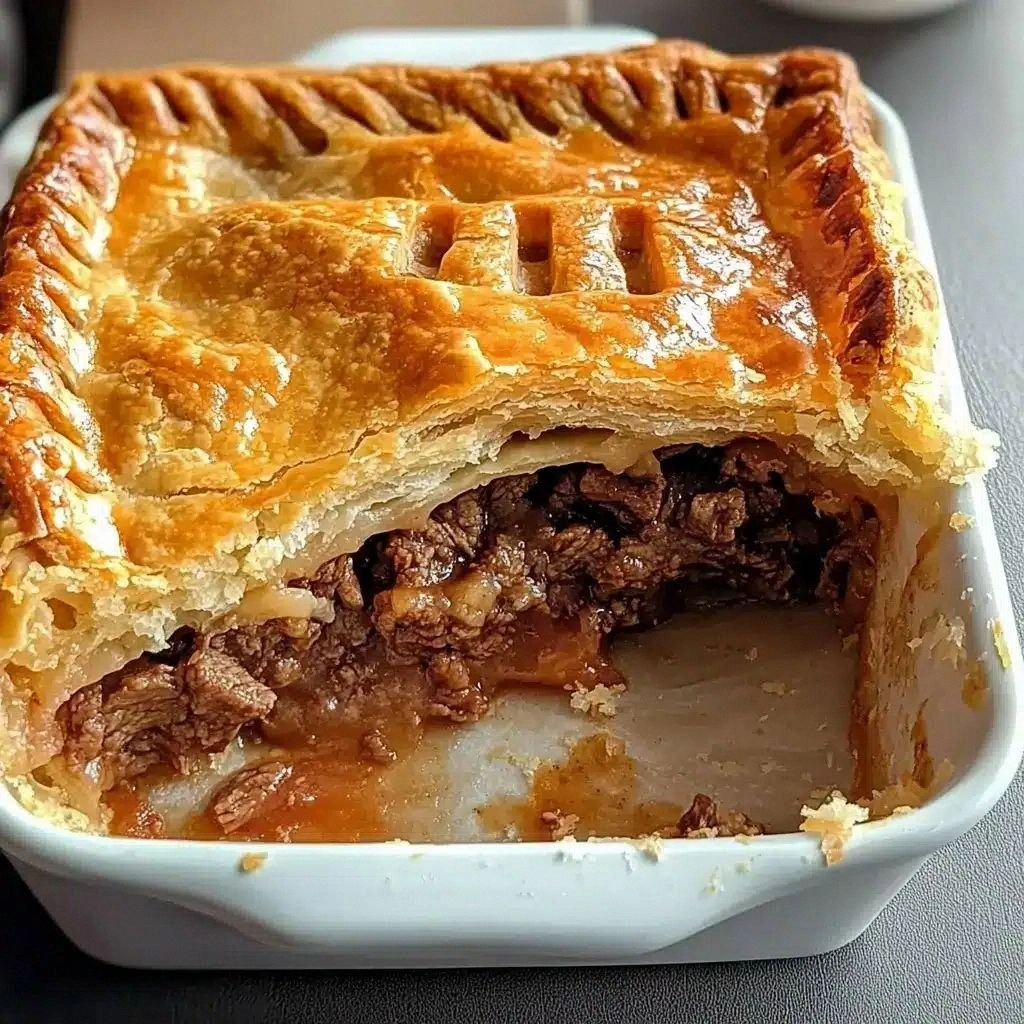
I’m talking about that deep, meaty aroma that fills the room, the way the broth bubbles with a whisper of thyme, and the crunch of a golden crust that cracks like a secret code. The texture is a harmonious blend of tender beef, velvety gravy, and a flaky pastry that shatters like thin ice when you bite through it. Every bite is a crescendo of flavor, a symphony of umami, caramelized onions, and a subtle hint of smoky paprika that lingers on the tongue.
What sets this version apart is the meticulous layering of flavors and the clever use of pantry staples that elevate the dish from ordinary to unforgettable. I dare you to taste this and not go back for seconds—once you’ve had the first bite, you’ll know why it’s the best version you’ll ever make at home. If you’ve ever struggled with a pie that falls flat, you’re not alone—this recipe is the fix you’ve been craving.
The secret sauce? A splash of red wine that deepens the meat’s richness, a pinch of smoked paprika that adds depth, and a touch of Dijon mustard that brightens the gravy. These ingredients work in harmony, creating a sauce that coats the beef like velvet and a crust that’s crisp on the outside but buttery on the inside. The result is a pie that’s both comforting and sophisticated.
Picture yourself pulling this out of the oven, the whole kitchen smelling incredible, and the first bite sending a wave of satisfaction across your palate. The anticipation builds as the crust turns a golden brown, the steam rises, and the aroma of slow-cooked beef fills the air. I’m telling you, this is a dish that deserves a standing ovation from your family and friends.
Let me walk you through every single step—by the end, you’ll wonder how you ever made it any other way. Stay with me here, because this next part? Pure magic. And trust me, the flavor profile will keep you coming back for more.
What Makes This Version Stand Out
- Taste: The deep, savory umami of slow-braised beef is complemented by a subtle sweetness from caramelized onions, creating a flavor profile that’s both complex and comforting.
- Texture: The pastry is a buttery, flaky masterpiece that crisps to a golden perfection, while the filling is silky and succulent.
- Ingredient Quality: Using high‑grade beef chuck, fresh herbs, and a splash of red wine elevates every bite.
- Cooking Method: A combination of searing, braising, and a final bake ensures the flavors meld beautifully.
- Make‑Ahead Potential: The pie can be assembled a day ahead and frozen, then baked straight from the fridge for a quick dinner.
- Crowd Reaction: Guests rave about the crust’s crunch and the gravy’s depth—perfect for potlucks or holiday feasts.
- Uniqueness: The addition of smoked paprika and Dijon mustard gives this pie an unexpected twist that sets it apart from traditional recipes.
- Time Efficiency: The prep is quick, and the cooking time is under an hour, making it ideal for busy weeknights.
Alright, let’s break down exactly what goes into this masterpiece…
Inside the Ingredient List
The Flavor Base
The foundation of any great pie starts with a robust flavor base. The beef chuck, cut into generous 1‑inch cubes, provides a hearty, meaty backbone that absorbs the aromatics beautifully. When seared to a deep brown, it develops a caramelized crust that locks in juices, creating a depth of flavor that simmering alone can’t achieve. If you skip the searing step, the final dish will lack that essential savory richness, and the gravy will taste flat.
Onions are the sweet counterpoint to the beef’s saltiness. Dice them finely so they soften and release their natural sugars during the initial browning phase. This process creates a sweet undertone that balances the robust flavors of the meat and spices. If you omit onions, the pie will feel one‑dimensional and the gravy will lack that sweet depth that makes it memorable.
Carrots add a subtle earthiness and a splash of color that makes the pie visually appealing. They also contribute natural sweetness, which caramelizes slightly during the simmering process. If you skip carrots, you’ll miss out on both flavor and that beautiful orange hue that makes the pie pop on the plate.
Celery is the unsung hero of many savory dishes. Its mild, peppery flavor adds a layer of complexity, and the fibrous texture keeps the pie from becoming too mushy. If you leave out celery, the dish will feel less layered, and the gravy’s body will be slightly thinner.
Garlic is the flavor enhancer that can’t be overlooked. Mince it finely to distribute its aroma evenly throughout the pie. Garlic’s pungency mellows during cooking, leaving a warm, aromatic base that complements the beef. Skipping garlic will result in a less vibrant flavor profile.
Flour is the thickening agent that turns the liquid into a luscious gravy. It should be mixed with a small amount of butter to create a roux, which helps prevent lumps and ensures a silky texture. If you skip flour, the gravy will be runny and fail to cling to the beef.
The Meat & Sauce
Red wine is the secret to a deep, complex gravy. It cuts through the richness of the beef and adds a subtle fruitiness that elevates the overall flavor. If you don’t have wine, a splash of balsamic vinegar or a touch of beef stock can work, but the depth will be slightly diminished.
Beef stock is the liquid that carries the flavors together. Use a high‑quality, low‑sodium stock to control the salt level and to ensure the gravy is rich without being overpowering. If you use a low‑quality stock, the pie may taste bland or overly salty.
Dried thyme and bay leaves are the aromatics that bring warmth and depth to the pie. Thyme’s subtle earthiness balances the sweetness of the onions, while bay leaves add a subtle herbal note that permeates the gravy. If you omit these herbs, the pie will lack its signature depth.
Salt and pepper are the final seasoning touch. They bring everything together and ensure the flavors are bright and balanced. Over-salting can mask the subtle nuances, so start with a small amount and adjust to taste.
Butter adds a silky finish to the gravy and enhances the overall mouthfeel. It also contributes a rich, buttery aroma that makes the pie feel indulgent. If you skip butter, the gravy will be thinner and less glossy.
The Unexpected Star
Worcestershire sauce introduces a briny, umami punch that complements the beef’s richness. It’s a small addition that makes a big impact, creating a savory depth that’s hard to achieve with stock alone. If you don’t have Worcestershire sauce, a splash of soy sauce can be a suitable substitute, though the flavor profile will shift slightly.
Smoked paprika brings a subtle smokiness that pairs beautifully with the beef’s savory notes. It adds a layer of complexity that makes the pie feel more sophisticated. Skipping smoked paprika will result in a flatter, less nuanced flavor.
Ground cumin adds a warm, nutty undertone that enhances the overall savory profile. It’s a subtle touch that elevates the dish from good to great. If you don’t have cumin, a pinch of coriander can offer a similar warm flavor.
A dash of Dijon mustard brightens the gravy and adds a slight tang that cuts through the richness. It’s a small but essential component that ensures the pie isn’t overly heavy. Skipping mustard will make the gravy taste a bit flat.
The Final Flourish
Fresh herbs like parsley, thyme, and rosemary add a burst of brightness and freshness that lifts the dish. They’re added at the end of cooking to preserve their vibrant flavors and aroma. If you skip fresh herbs, the pie will feel less lively and fresh.
Parmesan cheese is optional, but it adds a savory depth and a subtle nutty flavor that complements the beef. It also gives the pie a slightly richer, more indulgent finish. If you’re lactose intolerant, you can omit the cheese or substitute with a dairy‑free alternative.
Olive oil is used for browning the beef and vegetables, ensuring a golden crust and preventing sticking. If you skip olive oil, the searing process will be less effective, and the flavor will be diminished.
Puff pastry is the crowning glory of the pie, providing a flaky, buttery crust that’s the perfect vehicle for the savory filling. If you prefer a shortcrust pastry, it will yield a slightly denser crust, but the flavor will still be excellent. The pastry should be chilled before use to ensure it remains flaky.
Egg wash gives the crust a glossy finish and a golden hue. It also helps the pastry adhere to the filling, ensuring a clean presentation. If you skip the egg wash, the crust will still be edible but will lack that appealing shine.
Everything’s prepped? Good. Let’s get into the real action…
The Method — Step by Step
- Heat a large Dutch oven over medium‑high heat. Add 2 tablespoons of olive oil, then sear the beef cubes in batches until they’re browned on all sides. This step locks in juices and creates a deep flavor base. Don’t rush it; let each side caramelize fully. The sizzling sound is your cue that the flavor is building.
- Once the beef is browned, remove it from the pot and set aside. In the same pot, add the diced onions, carrots, celery, and minced garlic. Sauté until the vegetables soften and the onions turn translucent. This caramelization will bring out natural sweetness.
- Return the beef to the pot, sprinkle 2 tablespoons of flour over everything, and stir until the flour coats the meat and vegetables. This creates a roux that thickens the gravy. Cook for another minute to remove the raw flour taste. The mixture should look slightly glossy.
- Pour in 1 cup of red wine, scraping the bottom of the pot to lift the browned bits. The wine adds acidity and depth. Let it simmer for 2 minutes until it reduces slightly. The aroma will become intoxicating.
- Add 2 cups of beef stock, 1 teaspoon dried thyme, 2 bay leaves, 1 teaspoon salt, and 1 teaspoon black pepper. Stir to combine. Bring the mixture to a gentle boil, then reduce heat to low and let it simmer for 30 minutes, uncovered, until the beef is tender and the liquid has thickened. The gravy should be rich and glossy.
- Stir in 2 tablespoons of butter, 1 tablespoon Worcestershire sauce, 1 teaspoon smoked paprika, 0.5 teaspoon ground cumin, 1 teaspoon Dijon mustard, and 0.25 cup grated Parmesan. These additions give the pie its signature depth and brightness. If you want a more pronounced smoky flavor, add a pinch more paprika.
- Remove the bay leaves and let the filling cool slightly. Meanwhile, roll out your puff pastry on a floured surface to a 12x12 inch square. Place the pastry on a baking sheet lined with parchment paper. The pastry should be evenly sized to cover the filling.
- Transfer the beef filling into the pastry-lined pan. Smooth the top with a spatula. Brush the edges of the pastry with beaten egg to seal the pie. This seal keeps the filling from leaking during baking.
- Fold the edges of the pastry over the filling, creating a rustic rim. Brush the entire crust with more beaten egg for a shiny finish. The crust should be golden when baked.
- Place the pie in a preheated oven at 375°F (190°C). Bake for 25 to 30 minutes, or until the crust is puffed, golden, and the internal temperature reaches 160°F (71°C). The aroma that fills the kitchen will have you salivating.
- Let the pie rest for 10 minutes before slicing. This allows the juices to redistribute, ensuring each bite is moist and flavorful. The crust will still be crisp, but the filling will be perfectly set.
- Serve hot, topped with a sprinkle of fresh parsley, thyme, and rosemary. Pair it with a glass of full‑bodied red wine or a crisp apple cider for the ultimate experience. Dig in and enjoy the symphony of flavors.
That’s it— you did it. But hold on, I’ve got a few more tricks that will take this to another level. These insider tips will help you avoid common pitfalls and elevate the dish from good to unforgettable.
Insider Tricks for Flawless Results
The Temperature Rule Nobody Follows
Many people think a higher oven temperature is always better, but for this pie, 375°F (190°C) is the sweet spot. It allows the crust to puff and brown without drying out the filling. If you bake at 425°F, the crust will burn before the filling is fully cooked. Keep an eye on the pie; the golden hue is your cue to pull it out.
Why Your Nose Knows Best
Trust your senses. When the gravy starts to bubble and the onions smell caramelized, you’re in the right zone. If the liquid is too thin, add a bit more flour or let it simmer longer. Your nose is the ultimate judge of readiness.
The 5-Minute Rest That Changes Everything
After baking, let the pie rest for at least 10 minutes. This step allows the juices to redistribute and the crust to set. If you cut into the pie immediately, the filling will ooze out, and the crust will collapse. Patience is key for a perfect bite.
Use a Dutch Oven for Even Heat
A heavy‑bottomed Dutch oven distributes heat evenly, preventing hot spots that can scorch the bottom of the pie. It also retains moisture, ensuring the beef stays juicy. If you’re using a lighter pan, consider adding a splash of stock to keep the filling from drying.
Make It Gluten-Free with a Twist
Swap the puff pastry for a gluten‑free shortcrust pastry, or make your own using a blend of almond flour and coconut flour. This change keeps the dish accessible while maintaining a flaky crust. Just be sure to chill the dough before rolling it out.
Reheating Like a Pro
When reheating, place the pie in a preheated oven at 350°F (175°C) for 15 minutes. Add a splash of water to the bottom of the baking dish to create steam, preserving moisture. If you’re in a hurry, microwave it for 2 minutes, but the crust will lose its crispness.
Creative Twists and Variations
This recipe is a playground. Here are some of my favorite ways to switch things up:
Shepherd’s Pie Twist
Swap the beef for ground lamb or ground pork and top the pie with mashed sweet potatoes instead of pastry. The sweet potatoes add a creamy, slightly sweet contrast to the savory filling. This version is perfect for a comforting Sunday dinner.
Vegan Version
Use a plant‑based beef substitute, vegetable broth, and a vegan puff pastry. Replace the butter with coconut oil and the egg wash with a splash of aquafaba. The result is a hearty, plant‑based pie that still delivers on flavor.
Spicy Chili Pie
Add a tablespoon of chipotle in adobo sauce and a pinch of cayenne pepper to the filling. The smoky heat pairs wonderfully with the beef, giving the pie a fiery kick. Serve with a dollop of sour cream to balance the heat.
Herb‑Infused Pie
Boost the fresh herb content by adding 1 tablespoon each of chopped rosemary, thyme, and oregano to the gravy. The aromatic herbs elevate the dish to a Mediterranean‑inspired flavor profile. The crust will still be the star, but the herb infusion adds a fresh twist.
Cheese‑Loaded Variation
Fold in 1 cup of shredded Gruyère or cheddar into the filling before sealing the crust. The melted cheese adds a gooey, indulgent layer that pairs perfectly with the savory beef. This version is a crowd‑pleaser at potlucks.
Low‑Carb Delight
Replace the puff pastry with a cauliflower crust made from grated cauliflower, egg, and cheese. This low‑carb option keeps the flavors intact while cutting down on carbs. The cauliflower crust will be slightly denser but still delicious.
Storing and Bringing It Back to Life
Fridge Storage
Cool the pie completely before wrapping it tightly in plastic wrap. Store it in the refrigerator for up to 3 days. The crust will remain crisp, and the filling will stay moist. When you’re ready to eat, reheat in a 350°F oven for 10 minutes.
Freezer Friendly
Wrap the pie in parchment paper, then aluminum foil, and freeze for up to 3 months. When you’re ready to enjoy, thaw overnight in the refrigerator, then bake at 375°F for 25 minutes. The crust will regain its golden crispness.
Best Reheating Method
Reheat in a preheated oven at 350°F (175°C) for 15 minutes. Add a splash of water to the bottom of the baking dish to create steam, preserving moisture. If you’re in a hurry, microwave it for 2 minutes, but the crust will lose its crispness. A quick oven bake is the best way to revive the pie’s original texture.