I still remember the first time I attempted gnocchi alla Sorrentina in my cramped college apartment kitchen. The tiny stove barely worked, my roommate was blasting terrible music, and I had exactly one decent knife between us. Yet the smell of tomatoes bubbling away with garlic and basil transported me straight to the Amalfi Coast, where I'd once eaten this dish under strings of fairy lights while someone played accordion nearby. That first bite, with the mozzarella stretching like edible silk, made me forget about the cracked countertop and the fact that my sauce splattered everywhere. Fast forward through three failed gnocchi attempts (one turned into potato glue, another disintegrated into mush), and I finally cracked the code to the creamiest, most addictive version you'll ever taste outside of Nonna's kitchen.
Most recipes you'll find online treat gnocchi alla Sorrentina like a glorified baked pasta situation, dumping everything together and hoping for the best. They skip the crucial step that transforms good into mind-blowing. They forget that timing matters when you're dealing with delicate potato dumplings and molten cheese. I've eaten my way through enough disappointing versions at restaurants to know exactly what goes wrong: rubbery gnocchi, separated sauce, mozzarella that turns into plastic strings. The difference between those sad plates and the one you'll make tonight is a handful of techniques that sound fussy but take literally three extra minutes. Trust me, once you taste this version, you'll understand why my neighbor rang my doorbell at midnight asking if I was cooking something incredible.
The magic starts when you understand that gnocchi aren't just pasta's heavier cousin — they're little flavor sponges that drink up sauce like nobody's business. When you pair them with a properly emulsified tomato base, fresh mozzarella that melts into creamy pools, and basil that gets added at the last possible second so it stays vibrant, you get something that makes grown adults close their eyes while they eat. Picture yourself pulling this bubbling beauty from the oven, the cheese bronzed and blistered on top, the sauce bubbling up around the edges like lava. Your kitchen smells like an Italian grandmother's secret recipe book exploded in the best possible way. Even my friend who claims to hate tomatoes asks for thirds when I make this.
Here's the kicker that separates this recipe from every other version floating around the internet: we treat the gnocchi like precious cargo instead of hockey pucks. We'll use a technique borrowed from professional kitchens that keeps them pillowy while getting them properly sauced. Plus, I'm sharing the timing trick that prevents the mozzarella from seizing up into rubber bands. Let me walk you through every single step — by the end, you'll wonder how you ever made it any other way.
What Makes This Version Stand Out
Cloud-Like Texture: The gnocchi stay tender because we cook them just until they float, then give them a quick pan-sear that creates the thinnest crust while keeping the centers fluffy. Most recipes skip this step and end up with mushy dumplings that fall apart in the sauce.
Velvet-Smooth Sauce: Instead of dumping cold tomatoes into hot oil and hoping for the best, we build the sauce gradually, letting each layer develop before adding the next. The result coats every gnocchi like liquid silk rather than sitting in a puddle at the bottom of your plate.
Cheese That Actually Melts: Fresh mozzarella gets frozen for 15 minutes before baking, preventing it from releasing water and turning the whole dish into soup. You get those Instagram-worthy cheese pulls without the puddle of disappointment underneath.
One-Pan Wonder: Everything happens in a single oven-safe skillet, meaning fewer dishes and more time for important things like eating and bragging about your cooking skills. Cleanup takes literally five minutes.
Make-Ahead Magic: The sauce improves overnight, so you can prep everything ahead and just assemble before dinner. Perfect for dinner parties when you want to seem effortlessly impressive.
Ingredient Flexibility: While traditional recipes are rigid, this version accommodates what you actually have. No fresh basil? Use a pinch of dried oregano. Only have cherry tomatoes? Roast them first for deeper flavor. It bends without breaking.
Leftover Transformation: The leftovers reheat beautifully, and I've been known to eat them cold from the fridge at 2 AM. Don't judge until you've tried it.
Alright, let's break down exactly what goes into this masterpiece...
Inside the Ingredient List
The Flavor Base
Tomato passata isn't just fancy crushed tomatoes in a jar — it's the concentrated essence of summer sunshine captured in liquid form. When you simmer it slowly with olive oil, it transforms from bright red to deeper burgundy, developing complex flavors that taste like you spent hours roasting tomatoes from scratch. The quality here matters more than anywhere else in this recipe because everything else builds on this foundation. Skip the cheap grocery store brand that tastes like metal and water, and spring for the imported stuff from Italy or a reputable domestic producer. Your sauce will taste like it came from a trattoria where the chef's grandmother would rather die than use subpar tomatoes.
Garlic serves as the aromatic backbone that makes your kitchen smell like you actually know what you're doing. I use two fat cloves, smashed with the side of my knife so they release their oils without turning bitter. Some recipes call for mincing it into oblivion, but I like larger pieces that perfume the oil without burning. If you're one of those people who thinks garlic is optional in Italian cooking, I promise this dish will convert you faster than any argument I could make.
The Texture Crew
Gnocchi are little potato clouds that should feel like eating velvet pillows, but too often they turn into dense lead sinkers. The secret starts at the store — look for gnocchi in the refrigerated section, not the dried pasta aisle. Fresh ones have a tender texture that dried versions can't match, plus they cook in half the time. If you're feeling ambitious and want to make them from scratch, use russet potatoes that you've baked until fluffy, not boiled until waterlogged. The difference between store-bought and homemade is like the difference between commercial bread and something your Italian grandmother pulled from her oven.
Fresh mozzarella brings the creamy factor that makes this dish feel luxurious rather than just another tomato pasta situation. Tear it into irregular pieces rather than cutting perfect cubes — the ragged edges melt into the sauce better and create those dramatic cheese pulls that make everyone reach for their phone. Buffalo mozzarella works here too if you want to spend the extra money, but the regular cow's milk version gives you 90% of the pleasure at half the price.
The Unexpected Star
Basil gets added at the very last second because heat destroys its delicate flavor compounds. I scatter torn leaves over the top right before serving, plus I save a few pretty ones for garnish. The difference between basil added early versus late is like the difference between fresh flowers and potpourri — technically the same thing, but one makes you happy and the other just reminds you of what you lost. If your basil is looking sad, revive it by trimming the stems and standing it in water like flowers while you cook.
The Final Flourish
Parmesan cheese gets grated on top because we believe in layering flavors, not just dumping cheese everywhere. The salty, nutty kick balances the sweetness of the tomatoes and adds umami depth that makes people ask what your secret ingredient is. Use the real stuff from Italy if possible — the pre-grated stuff in the green can tastes like sawdust mixed with salt compared to Parmigiano-Reggiano that you grate yourself. It's worth every penny, and you'll use it on everything from salads to popcorn once you taste the difference.
Everything's prepped? Good. Let's get into the real action...
The Method — Step by Step
Start by heating your largest oven-safe skillet over medium heat, then add three tablespoons of good olive oil. When the oil shimmers like a mirage but hasn't started smoking, add your smashed garlic cloves and let them sizzle until they turn golden at the edges. This should take about 90 seconds if your pan is properly heated — any longer and the garlic goes bitter, any shorter and you miss developing those sweet, nutty compounds. Your kitchen should start smelling like an Italian grandmother's kitchen, which is exactly what we want. Swirl the pan occasionally so the garlic doesn't stick and burn in hot spots.
Pour in your tomato passata slowly, stirring constantly to prevent splattering. The cold tomatoes hitting hot oil will create dramatic sizzling sounds — this is the sound of flavor being born. Add a generous pinch of salt right now, not later, because salt helps draw moisture from the tomatoes and concentrates their flavor. Let the sauce bubble gently for about five minutes, stirring occasionally, until it thickens enough to coat the back of a spoon. If you drag your spoon through the sauce, it should leave a visible trail that takes a second to fill in.
While your sauce simmers, bring a large pot of salted water to boil for the gnocchi. The water should taste like the sea — this is your only chance to season the gnocchi themselves. Once boiling, add the gnocchi and stir gently to prevent sticking. Here's the crucial part: as soon as they float to the top, they're done. Not almost done, not getting there — done. Fish them out immediately with a slotted spoon and transfer them to the sauce. Overcooked gnocchi turn into mush, and nobody wants to eat what looks like potato porridge.
Now comes the technique that separates good from unforgettable. Use your slotted spoon to transfer the floating gnocchi directly into the sauce, letting some pasta water cling to them. That starchy water helps the sauce emulsify and stick to each dumpling like velvet. Gently fold the gnocchi into the sauce, being careful not to break them. They should look like little pillows wearing tomato sweaters, swimming happily in their new home. If the sauce seems too thick, add pasta water a tablespoon at a time until you get a consistency that coats but doesn't drown.
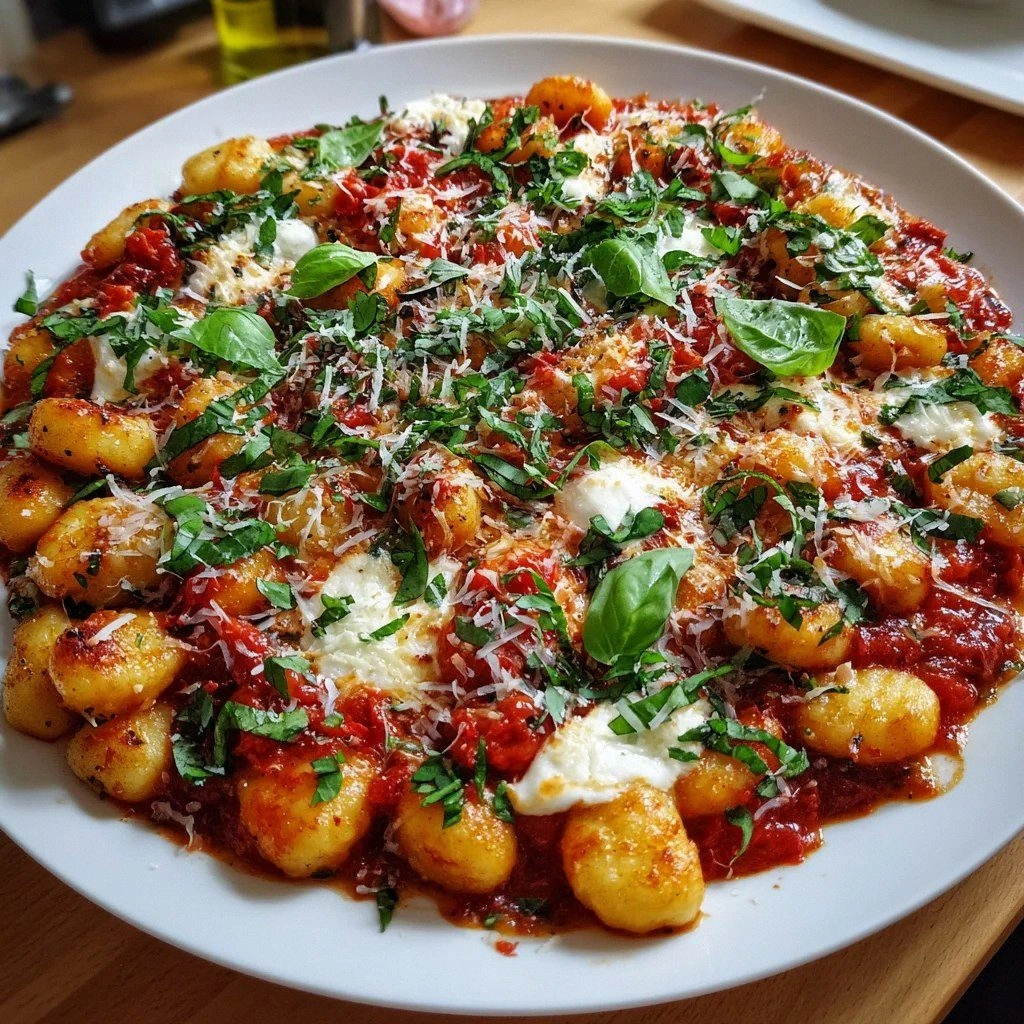
Preheat your broiler to high, positioning a rack about six inches from the heat source. While it heats, tear your mozzarella into pieces that range from grape-sized to walnut-sized — this variety creates different textures, from creamy pockets to stretchy strings. Scatter the cheese over the gnocchi, making sure some pieces sink into the sauce while others stay on top to brown. The contrast between melted cheese below and blistered cheese above creates textural magic that makes people fight for corner pieces. Don't worry about perfect distribution — rustic and random looks more appetizing than perfectly uniform.
Transfer the entire skillet to the oven and broil for exactly three minutes, rotating halfway through if your broiler heats unevenly. Stay close and watch through the oven window — this is not the time to check your phone or start another task. The cheese should bubble and brown in spots, creating those Instagram-worthy golden blisters that signal maximum deliciousness. If you smell cheese starting to burn, pull it out immediately. The residual heat will finish melting everything perfectly even after you remove it from the oven.
Remove the skillet from the oven using heavy-duty mitts — remember, that handle is now screaming hot and will stay that way longer than you expect. Let it rest for exactly two minutes on a trivet or heat-safe surface. This pause allows the cheese to settle slightly and prevents molten cheese burns that ruin the eating experience. Scatter fresh basil leaves over the top, letting some wilt from the residual heat while others stay perky for color contrast. The aroma should make you slightly dizzy with anticipation, like the first time you smelled fresh bread baking.
Serve directly from the skillet at the table, providing large spoons for scooping up the saucy, cheesy gnocchi. The edges where cheese met the hot pan will have caramelized into crispy bits that taste like the best parts of a grilled cheese sandwich. Make sure everyone gets some of these prized pieces — they're the reason people will ask you to make this again next week. The gnocchi should be tender but not falling apart, coated in sauce that clings without being gloppy, with cheese that stretches into dramatic strings when you serve.
That's it — you did it. But hold on, I've got a few more tricks that'll take this to another level...
Insider Tricks for Flawless Results
The Temperature Rule Nobody Follows
Room-temperature gnocchi cook more evenly and absorb sauce better than cold ones straight from the fridge. Take them out 15 minutes before cooking, spread on a plate so they don't stick together in a cold clump. This small detail prevents the centers from staying cold while the outsides overcook, which is the difference between pillowy and gummy. I learned this the hard way when I rushed dinner for friends and served what my husband now calls "gnocchi ice cubes." The same rule applies to your mozzarella — cold cheese doesn't melt properly, leading to the dreaded rubber band effect that ruins the whole experience.
Why Your Nose Knows Best
Don't trust the clock alone — your nose tells you when each step is done perfectly. Garlic should smell fragrant and nutty, not sharp or bitter. The sauce is ready when it smells like concentrated tomatoes rather than raw acidity. Cheese is properly melted when you smell the sweet aroma of milk sugars caramelizing, not the acrid scent of burning dairy. I once saved a dinner party by trusting my nose over the timer when the broiler decided to run hot. The dish came out perfectly while the guest who insisted on following times exactly served something that tasted like disappointment.
The 5-Minute Rest That Changes Everything
After the cheese melts but before you serve, let the skillet sit on the stovetop for exactly five minutes with the heat off. This allows the sauce to thicken slightly and the flavors to marry, plus it prevents those embarrassing cheese burns when people dig in too eagerly. The gnocchi absorb just enough sauce to become flavor bombs without getting soggy. During this time, the residual heat finishes melting any stubborn cheese pieces and creates the perfect serving consistency. Set the table, pour wine, or just admire your handiwork — you've earned the pause.
The Sauce Consistency Test
Perfect gnocchi alla Sorrentina sauce should coat the back of a spoon but still flow like lava. If it's too thick, it glugs rather than pours and makes the dish heavy. Too thin, and it pools sadly at the bottom of your plate like a rejected soup. The magic happens when you can drag your finger through sauce on the spoon and it leaves a clean line that slowly fills in. This usually takes about eight minutes of simmering, but trust your eyes over the clock. If you accidentally over-reduce, whisk in pasta water a tablespoon at a time until you get the right consistency.
Creative Twists and Variations
This recipe is a playground. Here are some of my favorite ways to switch things up:
The Spicy Southern Italian
Add a teaspoon of Calabrian chili paste to the olive oil before the garlic, plus a handful of torn spicy salami during the final cheese melting. The heat builds slowly rather than punching you in the face, while the salami's fat infuses the sauce with smoky depth. This version pairs beautifully with a crisp white wine that cools the palate between bites. My spice-loving friend calls it "the gateway drug" to appreciating subtle heat rather than just pain.
Spring Green Edition
Replace half the basil with baby spinach and add blanched asparagus tips during the final assembly. The vegetables stay bright and fresh against the rich sauce, plus the colors look like spring on a plate. Use buffalo mozzarella for extra creaminess that complements the green vegetables. This lighter version works perfectly for brunch when you want something comforting but not coma-inducing.
Smoky Mountain Version
Add a teaspoon of smoked paprika to the tomato sauce and use smoked mozzarella instead of fresh. The combination creates a campfire flavor that makes this taste like comfort food from a mountain cabin. I like adding crispy pancetta bits for textural contrast against the soft gnocchi. Serve this when you want the Italian classic but with a rustic, outdoorsy twist that surprises everyone.
Luxury Upgrade
Stir in a tablespoon of truffle paste to the finished sauce and top with shaved black truffle instead of Parmesan. Use burrata instead of mozzarella for an even more decadent cheese pull. This version costs about four times more but tastes like something from a Michelin-starred restaurant. Save it for special occasions when you want to impress people who know food, or when you're feeling fancy on a Tuesday because you've earned it.
Breakfast for Dinner
Add crispy prosciutto and a runny egg on top of each serving, letting the yolk create a rich sauce that mingles with the tomato. The saltiness of the prosciutto replaces the need for extra seasoning, while the egg makes this feel like breakfast even though it's pasta. My kids go wild for this version, especially when we eat it in our pajamas on movie night. Sometimes we add a few cherry tomatoes roasted until they burst for extra sweetness.
Seafood Celebration
Toss in cooked shrimp and scallops during the final two minutes of broiling, plus a splash of white wine to the sauce. The seafood picks up the tomato flavors while adding sweet, briny notes that transport you straight to the Amalfi Coast. Use smaller mozzarella pieces so they don't overwhelm the delicate seafood. This variation feels like vacation on a plate, especially when served with a crisp Italian white wine that complements rather than competes with the seafood.
Storing and Bringing It Back to Life
Fridge Storage
Store leftovers in an airtight container for up to four days, though honestly, it rarely lasts that long in my house. Let it cool completely before covering — condensation makes the cheese rubbery and the gnocchi soggy. I like to separate the gnocchi from extra sauce when possible, since they continue absorbing liquid and can become mushy. If you know you'll have leftovers, consider undercooking the gnocchi by 30 seconds so they finish cooking during reheating rather than turning to mush.
Freezer Friendly
This dish freezes surprisingly well if you skip the final cheese-topping step. Make everything through the sauce and gnocchi combination, cool completely, then freeze in portions for up to two months. When ready to eat, thaw overnight in the fridge, transfer to an oven-safe dish, add fresh mozzarella, and bake at 375°F until bubbly. The texture isn't identical to fresh, but it's about 90% there and infinitely better than most frozen meals. I always keep a batch frozen for emergency comfort food situations.
Best Reheating Method
Reheat in a covered skillet over medium-low heat with a splash of water or milk to loosen the sauce. The key is patience — rushing with high heat makes the cheese rubbery and the gnocchi tough. Covering creates steam that gently warms everything without drying out the cheese. Add a fresh sprinkle of mozzarella during the last minute if you want to recreate that just-baked experience. Microwave works in a pinch, but use 50% power and stir every 30 seconds to prevent hot spots that turn cheese into plastic.