Picture this: a quiet Sunday afternoon, the kitchen lights flickering in a gentle amber glow, and you, a self‑proclaimed dessert aficionado, staring at a box of ladyfingers that have sat on the counter for a week. You’re craving something sweet, creamy, with a hint of coffee, and you remember that one friend who swore by the “ultimate” tiramisu recipe she found on a food forum. That friend’s post had a single line that read, “I dare you to taste this and not go back for seconds.” You, ever the skeptic, decided to test the claim. The result? A dessert that felt like a velvet caress on your palate, a cloud of espresso‑infused cream that melts into your mouth like a secret whispered in a hush‑told lullaby. I’ve been doing that dare for years now, and this is the version that has finally convinced me it’s hands down the best you’ll ever make at home.
The moment you open the tin, the aroma of rich espresso mingles with the sweet scent of mascarpone, creating an olfactory invitation that is impossible to ignore. The sound of the ladyfingers tapping against the glass as you set them in a dish is almost ritualistic—like a countdown to indulgence. When you first taste the first bite, you’ll notice the silky layer of cream hugging the crispness of the ladyfingers, a contrast that feels like a gentle tug of excitement. The flavor profile is balanced: the coffee’s bitterness is softened by the subtle sweetness of sugar, while the mascarpone’s buttery richness adds depth. Every component works in harmony, ensuring that the dessert doesn’t feel heavy or cloying but rather light, airy, and utterly satisfying.
What sets this recipe apart is the meticulous attention to detail that transforms a standard tiramisu into a culinary masterpiece. It’s not just a recipe; it’s a set of carefully chosen techniques that elevate the flavors, textures, and presentation. From the espresso’s strength to the ratio of mascarpone to cream, every element is calibrated to achieve that perfect balance. The result is a dessert that feels both comforting and sophisticated—ideal for a casual family gathering or a fancy dinner party. If you’ve ever struggled with a tiramisu that turned out too dry or too sweet, you’re not alone—and I’ve got the fix.
This version also introduces a surprise twist: a subtle hint of coffee liqueur that adds depth without overpowering the espresso. That small addition is the secret sauce that makes this tiramisu feel like a decadent treat from a high‑end café. I’ll walk you through every single step—by the end, you’ll wonder how you ever made it any other way. Let’s dive in.
What Makes This Version Stand Out
Taste: The combination of espresso and coffee liqueur creates a layered flavor profile that is both bold and nuanced. The espresso’s bitterness is counterbalanced by the sweet, caramel undertones of the liqueur, resulting in a harmonious finish.
Texture: The mascarpone and heavy cream blend into a silky custard that clings to the ladyfingers without becoming soggy. The result is a dessert that feels light on the tongue yet rich in mouthfeel.
Ingredient Quality: Using full‑fat mascarpone and freshly brewed espresso ensures that each bite delivers maximum flavor. The quality of the ingredients directly translates to a superior tasting dessert.
Simplicity: Despite its indulgent nature, the recipe requires minimal equipment—just a saucepan, a whisk, and a bowl. No fancy gadgets needed.
Crowd Reaction: Friends who try this version often comment that it’s the best tiramisu they’ve ever had. The dessert is a guaranteed conversation starter.
Make‑Ahead Potential: The dessert can be assembled a day in advance, making it ideal for entertaining. The flavors actually deepen when allowed to rest.
Versatility: Whether you’re serving it as a dessert or a sweet snack, this tiramisu adapts seamlessly. It pairs beautifully with coffee, wine, or a light dessert wine.
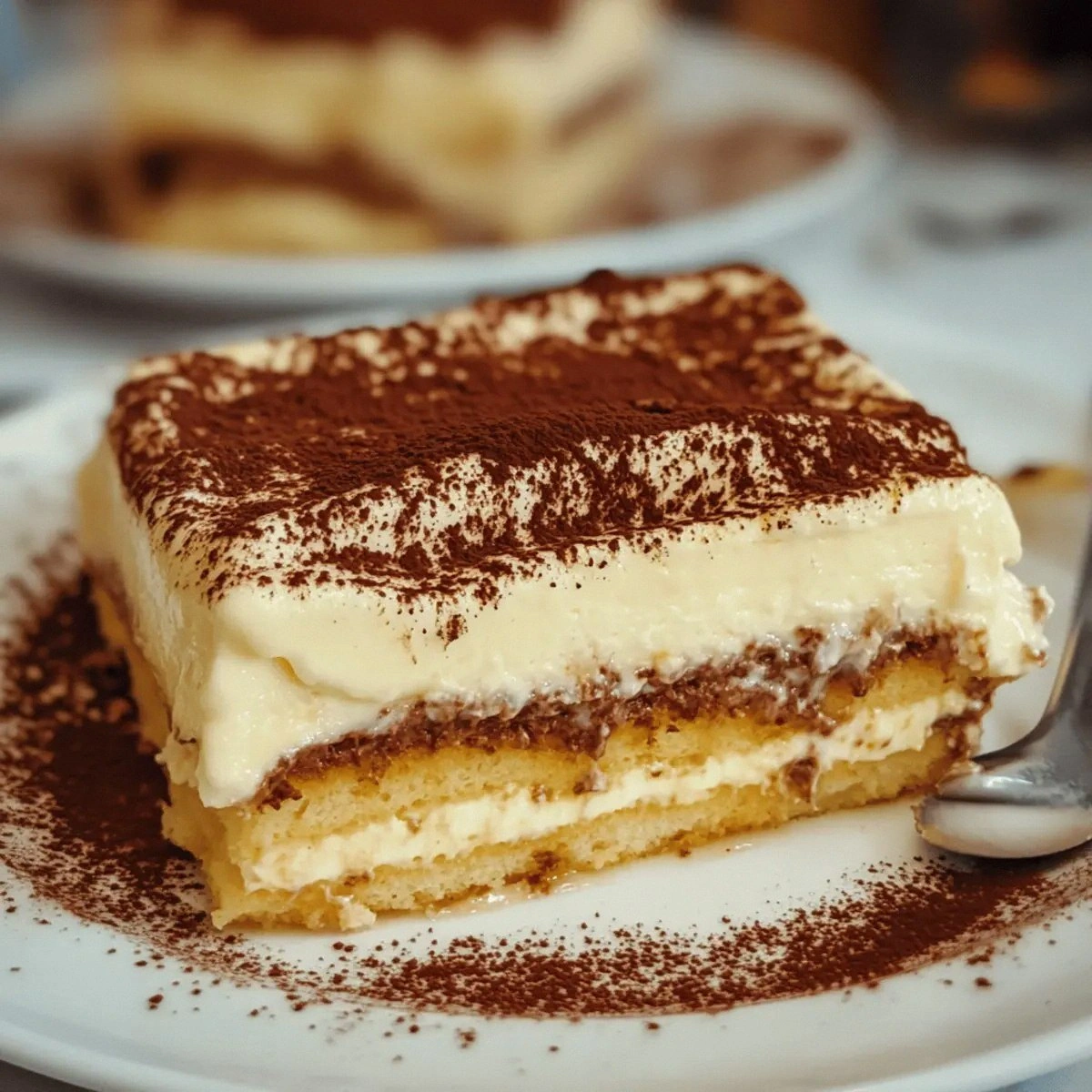
Presentation: The final product looks as good as it tastes, with a dusting of cocoa powder that adds a touch of elegance.
Alright, let’s break down exactly what goes into this masterpiece…
Inside the Ingredient List
The Creamy Core
Mascarpone is the heart of this tiramisu. Its high fat content gives the dessert its signature richness and a mouthfeel that feels almost buttery. If you skip it, the custard becomes thin and lacks depth. For a lighter version, you can substitute half mascarpone with Greek yogurt, but the flavor will shift towards tanginess.
When selecting mascarpone, look for a product that’s as close to full‑fat as possible. The creaminess of this ingredient is what keeps the layers from collapsing. If you’re in a hurry, you can use a pre‑made mascarpone blend, but fresh is always better.
The Eggy Layer
Egg yolks are crucial for binding the custard together and adding a velvety texture. They also provide a subtle richness that balances the coffee’s bitterness. If you’re wary of raw eggs, you can use pasteurized yolks or a custard base that’s been cooked gently.
Avoid over‑whisking the yolks, as that can introduce air and cause the custard to curdle. A gentle whisk ensures a smooth finish. If you’re allergic to eggs, a vegan custard can be made with silken tofu, but the flavor will differ.
The Sweet Touch
Granulated sugar dissolves into the yolk mixture, creating a subtle sweetness that complements the coffee. A pinch of sea salt can elevate the flavors, but keep it minimal. If you prefer a lower sugar version, try using a sugar substitute that dissolves well, like erythritol.
The sugar’s role is not just sweetness; it also helps stabilize the custard. If you skip it, the mixture may appear cloudy and lack cohesion. Keep the sugar in mind if you want a slightly more robust flavor.
The Cream Factor
Heavy cream adds lightness and a silky finish. Whisked to soft peaks, it folds into the mascarpone mixture, creating a custard that’s airy yet dense enough to support the ladyfingers. If you’re looking for a lower‑fat option, use half‑and‑half, but the texture will be less plush.
The cream’s fat content is what gives tiramisu its signature mouthfeel. A richer cream means a richer dessert. If you’re using a lower‑fat cream, consider adding a tablespoon of mascarpone to maintain the luxuriousness.
The Coffee Base
Strong espresso is the backbone of tiramisu’s flavor. It must be brewed fresh and cooled to room temperature before use. The espresso’s bitterness is balanced by the mascarpone and sugar, creating a harmonious taste.
If you don’t have an espresso machine, a strong brewed coffee can work as a substitute. Just make sure the ratio of coffee to water is high enough to achieve a robust flavor profile. Avoid using instant coffee, as it can introduce a chemical taste.
The Unexpected Star
Coffee liqueur, such as Kahlúa, adds depth and a hint of caramel. It’s optional but highly recommended for an extra layer of flavor. The liqueur’s alcohol evaporates during the resting period, leaving behind a subtle sweetness.
If you’re avoiding alcohol, you can replace the liqueur with a splash of coffee extract or a small amount of vanilla syrup. This will mimic the sweet complexity without the alcohol content.
The Structural Pillar
Ladyfingers are the dessert’s structural support. They absorb the coffee mixture, becoming tender yet still holding their shape. Choosing high‑quality ladyfingers ensures they don’t disintegrate during the resting period.
If you can’t find ladyfingers, you can use sponge cake or even thinly sliced pound cake. The key is to ensure the pieces are uniform so they soak evenly.
The Final Flourish
Unsweetened cocoa powder is dusted over the top to provide a bitter finish and a pop of color. It also adds a slight chocolate undertone that complements the espresso.
For a more decadent version, consider using dark chocolate shavings or a drizzle of chocolate ganache. The cocoa powder is optional but highly recommended for that authentic finish.
Everything’s prepped? Good. Let’s get into the real action…
The Method — Step by Step
- Begin by brewing a strong pot of espresso. Let it cool to room temperature while you prepare the rest of the ingredients. The espresso must be hot enough to dissolve the sugar but not so hot that it burns the yolks later. This step sets the flavor base for the entire dessert.
- In a heat‑proof bowl, whisk together the egg yolks and granulated sugar until the mixture becomes pale and thick. The whisking action should incorporate air, creating a light texture. This custard will be the backbone of your tiramisu.
- Place the bowl over a pot of simmering water, ensuring the bottom of the bowl does not touch the water. Whisk the yolk mixture continuously until it thickens and reaches a temperature of 160°F (71°C). This gentle heat prevents the eggs from curdling.
- Remove the bowl from heat and let it cool slightly. Fold in the mascarpone cheese until the mixture is completely smooth. The mascarpone should be at room temperature to avoid lumps. This step gives the custard its characteristic creaminess.
- In a separate bowl, whip the heavy cream to soft peaks. Gently fold the whipped cream into the mascarpone mixture. Be careful not to overmix, as you want to maintain the airy texture. This incorporation is what makes the dessert light and fluffy.
- Combine the cooled espresso with the coffee liqueur in a shallow dish. Dip each ladyfinger into the mixture for a few seconds, just long enough to soak without becoming soggy. Arrange a single layer of soaked ladyfingers in the bottom of a 9x13 inch dish. The ladyfingers should be evenly spaced for uniform soaking.
- Spread half of the mascarpone custard over the first layer of ladyfingers, smoothing it with a spatula. The custard should cover the ladyfingers completely but not spill over. This layering creates the classic tiramisu structure.
- Repeat the process with another layer of soaked ladyfingers followed by the remaining custard. Finish with a final layer of ladyfingers on top. The top layer should be slightly moist but not overly saturated.
- Sift unsweetened cocoa powder over the top layer, pressing gently to ensure it adheres. The cocoa should create a fine, even dusting that adds a touch of bitterness and visual appeal. This final touch completes the classic look.
- Cover the dish with plastic wrap and refrigerate for at least 4 hours, preferably overnight. The resting period allows the flavors to meld and the dessert to set. When ready to serve, remove the plastic wrap and let it sit at room temperature for 10 minutes before cutting.
That’s it — you did it. But hold on, I've got a few more tricks that'll take this to another level…
Insider Tricks for Flawless Results
The Temperature Rule Nobody Follows
Many home bakers overlook the importance of temperature when whisking the egg yolk mixture. The custard must reach exactly 160°F (71°C) to ensure safety while preserving texture. Use a reliable instant‑read thermometer and keep the bowl moving. If you go over, the eggs will scramble; under, the custard will be runny.
Why Your Nose Knows Best
When the espresso cools, give it a quick sniff. A strong coffee aroma indicates that the beans are fresh and the brew is potent. If it smells flat, the espresso may be weak, and the tiramisu will lack depth. Trust your senses—they’re the best quality control.
The 5‑Minute Rest That Changes Everything
After whisking the mascarpone into the yolks, let the mixture rest for 5 minutes before adding the whipped cream. This short pause allows the proteins to relax, resulting in a silkier custard. Many people skip this step, leading to a slightly grainy texture.
The Secret of Even Layers
Use a long, thin spatula to spread the custard evenly over each layer. If you spread too quickly, the custard may pool in the corners. A steady, gentle motion ensures a uniform thickness that looks professional.
The Final Dusting Technique
Sift the cocoa powder over a paper towel before dusting. This trick keeps clumps from forming and gives a smoother finish. It also helps the cocoa adhere better to the surface of the tiramisu.
Creative Twists and Variations
This recipe is a playground. Here are some of my favorite ways to switch things up:
Chocolate Tiramisu
Replace the espresso with a strong chocolate‑infused coffee and add a tablespoon of cocoa powder to the custard. The result is a rich, chocolatey dessert that still retains the classic structure.
Minty Fresh
Add a few drops of peppermint extract to the custard and sprinkle crushed mint leaves on top. The mint adds a refreshing contrast to the deep coffee flavors.
Caramel Swirl
Fold a thin ribbon of caramel sauce into the custard before layering. The caramel adds a sweet, buttery note that complements the espresso.
Almond Variation
Use almond‑flavored ladyfingers and sprinkle ground almonds on top. The nutty flavor pairs wonderfully with the coffee base.
Vegan Version
Swap mascarpone for a coconut cream base, use a plant‑based custard, and choose vegan ladyfingers. The texture will differ slightly, but the flavor profile remains delicious.
Holiday Twist
Add a dash of cinnamon or nutmeg to the custard and dust the top with powdered sugar. This gives the dessert a warm, holiday feel.
Storing and Bringing It Back to Life
Fridge Storage
Store the tiramisu in an airtight container in the refrigerator for up to 3 days. The dessert stays moist and retains its flavor. When ready to serve, let it sit at room temperature for 10 minutes to soften.
Freezer Friendly
Wrap the tiramisu tightly in plastic wrap and freeze for up to 1 week. Thaw in the refrigerator overnight. Re‑refrigerate for an additional 24 hours before serving to maintain texture.
Best Reheating Method
To revive a frozen tiramisu, add a splash of milk or water before reheating. Gently warm it in a microwave on low for 30‑second intervals, stirring each time. This trick steams the dessert back to perfection without drying it out.