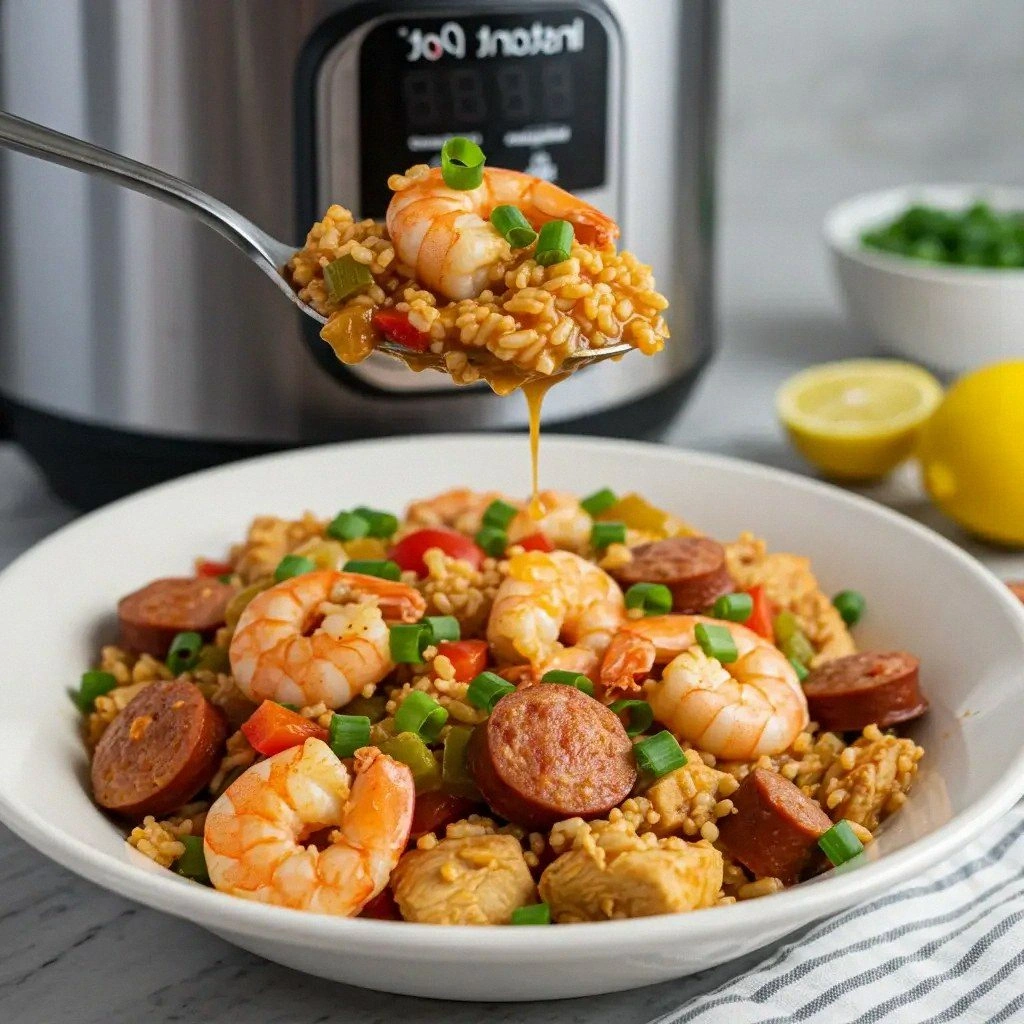
Picture this: you’re standing in a cramped apartment kitchen, the clock is ticking, and a friend has just challenged you to whip up a classic New Orleans jambalaya in under an hour. You’ve tried the stovetop version a dozen times, each time ending with a pot that smells like a burnt casserole and a bowl of rice that’s either soggy or stubbornly crunchy. I was ready to throw in the towel, but then I remembered the Instant Pot that had been gathering dust in the pantry. That little miracle machine promised quick, flavorful, and hands‑off cooking. I dared myself to give it a shot, and the results were so good that I almost didn’t share the secret with anyone.
The first thing that hit me was the aroma—smoky sausage, sweet bell pepper, and that unmistakable kick of cayenne that made my nose twitch. The sizzle as the onions hit the pot was a sound I could almost taste. I could hear the bubbling broth, feel the heat radiating from the lid, and see the colors shift from bright green to a deep amber as the tomatoes simmered. It was a sensory symphony that turned a simple dinner into an event. And the best part? It all happened in 30 minutes, while you could be binge‑watching your favorite series.
I’ll be honest—by the time the Instant Pot clicked “Done,” I had already taken a bite, and I was halfway through the dish before anyone else could even get a spoon. The rice was perfectly fluffy, the shrimp had that delicate pink blush, and the sausage was still chewy enough to satisfy the carnivorous part of me. The sauce clung to the grains like velvet, and every bite was a burst of heat balanced by the savory depth of the broth. It’s hands down the best version you’ll ever make at home, and I’m not exaggerating.
Most recipes get this completely wrong. They either overcook the rice, underseason the broth, or forget that the Instant Pot needs a bit of liquid to trigger pressure cooking. The secret, I discovered, is layering flavors and using the right amount of liquid to let the rice absorb the broth without becoming mushy. I also added a splash of hot sauce after the pressure release to give it that final punch. And I’ll let you in on a little hack that keeps the rice from sticking to the bottom of the pot—trust me, it’s a game‑changer.
Okay, ready for the game‑changer? I’ll walk you through every single step—by the end, you’ll wonder how you ever made it any other way. From selecting the freshest sausage to timing the sauté so the onions just start to caramelize, we’ll cover every detail. And if you’re still skeptical, I dare you to taste this and not go back for seconds. Let’s dive in.
What Makes This Version Stand Out
- Flavor Depth: The combination of smoked sausage, chicken, and shrimp creates a multi‑protein powerhouse that layers savory notes with a subtle smoky undertone.
- Texture Contrast: The rice remains fluffy yet slightly al dente, while the shrimp stays tender and the sausage retains a satisfying chew.
- Time Efficiency: 30 minutes from start to finish—perfect for a weekday dinner or a last‑minute gathering.
- Minimal Cleanup: One pot, one lid, and one pan—clean‑up is a breeze, leaving you more time to enjoy the meal.
- Adaptability: Swap sausage for andouille, use brown rice for a healthier twist, or add a splash of bourbon for a smoky kick.
- Crowd‑Pleaser: The bold spices and hearty proteins make this dish a hit at potlucks, family dinners, and brunches alike.
- Ingredient Quality: Using fresh, high‑quality sausage and real chicken broth elevates the dish from ordinary to unforgettable.
- Make‑Ahead Potential: The jambalaya can be prepared ahead and reheated, making it a perfect option for busy schedules.
Inside the Ingredient List
The Flavor Base
Olive Oil (1 tbsp): It’s the silent hero that carries the aromatics, giving them a head start in the sauté phase. If you’re watching calories, you can swap for avocado oil or even a splash of broth. Skipping it will result in a dry sauté that doesn’t develop the same depth of flavor.
Onion (1 medium, diced): The sweet, caramelizing onion is the backbone of the dish. Choosing a red onion adds a subtle color contrast, while a yellow onion gives a richer sweetness. If you’re allergic to onions, a small amount of leeks can be a decent substitute.
Red Bell Pepper (1, diced): Adds crunch, color, and a sweet bite that balances the heat. A green pepper would be fine, but the red one gives the dish that classic jambalaya hue. If you’re short on time, use a frozen mixed bell pepper mix.
Celery (2 stalks, diced): Provides a subtle herbal note and a satisfying crunch. If you’re missing celery, try using a bit of fennel for an anise twist, but the flavor profile will change slightly.
Garlic (4 cloves, minced): The garlic’s pungency is essential for that authentic New Orleans kick. If you’re a garlic lover, double the amount; if you’re sensitive, reduce it to one clove.
The Protein Crew
Smoked Sausage (1 lb, sliced): The smoky, savory element that grounds the dish. Opt for Andouille for a spicier kick or a mild kielbasa for a milder flavor. If you’re vegetarian, substitute with smoked tofu for a plant‑based version.
Chicken Thighs (1 lb, boneless, cut into bite‑size pieces): Adds juiciness and a hearty texture. Chicken breasts can be used but may dry out if overcooked. Marinate the chicken in a splash of buttermilk and Cajun seasoning for extra tenderness.
Shrimp (1 lb, peeled & deveined): The shrimp gives a sweet, briny finish that cuts through the richness. If you prefer, use mussels or clams for a different seafood profile.
The Unexpected Star
Diced Tomatoes (1 can, 14 oz): The acidity balances the heat and adds moisture. Fresh tomatoes can be used if they’re in season, but canned gives a consistent texture and flavor.
Long‑Grain Rice (2 cups): The rice soaks up the broth and spices, becoming a vessel of flavor. Brown rice or jasmine rice can be swapped for different textures and nutritional profiles.
The Final Flourish
Chicken Broth (4 cups): The base that ties everything together. Low‑sodium broth is recommended to control salt levels. Homemade broth will elevate the dish further.
Spices (Paprika, Cayenne, Thyme, Oregano, Bay Leaf): Each spice contributes a layer of complexity. A pinch of smoked paprika adds depth, while cayenne provides the heat. If you’re sensitive to heat, reduce cayenne to 1/2 tsp.
Salt & Pepper (to taste): Seasoning is essential; taste as you go to avoid over‑saltiness. A pinch of salt will bring out the flavors without overpowering them.
Garnishes (Green Onions, Parsley): Fresh herbs add brightness and a pop of color. They also bring a fresh contrast to the warm, spicy core of the dish.
Everything's prepped? Good. Let's get into the real action.
The Method — Step by Step
- Heat the Instant Pot: Set it to “Sauté” and let it warm up for a minute. Add the tablespoon of olive oil, swirling to coat the bottom. Once the oil shimmers, it’s ready for the aromatics.
- Sauté the Vegetables: Toss in the diced onion, bell pepper, and celery. Cook for 3–4 minutes, stirring frequently, until the onions become translucent and the peppers soften. The goal is to develop a base of sweet and slightly caramelized flavors.
- Introduce the Garlic: Add the minced garlic and sauté for an additional 30 seconds, just until fragrant. Be careful not to burn it—garlic can turn bitter quickly.
- Brown the Sausage: Add the sliced smoked sausage to the pot. Stir for 2–3 minutes, allowing the sausage to release some of its oils and develop a light crust. This step adds depth to the overall flavor.
- Cook the Chicken: Add the chicken pieces, pressing them into the sautéed mixture. Let them brown on all sides for about 5 minutes, which locks in juices and adds color.
- Deglaze the Pot: Pour in a splash of chicken broth, scraping the bottom with a wooden spoon to lift any browned bits. These bits are packed with flavor and prevent the “burn” warning.
- Stir in the Rest: Add the diced tomatoes, rice, remaining broth, paprika, cayenne, thyme, oregano, bay leaf, salt, and pepper. Stir thoroughly to combine all the ingredients.
- Seal and Cook: Close the Instant Pot lid, set the valve to “Sealing,” and select the “Manual” or “Pressure Cook” setting at high pressure for 6 minutes. The quick pressure cycle ensures the rice cooks evenly without becoming mushy.
- Natural Release: Once the timer goes off, let the pressure release naturally for 10 minutes. This gentle release allows the flavors to settle and the rice to finish absorbing liquid.
- Quick Release & Add Shrimp: After 10 minutes, carefully turn the valve to “Venting” for a quick release. Open the lid, stir in the shrimp, and close the lid again. Set the pot back to “Sauté” mode for 4 minutes, until the shrimp turns pink and opaque.
- Finish with Hot Sauce: Sprinkle a generous dash of your favorite hot sauce. This final touch brightens the dish and adds that signature kick.
- Serve & Garnish: Ladle the jambalaya into bowls, then sprinkle with chopped green onions and parsley. The fresh herbs cut through the richness and add a pop of color.
That’s it — you did it. But hold on, I've got a few more tricks that'll take this to another level. Keep reading to learn how to fine‑tune your jambalaya for maximum flavor.
Insider Tricks for Flawless Results
The Temperature Rule Nobody Follows
Many cooks start the sauté at a low heat, but the key to caramelizing the aromatics is to use medium‑high heat until the onions just begin to brown. This slight browning releases natural sugars, creating a deeper flavor base. If you’re using a smaller Instant Pot, keep the heat on medium to avoid scorching.
Why Your Nose Knows Best
Trust the aroma when you’re adding spices. A pinch of cayenne should smell warm and slightly peppery, not sharp or burnt. If it smells off, it’s probably overcooked or burnt, and you’ll need to adjust the heat or add more broth.
The 5‑Minute Rest That Changes Everything
After the pressure release, let the jambalaya sit for five minutes with the lid closed. This resting period allows the rice to absorb any remaining liquid and the flavors to meld. Skipping this step can leave the rice unevenly cooked.
Use Fresh Sausage for Extra Flavor
Pre‑cooked or frozen sausage can be convenient, but fresh sausage brings a richer, more vibrant taste. If you can’t find fresh, look for a high‑quality pre‑cooked variety that still has a smoky profile.
The Secret of the Bay Leaf
Bay leaves are often forgotten, but they add a subtle herbal note that balances the heat. Keep the leaf whole and remove it before serving; it’s not edible and can be tough.
The Final Touch of Hot Sauce
A splash of hot sauce after pressure cooking brightens the dish and adds a layer of complexity. If you prefer a milder version, use a sweet pepper sauce or a drizzle of Worcestershire sauce instead.
Creative Twists and Variations
This recipe is a playground. Here are some of my favorite ways to switch things up:
Vegan Jambalaya
Replace the sausage and chicken with smoked tempeh and use vegetable broth. Add a handful of diced eggplant for texture. Finish with a splash of soy sauce for umami.
Bacon & Grits Jambalaya
Swap the smoked sausage for thick‑cut bacon, and add a cup of prepared grits to the pot after pressure cooking. The creamy grits soak up the sauce, creating a comforting, Southern‑inspired dish.
Mediterranean Twist
Use chickpeas instead of shrimp, and add a handful of spinach at the end. Replace Cajun spices with oregano, thyme, and a dash of lemon zest. The result is a hearty, plant‑based jambalaya with a Mediterranean flair.
Spicy Coconut Jambalaya
Add half a cup of coconut milk after the pressure release. It gives a silky texture and a subtle sweet contrast to the heat. Pair with a side of steamed jasmine rice.
Breakfast Jambalaya
Cook the jambalaya with a couple of diced potatoes and a splash of milk. Serve it over a fried egg for a savory breakfast twist. The protein mix makes it a filling start to the day.
Pasta Jambalaya
Swap the rice for penne or rigatoni. Cook the pasta separately until al dente, then toss it into the jambalaya after pressure cooking. The pasta absorbs the sauce beautifully.
Storing and Bringing It Back to Life
Fridge Storage
Cool the jambalaya to room temperature, then transfer it to an airtight container. It will keep in the fridge for up to 4 days. When reheating, add a splash of water or broth to restore moisture.
Freezer Friendly
Divide the jambalaya into portioned containers and freeze for up to 2 months. Thaw overnight in the fridge before reheating. The texture remains consistent thanks to the pressure‑cooked rice.
Best Reheating Method
Reheat on the stovetop over medium heat, stirring frequently, and add a splash of water or broth to keep it from drying out. Alternatively, use the Instant Pot’s “Sauté” setting for a quick, even heat.