I was halfway through a midnight snack run when the kitchen turned into a smoky drama. A forgotten pot of soy sauce bubbled over, splattering the counter like fireworks on a bad day. I stared at the chaos, then at the empty fridge, and thought, “If only I had something quick, bold, and satisfying to pull together.” That moment sparked a culinary epiphany: what if I could fuse the comforting familiarity of chicken meatballs with the vibrant, umami‑rich flavors of Japanese cuisine, all on a skewer that could be grilled to perfection?
The next thing I did was grab a handful of ground chicken, a splash of mirin, a whisper of miso, and a handful of fresh shiso leaves. The aroma that hit me was instantly comforting—sweet, slightly tangy, with a green herbal undertone that reminded me of a summer garden. The sound of the skillet heating up was like a prelude to a symphony, each sizzle a note of anticipation. I could almost taste the glossy glaze coating each meatball, turning it from plain to something that could make a crowd swoon.
A friend, notorious for turning any recipe into a culinary experiment, dared me to make this in under 30 minutes and serve it at a potluck. I laughed, because I knew I could beat the clock and still produce something that would make people ask for seconds. I set the timer, prepped the skewers, and let the aroma of toasted sesame oil fill the kitchen. The anticipation was electric; I could almost hear the chatter of friends, the clink of chopsticks, and the satisfied sighs that come after a truly good bite.
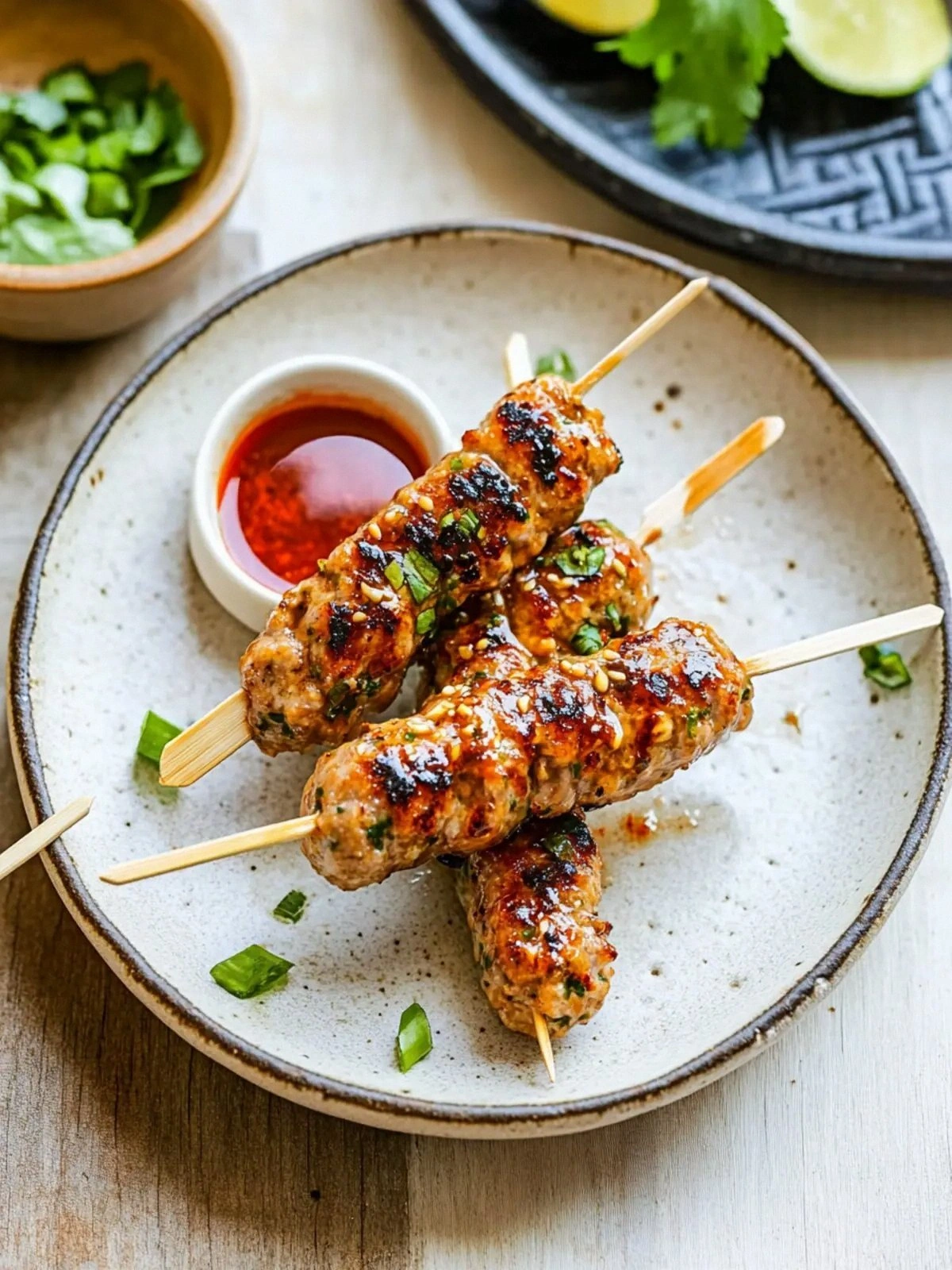
Picture this: a bright, slightly smoky glaze that clings to each meatball, a subtle crunch from the grill marks, and the fresh, herbal brightness of shiso leaves that cut through the richness. The sound of the first sizzle is like a drumbeat, the aroma a promise of comfort, and the sight of the meatballs turning golden is a visual treat. The texture is a delightful contrast—soft, juicy interior, crisp exterior, and a hint of spice from shichimi togarashi that lingers on the palate. Each bite is a burst of umami, a sweet-salty harmony that feels like a hug from the inside out.
The technique that sets this recipe apart is the glaze. It’s not just a sauce; it’s a caramelized coating that locks in moisture and flavor. The glaze forms a glossy, slightly smoky crust that clings to each meatball, while the shiso leaves add a fresh herbal brightness. The shichimi togarashi provides a subtle, lingering heat that doesn’t overpower the delicate balance of flavors. Together, these elements create a dish that’s more than just a skewer—it’s an experience that invites a second bite, then a third, and so on.
I’ll be honest—once I plated the skewers, I couldn’t resist taking the first bite myself. The moment the glaze hit the tongue, the sweet, savory, and slightly spicy notes unfolded like a well‑orchestrated song. I found myself reaching for more before anyone else could even glance at the plate. That instant, I knew this was not just another recipe; it was a game‑changer that would become a staple at every gathering.
If you’ve ever struggled to bring together a balanced flavor profile in a quick dish, you’re not alone—and I’ve got the fix. This recipe uses a simple glaze that caramelizes beautifully, a mix of soy sauce and mirin that provides depth, and miso for a savory punch. The shiso leaves are the secret weapon that adds freshness, while shichimi togarashi gives a gentle kick. The result is a dish that feels sophisticated yet approachable, perfect for a weeknight dinner or a weekend potluck.
Most recipes get this completely wrong by using too much soy sauce, ignoring the subtle sweetness of mirin, or grilling at too low a heat, resulting in soggy meatballs. Here’s what actually works: a balanced glaze, high heat for a crisp exterior, and the right mix of umami ingredients. The glaze caramelizes into a glossy, slightly smoky crust that clings to each meatball, while shiso leaves add a fresh herbal brightness. This combination turns a simple ground chicken mixture into a crowd‑pleasing masterpiece.
Picture yourself pulling this out of the oven, the whole kitchen smelling incredible, and the table already filling with eager hands reaching for skewers. The moment the first bite lands on the tongue, the sweet, salty, and spicy notes dance in harmony. I dare you to taste this and not go back for seconds. The experience is so addictive that you'll find yourself replaying the flavors long after the last bite.
Let me walk you through every single step—by the end, you'll wonder how you ever made it any other way. From the first whisk of the glaze to the final sizzle on the grill, every detail matters. I’ll share the secret tricks that elevate this dish from ordinary to extraordinary. Ready? Let's dive into the heart of this culinary adventure.
What Makes This Version Stand Out
- Umami Depth: The combination of soy sauce, mirin, and miso creates a layered flavor profile that feels both comforting and sophisticated. The miso adds a savory depth that balances the sweetness of mirin.
- Texture Contrast: The glaze caramelizes into a glossy crust, giving each meatball a crisp exterior while keeping the interior juicy and tender. The shiso leaves add a slight crunch when bitten into.
- Simplicity: Despite its complex flavors, the recipe requires only a handful of ingredients and minimal prep time. You can have a show‑stopping dish ready in under 30 minutes.
- Versatility: The skewers can be served as an appetizer, a main course with rice, or a side dish for a barbecue. They adapt beautifully to any dining setting.
- Make‑Ahead Friendly: The meatball mixture can be assembled and refrigerated for up to 24 hours, making it perfect for meal prep or last‑minute entertaining.
- Freshness Boost: The shiso leaves bring a bright, herbal note that lifts the dish, preventing it from feeling too heavy or sweet.
Inside the Ingredient List
The Flavor Base
The glaze is the heart of this dish, marrying sweet, salty, and umami flavors into a single, silky coating. It’s composed of water, sake, mirin, soy sauce, and brown sugar, each playing a crucial role. The sake adds a subtle depth, while the mirin provides a gentle sweetness that balances the saltiness of the soy sauce. Brown sugar brings a caramelized finish that enhances the glaze’s glossy sheen. If you skip any of these, the glaze will feel flat or overly one‑dimensional.
The Texture Crew
Ground chicken is the canvas, chosen for its lean, tender profile that absorbs the glaze beautifully. The toasted sesame oil adds a nutty aroma that lifts the entire dish, while the miso contributes a rich, savory undertone. A pinch of coarse sea salt ensures the flavors are evenly distributed. Together, these ingredients create a moist, juicy interior that contrasts with the crisp exterior.
The Unexpected Star
Shiso leaves are the secret weapon that sets this recipe apart. They bring a bright, herbal freshness that cuts through the richness of the glaze and the meat. The leaves also add a subtle peppery kick, complementing the shichimi togarashi’s heat. If you can’t find shiso, a handful of fresh basil or mint can offer a similar lift, though the flavor profile will shift slightly.
The Final Flourish
Shichimi togarashi is the final flourish that gives the skewers a gentle, lingering heat. Its blend of chili, sesame, and citrusy notes adds complexity without overpowering the other flavors. The amount is small, but it’s a game‑changer; too much can turn the dish into a fireball, while too little will leave it bland. Use a light dusting to maintain balance.
Everything's prepped? Good. Let's get into the real action.
The Method — Step by Step
- First, combine the ground chicken with the toasted sesame oil, miso, and a pinch of coarse sea salt in a large bowl. Mix until just combined; overworking will make the meatballs tough. Shape the mixture into small, bite‑sized balls, about the size of a golf ball. Set them aside on a plate lined with parchment paper.
- In a separate saucepan, whisk together water, sake, mirin, soy sauce, and brown sugar. Bring the mixture to a gentle simmer over medium heat, stirring until the sugar dissolves. Let it reduce for about 5 minutes until it thickens slightly—this is your glaze.
- While the glaze simmers, preheat your grill or grill pan to high heat. If using a grill, oil the grates lightly to prevent sticking. Place the meatballs on skewers, alternating with shiso leaves for visual appeal and flavor.
- Brush the glaze generously over each skewer, making sure every surface is coated. This step is crucial; the glaze will caramelize and create that irresistible glossy crust.
- Place the skewers on the grill. Cook for 3–4 minutes on each side, or until the glaze caramelizes and the meatballs reach an internal temperature of 165°F (74°C). The grill marks should be crisp but not burnt.
- Just before the final minute of cooking, sprinkle a light dusting of shichimi togarashi over the skewers. This ensures the heat is evenly distributed and doesn’t scorch.
- Remove the skewers from the grill and let them rest for 2 minutes. This allows the juices to redistribute, keeping the meatballs moist and flavorful.
- Serve immediately, accompanied by a side of steamed rice or a fresh green salad. Garnish with additional shiso leaves or a drizzle of extra glaze for an extra pop of flavor.
That's it — you did it. But hold on, I've got a few more tricks that'll take this to another level.
Insider Tricks for Flawless Results
The Temperature Rule Nobody Follows
Many cooks assume a medium heat is enough, but for the glaze to caramelize properly, you need a high, steady heat. Preheat your grill or skillet for at least 10 minutes before placing the skewers. This ensures a crisp exterior and prevents the glaze from becoming sticky.
Why Your Nose Knows Best
As the glaze simmers, the aroma will intensify and change. When it starts to smell nutty and slightly burnt, that’s the cue to start brushing it onto the meatballs. Your nose is a reliable guide to flavor development.
The 5-Minute Rest That Changes Everything
Letting the skewers rest after grilling allows the juices to redistribute, keeping the meatballs moist. A 5-minute rest also lets the glaze thicken slightly, creating a more cohesive coating.
Don't Skew Too Early
If you thread the meatballs onto skewers before the glaze is ready, they can become soggy. Wait until the glaze has thickened before threading, ensuring each skewer has a firm grip and a consistent coating.
Use a Skewer Length That Works
If your skewers are too short, the meatballs might fall off; too long, and you’ll have to be careful not to overcook them. A 6-7 inch bamboo skewer is ideal for this recipe.
Creative Twists and Variations
This recipe is a playground. Here are some of my favorite ways to switch things up:
Spicy Korean Fusion
Swap the shichimi togarashi for gochujang and add a dash of sesame oil to the glaze. The result is a spicy, savory kick that pairs wonderfully with a side of kimchi.
Sweet Pineapple Glaze
Add 1 cup of crushed pineapple to the glaze for a tropical twist. The natural sweetness pairs beautifully with the umami of the soy sauce and miso.
Herb‑Infused Skewers
Replace shiso leaves with fresh mint or basil. The bright, aromatic herbs give the dish an unexpected freshness that feels like a summer breeze.
Cheesy Chicken Meatballs
Fold in 1/4 cup of grated mozzarella to the meatball mixture. The cheese melts into a gooey center, creating a decadent, indulgent bite.
Vegan Version
Use a plant‑based ground alternative and replace sesame oil with a neutral oil. The glaze remains unchanged, delivering the same umami richness.
Storing and Bringing It Back to Life
Fridge Storage
Store leftover skewers in an airtight container for up to 3 days. Keep them in the fridge to maintain freshness, and reheat gently on a grill or in a skillet until warmed through.
Freezer Friendly
Wrap the skewers tightly in plastic wrap and place them in a freezer bag. They’ll keep for up to 2 months. Thaw overnight in the fridge before reheating.
Best Reheating Method
Reheat by placing the skewers on a preheated grill for 2–3 minutes, or use a skillet over medium heat. Add a splash of water or broth before reheating to create steam, which helps restore moisture and keeps the glaze from drying out.