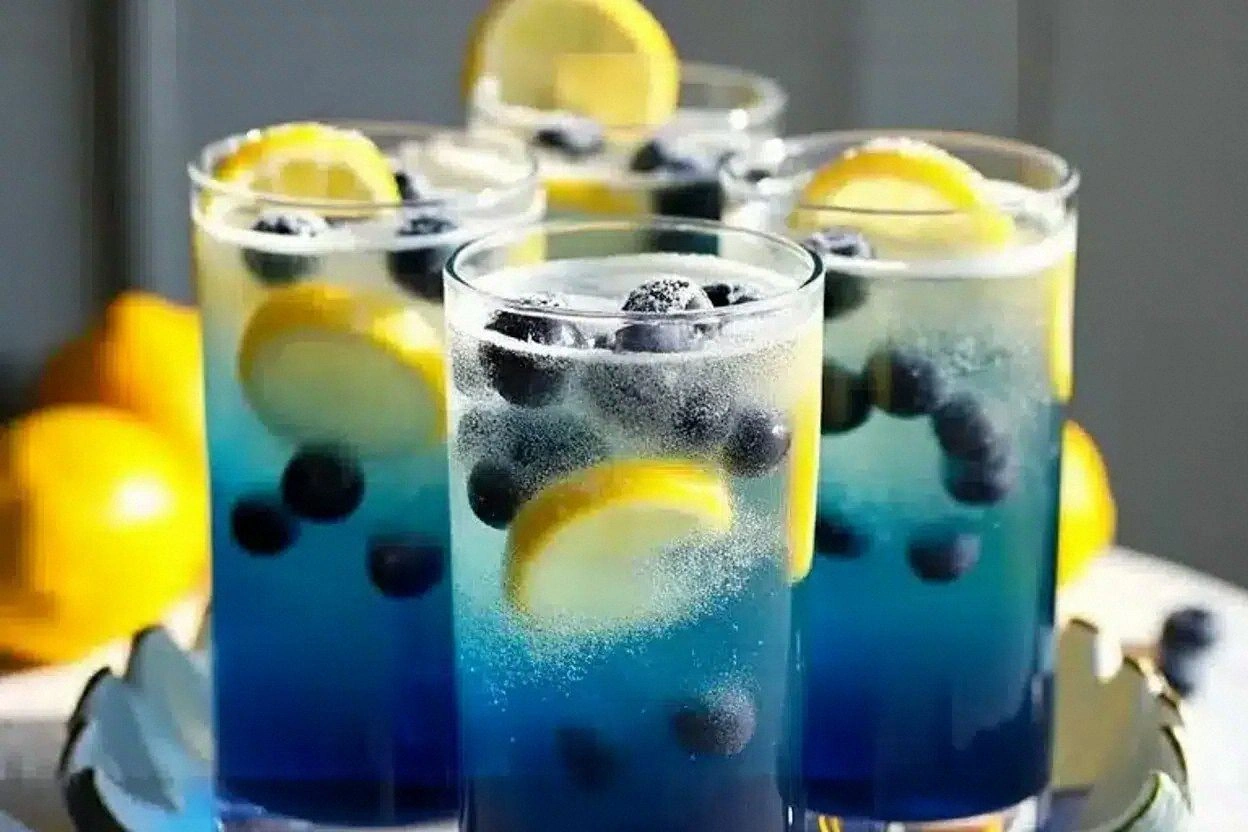
I still remember the day my air conditioning died during the most brutal heat wave of summer, when the thermometer on my back patio clocked in at a soul-melting 104 degrees. I was sprawled on the kitchen tile like a wilted salad, fanning myself with a pizza box and cursing every cookbook that suggested turning on the oven. In desperation, I started flinging open cupboards, hunting for anything cold, anything sweet, anything that might trick my brain into believing I wasn't slowly poaching in my own sweat. A can of pineapple rings clinked against a bag of lemons, and in that delirious moment I thought, "Why not both?" Twenty minutes later I was standing over the blender, the motor's low growl harmonizing with the ice cubes' clatter, and when I poured that first glass of sunset-gold nectar I actually gasped—loud enough to startle the dog—because it tasted like someone had liquefied a Caribbean vacation and served it over ice. One sip and the temperature in the room felt ten degrees lower; the humidity seemed to retreat like a bully confronted. I drank three glasses in a row, brain freeze be damned, then texted my neighbor: "Get over here, I just invented summer's antidote." She arrived in flip-flops and pajama shorts, took one swallow, and whispered, "You should bottle this and sell it to overheated parents everywhere." That was the moment Tropical Pineapple Lemonade Punch was officially born, and I've been refining it ever since, chasing that first lightning-bolt of refreshment with every batch.
Most lemonade recipes play it safe—lemons, water, sugar, yawn—like they're afraid of offending the culinary equivalent of a hall monitor. They deliver a polite citrus nod and then disappear, leaving you chugging glass after glass hoping for a second of actual excitement. This punch refuses to be polite. It storms in wearing flip-flops and a flower crown, smacking you with bright pineapple that tastes like it was kissed by a solar flare, then cools the burn with coconut water so subtle you'd swear you just dove through a gentle wave. The sparkling water adds a champagne-worthy fizz that dances on your tongue, while the simple syrup slips in like a secret agent, sweetening without announcing itself. Together they create a layered flavor symphony: first the sunny pineapple, then the sharp lemon zip, finally that mellow coconut finish that lingers like a beach sunset. I dare you to taste this and not go back for seconds; I've hosted parties where the punch bowl needed refilling before the ice had even started to melt, guests circling like seagulls over a french fry.
Here's the twist that separates this version from every lackluster fruit punch your great-aunt brings to family reunions: we treat each ingredient like a soloist, not background noise. Fresh pineapple juice—none of that canned metallic nonsense—provides enzymes that literally make your mouth feel cooler, the same bromelain compound that tenderizes meat is now tenderizing your thirst. Coconut water replaces plain H2O, adding natural electrolytes that rehydrate you faster than any neon sports drink, plus a whisper of nutty sweetness that wraps around the tart lemon like a silk scarf. And instead of drowning everything in flat water, we crown it with sparkling water at the very end, preserving every bubble so the first sip crackles like a tiny New Year's Eve in your mouth. Picture yourself pulling this out of the fridge, condensation beading on the glass pitcher, the whole kitchen smelling like a tropical resort that somehow parked itself in your house. Let me walk you through every single step—by the end, you'll wonder how you ever made it any other way.
What Makes This Version Stand Out
Sun-Kissed Freshness: We use fresh pineapple juice squeezed right from the fruit, capturing volatile aromatics that vanish within an hour of exposure to air—canned juice tastes like a photocopy of a photocopy by comparison.
Electrolyte Smarts: Coconut water delivers potassium and sodium that rehydrate you faster than regular water, turning a simple thirst-quencher into a post-workout recovery drink that doesn't taste like salty sadness.
Fizz That Lasts: By adding sparkling water at the final second, we trap carbonation so effectively that even two hours later you'll still get that celebratory pop on your tongue, not the flat disappointment of most party punches.
Sweetness You Control: Simple syrup dissolves completely, unlike granulated sugar that sinks to the bottom like gritty sludge, and you can dial it up or down without fighting undissolved sugar crystals.
Five-Minute Bragging Rights: From cutting board to first sip takes less time than queuing at a coffee shop, yet the layered flavor tastes like you spent all day macerating fruit in a monastery.
Make-Ahead Magic: Mix everything except the bubbles up to 24 hours ahead; when guests arrive you just pop the top on sparkling water and boom—instant host superhero status without breaking a sweat.
Crowd Reaction Guarantee: I've served this at baby showers, backyard barbecues, and one very rowdy book club; every single time someone demands the recipe before the ice melts, and at least one person asks if they can take a jar home.
Alright, let's break down exactly what goes into this masterpiece...
Inside the Ingredient List
The Flavor Base
Fresh pineapple juice is the rockstar here, loaded with bromelain enzymes that literally digest proteins on contact, which is why your tongue feels so clean after drinking it—it's nature's gentle palate scrub. Pick a pineapple that smells sweet at the base and yields slightly when squeezed; if it smells like nothing, it will taste like nothing, and your punch will fall flat faster than a soufflé in a thunderstorm. Cutting it is easier than you think: lop off the top and bottom, stand it upright, and slice downward to remove the skin, then core and blend the flesh for exactly fifteen seconds—any longer and you break up the fibers into bitter strands. One medium pineapple yields about two cups of juice, precisely what we need, so there's no awkward half-fruit left rolling around your fridge like a lost sock.
The Tart Counterpoint
Freshly squeezed lemon juice brings the electric zip that makes pineapple taste even sweeter by contrast, the same way a squeeze of lime makes mango explode with candy-like flavor. Skip the bottled stuff; it's been sitting in a factory so long it's lost its volatile oils, the aromatic compounds that float above the glass and hit your nose before the liquid even touches your lips. Roll lemons on the counter first to burst the tiny oil sacs in the skin, then microwave for ten seconds—warm citrus releases up to 20 percent more juice, a trick I learned from a grumpy bartender who could squeeze three cases in under an hour. Strain out the seeds, but leave the pulp; those little golden flecks catch the light like confetti and prove you didn't cheat.
The Hydration Hero
Coconut water is the stealth ingredient that turns a simple fruit punch into a recovery drink worthy of a marathon finish line, packed with more potassium than a banana and just enough natural sodium to replace what you sweat out during summer. Choose a brand that's 100 percent coconut water, not a blend diluted with grape juice concentrate and "natural flavors" that taste like sunscreen. The subtle nutty sweetness bridges pineapple and lemon, smoothing the acid edges so the punch glides down without that sharp lemonade pucker that makes you squint. If you absolutely must substitute, use aloe vera juice for a similar mineral profile, but know you'll lose that whisper of tropical coconut that makes people sigh and say, "I can't quite place that flavor, but I love it."
The Bubbly Finale
Sparkling water or lemon-lime soda provides the effervescent lift that makes this drink feel like a celebration instead of a weekday thirst-quencher; choose soda for a sweeter crowd-pleaser or sparkling water if you want the fruit to sing without extra sugar. Add it last, literally seconds before serving, so the carbonation doesn't have time to escape—every bubble that pops on the surface is a tiny flavor bomb carrying pineapple and lemon aroma straight to your nose. Chill the sparkling water first; cold liquid holds more dissolved gas, giving you that satisfying hiss when you crack open the bottle and the lively tickle on your tongue that makes kids giggle and adults feel ten years younger. If you're feeling fancy, use a dry prosecco for an adults-only version that turns brunch into a mini vacation.
Everything's prepped? Good. Let's get into the real action...
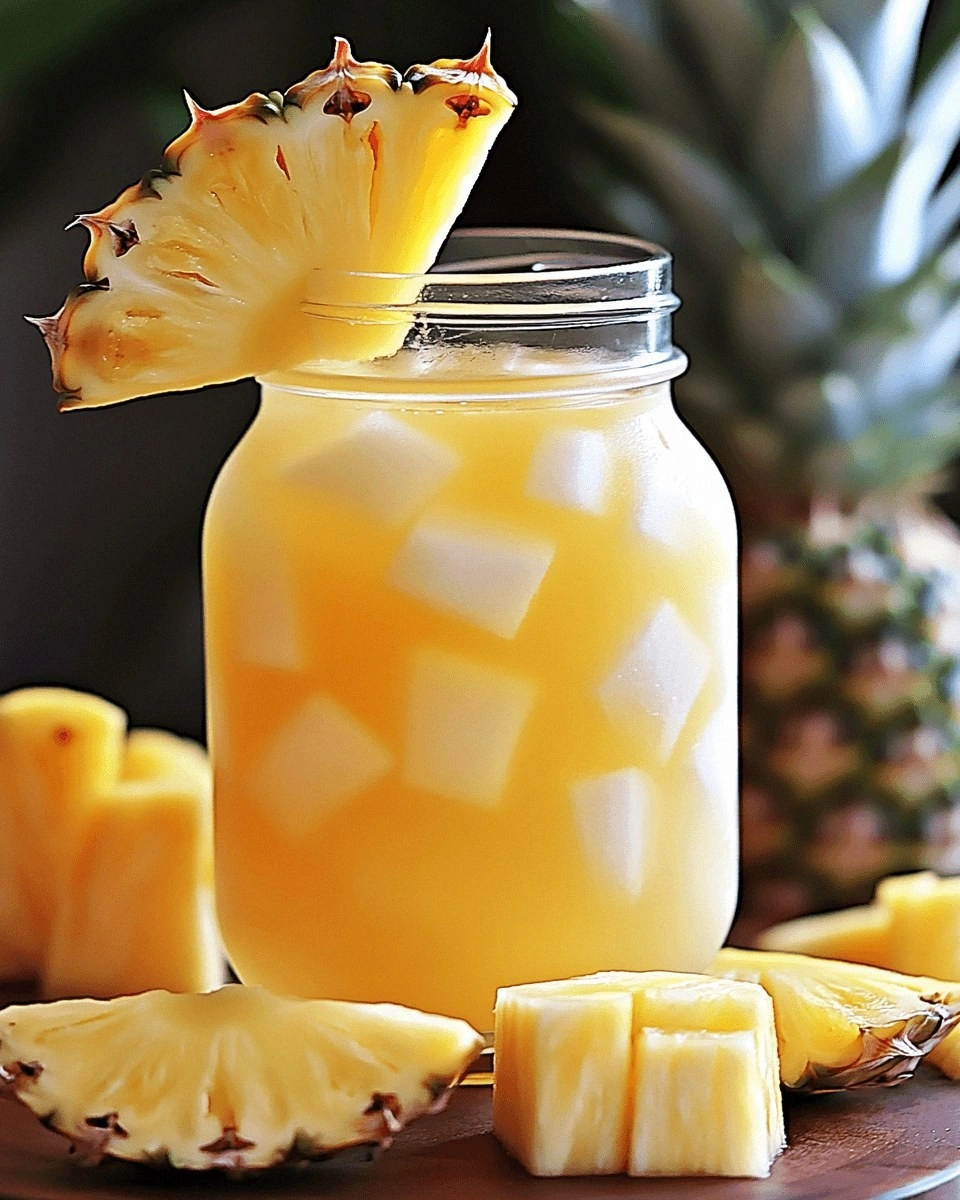
The Method — Step by Step
-
Start by chilling every ingredient that isn't already cold—warm pineapple juice is a tragic waste of good fruit. Park the juice, lemon juice, and coconut water in the freezer for exactly fifteen minutes while you prep the garnish; this flash-chill brings the temperature down without freezing, so when you add ice later it won't dilute the punch into flavored water. While you wait, slice the pineapple into thin wedges that can perch on the rim of a glass like a golden smile, and cut lemon wheels so thin you can read a love letter through them. The colder your base, the less ice you'll need, and every cube you skip is another cube that won't melt and water down your masterpiece. Listen for the quiet crackle as the juice begins to crystallize around the edges—that's the sound of summer surrendering.
-
In a sturdy pitcher that can handle enthusiastic stirring, combine the fresh pineapple juice and lemon juice, watching the colors swirl together like a sunrise you can drink. The acid in the lemon will immediately start to brighten the pineapple, unlocking esters that smell like a beach vacation bottled by optimistic mermaids. Whisk gently; you're not trying to whip air into this, you're coaxing the two tart heroes into a single harmonious flavor that tastes like liquid optimism. Take a tiny sip now—yes, it's mouth-puckering, but that's perfect because the coconut water is about to ride in like a diplomat and negotiate peace between the acids. Note the aroma rising from the surface: it should smell like you just sliced into a pineapple while holding a lemon in the other hand, bright and bracing and impossible to resist.
-
Pour in the coconut water slowly, down the side of the pitcher like you're trying not to wake a sleeping kitten; this preserves its delicate mineral structure and prevents aggressive foaming that would flatten the flavor. Stir once, just enough to combine, then stop—over-mixing can bruise the coconut water, releasing bitter compounds that taste like disappointed vacation. The liquid should now be the color of late-afternoon sunlight filtering through palm fronds, a translucent gold that catches the light and throws tiny rainbows on your countertop. Taste again; the sharp edges should be mellowed, the way a good friend calms you down without killing your buzz. If it still makes you squint, add a teaspoon more coconut water, but resist the urge to keep tweaking—this is a punch, not a chemistry exam.
-
Add the simple syrup, but only half at first—sweetness is subjective, and you can always add more but you can't take it out without summoning a wizard. Stir clockwise, because counter-clockwise feels like you're undoing something, and watch the syrup disappear like a sweet ghost into the golden liquid. Taste with a clean spoon (not the same one you've been sipping from, please) and decide if you want more sweetness or if you're enjoying the bright, almost sharp character that makes your tongue tingle. Remember that cold dulls sweetness, so if it tastes perfect now it will taste slightly flat once fully chilled; aim for half a notch sweeter than you think you need. The syrup should integrate completely, leaving no sugary layer at the bottom, because nothing ruins a party like the last person getting a mouthful of simple syrup sludge.
-
Fill your prettiest glasses with ice cubes made from filtered water—cloudy ice is just trapped air and impurities that will melt into off-tasting dilution. For extra flair, tuck a mint leaf into each cube before freezing; as the ice melts the mint unfurls like a slow-motion firework, releasing gentle herbal aroma without turning the punch into mouthwash. Arrange the glasses on a tray so they're ready for the final flourish, because once you add the sparkling water the countdown begins and you want to serve before the bubbles throw a going-away party. If you're using lemon-lime soda instead of sparkling water, chill the cans in an ice bath for five minutes so they don't foam volcanically when opened—nobody wants to mop the ceiling before guests arrive.
-
Here comes the moment of truth: crack open the sparkling water and pour it in a slow, steady stream down the side of the pitcher, tilting the vessel so the liquid cascades gently and preserves every precious bubble. You should hear a soft fizz, not an aggressive hiss—if it sounds like a shaken soda can you've poured too fast and murdered the carbonation. Watch the surface bloom with tiny pearls of gas that rise and burst like miniature champagne fountains, carrying the pineapple and lemon aromas straight to your nose in an invisible cloud of tropical perfume. Stop pouring when the liquid reaches within an inch of the rim; you want room to stir once more without creating a foam volcano that erupts onto your countertop. The final color should be a shimmering golden hue with a faint opalescent haze from the coconut water, like liquid sunshine captured in glass.
-
Slide a long bar spoon to the bottom of the pitcher and lift the liquid from underneath, folding once, maybe twice—no more or you'll flatten the bubbles you just paid for. The goal is to distribute the carbonation evenly without whipping air into the punch, creating a gentle marbling effect that looks like captured ocean waves. Lift the spoon and watch the liquid settle; it should retain a slight effervescent shimmer on the surface, like sunlight dancing on a lagoon. If you see large bubbles clinging to the side, give the pitcher a gentle swirl, not a shake—think of it as coaxing, not commanding. Now step back and admire your handiwork: you've just created a drink that looks like vacation and tastes like forgiveness for every bad summer decision.
-
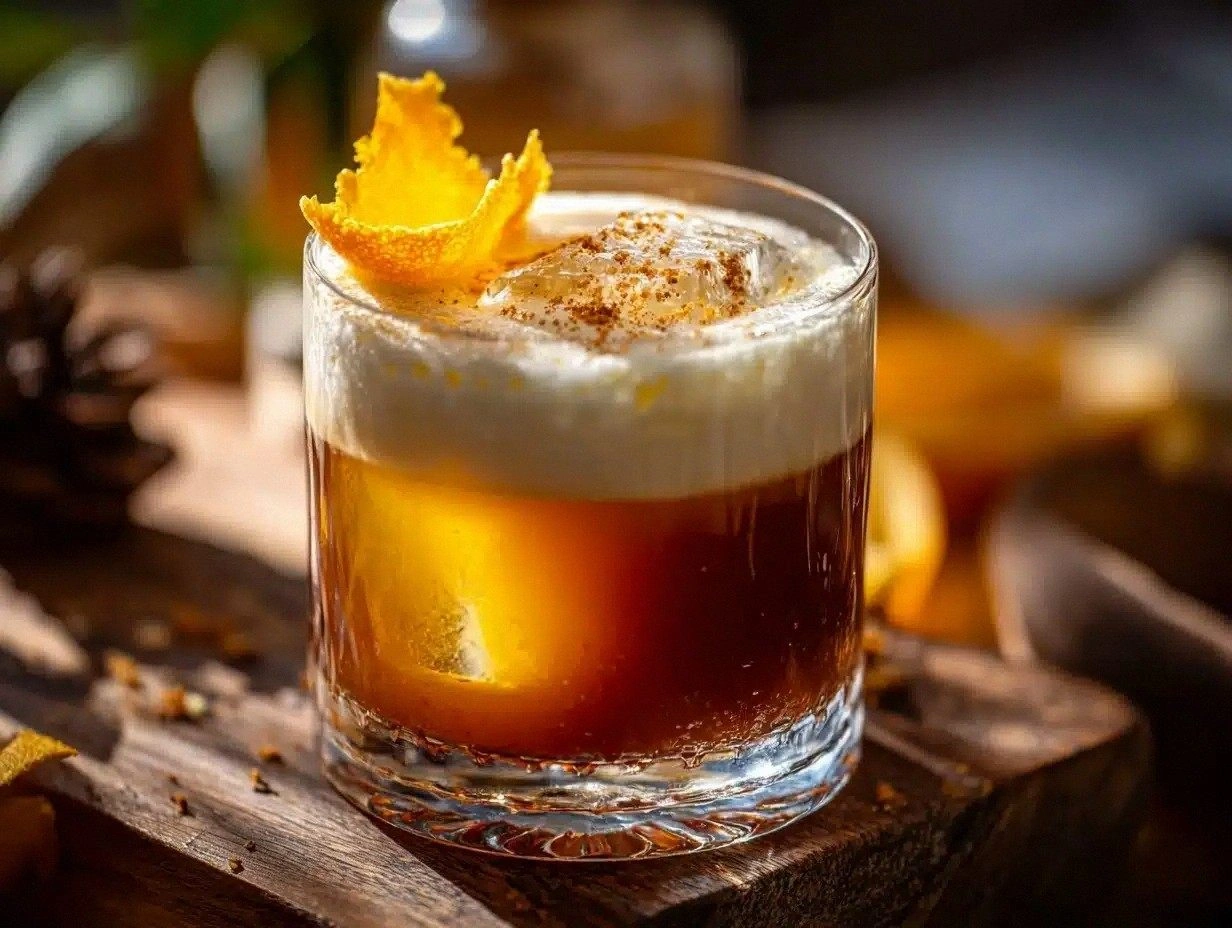
Drop a single mint leaf into each glass—just one, because mint is a bully that will take over if you give it more real estate—and watch it float like a tiny green raft on a golden sea. Garnish with a pineapple wedge perched on the rim and a paper-thin lemon wheel slipped against the inside of the glass so it presses against the ice and glows like a stained-glass window. Serve immediately, preferably outside where the sunlight can hit the liquid and set it ablaze with amber fire, making everyone who sees it involuntarily whisper "wow." The first sip should make your eyes widen, the second should make you close them in bliss, and by the third you'll be planning how soon you can make another batch without looking like you have a problem. That's it—you did it. But hold on, I've got a few more tricks that'll take this to another level...
Insider Tricks for Flawless Results
The Temperature Rule Nobody Follows
Here's the secret most recipes gloss over: every component should be within five degrees of each other before mixing. If your pineapple juice is tepid and your coconut water is ice-cold, they'll shock each other into separating like awkward strangers at a speed-dating event. I learned this the hard way when my first batch looked curdled and tasted flat; the temperature differential forced the natural acids to bind with proteins in the coconut water, creating a weird grainy texture that felt like drinking liquid sand. Now I line everything up on the counter for ten minutes like soldiers at roll call, letting them acclimate before the big merge. The payoff is a silky-smooth punch that stays emulsified for hours, not minutes.
Why Your Nose Knows Best
Before you add any sweetness, stick your nose right into the pitcher and inhale—yes, you'll look like a wine snob, but this step saves more batches than I can count. If the aroma smells bright and almost electric, you're in the sweet zone; if it smells dull or faintly fermented, your fruit is past prime and no amount of sugar will fix it. I've tossed entire pitchers after the sniff test revealed my pineapple had turned, saving myself from serving a drink that tastes like regret and old fruit salad. Trust your nose over your tongue at this stage; aroma molecules detect spoilage long before taste buds catch up. If it passes the sniff test, proceed with confidence knowing you're building on a foundation of peak freshness.
The 5-Minute Rest That Changes Everything
After you add the sparkling water, let the punch rest for exactly five minutes before serving—set a timer, walk away, do a little shoulder roll, come back. During this micro-vacation the carbonation distributes evenly, the temperature stabilizes, and the flavors meld into a cohesive profile that tastes like they were always meant to be together. Skip this step and the first glass tastes fizzy but flat in flavor, while the last glass tastes bright but weak in bubbles; those five minutes are the difference between amateur hour and professional polish. I use the time to wipe the counter, arrange garnishes, and eavesdrop on guests' first delighted reactions when they spot the pitcher shimmering like liquid topaz on the table.
Creative Twists and Variations
This recipe is a playground. Here are some of my favorite ways to switch things up:
Spicy Sunset Punch
Muddle a few rounds of fresh jalapeño in the bottom of the pitcher before adding juices—the capsaicin binds to the sweet pineapple, creating a slow-building heat that hits after you swallow, like a tropical sunset that flares just as you're ready to leave the beach. Remove the seeds if you want flavor without fire, or leave them in if you enjoy the kind of heat that makes conversation more animated. Garnish with a chili-sugar rim for a sweet-spicy kiss that makes every sip feel slightly dangerous.
Coconut Cream Dream
Swap the coconut water for equal parts coconut milk and watch the punch turn into a silky, almost milkshake-thick nectar that coats your tongue like velvet. The fat softens the acid, creating a dessert-like drink that doubles as a poolside cocktail base—add a shot of dark rum and you've got a piña colada's sophisticated cousin. Float toasted coconut flakes on top for texture that crackles like thin ice under the spoon.
Herbal Garden Twist
Replace the mint with fresh basil or tarragon for an herbal punch that tastes like summer in Provence crashed a Caribbean luau. Basil adds a peppery note that plays beautifully against pineapple's sweetness, while tarragon contributes faint licorice whispers that make adults raise an eyebrow and ask for the recipe. Bruise the herbs gently between your fingers to release oils without the bitter chlorophyll that turns drinks murky.
Berry Blast-Off
Blend a cup of frozen raspberries into the pineapple juice before combining; the berries tint the punch a blushing rose color and add tannic backbone that makes the drink taste more grown-up. Strain through fine mesh to remove seeds, or leave them in for a rustic texture that reminds you of picking wild berries on a hot afternoon. The raspberry's natural pectin adds subtle body, giving the punch a velvety mouthfeel that lingers like a good memory.
Zero-Proof Mojito
Muddle fresh lime wedges with the mint before adding the pineapple juice, creating a non-alcoholic mojito that refreshes without the rum fog. The lime's sharper acid cuts through pineapple's sweetness, while the mint lifts everything into the realm of spa-day refreshment. Top with a splash of tonic water instead of soda for quinine bitterness that makes the fruit taste sweeter by comparison.
Ginger Firecracker
Steep a two-inch knob of sliced fresh ginger in the simple syrup while it's cooling; the gingerol compounds infuse the syrup with warming spice that contrasts beautifully with the icy fruit. Strain out the ginger before adding to the punch, or leave a few slices floating like golden coins for visual drama. The heat sneaks up after the third sip, making this version perfect for cool evenings when you want refreshment with a built-in sweater.
Storing and Bringing It Back to Life
Fridge Storage
Store any leftover punch—though honestly, leftovers are rarer than polite comments on the internet—in a glass jar with a tight lid, filling it to the very brim to minimize oxygen exposure that flattens flavor. Without the sparkling water the base keeps for three days, bright and perky as a morning news anchor; once you've added bubbles, drink within twenty-four hours or risk the sad spritz of a soda left open on the counter. If separation occurs, don't panic—just give it a gentle stir and the flavors will reunite like old friends who needed a brief break. Always taste before serving stored punch; citrus oils oxidize quickly and can turn a vibrant drink into something that tastes like lemon Pledge if you push past day four.
Freezer Friendly
Pour the punch base (minus sparkling water) into ice cube trays and freeze for up to two months; these golden cubes become instant slushies when blitzed in a blender with a splash of coconut water. For party prep, freeze the base in zip-top bags laid flat so they stack like golden records in your freezer, ready to thaw in minutes under lukewarm water. Never freeze the finished fizzy punch—carbonation doesn't survive the deep freeze, and you'll end up with a flat, syrupy block that tastes like disappointment on a stick.
Best Reheating Method
Since this is a cold drink, "reheating" means reviving flat leftovers rather than warming them. Add a fresh splash of sparkling water right before serving, using a ratio of one part new bubbles to three parts stored punch for optimal fizz without diluting flavor. If the punch has become too concentrated in the fridge, loosen it with a tablespoon of cold coconut water at a time until it tastes bright again—think of it as CPR for flavors that have fallen asleep. Serve over fresh ice made from the punch itself to avoid the cardinal sin of watering down your resurrection.