I still remember the first time I attempted palak paneer in my cramped college apartment kitchen. The spinach looked like swamp water, the paneer disintegrated into rubbery nubs, and my roommate politely asked if I was cooking lawn clippings. Fast forward through three years of obsessive testing, a disastrous dinner party where the sauce seized like cement, and one triumphant evening when my Indian neighbor knocked on my door demanding to know what sorcery I was conjuring. That night, everything clicked. The sauce glowed emerald like a jewel, the paneer cubes bobbed like little clouds of joy, and the aroma wrapped around us like a warm blanket. If you've ever tasted palak paneer that tasted like bitter grass with squeaky cheese, prepare for a revelation. This version will make you close your eyes involuntarily with the first bite, the way good music makes you sway without thinking.
The magic happens when you stop treating spinach like a sad health obligation and start treating it like the star it deserves to be. We're talking about coaxing out sweetness through caramelization, building layers of flavor that dance between earthy, bright, and deeply comforting. Picture yourself standing over the pot, wooden spoon in hand, watching the sauce transform from raw green to this luxurious velvet that coats the back of your spoon like liquid cashmere. Your kitchen fills with the scent of toasted cumin and blooming garlic, while butter sizzles happily in the background. This isn't just dinner — it's a love letter to every time you've eaten something that made you feel taken care of.
Most recipes get this completely wrong. They boil the spinach into submission, then wonder why it tastes like wet cardboard. They throw in raw spices and expect them to sing. They treat paneer like an afterthought instead of the golden cubes of joy they can be. Here's what actually works: we char the spinach until it develops these gorgeous caramelized edges that taste like summer itself concentrated into green form. We bloom our spices in ghee until they crackle and pop like tiny fireworks. And we treat our paneer like royalty — golden-seared on the outside, cloud-soft within. Stay with me here — this is worth it.
Let me walk you through every single step — by the end, you'll wonder how you ever made it any other way.
What Makes This Version Stand Out
Smoky Depth: We're not just wilting spinach here — we're charring it until the edges blister and blacken, creating layers of flavor that taste like the best parts of grilled vegetables and fresh herbs had a beautiful baby. This technique, borrowed from North Indian street vendors, transforms the humble leaf into something that tastes like it cost forty dollars at a fancy restaurant.
Pillowy Paneer Perfection: Instead of dumping in rubbery cubes straight from the package, we're giving them the spa treatment — lightly fried until they develop these golden edges that provide the most satisfying textural contrast to the silky sauce. I dare you to taste one fresh from the pan and not go back for seconds.
Spice Alchemy: Most recipes throw everything in at once like a flavor free-for-all. We build our masala in stages, letting each spice bloom at its optimal temperature. The cumin hits the hot ghee first, crackling like applause, followed by the gentle warmth of coriander, and finally the bright punch of garam masala right at the end to keep its volatile oils singing.
Weeknight Friendly: Despite tasting like you spent hours, this comes together in under forty-five minutes. The secret? While your spinach chars, you're prepping everything else. By the time your onions are translucent, your greens are ready to party. Picture yourself pulling this out of the oven, the whole kitchen smelling incredible, and knowing dinner's handled.
Crowd-Shocking Presentation: That electric green color isn't from food coloring — it's from shocking the spinach in ice water after charring, locking in that jewel-tone that makes people ask "how did you get it so green?" like you're some kind of kitchen wizard.
Make-Ahead Magic: This actually tastes better the next day after the flavors have time to meld and deepen. Make a double batch on Sunday, and you've got lunches that'll make your coworkers jealous all week. If you've ever struggled with meal prep that actually tastes good, you're not alone — and I've got the fix.
Nutrition That Doesn't Taste Like Punishment: We're talking iron, protein, calcium, and vitamins that taste like comfort food. It's like sneaking vegetables into a toddler, except you're the toddler and you're thrilled about it. Your body will thank you while your taste buds do a happy dance.
Inside the Ingredient List
The Flavor Base
Fresh spinach is non-negotiable here — not because we're snobs, but because frozen contains too much water and tastes like disappointment. Look for leaves that snap crisply, not bend like rubber. The stems hold flavor, so keep them unless they're thicker than a pencil. Baby spinach works in a pinch, but mature leaves have more character and hold up better to the char. If you skip the charring step, you'll end up with that sad cafeteria green that tastes like punishment.
Onions form the sweet, caramelized backbone that makes everything taste like it's been simmering for hours. Dice them fine — not minced, not chunky — so they melt into the sauce without disappearing entirely. Yellow onions bring the perfect balance of sweetness and body, while red onions can make your sauce taste muddy. Don't rush this step; those fifteen minutes of slow cooking are where the magic happens.
Tomatoes might seem controversial in palak paneer, but trust me — a single ripe tomato adds acidity that brightens all the earthy flavors and keeps the spinach from tasting flat. Skip it and your sauce will taste one-dimensional, like something's missing but you can't quite place it. The tomato should be ripe enough to yield to gentle pressure but not so soft it's mealy.
The Aromatics Alliance
Garlic and ginger aren't just supporting players here — they're the dynamic duo that makes Indian food taste like itself. Fresh is everything. Pre-minced garlic in jars tastes like acrid chemicals, and ground ginger lacks the bright heat that makes your tongue tingle pleasantly. Smash the garlic with the flat of your knife before mincing to release those allicin compounds that make vampires cry and food lovers rejoice.
Green chilies bring the heat, but more importantly, they add a grassy freshness that dried chilies can't match. Serranos work beautifully — remove the seeds and membranes for gentle warmth, leave them in for a pleasant kick that builds slowly instead of punching you in the face. If you can't find fresh chilies, a pinch of cayenne works, but you'll miss that bright, almost citrusy note.
The Spice Symphony
Cumin seeds are the opening notes of our flavor symphony — toast them until they darken and smell nutty, not burnt. Ground cumin tastes dusty and flat compared to whole seeds that crackle and pop in hot ghee, releasing essential oils that smell like earth and sunshine had a perfect baby. If your cumin seeds don't sizzle when they hit the pan, your oil isn't hot enough.
Coriander seeds bring lemony, floral notes that make the spinach taste greener and more alive. Grind them fresh if possible — the pre-ground stuff tastes like sawdust after six months in your pantry. Toast whole seeds until they smell like citrus and pepper, then grind them coarsely so you get little bursts of flavor in each bite.
Garam masala goes in at the very end, like a final flourish of perfume. Adding it too early cooks off those volatile compounds that make it taste like Christmas and warmth and everything good. A good blend should smell like cinnamon, cardamom, and cloves without any single spice dominating. If yours smells like cinnamon candy, it's too old.
The Richness Brigade
Heavy cream might seem indulgent, but just two tablespoons transform the sauce from health food to luxurious comfort. The fat carries all the spice flavors to your taste buds and gives that restaurant-quality silkiness. You can substitute coconut milk for a vegan version, but it will taste different — not bad, just different, with tropical notes that compete with the spinach.
Ghee is worth seeking out for its nutty, buttery flavor that tastes like regular butter's sophisticated older cousin. You can make it by simmering butter until the milk solids brown and strain out the golden liquid. Don't substitute oil — you'll lose that rich, almost caramel flavor that makes Indian food taste like itself. Butter works in a pinch, but ghee's higher smoke point lets you toast spices without burning.
The Star Protein
Paneer is where most recipes go tragically wrong. Store-bought often tastes like rubber bands soaked in milk. If you can find fresh paneer at an Indian grocery, grab it — it should feel like firm tofu, not bounce like a superball. Can't find good paneer? Make your own with milk and lemon juice. It's easier than sourdough starter and infinitely more rewarding.
The key to paneer that melts in your mouth instead of squeaking between your teeth is in the searing. Hot pan, medium-high heat, don't crowd the cubes. They should sizzle when they hit the oil and develop golden crusts that taste like the best parts of grilled cheese. Flip them like you're handling precious jewels — rough treatment makes them crumble into sad little pieces.
Everything's prepped? Good. Let's get into the real action...
The Method — Step by Step
- Start with a dry cast iron pan over medium-high heat. No oil, no butter, nothing. Add your spinach in batches — don't overcrowd or it'll steam instead of char. Listen for that satisfying sizzle when the leaves hit the hot metal. Within two minutes, they'll wilt and the edges will blacken slightly, creating these gorgeous smoky notes that taste like summer barbecues. Transfer to a bowl of ice water immediately — this stops the cooking and locks in that electric green color that makes people ask if you used food coloring. I'll be honest — I ate half the batch before anyone else got to try it, straight from the pan with a little salt.
- While your spinach drains, heat ghee in the same pan until it shimmers like liquid gold. Add cumin seeds and watch them dance — they should sizzle immediately and smell nutty within thirty seconds. If they burn, start over. There's no saving bitter cumin, and your whole dish will taste like regret. This is the moment of truth where you decide if you're making dinner or making magic.
- Onions go in next, diced small enough to melt but not disappear. Stir them occasionally, but not constantly — they need time to develop those golden edges that taste like caramel. This takes about twelve minutes, during which your kitchen will start smelling like the best Indian restaurant you've ever visited. Don't walk away from the stove here — onions go from perfect to burnt faster than bad decisions.
- Garlic and ginger join the party, minced so fine they almost dissolve. Cook for just sixty seconds — you want to take the raw edge off without browning them. They should smell bright and punchy, like you're standing in a spice market. Add your green chilies now, slit lengthwise so they infuse the oil without exploding in someone's mouth.
- Tomato time — one medium, diced small. It should sizzle and start breaking down immediately, creating a thick paste that coats the onions. Cook until the oil separates and the mixture looks like it's been simmering for hours. This is where depth develops, where simple vegetables become something greater than themselves.
- Squeeze every drop of water from your spinach — I mean really squeeze, like you're trying to win a strength contest. Blend it with a splash of water until it's smoother than a pick-up line but not liquid. It should coat a spoon like thick paint, not run off like juice. Season aggressively with salt — spinach can handle more than you think.
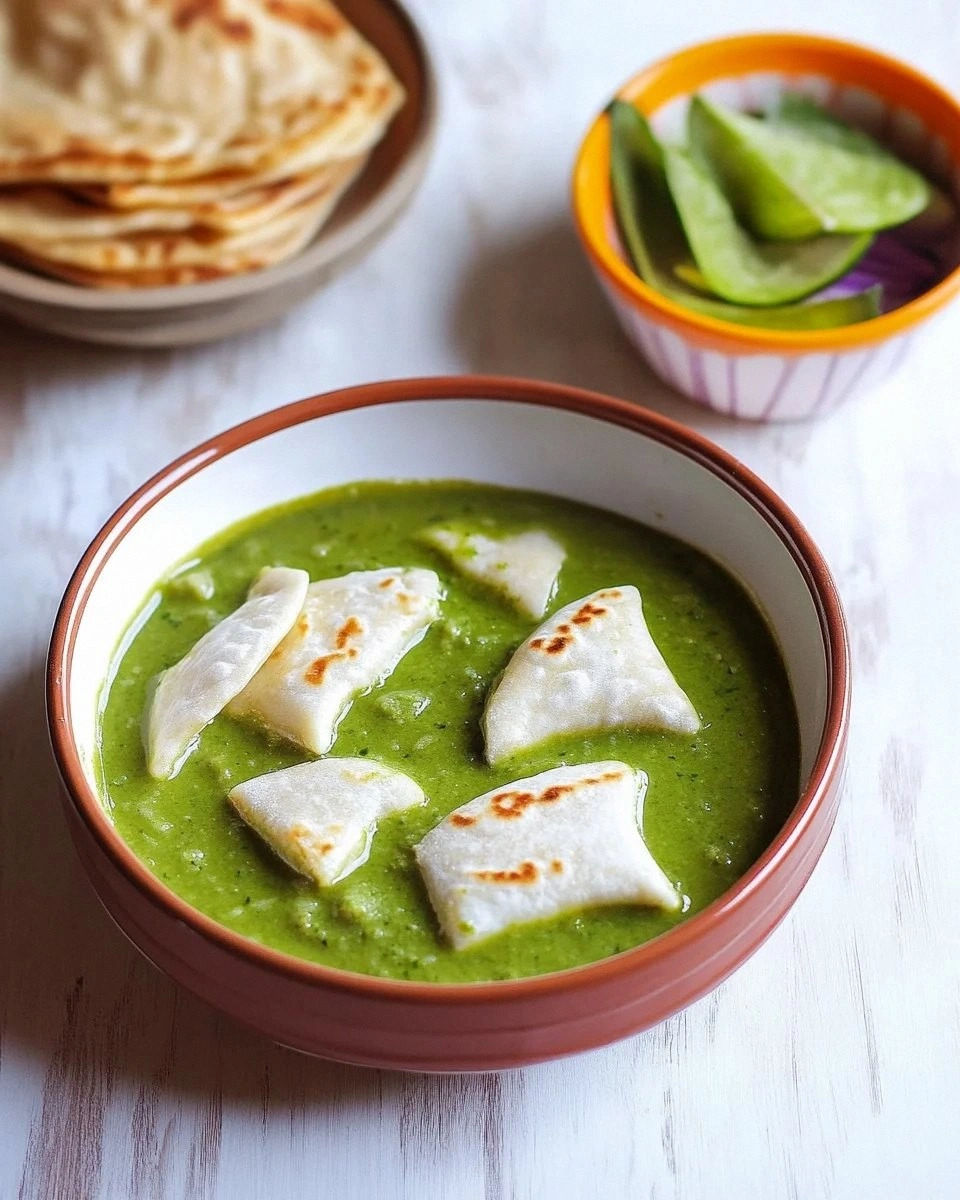
- The reunion: pour your spinach puree into the onion mixture. Watch it transform from army green to emerald as it heats through. Stir in your cream — just enough to enrich, not drown. The sauce should be thick enough to coat the back of a spoon, thin enough to pool slowly.
- Paneer cubes get their moment in a separate pan. Heat oil until it shimmers, then add paneer in a single layer. Don't crowd them or they'll steam instead of brown. They need space to develop those golden crusts that provide the perfect textural contrast to silky sauce. Flip them like you're handling precious memories — gently, deliberately, with love.
That's it — you did it. But hold on, I've got a few more tricks that'll take this to another level...
Insider Tricks for Flawless Results
The Temperature Rule Nobody Follows
Your spinach needs to be cold when it hits the hot pan for charring — straight from the fridge cold. Room temperature spinach releases water too quickly, steaming instead of charring. But here's the curveball: your onions need to be room temperature before they go in the ghee. Cold onions drop the pan temperature too drastically, making them sweat instead of caramelize. It's like dating — timing and temperature matter more than you'd think. A friend tried skipping this step once — let's just say it didn't end well, and her palak paneer tasted like sadness.
Why Your Nose Knows Best
Trust your nose more than your timer. When the cumin smells nutty and toasted, it's ready. When the onions smell sweet and caramelized, not sharp and raw, they've transformed. When the garlic smells bright and punchy, not acrid, you've hit the sweet spot. Your nose is a more reliable indicator than any recipe timing — every stove, every pan, every kitchen is different. That sizzle when it hits the pan? Absolute perfection that you can smell coming together.
The 5-Minute Rest That Changes Everything
After you combine everything, turn off the heat and let it sit for exactly five minutes. Not ten, not two — five. This allows the flavors to meld and deepen, the sauce to thicken slightly, and the temperature to drop to that perfect eating zone. During this time, the spinach flavor mellows and integrates with the spices instead of tasting like a separate component. It's like letting red wine breathe, except instead of wine, it's your dinner getting better while you set the table.
The Cream Swirl Secret
Don't just dump cream in and stir. Drizzle it in a thin stream while stirring constantly, creating these gorgeous marbled patterns that eventually disappear into uniform richness. This prevents the cream from curdling and ensures it incorporates smoothly without any white streaks. The sauce should look like velvet — if you see any separation or graininess, keep stirring gently over low heat until it comes back together.
The Paneer Handling Protocol
Never, ever stir paneer vigorously once it's in the sauce. Treat it like you're handling a newborn — gently, with support, and definitely not tossing it around. Use a spoon to ladle sauce over the cubes, or tilt the pan to coat them. Rough handling makes them crumble into sad little pieces that look like cottage cheese gone wrong. They should maintain their cube shape while absorbing all that gorgeous flavor like little sponges of joy.
Creative Twists and Variations
This recipe is a playground. Here are some of my favorite ways to switch things up:
The Vegan Virtuoso
Swap paneer for firm tofu that's been pressed and pan-fried until golden. Use coconut cream instead of heavy cream — just the thick top part from a can of full-fat coconut milk. Add a squeeze of lime at the end to brighten everything up. The coconut brings tropical notes that play beautifully with the spinach, creating something that tastes like Goa meets Delhi in the best possible way.
The Fire-Eater's Fantasy
Keep the green chilies whole but slit deeply, add a teaspoon of Kashmiri chili powder for color and heat, and finish with a tempering of dried red chilies in smoking hot ghee poured over the top. This version brings the heat that builds slowly, warming your whole chest like a good whiskey. Serve with cooling raita on the side for the brave souls who want to walk the line between pleasure and pain.
The Protein Powerhouse
Add a can of chickpeas, drained and pan-fried until crispy, along with the paneer. The chickpeas absorb the sauce like little flavor bombs while adding textural contrast and extra protein. This turns it from a side dish into a complete meal that'll fuel you through anything. I've served this to weightlifters who couldn't believe something so healthy tasted so indulgent.
The Winter Warmer
Add a cinnamon stick and two cardamom pods to the oil with the cumin seeds. Include a diced potato that's been parboiled until just tender. The potato soaks up the sauce like little cubes of comfort, while the warm spices make this taste like it's been simmering all day. Perfect for those nights when you need something that hugs you from the inside out.
The Spring Fling
Add a handful of fresh mint and a cup of green peas in the last two minutes of cooking. The mint brightens everything while the peas pop with sweetness against the earthy spinach. This version tastes like springtime in a bowl — fresh, vibrant, and somehow both light and satisfying. My grandmother swears the mint helps with digestion, but I just know it tastes like happiness.
The Restaurant Secret
Add a tablespoon of kasoori methi (dried fenugreek leaves) crushed between your palms right at the end. This is the secret ingredient that makes restaurant palak paneer taste like restaurant palak paneer. It's like adding MSG but natural — everything tastes more complex and deeply savory. A little goes a long way, but without it, something indefinable is missing.
Storing and Bringing It Back to Life
Fridge Storage
Store in an airtight container with plastic wrap pressed directly against the surface to prevent oxidation. It keeps for up to four days, though the color will dull slightly. The flavors actually deepen and improve after the first day — if you can resist eating it all immediately. Don't store with the paneer in it — keep them separate and combine when reheating for the best texture. Your future self will thank you when you're not dealing with rubbery cheese sadness.
Freezer Friendly
The sauce freezes beautifully for up to three months. Freeze in portion-sized containers, leaving half an inch of space for expansion. Thaw overnight in the fridge, not the counter — room temperature thawing makes the spinach taste flat and tired. Add fresh cream when reheating, as freezing can cause slight separation. The color might darken slightly, but a quick blend will bring it back to life like nothing happened.
Best Reheating Method
Low and slow is the name of the game. Heat gently over medium-low heat, stirring frequently to prevent scorching. Add a splash of water or milk to loosen it up — it should be pourable, not thick like paste. Add the paneer only for the last two minutes, just to warm through. Microwave works in a pinch, but do it in thirty-second bursts, stirring between each. High heat makes the spinach taste metallic and the paneer rubbery, like punishment for your impatience.