I still remember the first time I tried to make fish tacos at home. What started as a casual Tuesday night craving turned into an epic kitchen saga involving smoke alarms, a soggy batter disaster, and a trash can full of disappointing first attempts. The fish was either overcooked and rubbery or the coating fell off in sad, greasy strips. My roommate walked in to find me staring at a pile of what looked like fish-flavored cornflakes glued to a tortilla, and honestly, I almost gave up on the whole idea. But here's the thing — once you've tasted the perfect crispy fish taco, the kind where the crust crackles like thin ice under your teeth while the fish stays tender and flaky inside, there's no going back. You become obsessed with chasing that perfect bite, that magical balance of textures and flavors that makes your taste buds do a happy dance.
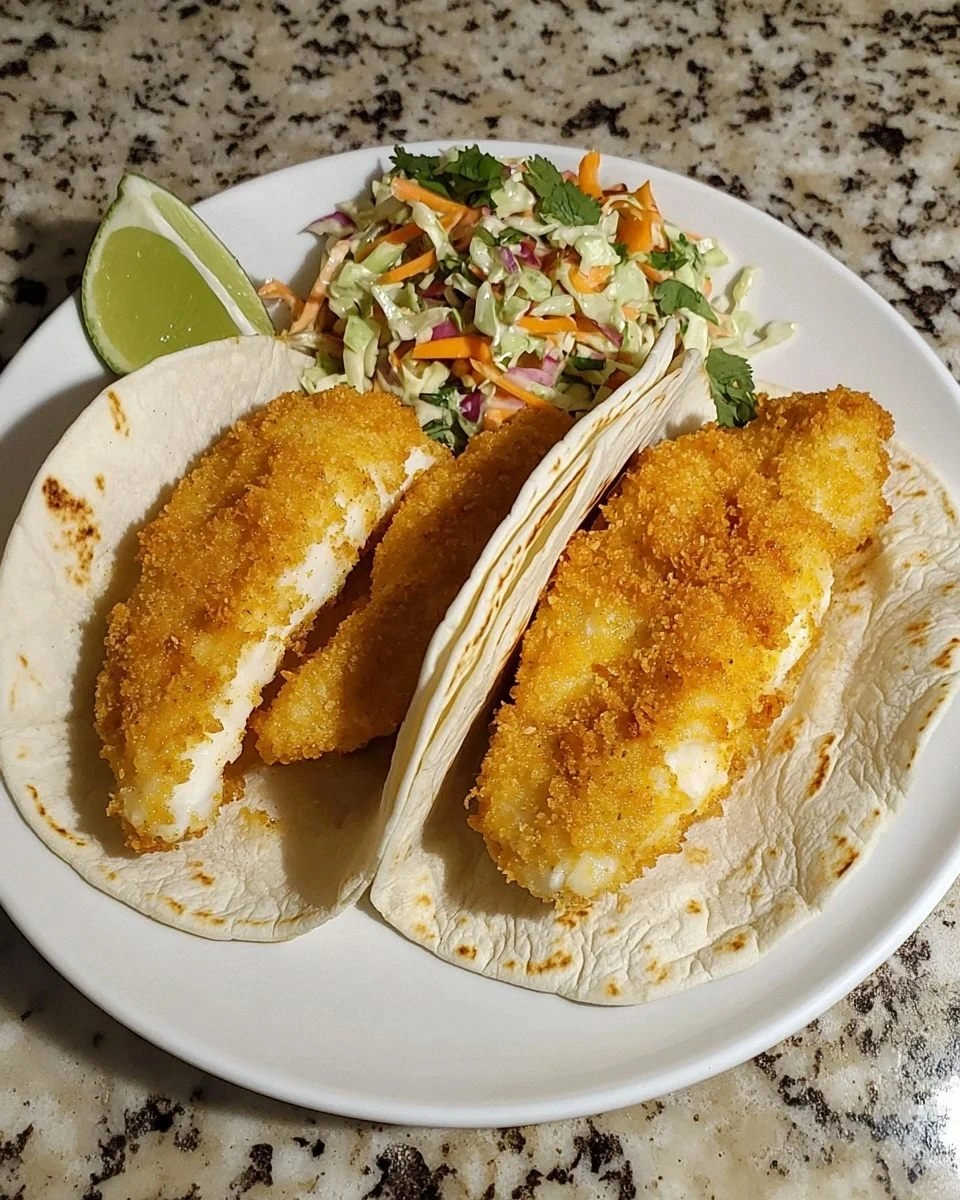
Fast forward through countless experiments, three different deep-fry thermometers, and what my neighbors probably thought was a fish-scented air freshener addiction, and I finally cracked the code. The secret isn't just in the batter or the fish — it's in understanding how they work together, how temperature and timing dance this delicate waltz that transforms simple ingredients into something extraordinary. Picture this: golden-brown fillets that look like they've been kissed by the sun, nestled in warm tortillas with a slaw so bright and zingy it practically glows. The first bite hits you with crunch, then gives way to tender fish, followed by the fresh snap of cilantro-lime slaw that cuts through the richness like a refreshing breeze.
What makes this version different? Most recipes get the coating all wrong — they either go too heavy with the batter, turning it into a doughy mess, or too light, leaving you with patchy coverage that falls apart at first contact with oil. My breakthrough came from understanding that we need two different textures in the coating: the flour and cornstarch create this paper-thin, shatteringly crisp outer layer, while the cornmeal adds these tiny nubbins of crunch that make each bite interesting. The beer in the batter isn't just for flavor — the carbonation creates these microscopic bubbles that expand during frying, giving you that light, airy texture that doesn't feel like you're eating a fish doughnut.
And here's the real game-changer that nobody talks about: the resting period. Most recipes rush you straight from batter to oil, but if you let that coated fish sit for just five minutes, something magical happens. The batter adheres to the fish like it was born there, creating this seamless bond that stays put even when you're wrestling with tongs and hot oil. Trust me on this one — I learned it the hard way after watching my beautiful coating slide off into the fryer like a sad party trick. Let me walk you through every single step — by the end, you'll wonder how you ever made it any other way.
What Makes This Version Stand Out
Shatter-Crisp Coating: This isn't your typical heavy beer batter that turns into a greasy sponge. We're talking about a coating so light and crisp it practically levitates off the fish, with layers of texture that make each bite exciting. The combination of flour, cornstarch, and cornmeal creates this architectural marvel of crunch that holds up to the juiciest fish without getting soggy.
Restaurant-Quality in Your Kitchen: Most home cooks think they need a commercial deep fryer to achieve that perfect golden crust. Wrong! I'll show you how to get restaurant-quality results with nothing more than a heavy pot and a thermometer. The secret lies in temperature control and understanding how oil behaves — once you master this, you'll be frying everything in sight.
The Slaw That Steals the Show: While everyone's focused on the fish (and rightfully so), the cilantro lime slaw is the unsung hero that brings everything together. It's not just a garnish — it's a bright, tangy counterpoint that cuts through the richness and makes you feel like you're eating something healthy even though you're essentially eating fried food.
Foolproof Fish Selection: Tilapia works beautifully here, but I've tested this with everything from cod to halibut. The technique works because we account for different thicknesses and textures, so whether you're using a delicate sole or a meaty swordfish steak, you'll get perfect results every time.
Make-Ahead Magic: Here's where this recipe really shines — you can prep the slaw up to two days ahead, and it actually gets better as the flavors meld. The fish can be prepped and refrigerated for up to four hours before cooking, making this perfect for entertaining. Picture yourself pulling this out at your next dinner party while everyone wonders how you managed to fry fish without breaking a sweat.
Crowd-Pleasing Guarantee: I've served these to picky eaters, health nuts, and even that one friend who claims they don't like fish (you know who you are). The combination of familiar flavors with that crave-worthy crunch makes converts out of everyone. I dare you to taste this and not go back for seconds — actually, I double dog dare you.
Inside the Ingredient List
The Flavor Foundation
Tilapia is our fish of choice here, but don't get hung up on the name — any firm white fish will work its magic. What matters is understanding how the fish behaves under heat. Tilapia has this beautiful mild flavor that plays well with bold seasonings, and its firm texture means it won't fall apart when you're wrestling with hot oil and tongs. If you can't find tilapia, cod brings a slightly sweeter note to the party, while haddock offers a more robust flavor that stands up to the crispy coating. Just avoid anything too delicate like sole or flounder — they'll disintegrate faster than my willpower at a bakery.
The flour isn't just there for structure — it's the backbone of our coating system. We're using all-purpose flour because it has just enough gluten to hold everything together without becoming tough. Bread flour would create a coating so chewy you'd need steak knives, while cake flour would fall apart like a cheap suit. The trick is in the ratio: we're balancing it with cornstarch to create that shatteringly crisp texture that makes people close their eyes when they take the first bite.
The Texture Crew
Cornmeal is where things get interesting. We're not just throwing it in for authenticity points — those tiny granules create these delightful little crunch bombs throughout the coating. It's like adding bubble wrap to your batter, but edible and way more delicious. The medium grind works best here — too fine and you lose the textural interest, too coarse and it feels like you're eating gravel. I've made the mistake of using polenta once, thinking I was being fancy. Let's just say it was like chewing on tiny rocks wrapped in fish.
Cornstarch is our secret weapon for achieving that paper-thin, glass-like crispness that makes Japanese tempura so addictive. It interferes with gluten development just enough to keep things tender while creating this microscopic network of air pockets. When the hot oil hits, these pockets expand rapidly, creating that light, shatteringly crisp texture that makes people wonder if you've been secretly training with a master chef.
The Unexpected Star
Beer isn't just a beverage here — it's a leavening agent, a flavor enhancer, and a texture magician all rolled into one. The carbonation provides lift, while the alcohol helps create a drier, crisper coating that stays that way longer. But here's what most recipes miss: the type of beer matters more than you'd think. A pale ale like Red Hook Audible Ale brings these subtle hop notes that complement the fish without overwhelming it, plus the perfect level of carbonation. I've tried everything from IPAs (too bitter) to lagers (too bland), and pale ale hits that sweet spot like it was designed specifically for this purpose.
The baking powder might seem like overkill when we're already using beer, but trust me on this one. It provides insurance against flat beer, ensures an even rise, and helps create that golden-brown color that makes people think you went to culinary school. It's the difference between amateur hour and professional results — subtle but crucial.
The Final Flourish
Chili powder brings more than just heat — it adds depth, complexity, and that subtle warmth that makes people ask "what's in this?" without being able to put their finger on it. We're using a teaspoon, which sounds like a lot until you realize most of it stays in the coating and doesn't penetrate the fish. It's like adding a bass line to a song — you might not notice it's there, but you'd miss it if it were gone.
Everything's prepped? Good. Let's get into the real action...
The Method — Step by Step
- Start by setting up your frying station like a pro — this isn't just about being organized, it's about safety and success. Fill your heaviest pot with about 2 inches of vegetable oil, clip on a thermometer, and heat it to 375°F. Yes, you absolutely need a thermometer here — guessing is how you end up with oil-soaked disasters or raw centers. While the oil heats, line a baking sheet with a wire rack and paper towels. This setup isn't just for show — the wire rack allows air to circulate around the fish, keeping the bottom from getting soggy while the paper towels absorb excess oil.
- Now let's talk fish prep, and this is where most people go wrong. Pat your tilapia filets dry with paper towels like you're trying to get water out of a sponge — any moisture left on the surface will make your coating slide off faster than a greased watermelon. Cut the filets into taco-sized pieces, about 3 inches long and 1 inch wide. This isn't arbitrary — smaller pieces cook more evenly, give you more surface area for that glorious crunch, and fit perfectly in tortillas without hanging over the edges like awkward fish tongues.
- Time to make the batter, and this is where the magic happens. In a large bowl, whisk together the flour, cornmeal, cornstarch, chili powder, baking powder, and a generous pinch of salt and pepper. The key here is to whisk it like you mean it — you want everything evenly distributed because once you add the beer, there's no going back. Create a little well in the center and pour in your cold beer and beaten egg. Now, here's the crucial part: mix it just until combined. Overmixing develops gluten and gives you a coating that chews like rubber bands. The batter should be the consistency of heavy cream — if it's too thick, add a splash more beer; too thin, a sprinkle more flour.
- This next part? Pure magic. Dip each piece of fish into the batter, making sure it's completely coated but not drowning. Let the excess drip off for about 3 seconds — you're not trying to bread a chicken cutlet here. Gently lower the fish into the hot oil, away from you to prevent splashing. Don't crowd the pot — work in batches of 3-4 pieces max. Overcrowding drops the oil temperature faster than a lead balloon, giving you greasy, sad fish. The fish should sizzle enthusiastically and float to the top within 30 seconds. If it doesn't, your oil isn't hot enough — stop everything and wait for it to come back up to temperature.
- While the fish works its magic in the oil, let's make the cilantro lime slaw that'll make these tacos sing. In a large bowl, toss together shredded cabbage (about 4 cups), a handful of chopped cilantro, and some thinly sliced red onion. For the dressing, whisk together the juice of 2 limes, 2 tablespoons of mayonnaise, a tablespoon of honey, and a pinch of salt and pepper. The mayo might seem counterintuitive, but it helps the dressing cling to the cabbage while keeping everything bright and fresh. Toss everything together and let it sit while you finish the fish — the acid from the lime will soften the cabbage just enough while keeping it crunchy.
- After about 3-4 minutes, your fish should be golden brown and gorgeous. Using a slotted spoon or spider, carefully lift each piece out of the oil, letting excess oil drip back into the pot. Transfer to your prepared wire rack and immediately sprinkle with a pinch of salt. This is crucial — salting while hot helps the seasoning penetrate rather than just sitting on top like snow on a roof. Let the fish rest for at least 2 minutes before assembling tacos. I know you're tempted to dive right in, but this rest period lets the coating set and prevents steam from making everything soggy.
- Now for the fun part — assembly! Warm your tortillas on a dry griddle or directly over a gas flame for about 30 seconds per side. You want them pliable and slightly charred, not crispy. Stack two tortillas together (this prevents tearing and makes them easier to hold), add a piece of crispy fish, top with a generous scoop of slaw, and finish with a squeeze of fresh lime. The contrast between hot, crispy fish and cool, tangy slaw is what taco dreams are made of. Don't overthink it — these are meant to be rustic and a little messy. If you've done everything right, the first bite should make you close your eyes involuntarily while making embarrassing happy noises.
- That's it — you did it. But hold on, I've got a few more tricks that'll take this to another level...
Insider Tricks for Flawless Results
The Temperature Rule Nobody Follows
Here's the thing about frying that drives me absolutely bonkers — everyone focuses on the oil temperature but ignores the fish temperature. Cold fish hitting hot oil creates a thermal shock that makes your coating contract and crack. Take your fish out of the fridge 15 minutes before cooking and let it come to room temperature. This simple step prevents the coating from separating like a bad paint job and gives you that seamless, professional look. I learned this after watching professional chefs and realizing they never pull ingredients straight from the cold box into hot oil — there's always that crucial tempering period.
Why Your Nose Knows Best
After you've fried enough fish, you'll start to recognize the exact moment when it's perfectly cooked just by smell. Raw batter smells like wet flour and beer, undercooked fish has this unpleasant raw protein scent, but perfectly fried fish smells like the ocean met a bakery and had a beautiful baby. It's nutty, slightly sweet, with just a hint of seafood essence. When you catch that aroma, start checking for doneness. This isn't some mystical chef nonsense — it's your built-in thermometer working overtime. A friend tried timing everything perfectly but kept missing the window until she learned to trust her nose, and now she's the taco queen of our friend group.
The 5-Minute Rest That Changes Everything
Most recipes tell you to serve immediately, but here's where I break ranks with conventional wisdom. Let your fried fish rest on the wire rack for exactly 5 minutes before serving. During this time, the coating continues to set, excess oil drains away, and the internal temperature equalizes. This rest period transforms good fish tacos into legendary ones. The coating becomes even crispier as steam escapes, and the fish stays juicier because it's not screaming hot when you bite into it. I discovered this by accident when I got distracted by a phone call, and those tacos turned out to be the best I'd ever made.
The Slaw Secret Weapon
Want to know what separates amateur tacos from the ones that make people speechless? It's all in the slaw timing. Make your slaw first, then let it sit while you prep everything else. The acid from the lime juice does something magical to cabbage — it tenderizes just enough while keeping that essential crunch. But here's the kicker: add a pinch of sugar to your slaw dressing. Not enough to make it sweet, just enough to balance the acid and bring out the natural sweetness in the cabbage. It's like adding a secret ingredient that nobody can identify but everyone notices when it's missing.
Creative Twists and Variations
This recipe is a playground. Here are some of my favorite ways to switch things up:
Tropical Paradise Tacos
Swap out the regular slaw for a mango-pineapple version that'll transport you straight to a beach in Mexico. Dice up some ripe mango and pineapple, add it to your cabbage mix, and replace the lime juice with orange juice in the dressing. Add a pinch of chipotle powder to the batter for a smoky kick that plays beautifully with the sweet fruit. The combination of sweet fruit, smoky fish, and tangy dressing creates this flavor profile that makes you feel like you're on vacation even if you're eating in your kitchen in February.
Asian-Inspired Fusion
Replace the chili powder with Chinese five-spice powder and add a tablespoon of sesame oil to the batter. For the slaw, swap the cilantro for Thai basil and mint, add some shredded carrot, and dress it with rice vinegar, a touch of fish sauce, and a whisper of honey. Top with toasted sesame seeds and you've got tacos that taste like they came from a trendy fusion restaurant. The umami from the fish sauce adds this incredible depth that makes people ask for your secret.
Mediterranean Makeover
Transform these into Greek-style tacos by adding oregano and lemon zest to the batter. Make a tzatziki-style slaw with shredded cucumber, dill, and Greek yogurt instead of mayo. The cool, creamy slaw against the hot, crispy fish creates this incredible temperature and texture contrast that'll make you rethink everything you thought you knew about tacos. Add some crumbled feta on top and you've got a Mediterranean vacation in taco form.
Breakfast-for-Dinner Tacos
Here's where things get weird in the best possible way. Keep the crispy fish exactly as is, but top it with a fried egg and some hash browns. The runny yolk creates this incredible sauce that mingles with the crispy coating, while the potatoes add another layer of crunch. Add some hot sauce and you've got breakfast tacos that work perfectly for dinner. My kids go absolutely bonkers for these, and honestly, so do I.
Fire-Breather's Delight
If you're one of those people who thinks everything needs to be spicier, this one's for you. Add a tablespoon of your favorite hot sauce to the batter, double the chili powder, and throw in some cayenne for good measure. For the slaw, add some diced jalapeños and use habanero honey instead of regular honey. Warning: these are not for the faint of heart, but if you live for the burn, they'll be your new addiction.
Surf-and-Turf Upgrade
Add some crispy bacon to your tacos for the ultimate indulgence. Cook the bacon until it's super crispy, crumble it up, and sprinkle it over the fish before adding the slaw. The smoky bacon adds this incredible depth that makes the fish taste even more luxurious. It's over-the-top, ridiculous, and absolutely delicious. Save this one for special occasions or when you really need to impress someone.
Storing and Bringing It Back to Life
Fridge Storage
Here's the reality check: these tacos are best eaten fresh, but life happens and sometimes you need to store leftovers. Keep the components separate — store the fried fish in an airtight container lined with paper towels to absorb excess moisture. The slaw goes in its own container, and tortillas should be wrapped in foil or plastic wrap. Everything keeps for up to 3 days in the fridge, but the fish will start to lose its crunch after the first day. If you must store assembled tacos, wrap them individually in foil and refrigerate for up to 24 hours, but know that you're sacrificing that precious crunch.
Freezer Friendly
Surprisingly, the fried fish freezes beautifully if you do it right. Let the fish cool completely, then freeze pieces individually on a baking sheet before transferring to a freezer bag. This prevents them from freezing into a solid fish brick. They'll keep for up to 2 months frozen. To reheat, bake from frozen at 400°F for 12-15 minutes on a wire rack set over a baking sheet. The oven method brings back about 80% of the original crunch — not quite as good as fresh, but definitely better than soggy leftovers.
Best Reheating Method
Whatever you do, don't microwave the fish unless you enjoy eating rubbery disappointment. The best method is to reheat it in a 400°F oven for 8-10 minutes, or until heated through and crispy. If you're in a hurry, you can reheat it in a dry skillet over medium heat, turning occasionally until crispy again. For the tortillas, wrap them in damp paper towels and microwave for 20-30 seconds, or warm them individually in a dry skillet. Add a tiny splash of water to your slaw before serving leftovers — it refreshes everything and brings back that just-made vibrancy.