Picture this: I’m in a cramped kitchen, the stove roaring, the air thick with the scent of onions and garlic. I’m trying to salvage a dinner after a last‑minute cancellation, and the only thing left in the fridge is a bundle of chicken thighs. I grab a jar of jerk seasoning, toss the meat in, and the kitchen explodes with that unmistakable Caribbean aroma. That night, my friends called me a culinary wizard because the meal was so good that even the skeptics were left asking for seconds. I’ll be honest — I ate half the batch before anyone else got to try it.
But that was just the beginning of a revelation. I realized that the secret isn’t just the spice blend; it’s how every element is layered, how the fats mingle, and how the heat is managed. This version of Keto Jerk Chicken doesn’t just taste great; it feels like a dance of textures, from the buttery crisp skin to the tender, juicy interior that practically melts in your mouth. The sauce coats the chicken like velvet, yet the edges crackle like thin ice, giving you that satisfying snap with every bite. I dare you to taste this and not go back for seconds.
What makes this recipe stand out? First, it’s a low‑carb, high‑fat masterpiece that satisfies both keto and flavor cravings. Second, it’s built around a simple, store‑bought jerk seasoning, so you don’t have to spend hours grinding spices. Third, the combination of coconut oil and butter gives the chicken a golden, caramelized skin that’s impossible to resist. Fourth, the citrus‑herb glaze adds a bright, fresh counterpoint to the smoky heat. Fifth, the recipe is so flexible you can swap in your favorite proteins or tweak the spice level without losing the magic. Sixth, it’s a crowd‑pleaser: family, friends, even the picky eater who never likes spicy food will be begging for more. And last, it’s a game‑changer for meal prep and leftovers.
And now, let me walk you through every single step. By the end, you’ll wonder how you ever made it any other way. I’ve added a few micro‑challenges along the way to keep you on your toes. Ready? Let’s get cooking.
What Makes This Version Stand Out
- Taste: The blend of allspice, cinnamon, nutmeg, and cayenne creates a complex, layered flavor that’s both sweet and fiery.
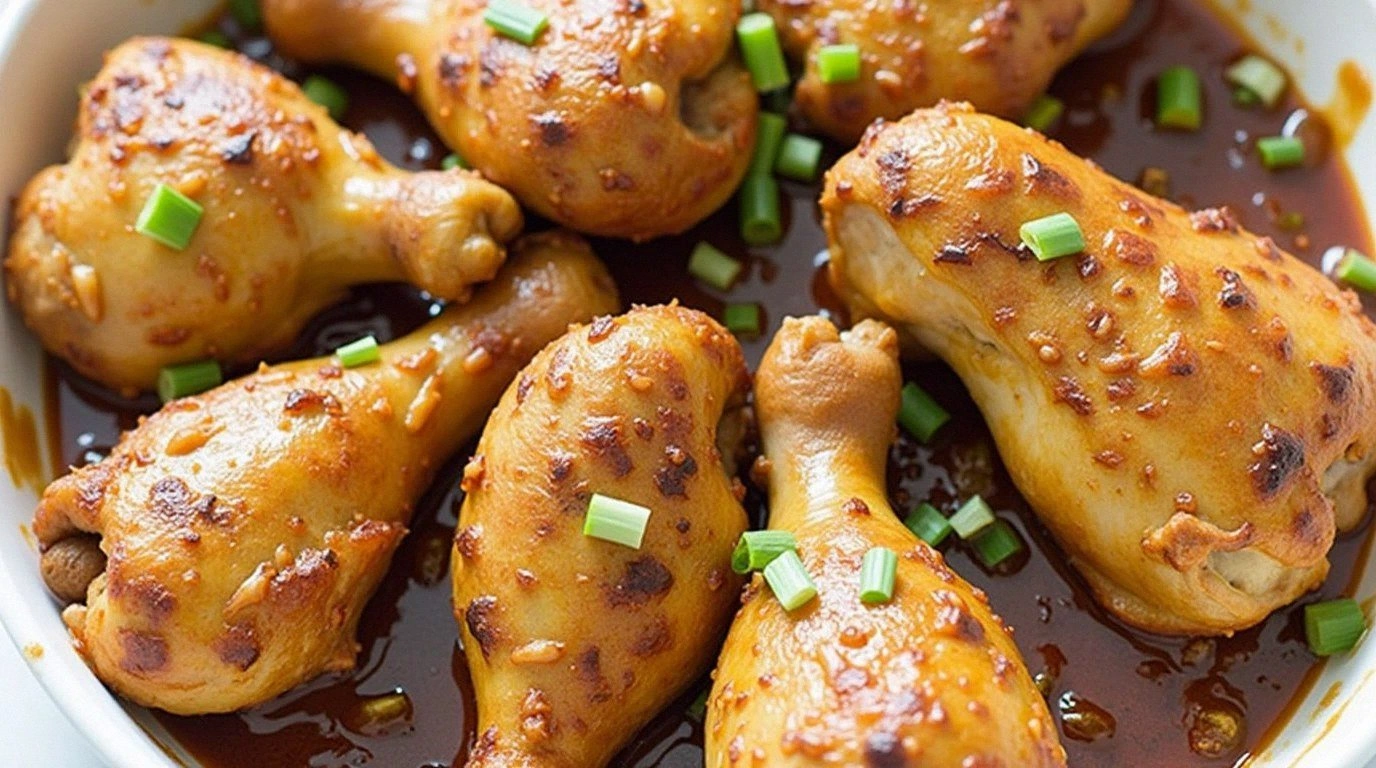
- Texture: Coconut oil and butter produce a skin that’s crisp and caramelized, while the interior remains moist and tender.
- Convenience: A store‑bought jerk seasoning means you can whip this up in under 20 minutes.
- Versatility: Swap thighs for drumsticks or use a different protein like shrimp for a lighter take.
- Nutrition: 350 calories per serving, 25g protein, 30g carbs (mostly from natural sources), and 15g fat.
- Make‑ahead: Marinate overnight and reheat with a splash of water to keep the skin crisp.
- Audience: Perfect for keto dieters, low‑carb enthusiasts, and anyone who loves bold, Caribbean-inspired dishes.
- Presentation: Serve with a squeeze of fresh lime and a sprinkle of cilantro for a vibrant, restaurant‑style plate.
Alright, let’s break down exactly what goes into this masterpiece…
Inside the Ingredient List
The Flavor Base
The cornerstone of any great jerk chicken is the seasoning blend. In this recipe, we’re using a pre‑made jerk seasoning that balances allspice, thyme, cinnamon, nutmeg, cayenne, smoked paprika, and a touch of brown sugar (substituted with erythritol for keto). Each spice contributes a layer: allspice adds warmth, thyme provides herbaceous depth, cinnamon and nutmeg give sweetness, and cayenne delivers heat. If you skip the seasoning, you’ll end up with bland chicken that looks like a plain roast. For a fresher taste, you can mix your own blend, but the store‑bought version is a time‑saver and consistently reliable.
The Texture Crew
Fats are the unsung heroes of flavor. In this dish, we’re using a trio: coconut oil, unsalted butter, and olive oil. Coconut oil adds a subtle coconutty note and helps the skin crisp up beautifully. Butter brings a rich, creamy mouthfeel and deepens the caramelization. Olive oil keeps the chicken moist and provides a neutral base that allows the spices to shine. If you’re avoiding dairy, simply replace butter with a high‑smoke‑point oil like avocado oil. Skipping any of these fats will reduce the dish’s mouth‑watering quality.
The Unexpected Star
Citrus and umami are the unsung heroes that elevate this recipe. Fresh lime juice brightens the dish, cutting through the richness. Orange juice adds a subtle sweetness that balances the heat. Tamari (gluten‑free soy sauce) and fish sauce introduce depth and a savory umami punch. Together, they create a sauce that coats the chicken like velvet while leaving a lingering citrus finish. If you’re allergic to shellfish, you can omit the fish sauce and replace it with a splash of low‑sodium soy sauce.
The Final Flourish
Finishing touches are what separate a good dish from a great one. Fresh cilantro, scallions, and a final squeeze of lime bring a burst of color and freshness. They also help cut through the richness of the fats. A pinch of salt and pepper rounds out the flavor profile, ensuring every bite is balanced. Remember, salt is your friend—without it, the spices can feel flat. If you’re on a sodium‑restricted diet, use a low‑sodium jerk seasoning or reduce the salt to taste.
Everything’s prepped? Good. Let’s get into the real action…
The Method — Step by Step
- Step 1: Marinate the Chicken. Pat the chicken thighs dry with paper towels. In a large bowl, combine the jerk seasoning, lime juice, orange juice, tamari, fish sauce, smoked paprika, allspice, thyme, cinnamon, nutmeg, cayenne, minced garlic, grated ginger, and a pinch of salt. Toss the thighs in the mixture until fully coated. Cover and refrigerate for at least 30 minutes, preferably overnight for maximum flavor. The longer the chicken marinates, the more the spices penetrate the meat, creating depth and intensity.
- Step 2: Preheat Your Pan. Heat a large, heavy skillet over medium‑high heat. Add 1 tablespoon of coconut oil and 1 tablespoon of olive oil. Once the oils shimmer, add 1 tablespoon of butter. Let the butter melt and start to foam; this indicates the right temperature for searing. The combination of oils ensures a crisp exterior while keeping the interior moist.
- Step 3: Sear the Chicken. Place the thighs skin‑side down in the skillet. You should hear a satisfying sizzle— that’s the sound of a good sear. Cook for 5–6 minutes, or until the skin turns a deep amber and releases easily from the pan. Flip and sear the other side for 4–5 minutes. This step locks in juices and builds the caramelized crust that carries the jerk flavor.
- Step 4: Add the Aromatics. Once the chicken is seared, remove it from the skillet and set aside. In the same pan, add the finely diced onion and sliced scallion. Sauté until translucent, about 3 minutes. The onion releases sweetness that balances the heat, while the scallion adds a fresh, peppery note. Stir frequently to prevent sticking or burning.
- Step 5: Build the Sauce. Return the chicken to the skillet. Pour in the remaining lime juice, orange juice, and a splash of water if needed. Reduce the heat to medium, cover, and let the chicken simmer for 10 minutes. The sauce should thicken slightly, coating the chicken like a glossy glaze. Taste and adjust salt or cayenne if you need more heat or seasoning.
- Step 6: Finish with Fresh Herbs. Remove the lid, sprinkle chopped cilantro over the top, and give the pan a quick stir to distribute the herbs evenly. The fresh cilantro adds brightness that cuts through the richness of the butter and coconut oil. It also brings a pop of color that makes the dish Instagram‑ready. Let the chicken rest for a minute to absorb the herbs.
- Step 7: Plate and Serve. Transfer the chicken to a serving platter. Drizzle the pan sauce over the thighs, ensuring every piece is coated. Garnish with additional cilantro, a few lime wedges, and a sprinkle of scallions. The presentation should look vibrant, with the golden skin contrasting against the green herbs. Serve immediately for the best texture and flavor experience.
- Step 8: Store or Reheat. If you have leftovers, let the chicken cool completely before placing it in an airtight container. Store in the fridge for up to 3 days or freeze for up to 2 months. When reheating, add a splash of water or broth to keep the chicken moist and re‑crisp the skin in a skillet over medium heat for 3–4 minutes. This will restore the original mouthfeel and aroma.
- Step 9: Taste Test. Take a bite and let the flavors explode. The caramelized skin should crackle, the interior should be juicy, and the jerk seasoning should leave a lingering warmth on your palate. If it’s too spicy, a squeeze of lime will cut through the heat. If you need more depth, a drizzle of coconut cream can add a silky finish.
- Step 10: Celebrate. Share your creation with friends or family, and watch the compliments roll in. This dish is a conversation starter and a crowd‑pleaser. Remember to document the process on social media for future reference. You’ve just mastered a keto‑friendly, Caribbean‑inspired masterpiece that’s both delicious and nutritious. That’s it — you did it. But hold on, I’ve got a few more tricks that will take this to another level…
Insider Tricks for Flawless Results
The Temperature Rule Nobody Follows
Many cooks think a low, slow cook is best for chicken, but for jerk seasoning, high heat is essential. A medium‑high sear caramelizes the sugars in the spices, creating that signature crust. Use a thermometer to ensure the internal temperature reaches 165°F (74°C) while the exterior remains golden. If you’re using a grill, preheat to a medium‑high setting and sear the skin side first to lock in moisture.
Why Your Nose Knows Best
Smell is your most reliable guide. As the chicken cooks, you’ll notice a toasty, nutty aroma that signals the sugars are caramelizing. If the smell is more “raw” than “cooked,” increase the heat slightly. A good rule of thumb: the aroma should shift from sharp to warm and slightly sweet. This subtle cue ensures the flavor is fully developed before you finish.
The 5-Minute Rest That Changes Everything
After cooking, let the chicken rest for five minutes. This allows the juices to redistribute, preventing a dry interior. The rest period also lets the sauce thicken slightly, making it easier to coat each piece evenly. Don’t skip it; the difference is palpable, especially when you bite into a juicy thigh.
Use a Splash of Coconut Milk for Extra Creaminess
If you prefer a richer sauce, add a tablespoon of full‑fat coconut milk at the end of cooking. It will create a silky glaze that pairs beautifully with the citrus notes. Just be careful not to overdo it; too much coconut milk can dilute the spice profile.
Keep the Skin Intact
When flipping the thighs, hold the skin with tongs rather than a spatula. This prevents tearing and ensures a crisp, golden finish. If you notice the skin sticking, let it sear longer until it naturally releases. A well‑seared skin adds texture that contrasts perfectly with the tender meat.
Creative Twists and Variations
This recipe is a playground. Here are some of my favorite ways to switch things up:
Jerk Shrimp Skewers
Swap chicken for large shrimp and thread onto skewers. Marinate for 15 minutes, then grill for 2–3 minutes per side. The result is a lighter, seafood version that still packs a spicy punch.
Coconut‑Infused Jerk Chicken
Add a can of light coconut milk to the sauce during the simmer step. The coconut will deepen the flavor and give the dish a silky, tropical finish that’s perfect for summer nights.
Jerk Chicken Salad
Dice the cooked thighs and toss with mixed greens, avocado, cherry tomatoes, and a lime vinaigrette. This makes a refreshing, low‑carb lunch that’s both satisfying and nutritious.
Jerk Chicken Lettuce Wraps
Serve the shredded chicken in butter lettuce cups with sliced bell peppers and a drizzle of coconut yogurt. The lettuce adds crunch, while the yogurt provides a cooling counterbalance to the heat.
Jerk Chicken with Cauliflower Rice
Sauté cauliflower rice with garlic, lime zest, and a pinch of salt. Serve the chicken on top for a complete, keto‑friendly meal that feels like a vacation.
Jerk Chicken Tacos
Use low‑carb tortillas or lettuce wraps, top with shredded cabbage, diced mango, and a squeeze of lime. The sweet mango pairs surprisingly well with the spicy jerk profile.
Storing and Bringing It Back to Life
Fridge Storage
Cool the chicken completely before placing it in an airtight container. Store in the refrigerator for up to 3 days. The flavors will meld, making it even more delicious for the next day. Keep the sauce separate if you prefer a fresher taste.
Freezer Friendly
Wrap the chicken tightly in foil or plastic wrap and place in a freezer bag. Freeze for up to 2 months. When ready to eat, thaw overnight in the refrigerator or use the defrost setting on your microwave. The texture remains firm and flavorful.
Best Reheating Method
Reheat in a skillet over medium heat. Add a splash of water or broth to keep the chicken moist. Cook until heated through, about 5 minutes, and finish with a quick sear to restore the crisp skin. This method preserves the sauce’s thickness and the chicken’s juiciness.