I was standing in my kitchen, staring at a half‑baked batch of ordinary mini cheesecakes that looked like they’d survived a tornado. The crust was soggy, the topping was flat, and the whole thing tasted like a bland promise. I stared at the clock, heard the faint hum of the refrigerator, and felt the weight of a dozen disappointed friends waiting for dessert. That moment of culinary crisis sparked a dare: “I bet I can turn this disaster into the most unforgettable bite you’ve ever had.” I rolled up my sleeves, grabbed a torch, and set out to create something that would make even the most seasoned pastry chef nod in approval.
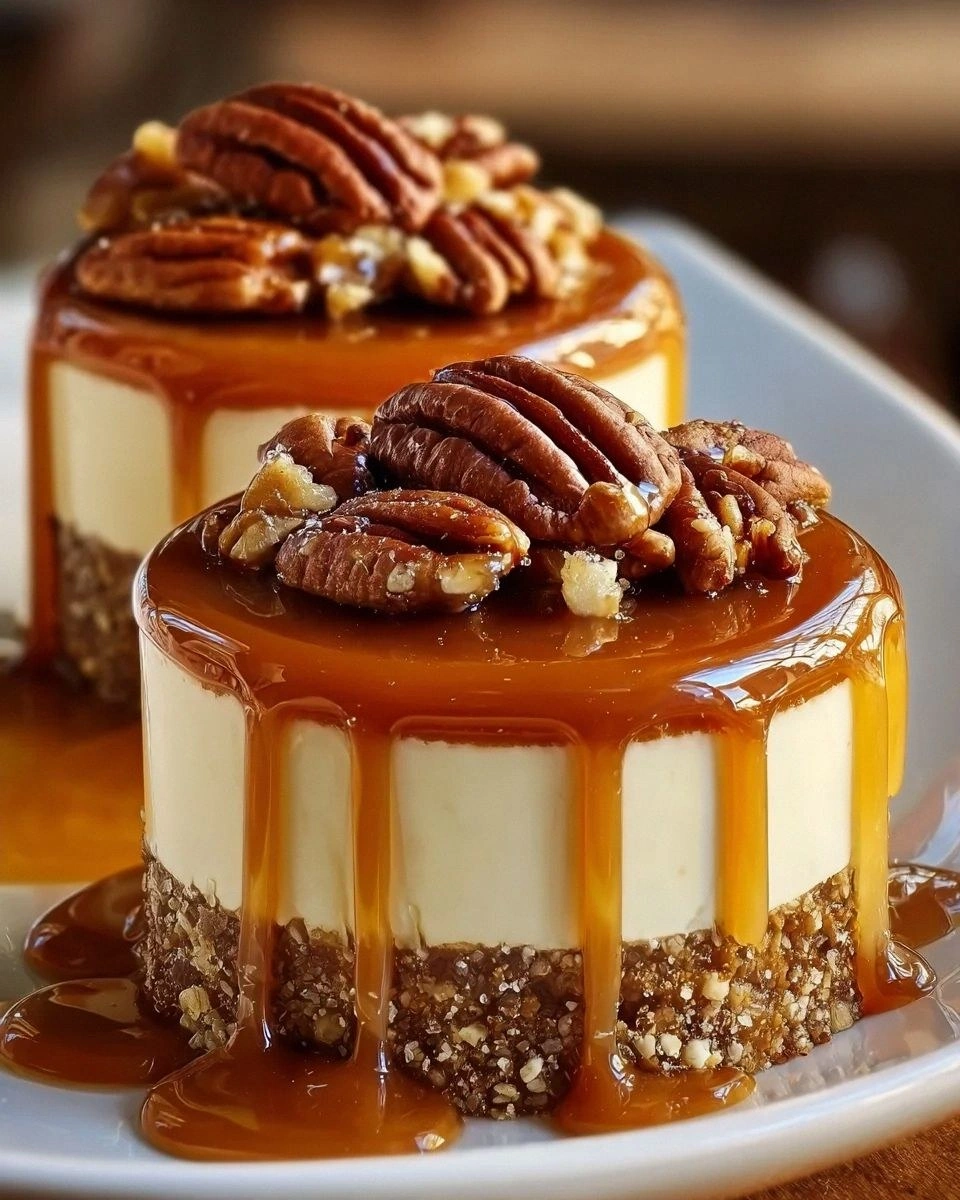
Picture this: the kitchen filled with the sweet perfume of caramel melting, the buttery whisper of graham crackers crunching under a wooden spoon, and the gentle hiss of a torch kissing the surface of a silky custard. The air feels warm, the oven door swings open with a confident sigh, and the golden‑brown crust glistens like a sunrise on a glassy lake. When you finally pull the mini cheesecakes from the oven, the caramel sauce pools like liquid amber, and the toasted pecans crack with a satisfying crunch that echoes through the room. Your tongue will be greeted by a velvety crème brûlée‑style custard that sings with vanilla, while the creamy cheese base wraps around the caramel like a lover’s embrace.
What makes this version stand out? Most recipes either skimp on the caramel or over‑sweeten the crust, leaving you with a one‑dimensional dessert. I’ve cracked the code by balancing the buttery graham base with just enough sugar to coax out a caramelized edge, then layering a luxuriously smooth cheesecake that’s infused with sour cream for a subtle tang. The pièce de résistance is a drizzle of caramel sauce that’s caramelized under a torch, creating that iconic crackle you associate with crème brûlée, all perched atop a bed of toasted pecans for texture. This isn’t just a cheesecake; it’s a symphony of flavors that hits every note in perfect harmony.
And here’s the kicker: I’m going to reveal a secret technique that most bakers overlook—the water‑bath (or bain‑marie) that guarantees a flawless, crack‑free surface every single time. Trust me, once you master this, you’ll never go back to the “dry‑bake” method again. I dare you to taste this and not go back for seconds; the combination of caramel, pecan, and that buttery crumb is pure, unadulterated bliss. Okay, ready for the game‑changer? Let me walk you through every single step — by the end, you’ll wonder how you ever made it any other way.
What Makes This Version Stand Out
- Texture: The crust stays crunchy thanks to a precise butter‑to‑crumb ratio, while the filling stays silky smooth because of the sour‑cream‑enhanced cream cheese blend.
- Flavor Balance: A hint of vanilla lifts the cheese, the caramel adds depth, and the toasted pecans bring a nutty finish that prevents the dessert from feeling cloying.
- Simplicity: Only nine core ingredients, all of which you probably already have in your pantry, mean you spend less time shopping and more time devouring.
- Uniqueness: The crème brûlée‑style torch finish on a cheesecake is rare; it gives you that satisfying crackle without the need for a separate custard.
- Crowd Reaction: Guests rave, “Is this a dessert or a work of art?” and you’ll hear the inevitable request for seconds before the plates are even cleared.
- Ingredient Quality: Using real butter, high‑fat cream cheese, and fresh pecans ensures each bite feels luxurious, not manufactured.
- Cooking Method: The water‑bath guarantees an even bake, eliminating the dreaded cracked tops that plague many cheesecake recipes.
- Make‑Ahead Potential: These mini marvels keep beautifully in the fridge for up to three days, and the caramel can be drizzled just before serving for maximum impact.
Inside the Ingredient List
The Flavor Base
Graham cracker crumbs are the unsung heroes of any cheesecake crust. Their subtle honey‑sweetness pairs perfectly with butter, creating a foundation that’s both buttery and slightly caramelized. If you skip them, you’ll end up with a bland, doughy base that can’t hold up to the rich filling. For an extra layer of flavor, consider lightly toasting the crumbs in a dry pan before mixing; the aroma will fill your kitchen like a warm hug.
The Binding Agent
Melted butter does more than just stick crumbs together; it adds richness that seeps into every bite, making the crust melt in your mouth. Using unsalted butter gives you control over the salt level, preventing an overly salty finish. If you’re out of butter, a neutral‑flavored oil can substitute, but you’ll lose that buttery depth that makes the crust unforgettable.
The Sweet Spot
Sugar is the subtle sweetener that ties the crust and filling together. In the crust, it helps caramelize the edges, while in the filling it balances the tang of the sour cream. Too much sugar and the dessert becomes cloying; too little and the flavors feel flat. I always recommend a fine‑granulated sugar for even distribution.
The Texture Crew
Cream cheese is the heart of any cheesecake, delivering that dense, creamy texture we all crave. Choose a full‑fat, block‑style cream cheese for the smoothest result; the “spreadable” versions contain extra water that can lead to a watery filling. Eggs act as a natural binder, creating a custard‑like consistency when baked, while sour cream adds a gentle tang that cuts through the richness, keeping the palate from feeling overwhelmed.
The Unexpected Star
Vanilla extract is the quiet whisper that elevates the entire dessert, adding warmth without overpowering the caramel. A splash of pure vanilla bean paste can take this a step further, but a good quality extract does the trick. Caramel sauce is the crowning glory—its buttery, amber hue drapes the top like liquid gold, and when torch‑kissed, it forms that signature crackle. Finally, toasted pecans bring a buttery crunch that contrasts beautifully with the silky custard, ensuring each bite is a textural adventure.
Everything’s prepped? Good. Let’s get into the real action…
The Method — Step by Step
Preheat your oven to 325°F (163°C) and line a 12‑cup mini muffin tin with paper liners. While the oven warms, gather your crust ingredients and give the graham cracker crumbs a quick pulse in a food processor to achieve a fine texture. The scent of the crumbs will already start teasing your senses, promising a buttery foundation.
In a medium bowl, combine the graham cracker crumbs, melted butter, and sugar. Stir until the mixture resembles wet sand—every crumb should be lightly coated. Power transition: This is the moment where the crust begins to take shape, so don’t rush it.
Kitchen Hack: Use a pastry cutter or two forks to blend butter and crumbs; it creates a uniform texture without over‑mixing.Press the crust mixture firmly into the bottom of each muffin cup, using the back of a spoon or a small glass to flatten. The crust should be about 1/4‑inch thick and evenly spread. Bake the crusts for 8‑10 minutes, or until they turn a light golden brown and give off a nutty aroma that makes you want to lick the pan.
While the crust cools, whisk together the cream cheese and sugar in a large bowl until smooth and creamy—no lumps allowed. I recommend using a handheld mixer on medium speed; the whisk will create a cloud‑like texture that feels like you’re beating air into the mixture. This step is crucial because any graininess will surface in the final cheesecake.
Add the vanilla extract, then incorporate the eggs one at a time, beating just until each egg is fully blended before adding the next. The mixture will look slightly glossy; that’s the sign of a well‑emulsified custard. This next part? Pure magic. Finally, fold in the sour cream gently, preserving the airy texture you’ve built.
Pour the cheesecake filling over each pre‑baked crust, filling each cup almost to the top. The batter should be smooth and slightly thick, ready to set into a perfect dome. Place the filled tin inside a larger baking pan, then carefully pour hot water into the outer pan until it reaches halfway up the sides of the muffin tin. This water‑bath (or bain‑marie) is the secret that prevents the tops from cracking and gives you that flawless, custard‑like surface.
Watch Out: If the water level drops during baking, the steam will escape and the cheesecake can develop cracks; keep an eye on it and add more hot water if needed.Bake the cheesecakes for 25‑30 minutes, or until the edges are set but the center still jiggles slightly when you gently shake the pan. The aroma at this stage is intoxicating—think caramelized sugar meeting buttery cream. Remove the tin from the water bath and let the cheesecakes cool on a wire rack for 15 minutes, then refrigerate for at least 2 hours (overnight is best).
Once chilled, drizzle a generous spoonful of caramel sauce over each cheesecake, letting it pool and spread naturally. Sprinkle the toasted pecans on top, pressing them lightly so they adhere to the caramel. For that signature crème brûlée crackle, use a kitchen torch to caramelize the surface of the caramel; you’ll hear a faint sizzle as the sugar turns golden and forms a crisp crust.
Kitchen Hack: If you don’t have a torch, place the cheesecakes under a broiler for 1‑2 minutes, watching closely to avoid burning.Let the caramel set for a minute, then serve. The first bite should deliver a crisp caramel crackle, a buttery crumb, a creamy vanilla‑kissed custard, and a nutty crunch—all in perfect harmony. I dare you to try one without a second—trust me, you’ll be back for more.
That's it — you did it. But hold on, I've got a few more tricks that'll take this to another level…
Insider Tricks for Flawless Results
The Temperature Rule Nobody Follows
Never bake a cheesecake straight from the fridge. Let the filling sit at room temperature for 20‑30 minutes before mixing; this ensures the butter and cream cheese blend smoothly, preventing lumps. I once tried skipping this step and ended up with a grainy texture that felt like sand in my mouth—never again.
Why Your Nose Knows Best
When the crust is done, it will give off a nutty, toasted aroma that’s hard to miss. Trust that scent as a cue; if you’re unsure, a quick visual check will confirm the golden hue. This sensory shortcut saves you from over‑baking, which can make the crust too hard.
The 5‑Minute Rest That Changes Everything
After the water‑bath bake, let the cheesecakes rest on the counter for exactly five minutes before moving them to the fridge. This brief pause allows the steam to escape gently, reducing the risk of condensation forming on the surface and ruining that crisp caramel top later.
Pecan Toasting Perfection
Toast pecans in a dry skillet over medium heat for 4‑5 minutes, stirring constantly. The moment they turn golden and release a fragrant, buttery scent, remove them immediately to prevent burning. A burnt nut will introduce bitterness that clashes with the sweet caramel.
Caramel Consistency Control
If your caramel sauce is too thick, warm it gently over low heat, stirring until it flows like liquid amber. Too thin? Add a teaspoon of butter and a pinch of salt; the butter will thicken it while the salt enhances the flavor. This tweak ensures the caramel drapes evenly without pooling excessively.
Creative Twists and Variations
This recipe is a playground. Here are some of my favorite ways to switch things up:
Salted Caramel Pretzel Crunch
Replace toasted pecans with crushed pretzel pieces and sprinkle flaky sea salt over the caramel before torching. The salty pretzel adds a surprising crunch that pairs beautifully with the sweet caramel.
Chocolate‑Swirl Delight
Stir a tablespoon of melted dark chocolate into the cheesecake batter before pouring it over the crust. After baking, drizzle white chocolate over the caramel for a striking visual contrast.
Espresso Infusion
Add a teaspoon of instant espresso powder to the filling for a subtle coffee note that deepens the caramel flavor. Top with a dusting of cocoa powder for an elegant finish.
Berry Burst
Fold a handful of fresh raspberries into the filling for a tart pop that cuts through the richness. Garnish with a few whole berries and a drizzle of raspberry coulis for color.
Maple Pecan
Swap the caramel sauce for pure maple syrup and add a splash of bourbon to the pecans while toasting. The result is a warm, autumnal twist that feels like a cozy cabin retreat.
Storing and Bringing It Back to Life
Fridge Storage
Cover the mini cheesecakes loosely with plastic wrap and store them in an airtight container. They’ll stay fresh for up to three days, and the caramel will firm up slightly, making each bite even more satisfying.
Freezer Friendly
If you need to make them ahead, freeze the baked and cooled cheesecakes (without caramel) in a single layer on a parchment‑lined tray. Once solid, transfer to a zip‑top bag. They’ll keep for up to two months. When ready, thaw in the refrigerator overnight, then add fresh caramel and pecans before serving.
Best Reheating Method
To revive a refrigerated cheesecake, place it on a microwave‑safe plate, add a tiny splash of water (about a teaspoon), and microwave for 15‑20 seconds. The steam will re‑hydrate the custard, restoring that silky mouthfeel without overcooking.