It started with a kitchen catastrophe that would have made even the most seasoned chef cringe. I was trying to salvage a burnt steak and a ruined pot of pasta, only to realize that the chaos could be turned into something spectacular. The sizzle of seared ribeye, the aroma of caramelized onions, and the comforting scent of melted cheese were the only things that kept me from throwing in the towel. I stared at the charred pan, then imagined the same ingredients dancing together in a creamy, savory symphony.
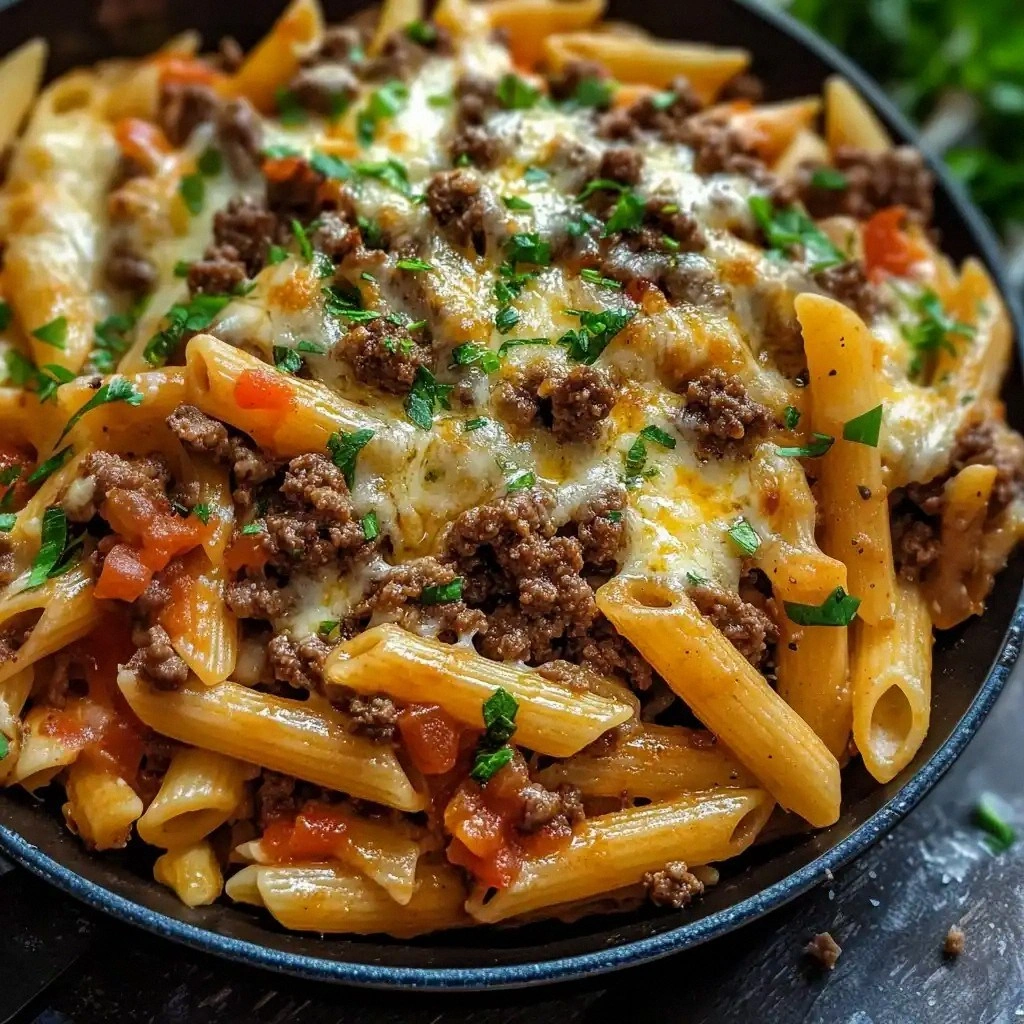
Picture this: a skillet where the beef is seared to a golden crust, the onions and peppers are blistered to a caramelized perfection, and the mushrooms release their earthy juices into a bubbling broth. The sauce thickens, coats the pasta like velvet, and the cheese melts into a silky ribbon that pulls the whole dish together. I dare you to taste this and not go back for seconds. That single bite is a revelation—rich, comforting, and oddly addictive.
This version stands out because I took the classic Philly cheesesteak and turned it into a one‑pan pasta that feels like a hug on a plate. It’s the kind of dish that turns a casual dinner into a celebration. The sauce is creamy yet savory, the steak is tender, and the pasta is perfectly al dente. Every bite is a balance of textures: the crisp edges of the sautéed veggies, the melt of the cheese, and the chewy pasta. If you’ve ever struggled with making a cheesesteak pasta that doesn’t feel like a mess, you’re not alone—this recipe is the fix.
Now, let’s walk through every single step. I’ll share the techniques that make this dish so memorable, the ingredients that bring depth, and the hacks that save time. By the end, you’ll wonder how you ever made it any other way. And trust me, once you taste this, you’ll be planning to serve it again and again.
What Makes This Version Stand Out
- Flavor Depth: The combination of beef broth and Worcestershire sauce creates a savory backbone that elevates the steak and veggies. The cream cheese and provolone add a silky richness that balances the saltiness.
- Texture Contrast: The steak’s caramelized crust juxtaposes the soft, al dente pasta, while the mushrooms contribute an earthy bite that cuts through the cream.
- One‑Pan Simplicity: Everything cooks in a single skillet, which means less cleanup and more time to enjoy the meal.
- Crowd‑Pleaser: Whether it’s a family dinner or a casual get‑together, this dish invites conversation and compliments.
- Ingredient Quality: Using a ribeye steak with good marbling ensures juicy tenderness, while fresh veggies bring natural sweetness.
- Make‑Ahead Potential: The dish can be prepared ahead of time and reheated without losing flavor or texture.
- Visual Appeal: The golden cheese coating and vibrant veggies make the skillet a feast for the eyes.
- Flexibility: Swap the steak for ground beef or turkey, and you’ll have a leaner version that still packs flavor.
Inside the Ingredient List
The Flavor Base
Olive oil is the silent hero that allows the steak to sear without sticking. It also carries the aromatic compounds released by the onions, peppers, and mushrooms. A tablespoon is enough to coat the pan and prevent the meat from sticking, ensuring a beautiful crust.
Beef broth is the backbone of the sauce. It not only adds savory depth but also creates a silky liquid that melds the pasta and cheese into a cohesive dish. Use a low‑sodium broth to keep the salt level under control, especially since the steak and cheese already bring plenty of salt.
Worcestershire sauce is the secret sauce that brings a subtle tang and umami punch. It’s a classic cheesesteak staple and gives the dish that restaurant‑style bite. If you’re avoiding Worcestershire, a splash of soy sauce or tamari can work, but the flavor profile will shift slightly.
The Texture Crew
Ribeye steak is chosen for its marbling, which keeps the meat juicy and tender. One pound of steak is enough to feed four people and still leave room for the pasta. Slice the steak thinly to ensure quick cooking and maximum flavor absorption.
Penne pasta provides a sturdy shape that holds the sauce and cheese. Eight ounces of pasta is ideal for four servings, giving each bite a hearty, satisfying chew. If you prefer a different shape, fettuccine or rigatoni can work, but the sauce’s thickness will need to be adjusted.
Mushrooms add a meaty umami flavor and a pleasant bite. Eight ounces is a good balance—enough to be noticeable but not overpower the steak. Sauté them until they release their moisture and develop a golden crust.
The Unexpected Star
Cream cheese is the unexpected star that brings a creamy, tangy element to the sauce. Four ounces of cream cheese, cut into cubes, melts smoothly into the broth, creating a velvety texture that coats the pasta. If you prefer a lighter version, try substituting part of the cream cheese with Greek yogurt.
Provolone cheese is the classic Philly cheesesteak cheese—melted, gooey, and slightly sharp. One cup of shredded provolone melts into the sauce, creating a cheesy ribbon that ties everything together. The cheese’s mild flavor balances the richness of the cream cheese.
The Final Flourish
Heavy cream adds a final layer of richness and helps thicken the sauce. A quarter cup is enough to elevate the flavor without making the dish overly heavy. If you’re watching calories, you can replace heavy cream with a splash of milk or a dairy‑free alternative.
Garlic powder, red pepper flakes, salt, and black pepper are the seasoning trio that brings the dish to life. They’re simple but essential. The garlic powder adds a subtle depth, the red pepper flakes give a mild heat, and the salt and pepper finish the dish with a balanced seasoning profile.
Everything's prepped? Good. Let's get into the real action.
The Method — Step by Step
- Heat the skillet over medium‑high heat and add the tablespoon of olive oil. Once the oil shimmers, add the sliced steak in a single layer. Sear for 2–3 minutes on each side until a golden crust forms. This is the moment of truth—watch the steak develop those beautiful caramelized edges. Once seared, remove the steak and set aside.
- Reduce the heat to medium and add the diced onion and sliced green bell pepper. Sauté for about 3 minutes until the onions become translucent and the peppers soften. The aroma at this point is intoxicating—sweet, slightly smoky, and utterly inviting.
- Add the sliced mushrooms to the pan and cook for another 4 minutes, stirring occasionally. The mushrooms will release their juices and start to brown, adding an earthy richness that grounds the dish.
- Return the steak to the skillet, spreading it evenly over the vegetables. Sprinkle the garlic powder, red pepper flakes, salt, and black pepper over the top. Stir to combine, ensuring the seasoning coats every surface.
- Pour in the beef broth and Worcestershire sauce, then bring the mixture to a gentle simmer. Let it cook for 5 minutes, allowing the flavors to meld and the broth to reduce slightly. The liquid should look glossy and rich.
- While the broth simmers, boil the penne pasta in a separate pot of salted water according to the package instructions, until al dente. Drain the pasta and reserve a cup of pasta water in case you need to thin the sauce later.
- Add the cooked pasta to the skillet, tossing it with the steak and vegetables so that every noodle is coated with the savory broth. If the sauce feels too thick, splash in a little reserved pasta water to reach your desired consistency.
- Lower the heat to medium‑low and fold in the cream cheese cubes, stirring until they melt into a silky sauce. Then sprinkle the shredded provolone cheese over the top and cover the skillet with a lid for 2 minutes, allowing the cheese to melt into a gooey ribbon.
- Finally, drizzle the heavy cream over the entire dish and give one last gentle stir. The sauce should be glossy, creamy, and thick enough to cling to the pasta. Taste and adjust seasoning if needed.
- Serve hot straight from the skillet, garnishing with a sprinkle of fresh parsley or extra provolone if desired. The dish should look like a golden, cheesy masterpiece, ready to devour.
That's it—you did it. But hold on, I've got a few more tricks that'll take this to another level.
Insider Tricks for Flawless Results
The Temperature Rule Nobody Follows
Many cooks over‑cook the steak, turning it into rubber. Keep the heat medium‑high just enough to sear but not so hot that the steak dries out. A quick test is to press the steak with a finger—if it feels firm but not hard, you’re good.
Why Your Nose Knows Best
Before adding the heavy cream, let the dish sit for a minute. The aroma will shift, indicating the sauce has thickened and the flavors have melded. Trust your nose; if it smells rich and buttery, you’re ready to finish.
The 5‑Minute Rest That Changes Everything
After cooking, let the skillet rest for 5 minutes with the lid on. This allows the residual heat to finish cooking the pasta and the cheese to settle into a cohesive sauce. It also prevents the sauce from separating.
Cheese Swap for a Smoky Twist
Swap provolone for smoked mozzarella or pepper jack for a different flavor profile. The smoky notes will complement the steak’s caramelization and give the dish a new dimension.
Vegetable Variation for Extra Color
Add sliced zucchini or spinach in the last 2 minutes of cooking. The greens will add a pop of color and a nutritional boost without altering the core flavor.
Make‑Ahead Tip
If you’re preparing ahead, cool the dish completely, cover, and refrigerate. Reheat on the stovetop over low heat, adding a splash of beef broth or water to loosen the sauce. The flavors will deepen, making it even more delicious.
Creative Twists and Variations
This recipe is a playground. Here are some of my favorite ways to switch things up:
Ground Beef Blitz
Replace the ribeye with ground beef for a leaner version. Brown the beef with onions and peppers, then follow the rest of the steps. It’s perfect for a quick weeknight dinner.
Veggie‑Rich Powerhouse
Add a cup of chopped spinach and a handful of cherry tomatoes during the last 2 minutes of cooking. The veggies add color, nutrients, and a burst of freshness that balances the richness.
Cheese‑Lover’s Delight
Increase the provolone to 1 ½ cups and add a sprinkle of grated Parmesan. The extra cheese intensifies the gooey, melty texture and adds a nutty undertone.
Gluten‑Free Option
Swap penne for a gluten‑free pasta variety. Keep the rest of the recipe the same; the flavor will remain unchanged while you cater to dietary restrictions.
Spicy Kick
Add an extra ½ teaspoon of red pepper flakes or a dash of hot sauce. The heat will cut through the creaminess and give the dish a lively edge.
Breakfast‑Inspired
Serve the skillet with a side of scrambled eggs or a fried egg on top. The runny yolk adds a silky texture and makes it a hearty breakfast for any time of day.
Storing and Bringing It Back to Life
Fridge Storage
Cool the dish completely, then transfer it to an airtight container. Store in the refrigerator for up to 3 days. The sauce will thicken slightly, but it stays creamy when reheated.
Freezer Friendly
For longer storage, portion the dish into freezer‑safe containers and freeze for up to 2 months. When ready, thaw overnight in the refrigerator and reheat gently on the stovetop.
Best Reheating Method
Reheat on low heat, adding a splash of beef broth or water to loosen the sauce. Stir frequently until heated through. A tiny splash of water before reheating will keep the sauce from becoming too thick or separating.