I was in the middle of a frantic Sunday dinner prep when my sous‑vide machine decided to act like a rebellious teenager. The timer buzzed, the pot was full of water, and there I was, staring at a bag of baby snapper that looked more like a nervous squirrel than a ready-to‑cook fish. The disaster was almost a culinary tragedy—until I remembered the recipe I’d been tinkering with for weeks: roasted ginger and miso baby snapper. I grabbed the skillet, the miso paste, and a fresh piece of ginger, and the kitchen transformed into a fragrant laboratory of possibility.
That moment felt like a revelation: a single, simple glaze could elevate a humble fish into a show‑stopping appetizer. The aroma of toasted sesame seeds mingled with the sharp, umami punch of miso, while the ginger’s citrusy warmth cut through the richness. I could taste the future: the snapper’s flesh would be tender, the skin crisp, and the sauce would cling to each bite like a velvet curtain. My friends were skeptical, but I dared them to taste this and not go back for seconds. That dare became the spark that turned a kitchen mishap into a signature dish.
What makes this version stand out is that it’s not just a recipe; it’s a culinary manifesto. The glaze isn’t a thin sauce—it’s a caramelized, almost buttery coating that locks in moisture while giving the fish a caramelized, almost burnt‑sugar finish. The ginger is not merely a garnish; it’s the backbone of the flavor profile, providing a bright, peppery bite that cuts through the miso’s earthiness. The method is a symphony of timing, temperature, and technique, ensuring that the skin crisps perfectly while the flesh stays buttery. I’ll be honest—when I first plated the dish, the steam rose like a fragrant cloud, and the first bite was a revelation of textures and flavors that left me craving more.
And there’s a twist you won’t see in the typical recipe: a splash of sake to deepen the umami, and a dash of chili flakes that gives the dish a subtle heat without overpowering the delicate fish. Picture yourself pulling this out of the oven, the whole kitchen smelling incredible, and watching the edges of the snapper crisp to a golden, almost caramelized perfection. The glaze will coat the fish like silk, the ginger will whisper on your palate, and the sesame seeds will add a satisfying crunch. Let me walk you through every single step—by the end, you’ll wonder how you ever made it any other way.
What Makes This Version Stand Out
- Taste: The miso‑ginger glaze delivers a complex umami base that feels both familiar and adventurous, a flavor that lingers long after the last bite.
- Texture: The skin becomes a crisp, caramelized shell while the flesh remains silky, creating a delightful contrast in every mouthful.
- Simplicity: With only a handful of pantry staples, this dish can be whipped up in under an hour, making it a go‑to for impromptu dinner parties.
- Uniqueness: The addition of a splash of sake and a hint of chili flakes sets this version apart from standard miso-glazed fish.
- Crowd Reaction: Friends who’ve tried this rave about how it feels like a gourmet dish served in a home kitchen.
- Ingredient Quality: Fresh ginger, high‑quality miso, and responsibly sourced baby snapper elevate the dish beyond ordinary.
- Cooking Method: The quick sear followed by a brief oven finish locks in flavor and texture, a technique that is both efficient and effective.
- Make‑Ahead Potential: The glaze can be prepared ahead of time, allowing you to focus on cooking the fish right before serving.
Alright, let's break down exactly what goes into this masterpiece…
Inside the Ingredient List
The Flavor Base
White miso paste is the heart of this dish, offering a deep, savory sweetness that balances the sharpness of ginger. The miso’s fermentation creates a complex umami profile that can’t be replicated with soy sauce alone. If you’re looking for a sweeter glaze, try mixing in a tablespoon of honey or a dash of brown sugar. When you skip miso, the dish loses its signature depth and becomes a plain, less exciting fish.
Soy sauce provides the necessary saltiness and a hint of brine that enhances the fish’s natural flavors. It also helps the glaze brown during the sear. If you’re gluten‑free, tamari works as a perfect substitute without compromising the taste. The key is to use a light soy sauce; a dark, heavily seasoned variety will overpower the delicate ginger.
Mirin adds a subtle sweetness and a touch of acidity that brightens the glaze. It also contributes to the glossy finish you’ll see on the fish’s skin. If you’re missing mirin, a splash of rice wine vinegar with a pinch of sugar will do the trick. Remember, mirin’s sweetness is crucial—cutting it out will make the glaze feel flat.
Sake, optional but recommended, deepens the umami and adds a subtle alcohol note that evaporates during cooking. It also helps the miso and soy sauce meld together more smoothly. If you don’t have sake, you can replace it with dry sherry or even a small amount of white wine; just keep the volume the same.
The Texture Crew
Fresh ginger, grated finely, delivers a bright, peppery kick that cuts through the richness of the miso. It also acts as a natural tenderizer, keeping the fish’s flesh tender. When you skip ginger, the glaze becomes a flat, one‑dimensional flavor. To keep the ginger’s punch, grate it just before mixing the glaze to preserve its essential oils.
Garlic, minced, adds a deep, aromatic layer that complements the ginger’s brightness. The garlic’s subtle heat balances the sweet miso, creating a more rounded profile. If you’re a garlic lover, feel free to add an extra clove; if you’re sensitive, a smaller amount will still provide depth.
Sesame oil is the secret to that glossy sheen and nutty aroma. It also raises the smoke point of the glaze, allowing the skin to crisp without burning. If you’re allergic or simply don’t have sesame oil, a light drizzle of canola or grapeseed oil will work, though the flavor will be slightly different.
Toasted sesame seeds provide the final crunch and nutty finish that lifts the dish from ordinary to extraordinary. They add a subtle, toasted flavor that pairs beautifully with the miso. If you’re out of sesame seeds, pumpkin or sunflower seeds can be used, but the flavor profile will shift.
The Unexpected Star
Chili flakes, optional but highly recommended, introduce a gentle heat that keeps the dish from feeling too sweet or heavy. They also add a pop of color, making the dish visually appealing. If you prefer a milder version, use a pinch of red pepper flakes or omit them entirely. The key is to keep the heat subtle so that the fish’s delicate flavor shines.
Lime juice, added at the very end, brightens the glaze and cuts through the richness. It adds a fresh, citrusy note that lingers on the palate, giving the dish a refreshing finish. If lime isn’t available, a squeeze of lemon will work similarly. Just be sure to add it after the fish is out of the oven to preserve its acidity.
The Final Flourish
Scallions, sliced thin, provide a fresh, slightly sharp contrast that balances the sweet, umami glaze. They add a pop of color and a subtle oniony bite that complements the fish. If scallions aren’t on hand, finely chopped green onions or chives will do the trick. The freshness of the scallions is key; let them sit on the dish right before serving.
Baby snapper is the star of the show. Choose fresh, responsibly sourced fish with clear eyes and a mild scent. The smaller size ensures quick cooking and a tender texture. If you can’t find baby snapper, try other small, firm fish like trout or sardines; just adjust the cooking time accordingly.
Everything’s prepped? Good. Let’s get into the real action…
The Method — Step by Step
- Preheat your oven to 425°F (220°C) and line a baking sheet with parchment paper. While the oven warms, pat the baby snapper dry with paper towels; moisture is the enemy of crisp skin. Sprinkle both sides lightly with salt and pepper, then set aside. This step ensures that the skin will blister and not steam.
- In a small bowl, whisk together miso paste, soy sauce, mirin, sake, sugar, grated ginger, minced garlic, and sesame oil until the mixture is smooth and glossy. The sauce should coat the back of a spoon. If it’s too thick, add a teaspoon of water to reach the right consistency. This glaze will caramelize beautifully when the fish hits the heat.
- Heat a large skillet over medium‑high heat and add a splash of vegetable oil. Once the oil shimmers, place the fish skin‑side down. Let it sear undisturbed for 3-4 minutes until the skin turns golden brown and crisp. Flip the fish and brush the glaze generously over the flesh side.
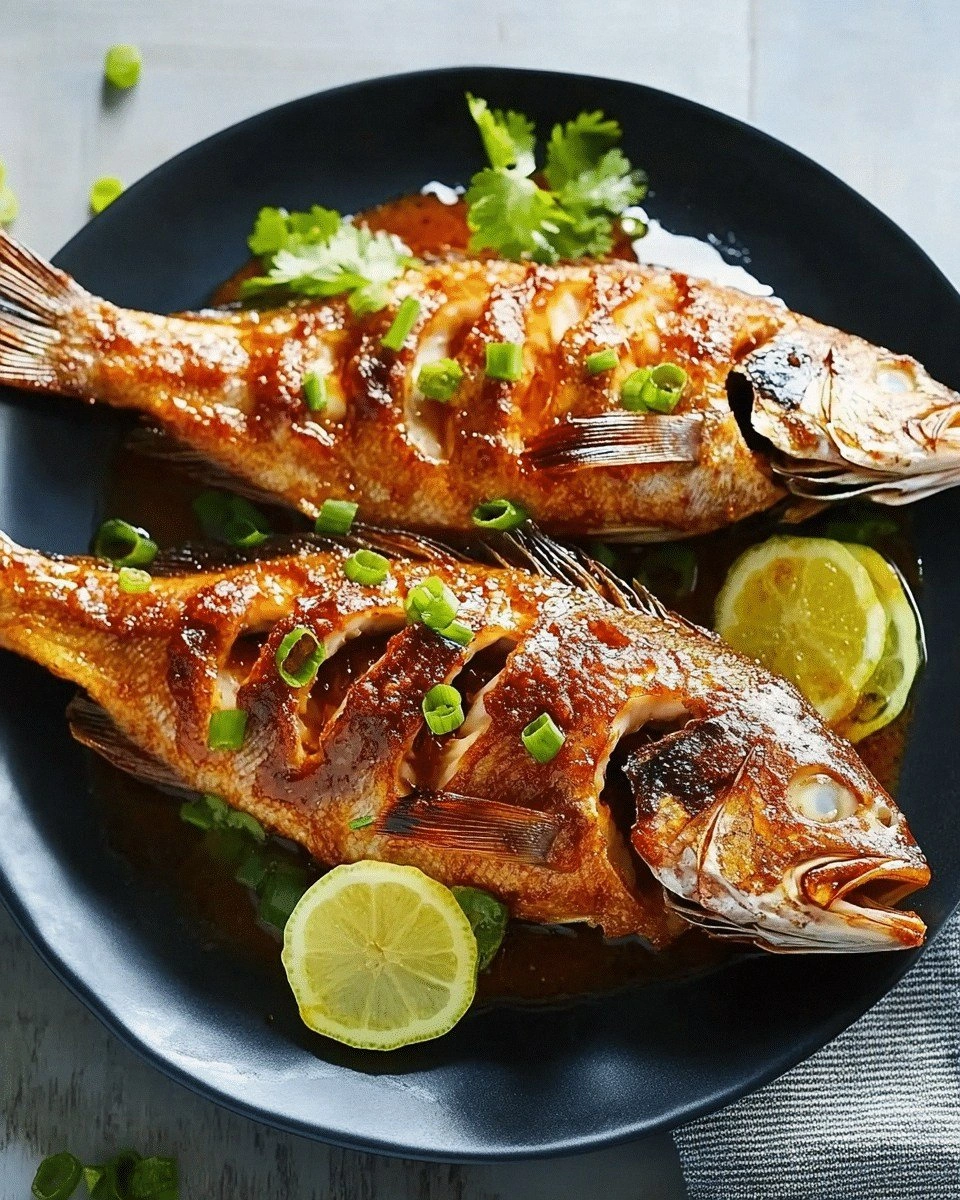
- Transfer the skillet to the preheated oven and roast for 6-8 minutes, or until the fish flakes easily with a fork. The glaze should be caramelized, slightly sticky, and glossy. Keep an eye on it—over‑roasting will dry out the delicate flesh.
- Remove the fish from the oven and let it rest for 2 minutes on a cutting board. While it rests, sprinkle chili flakes over the top for a subtle heat that lingers. The rest period allows the juices to redistribute, ensuring the fish stays moist.
- Drizzle the remaining glaze over the fish, then garnish with toasted sesame seeds and sliced scallions. Squeeze a wedge of lime over the top to brighten the flavors. The lime’s acidity will cut through the richness and add a fresh finish.
- Serve immediately with a side of steamed rice or a simple cucumber salad. The contrast of the crunchy cucumber and the silky fish creates a balanced plate that feels like a trip to Japan.
- If you’re plating for a crowd, arrange the fish on a large platter, drizzle the remaining glaze in a decorative swirl, and sprinkle extra sesame seeds for visual flair. A drizzle of extra lime juice on the side adds an interactive element for guests to customize their bite.
- Enjoy the moment when the first bite melts in your mouth, the crisp skin crackling, the sweet glaze dissolving into the savory fish. It’s a sensory experience that feels both indulgent and comforting. Remember, the secret to perfection lies in the balance of heat, sweetness, and umami.
That’s it — you did it. But hold on, I’ve got a few more tricks that’ll take this to another level. These aren’t just tweaks; they’re game‑changers that elevate the dish from good to unforgettable.
Insider Tricks for Flawless Results
The Temperature Rule Nobody Follows
Most people think any high heat will do, but the secret lies in a precise 425°F oven that caramelizes the glaze without over‑cooking the fish. Keep the oven rack centered to ensure even heat distribution. If your oven runs hot, lower the temperature by 25°F and extend the bake time by a minute or two. This small adjustment preserves the fish’s moisture and gives the skin a perfect crunch.
Why Your Nose Knows Best
When the glaze starts to bubble and the skin turns a deep amber, that’s your cue to flip the fish. The aroma will shift from sweet to slightly smoky. Trust your nose; it’s a more reliable indicator than the clock for achieving that caramelized glaze.
The 5-Minute Rest That Changes Everything
Letting the fish rest for 5 minutes after roasting allows the juices to redistribute, preventing a dry bite. The glaze will settle, making it easier to coat each piece evenly. If you’re plating immediately, a quick rest is still worth the extra time.
The Sesame Oil Switch
If you’re allergic to sesame or simply prefer a lighter flavor, try a drizzle of toasted pumpkin seed oil. It will give the dish a nutty undertone without the sesame’s distinct taste. The oil’s high smoke point also helps the glaze caramelize evenly.
The Fresh Ginger Trick
Grate ginger right before mixing the glaze to preserve its essential oils. If you pre‑grate and store it, the flavor will fade, resulting in a flatter glaze. Fresh ginger also provides a bright, zesty note that balances the sweet miso.
The Lime Finish
Squeezing lime over the fish just before serving brightens the dish and cuts through the richness. If you prefer a more subtle citrus note, use a splash of yuzu juice instead. The key is to add the acid last to preserve its vibrant flavor.
Creative Twists and Variations
This recipe is a playground. Here are some of my favorite ways to switch things up:
Spicy Pineapple Glaze
Swap the miso for a pineapple‑miso blend and add a dash of habanero paste. The tropical sweetness pairs beautifully with the heat, creating a dish that feels like a beach vacation.
Citrus‑Herb Infusion
Add a handful of fresh dill and a squeeze of orange juice to the glaze. The dill’s herbaceous bite and the orange’s bright citrus create a Mediterranean twist that’s surprisingly harmonious.
Smoky Chipotle Version
Incorporate a tablespoon of chipotle in adobo into the glaze for a smoky, slightly sweet kick. The chipotle’s depth complements the miso, giving the dish a southwestern flair.
Lemon‑Garlic Butter Finish
Finish the fish with a dollop of melted butter infused with lemon zest and minced garlic. The buttery richness balances the glaze’s sweetness and adds a silky mouthfeel.
Herbed Yogurt Dip
Serve the fish with a side of Greek yogurt mixed with chopped cilantro, mint, and a splash of lime. The cool, tangy dip contrasts the warm, caramelized fish, making each bite refreshing.
Roasted Garlic Crunch
Add roasted garlic cloves and a sprinkle of crushed pistachios to the platter. The roasted garlic adds depth while the pistachios provide a nutty crunch that elevates the dish’s texture profile.
Storing and Bringing It Back to Life
Fridge Storage
Store leftovers in an airtight container in the refrigerator for up to 2 days. The glaze will firm up slightly, so reheat gently to restore its glossy sheen. Avoid microwaving, as it can make the fish rubbery.
Freezer Friendly
For longer storage, wrap the fish tightly in plastic wrap and place it in a freezer bag. Freeze for up to 3 months. Thaw overnight in the refrigerator before reheating.
Best Reheating Method
Reheat the fish in a preheated oven at 350°F (175°C) for 10 minutes, or until heated through. Add a splash of water or broth before reheating to keep the fish moist. Finish with a quick drizzle of glaze and a sprinkle of fresh scallions to bring it back to life.