Picture this: a quiet Sunday afternoon, the kitchen humming with the low buzz of the fridge and the distant clatter of a neighbor’s lawn mower. I was staring at a pot of plain, overcooked chicken and a half-empty bag of frozen broccoli, feeling the familiar dread of “what to do now?” That’s when a stray thought hit me like a rogue chicken wing—why not turn the chaos into a one-pan masterpiece that practically cooks itself? I dared myself to experiment, and what emerged was a dish that not only saved the evening but turned the whole apartment into a fragrant, sizzling symphony of flavors. If you’re tired of the same old chicken dinner, this sheet‑pan creation is your ticket to culinary liberation.
I’ll be honest—my first attempt had a sad, soggy center and a taste that sounded like a bland salad on a hot day. I had forgotten to pre‑heat the oven, and the vegetables were still raw when the chicken was halfway cooked. That disaster taught me two things: the importance of timing, and that a sheet pan can be a stage for a flavor performance if you give it the right cues. From that day on, I’ve been refining the technique, and the result is a dish that’s crispy on the edges, tender inside, and bursting with a savory, herb‑laden aroma that lingers long after the meal is gone.
What makes this version stand out is that it’s not just a recipe—it’s a system. I’ve stripped away the guesswork, added a few secret ingredients, and balanced the flavors so that each bite feels like a mini celebration. It’s a dish that can be prepped ahead of time, reheated without losing crunch, and customized for any dietary preference. And if you’re still skeptical, I dare you to taste this and not go back for seconds—trust me, it’s that good.
Picture yourself pulling this out of the oven, the whole kitchen smelling incredible, and the table already set. The moment the sheet pan slides onto the counter, the sizzling sound of chicken hitting hot oil is like applause for your taste buds. The colors are vivid—golden brown chicken, bright orange carrots, and emerald broccoli. I promise you, this is hands down the best version you'll ever make at home. Let me walk you through every single step—by the end, you'll wonder how you ever made it any other way.
What Makes This Version Stand Out
- Flavor: The combination of lemon zest, garlic, and fresh thyme creates a bright, aromatic base that lifts the savory chicken and vegetables. The subtle citrus note keeps the dish from feeling heavy, while the thyme adds a woodsy depth that’s hard to replicate. This is the secret that turns a simple sheet pan into a gourmet experience.
- Texture: The high oven temperature caramelizes the edges of the chicken and veggies, giving them a satisfying crunch that contrasts with the tender interior. The sheet pan’s even heat distribution ensures no part of the dish is overcooked or underdone. The result is a harmonious bite that satisfies every palate.
- Time Efficiency: From prep to plate, you’re looking at less than an hour. The sheet pan approach eliminates the need for multiple pots and pans, and the minimal cleanup means you can spend more time enjoying the meal and less time scrubbing. It’s the ultimate busy‑person’s dinner.
- Make‑Ahead Friendly: You can assemble the dish the night before, refrigerate it, and pop it in the oven in the morning. The flavors deepen overnight, and the reheating process is quick—just a few minutes in the oven or a splash of water in the skillet. This is perfect for meal‑prep lovers.
- Nutrition: Each serving packs a balanced mix of protein, complex carbs, and healthy fats, all while keeping the calorie count under 400. The vegetables provide fiber and vitamins, making this a wholesome option for any meal plan. It’s a guilt‑free indulgence.
- Versatility: Swap the chicken for tofu or shrimp, use different veggies like bell peppers or zucchini, or adjust the herbs to suit your taste. The core technique remains the same, so you can adapt this recipe to any dietary need or ingredient on hand. The possibilities are endless.
- Crowd Appeal: Whether it’s a family dinner, a potluck, or a date night, the dish delivers. The bright presentation and comforting flavors make it a crowd‑pleaser that’s guaranteed to impress. Friends will ask for the recipe, and you’ll be ready to brag.
- Minimal Cleanup: One sheet pan, one set of utensils, and a single dish to wash. That’s the power of the sheet‑pan method. It’s the secret behind many top chefs’ quick dinner recipes.
Inside the Ingredient List
The Flavor Base
At the heart of this dish lies the simple yet powerful trio of garlic, lemon, and thyme. Garlic provides that unmistakable warmth, while lemon adds a bright acidity that cuts through the richness of the chicken. Thyme offers a subtle earthiness that grounds the flavors. Together, they form a fragrant foundation that permeates every bite.
If you’re a garlic lover, you can double the cloves—just watch the flavor balance. A smaller amount of lemon will keep the dish from becoming too tart, so aim for a 1:1 ratio of lemon zest to juice. Thyme’s robust profile means you can use dried or fresh; fresh gives a brighter note, while dried is more concentrated.
Skipping this trio would leave the dish flat. Without the citrus, the flavors would feel heavy; without the herbs, the dish would lack depth. This base is what turns plain chicken and veggies into a memorable meal.
The Texture Crew
The vegetables—potatoes, carrots, broccoli—are the backbone of this sheet pan. Potatoes absorb the olive oil and seasoning, becoming tender inside and caramelized on the edges. Carrots add natural sweetness, while broccoli offers a slight crunch and a pop of color.
Choosing the right cut is crucial. Dice potatoes into even cubes to ensure uniform cooking, and slice carrots into thin rounds so they cook quickly. Broccoli florets should be trimmed to a size that allows them to crisp up without falling apart.
If you prefer a vegetarian version, replace chicken with chickpeas or tofu. The texture changes, but the seasoning still works wonders. For a gluten‑free option, simply omit any breaded coating—this recipe is naturally gluten‑free.
The Unexpected Star
A splash of balsamic vinegar adds a subtle sweetness that balances the savory components. This isn’t a typical ingredient in sheet pan dinners, but it elevates the dish by adding depth and a glossy sheen to the sauce. The vinegar also helps the vegetables caramelize faster, creating a caramelized glaze.
If you’re cautious about acidity, reduce the vinegar to half a tablespoon. You can also substitute with a dash of honey for a sweeter profile. The key is to taste as you go, ensuring the vinegar doesn’t overpower the other flavors.
This small addition turns a routine dinner into a gourmet experience. It’s the secret that separates the ordinary from the extraordinary.
The Final Flourish
Fresh parsley or cilantro tossed in at the end adds a burst of green freshness that cuts through the richness. A sprinkle of parmesan or nutritional yeast gives a savory umami lift, while a dash of crushed red pepper adds a subtle heat for those who like a kick.
The final flourish is optional, but it gives the dish a polished look and a layer of complexity. If you’re on a dairy‑free diet, simply omit the parmesan and replace it with a vegan cheese alternative.
Everything’s prepped? Good. Let's get into the real action.
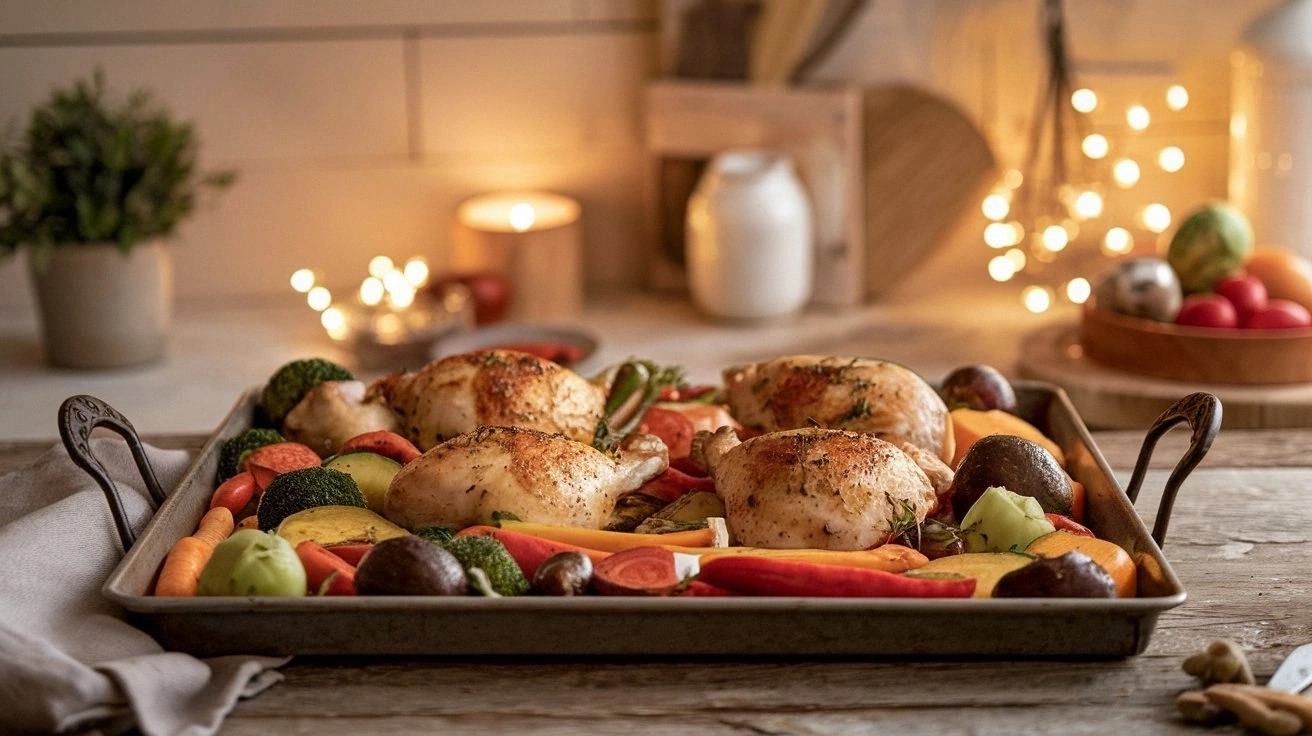
The Method — Step by Step
- Preheat your oven to 425°F (220°C). Line a large baking sheet with parchment paper or a silicone mat to prevent sticking. Place a rack in the center to allow air circulation. This ensures even cooking and crisp edges.
- Season the chicken thighs with salt, pepper, paprika, and dried thyme. Pat them dry with a paper towel to remove excess moisture. This step is crucial for achieving a golden, crispy skin.
- In a large bowl, toss the diced potatoes, sliced carrots, and broccoli florets with olive oil, minced garlic, and a pinch of salt. Make sure each piece is evenly coated to promote uniform roasting. The garlic will caramelize, adding a deep, savory note.
- Arrange the seasoned chicken on one side of the sheet pan and spread the vegetables on the other side. Keep the chicken skin side up to allow the fat to drip away, creating a crisp surface. The vegetables should be in a single layer to ensure they roast, not steam.
- Add a splash of balsamic vinegar over the vegetables, then drizzle lemon juice over the chicken. This combination creates a glossy glaze that caramelizes during roasting. The acidity will brighten the dish.
- Place the sheet pan in the oven and roast for 25 minutes. Halfway through, flip the chicken and stir the vegetables to ensure even browning. The goal is a golden crust on the chicken and a slightly charred edge on the veggies.
- When the chicken reaches an internal temperature of 165°F (74°C) and the vegetables are tender, remove the pan from the oven. The aroma should be rich, with hints of garlic, lemon, and caramelized veggies.
- Let the chicken rest for 5 minutes before serving. This allows the juices to redistribute, keeping the meat moist and flavorful. The vegetables will still be crisp, so you can serve them immediately.
- Finish the dish by sprinkling chopped parsley, a pinch of red pepper flakes, and grated parmesan (or a dairy‑free alternative). Toss everything together to combine the flavors. The fresh herbs add brightness, while the cheese gives a savory depth.
That’s it—you did it. But hold on, I’ve got a few more tricks that’ll take this to another level. These insider tips will help you avoid common pitfalls and elevate your sheet‑pan game.
Insider Tricks for Flawless Results
The Temperature Rule Nobody Follows
Many cooks lower the oven temperature to 400°F (200°C) to prevent burning, but this actually prolongs cooking time and can leave the chicken skin soggy. Keep the heat high—425°F is optimal for crisping. The high temperature also helps the vegetables caramelize, creating a sweet, nutty flavor that’s hard to beat.
Why Your Nose Knows Best
Before you open the oven, take a quick sniff of the air. A faint, sweet aroma signals that the veggies are caramelizing. If you detect a sharp, burnt smell, the temperature is too high. Your nose is a reliable indicator of doneness.
The 5‑Minute Rest That Changes Everything
Resting the chicken for just five minutes after roasting allows the juices to redistribute, preventing dry meat. It also gives the vegetables a chance to cool slightly, making them easier to serve. Skip this step and you’ll end up with a less juicy, less flavorful dish.
Use a Baking Rack for Even Cooking
Placing a rack in the middle of the sheet pan lifts the chicken and veggies, allowing hot air to circulate around them. This prevents steaming and ensures even browning. If you don’t have a rack, simply rotate the pan halfway through the cooking time.
Add a Splash of Water Before Reheating
When reheating leftovers, add a teaspoon of water or broth to the pan and cover with foil. This creates steam that keeps the chicken moist and the vegetables from drying out. It’s a simple trick that transforms reheated leftovers into a fresh meal.
Finish with a Drizzle of High‑Quality Olive Oil
Right before serving, drizzle a small amount of extra‑virgin olive oil over the dish. The oil adds a silky finish and enhances the overall flavor profile. It also gives the dish a polished, restaurant‑style look.
Creative Twists and Variations
This recipe is a playground. Here are some of my favorite ways to switch things up:
Mediterranean Flair
Swap the paprika for smoked paprika and add a handful of kalamata olives. Finish with a squeeze of lemon and a sprinkle of oregano. This version brings a briny, tangy Mediterranean vibe that pairs beautifully with the chicken.
Spicy Southwest
Add a tablespoon of chipotle powder to the seasoning mix and serve with sliced avocado and a dollop of sour cream. The smoky heat from the chipotle balances the richness of the chicken and creates a bold flavor profile.
Asian Twist
Replace the olive oil with sesame oil, and toss the vegetables with a splash of soy sauce and a pinch of ginger. Finish with chopped scallions and toasted sesame seeds. The umami and nutty notes elevate the dish into an Asian‑inspired delight.
Vegan Version
Replace the chicken with marinated tofu or chickpeas. Use a plant‑based oil and finish with nutritional yeast instead of parmesan. This version maintains the same flavor profile while keeping it fully vegan.
Low‑Carb Alternative
Swap the potatoes for cauliflower rice or zucchini noodles. Keep the same seasoning and roasting method. This keeps the dish low in carbs without sacrificing flavor.
Breakfast Boost
Serve the dish with a side of scrambled eggs or a fried egg on top. Add a dash of hot sauce for a breakfast‑style kick. This variation turns the sheet pan into a hearty breakfast that’s surprisingly easy to prepare.
Storing and Bringing It Back to Life
Fridge Storage
Cool the dish completely before placing it in an airtight container. Store in the refrigerator for up to 4 days. The flavors will meld, making the dish even more delicious the next day.
Freezer Friendly
Divide the meal into individual portions and wrap tightly with freezer paper or place in freezer‑safe bags. Freeze for up to 3 months. When ready, thaw overnight in the fridge or use the microwave’s defrost setting.
Best Reheating Method
Reheat in the oven at 350°F (175°C) for 10 minutes, or until warmed through. Add a splash of water or broth before reheating to keep the chicken moist. Finish with a quick drizzle of olive oil and a sprinkle of fresh herbs.