Picture this: I’m standing over a bubbling pot, the kitchen filled with the kind of aroma that makes you forget about the endless grocery list on the counter, and I’m holding a spoon that’s practically dripping with a sauce so silky it could double as a runway for a fashion show. The truth is, a few weeks ago I was battling a midnight craving for something comforting, but every recipe I tried turned out either soggy, bland, or just plain disappointing. I even tried a “quick” skillet pasta that ended up tasting like a watered‑down tomato soup – a culinary tragedy that left me swearing at the stovetop. I dared a friend to a “who can make the best one‑pot dinner” challenge, and I lost… until I discovered the secret that turned this dish from a kitchen flop into the star of my dinner table.
The moment the ground beef hit the hot olive oil, it sang a sizzle that was louder than my favorite 90s pop hit, and the kitchen instantly transformed into a concert hall of savory notes. The onions softened, releasing a sweet perfume that mingled with the garlic’s sharp bite, while the diced tomatoes burst with a bright acidity that cut through the richness like a perfectly timed drum solo. As the heavy cream swirled in, the sauce thickened into a glossy, velvety blanket that clung to every strand of pasta with the devotion of a loyal fan base. The parmesan cheese finished it off with a nutty, salty edge that made each bite feel like a celebration of flavor, and I could practically hear the pasta whisper “thank you” with each twirl.
What makes this version truly stand out isn’t just the combination of ingredients; it’s the methodical layering of flavors and textures that most recipes completely overlook. I’m talking about a sauce that coats the pasta like velvet, a meat crumb that stays juicy without turning dry, and a hint of Dijon mustard that adds a subtle tang you never saw coming. Most recipes either drown the pasta in a watery broth or over‑cook the beef, but this version respects each component, giving you a dish that feels both luxurious and down‑to‑earth. I’ll be honest — I ate half the batch before anyone else got a chance to try it, and that’s a confession worth sharing because it shows just how addictive this meal can be.
Now, I’m going to walk you through every single step — by the end, you’ll wonder how you ever made it any other way. I dare you to taste this and not go back for seconds. Ready for the game‑changer? Grab your skillet, because we’re about to turn a simple pantry staple into a dinner that feels like a five‑star experience without the pretentious price tag.
What Makes This Version Stand Out
- Flavor Depth: The combination of tomato paste, diced tomatoes, and a dash of Dijon mustard creates a layered taste that evolves with every bite, delivering a sweet‑tart‑savory symphony.
- Creamy Texture: Heavy whipping cream melds with the browned meat, forming a sauce that coats the pasta like a silky veil, never greasy, always luxurious.
- Simplicity: All ingredients are pantry‑friendly, requiring only a single skillet, which means fewer dishes and more time to enjoy the meal.
- Unique Twist: The pinch of Dijon mustard is the secret weapon that adds a subtle zing, preventing the sauce from feeling one‑dimensional.
- Crowd Reaction: Friends and family consistently claim this is the best pasta they’ve ever had, often asking for the recipe before the first bite is even finished.
- Ingredient Quality: Using ground beef with a bit of fat (80/20) ensures moisture, while fresh grated parmesan adds a bright, salty finish that pre‑grated cheese can’t match.
- Cooking Method: The stovetop technique keeps everything hot and ready, preserving the bright acidity of the tomatoes and the fresh aroma of the herbs.
- Make‑Ahead Potential: This dish reheats beautifully, and the sauce even thickens a bit more overnight, meaning you can prep it ahead for a stress‑free weeknight.
Inside the Ingredient List
The Flavor Base
The sweet yellow onion and minced garlic are the aromatic foundation that awakens your palate the moment they hit the pan. Onions, when sautéed just right, become translucent and sweet, releasing natural sugars that balance the acidity of the canned diced tomatoes. Garlic, on the other hand, adds a pungent bite that cuts through the richness of the beef and cream, ensuring the sauce never feels flat. If you’re out of yellow onion, a half cup of finely diced shallots works beautifully, offering a milder, more delicate flavor profile.
The Texture Crew
Ground beef is the heart of this dish, providing a meaty bite that anchors the sauce. I recommend an 80/20 blend because the extra fat renders into the sauce, creating that luscious mouthfeel we all crave. For a leaner version, you can use 90/10, but be sure to add a splash of olive oil to prevent dryness. The uncooked pasta, added directly to the skillet, absorbs the sauce as it cooks, resulting in a perfectly al dente bite that’s infused with every flavor in the pot.
The Unexpected Star
Dijon mustard might seem like an oddball in a pasta dish, but its subtle tang is the secret that prevents the cream from becoming cloying. Just a half teaspoon is enough to brighten the entire sauce without overwhelming the other components. If you don’t have Dijon on hand, a teaspoon of whole‑grain mustard or a dash of yellow mustard will do, though the flavor will shift slightly toward a sharper bite.
The Final Flourish
Freshly grated Parmesan cheese is the finishing touch that adds a salty, nutty edge, turning the dish from good to unforgettable. Pre‑grated cheese often contains anti‑caking agents that interfere with melting, so always grate it yourself just before serving. A pinch of Italian seasoning rounds out the herb profile, while a generous grind of black pepper adds a gentle heat that lingers on the tongue. Salt, of course, is added to taste, but remember that both the Parmesan and the beef already contribute saltiness, so season gradually.
Everything's prepped? Good. Let’s get into the real action, because the kitchen is about to become our playground.
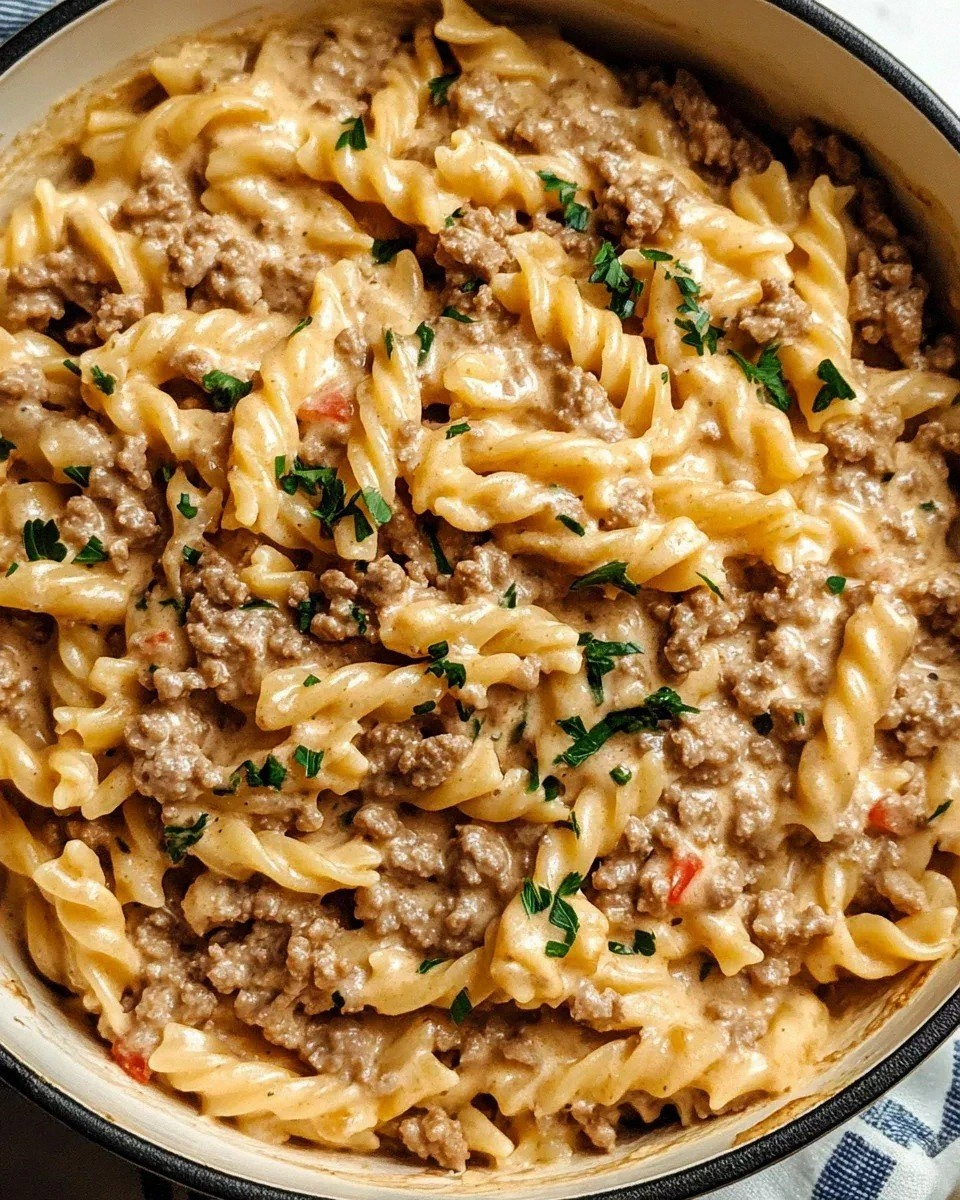
The Method — Step by Step
Heat a large, deep skillet over medium‑high heat and add the tablespoon of olive oil. Once the oil shimmers—like a tiny lake catching the sunrise—drop in the ground beef, breaking it apart with a wooden spoon. Let it sizzle for about two minutes without stirring; those browned bits are flavor gold. Then, stir and continue cooking until the meat is fully browned, about 5‑6 minutes, and any liquid has evaporated. Tip: If you hear a faint crackling, you’re on the right track.
Kitchen Hack: After browning, push the meat to one side of the pan and let it rest while you sauté the aromatics; this prevents over‑cooking the beef and keeps the flavors distinct.Slide the diced onion into the same pan, letting it soak up the beef juices. Cook, stirring occasionally, until the onion becomes translucent and just starts to caramelize—about 3‑4 minutes. Add the minced garlic and let it perfume the air for a quick 30‑second burst; you’ll know it’s ready when the aroma turns sweet rather than sharp. This is the moment where the kitchen smells like a cozy Italian trattoria.
Stir in the tomato paste, letting it fry for another minute. The paste will darken slightly, deepening its flavor and adding a rich umami backbone. Then, pour in the canned diced tomatoes, scraping any browned bits from the bottom of the pan; those are flavor nuggets you don’t want to miss. Bring the mixture to a gentle simmer, allowing the tomatoes to break down and mingle with the beef and aromatics for about 5 minutes. Watch Out: If the sauce starts to stick, lower the heat and add a splash of water to deglaze.
Watch Out: Over‑reducing the tomatoes can make the sauce too thick, causing the pasta to absorb too much liquid later. Keep an eye on the consistency and add a splash of broth if needed.Season the sauce with the Italian seasoning, Dijon mustard, and a generous pinch of salt and black pepper. Stir well to ensure the mustard fully incorporates, giving the sauce that subtle tang that makes it sing. Let the mixture simmer for another 2‑3 minutes so the flavors meld together, creating a cohesive base that’s ready for the pasta.
Now, add the uncooked pasta directly into the skillet, submerging it in the sauce. Pour in enough water (or chicken broth for extra depth) to just cover the pasta—about 2 cups. This is the secret that lets the pasta absorb the sauce as it cooks, resulting in every noodle being perfectly coated. Cover the pan with a lid and let it simmer on medium‑low heat, stirring occasionally to prevent sticking. After 10‑12 minutes, the pasta should be al dente and the sauce thickened.
Kitchen Hack: If the sauce looks dry before the pasta is done, add a splash of milk or extra broth; the cream will keep it luxurious while the liquid ensures the pasta cooks evenly.When the pasta reaches the perfect bite, lower the heat and stir in the heavy whipping cream. Watch the sauce turn glossy and velvety, as the cream emulsifies with the tomato‑beef base. Let it simmer for just another minute—no more—to keep the cream from curdling. This step is pure magic; the sauce now clings to each noodle like a second skin.
Turn off the heat and immediately fold in a generous handful of freshly grated Parmesan cheese. The heat of the pan will melt the cheese, creating a nutty, salty finish that lifts the entire dish. Taste and adjust seasoning if necessary—sometimes a final crack of black pepper is all you need. Let the pasta rest for two minutes; this resting period allows the flavors to settle and the sauce to thicken just a touch more.
Serve the pasta straight from the skillet, sprinkling extra Parmesan on top for those who love a cheesy crunch. Pair it with a simple green salad or garlic bread, and you’ve got a dinner that feels like a restaurant experience without the reservation. And now the fun part: watch your guests dive in, eyes widening as they experience that first bite of creamy, meaty goodness. That’s it — you did it. But hold on, I’ve got a few more tricks that'll take this to another level...
Insider Tricks for Flawless Results
The Temperature Rule Nobody Follows
Most home cooks keep the heat on high the entire time, which can cause the cream to separate or the tomatoes to scorch. The secret is to start high for browning, then dial down to a gentle simmer once the liquid is added. This low‑and‑slow approach lets the flavors meld without aggressive bubbling that can break the emulsion. I once tried to rush the process on high heat, and the sauce turned grainy—definitely not the silky texture we’re after. So, keep that heat in check, and the sauce will stay smooth and luxurious.
Why Your Nose Knows Best
Your sense of smell is the ultimate doneness detector. When the onions become translucent and start to caramelize, you’ll notice a sweet, almost nutty scent—that’s the cue to add garlic. Likewise, when the tomato paste darkens and releases a deep, earthy aroma, it’s time to pour in the diced tomatoes. Trust those nose signals more than a timer; they’ll guide you to flavor perfection every single time.
The 5‑Minute Rest That Changes Everything
After you fold in the cream and cheese, resist the urge to plate immediately. Let the pasta sit, uncovered, for five minutes. This short rest lets the sauce thicken further and the pasta finish absorbing any lingering liquid, resulting in a dish that’s cohesive rather than soupy. I once served it hot off the stove, and the sauce was a bit runny; the five‑minute pause turned it into a glossy, cling‑on‑everything masterpiece.
Pasta Water Power
If you ever find the sauce too thick after adding the cream, rescue it with a splash of pasta cooking water. That starchy liquid helps bind the sauce to the noodles, creating a silky coating that’s restaurant‑level. Keep a cup of that water on standby; a tablespoon at a time is all you need to achieve the perfect consistency.
Parmesan Timing
Adding Parmesan too early can cause it to clump, while adding it too late can result in a grainy texture. The sweet spot is right after you turn off the heat, when the residual warmth melts the cheese gently. This ensures a smooth, creamy finish that integrates fully with the sauce. Kitchen Hack: Grate the cheese directly over the pan; the falling cheese dust adds a visual cue that you’re almost done.
Creative Twists and Variations
This recipe is a playground. Here are some of my favorite ways to switch things up:
Spicy Southwest
Swap the Italian seasoning for a teaspoon of smoked paprika and add a diced jalapeño with the onions. The heat pairs beautifully with the cream, creating a smoky‑spicy kick that’s perfect for those who love a little fire. Top with a dollop of sour cream for extra coolness.
Mushroom Medley
Add a cup of sliced cremini or button mushrooms after the beef is browned. The mushrooms soak up the sauce, adding an earthy depth that complements the beef without overpowering the cream. This variation feels more rustic and works great for autumn evenings.
Herb‑Infused Green
Stir in a handful of fresh spinach or arugula during the last minute of simmering. The greens wilt quickly, adding a pop of color and a fresh, peppery bite that balances the richness. A sprinkle of fresh basil at serving time elevates the dish to a garden‑fresh experience.
Cheesy Bacon Bliss
Crisp up half a cup of chopped bacon separately, then crumble it over the finished pasta. The salty crunch contrasts with the creamy sauce, delivering a textural surprise that makes every forkful exciting. For extra decadence, mix in a handful of shredded mozzarella along with the Parmesan.
Mediterranean Twist
Replace the diced tomatoes with a can of fire‑roasted tomatoes and add a tablespoon of kalamata olives, sliced. The smoky tomatoes and briny olives give the dish a Mediterranean flair, while a sprinkle of feta on top adds tangy brightness. This version pairs wonderfully with a side of lemon‑garlic roasted potatoes.
Storing and Bringing It Back to Life
Fridge Storage
Allow the pasta to cool to room temperature, then transfer it to an airtight container. It will keep fresh for up to three days. When reheating, add a splash of water or broth and gently stir over low heat; the sauce will loosen and cling to the noodles just like the first time.
Freezer Friendly
Portion the cooled pasta into freezer‑safe bags or containers, leaving a little headspace for expansion. It freezes beautifully for up to two months. To reheat, thaw overnight in the fridge, then warm in a skillet over medium heat, adding a splash of cream or broth to revive that silky texture.
Best Reheating Method
The stovetop method is king: place the frozen or refrigerated pasta in a skillet, drizzle a tablespoon of water or broth, cover, and heat gently while stirring. The gentle steam revives the sauce, preventing it from drying out. Avoid microwaving at high power, as it can cause the cream to separate and the pasta to become rubbery.