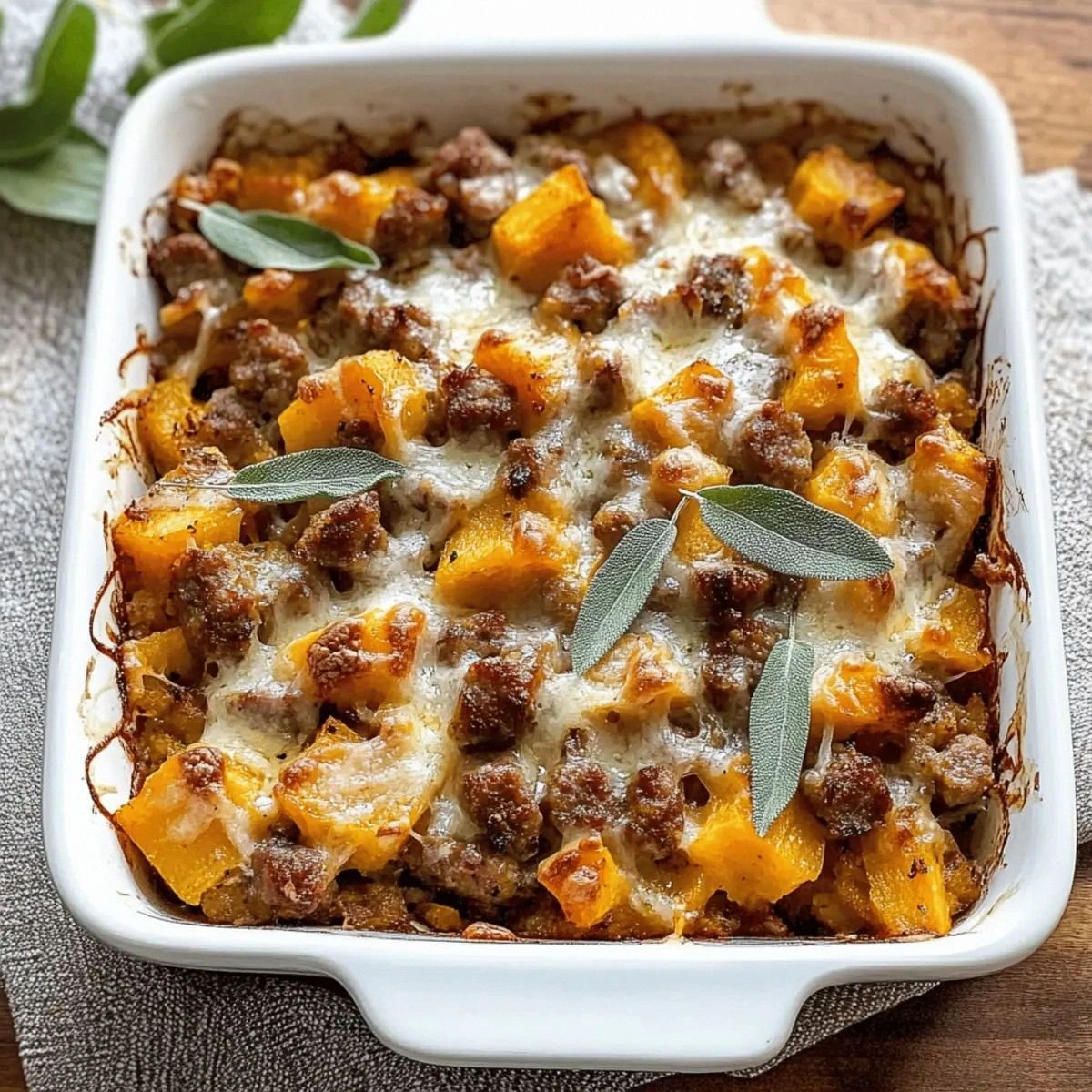
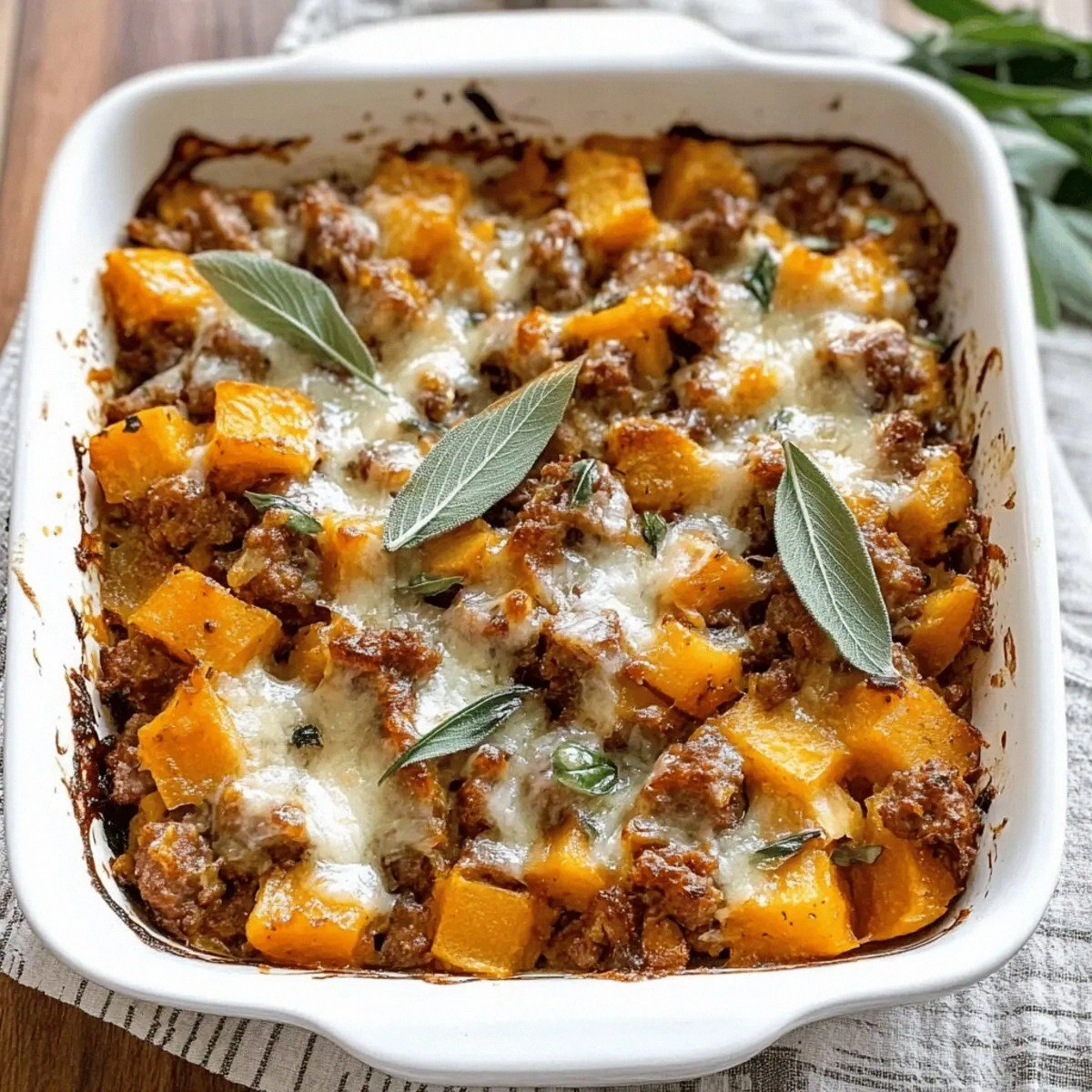
Let's be honest — most butternut squash casseroles are about as exciting as watching paint dry. They're bland, mushy affairs that taste like someone sneezed cinnamon into a bowl of baby food and called it dinner. I know because I've suffered through enough potluck tragedies to last a lifetime. But last October, after my neighbor Barbara brought yet another watery squash disaster to our block party, I decided enough was enough. I locked myself in my kitchen for three days straight, emerging with what might be the most ridiculously comforting autumn casserole you'll ever taste. Picture this: tender cubes of roasted butternut squash nestled between layers of caramelized apples and perfectly browned Italian sausage, all bound together with nutty Gruyère that forms those impossible crispy edges that'll have you fighting your family members for corner pieces.
Here's what makes this version completely different from every other recipe floating around the internet. First, we're roasting the squash until the edges turn golden and slightly charred, concentrating their natural sweetness into pure autumn candy. Then we render the fat from sweet Italian sausage, using those flavorful drippings to cook down fennel and onions until they practically melt into the base. The apples don't just sit there looking pretty — they get a quick sauté in maple syrup until they develop this gorgeous lacquered exterior that tastes like the best parts of apple pie. And that Gruyère? We're not just sprinkling it on top like an afterthought. We're creating three distinct cheesy layers that melt into every nook and cranny, forming a golden crust that shatters like thin ice when you dig in with your fork.
I still remember the first time I made this for my family. My teenage son, who typically regards vegetables with the same enthusiasm as a root canal, actually asked for seconds. Then thirds. Then he requested it for his birthday dinner instead of pizza. My mother-in-law, who has never met a casserole she couldn't criticize, called three days later asking for the recipe. Even my neighbor Barbara, the one whose casserole inspired this whole experiment, admitted defeat and asked for my secrets. I'll be honest with you — I ate half the pan standing at my kitchen counter that first night, telling myself I was just "testing" it. Three hours later, I was still testing, fork in hand, completely unable to stop.
But here's the real kicker that'll make you the hero of every autumn gathering from now until spring. This casserole tastes like you spent all day in the kitchen, but it comes together in under an hour. The hardest part is peeling the squash, and even that's not so bad once you know my trick. The flavors are sophisticated enough to serve at your fanciest dinner party, yet comforting enough to cure the worst case of Sunday night blues. Let me walk you through every single step — by the end, you'll wonder how you ever made it any other way.
What Makes This Version Stand Out
Roasted Squash Magic: Most recipes steam or boil their squash, turning it into flavorless mush. We're roasting ours at high heat until the edges caramelize and develop those gorgeous brown bits that taste like nature's candy. This simple step transforms the entire dish from bland to absolutely spectacular.
Sausage Fat Alchemy: Instead of discarding the rendered fat from your Italian sausage, we're using it as our cooking medium. These flavorful drippings infuse every single bite with incredible depth that you simply can't get from a bottle of olive oil. It's like building a flavor foundation that makes everything else taste better.
Maple-Glazed Apples: While other recipes just toss raw apples into the mix, we're giving ours the royal treatment. A quick sauté in pure maple syrup creates these glossy, caramelized gems that burst with sweet-tart flavor in every bite. They taste like the best parts of autumn distilled into tiny, perfect packages.
Triple Cheese Strategy: We're not just sprinkling cheese on top and calling it a day. Layer one goes into the vegetable mixture for melty pockets throughout. Layer two creates a cheesy middle layer that acts like delicious glue. Layer three forms that coveted golden crust that crackles under your fork. Three layers, three textures, infinite satisfaction.
Make-Ahead Champion: This casserole actually gets better after a night in the fridge, making it perfect for busy weeknights or entertaining. The flavors meld and deepen, creating something even more magical than when it was fresh. Plus, it reheats beautifully without turning into a sad, watery mess like most casseroles.
Texture Paradise: Every bite delivers a symphony of textures that keeps your palate interested. You've got the tender squash, the slightly crisp apples, the meaty sausage, the creamy cheese, and the crunchy nuts on top. Nothing's worse than a one-note casserole, and this one sings in perfect harmony.
Alright, let's break down exactly what goes into this masterpiece...
Inside the Ingredient List
The Flavor Foundation
Butternut squash isn't just the star of this show — it's the entire reason we're all here. Look for one that feels heavy for its size with a matte, tan skin that's free from soft spots or green patches. The neck should be long and thick, which gives you more of that sweet, dense flesh and less of the seedy bulb section. When you tap it, it should sound hollow like a drum. If you skip the roasting step and just cube it raw, you'll miss out on the caramelized edges that make this dish extraordinary. Trust me, I've tried the shortcut route, and it's like eating a completely different vegetable.
Sweet Italian sausage brings the savory backbone that prevents this from becoming a dessert disguised as dinner. The fennel seeds in the sausage echo the fresh fennel we're adding, creating this beautiful flavor harmony that makes people ask "what's that amazing taste?" You want the bulk sausage, not links, because we're breaking it up into perfect bite-sized pieces that distribute evenly throughout. If you can only find sweet sausage, that's fine, but avoid the hot variety unless you want to overpower the delicate squash. And please, for the love of all that's holy, don't use turkey sausage — it simply doesn't have enough fat to create the magical base we need.
The Texture Crew
Fennel might seem like an unusual choice here, but it brings this incredible anise note that makes the whole dish taste mysteriously complex. When cooked down, it becomes sweet and meltingly tender, almost like caramelized onions but with a more sophisticated flavor profile. Don't skip the fronds on top — we're chopping those fresh and scattering them over the finished dish for a bright, herby punch that cuts through all the richness. If you absolutely hate licorice flavors, you could substitute celery, but you'd be missing out on what makes this recipe special.
Apples are where most recipes go wrong — they either leave them raw (resulting in weird crunchy bits) or cook them to death (turning them into apple sauce). We're using a mix of sweet and tart varieties, cutting them into generous chunks, and giving them just enough heat to soften while maintaining their shape. The maple syrup glaze creates this gorgeous amber coating that tastes like the best parts of apple pie distilled into savory form. Honey works in a pinch, but maple brings a deeper, more complex sweetness that plays beautifully with the Gruyère.
The Unexpected Star
Gruyère cheese is non-negotiable here, despite what your wallet might tell you. This Swiss beauty melts into the silkiest, nuttiest puddle imaginable, creating those Instagram-worthy cheese pulls that'll make your friends jealous. It's aged for months, developing tiny protein crystals that give it a pleasant crunch and incredible depth of flavor. Skip the pre-shredded stuff — it contains anti-caking agents that prevent smooth melting. Buy a block and grate it yourself; your taste buds will thank you, and it actually melts better than younger Swiss cheese.
The Final Flourish
Chopped nuts are our secret weapon for the perfect finishing crunch. Toasted pecans are my go-to because their rich, buttery flavor complements the squash perfectly, but walnuts or even hazelnuts work beautifully. The key is toasting them first in a dry pan until they smell nutty and fragrant — this extra step transforms them from an afterthought into an essential component. Don't add them until the last five minutes of baking, or they'll burn and turn bitter. And please, chop them yourself — pre-chopped nuts are always stale and taste like cardboard.
Everything's prepped? Good. Let's get into the real action...
The Method — Step by Step
- Preheat your oven to 425°F (220°C). I know this seems hot, but we need that high heat to achieve the caramelization that makes the squash taste like autumn candy. While it's heating, peel your butternut squash using my microwave trick — just pop the whole thing in for 3 minutes, let it cool slightly, and watch how easily the skin slides off like a jacket. Cut it in half, scoop out the seeds (save them for roasting if you're feeling ambitious), and cube the flesh into 1-inch pieces. Toss these golden cubes with olive oil, salt, and pepper on a large baking sheet, making sure they're in a single layer with space between them. Crowding is the enemy of caramelization here — if they're too cozy, they'll steam instead of roast, and you'll miss out on those gorgeous brown edges.
- Slide that sheet pan into your screaming hot oven and set a timer for 25 minutes. This is where the magic begins — you'll start smelling the squash after about 15 minutes as the natural sugars begin to caramelize. Resist the urge to stir too often; let them develop those beautiful brown spots that taste like concentrated autumn. While the squash works its magic, heat a large skillet over medium-high heat and crumble in your Italian sausage. Break it up with a wooden spoon into bite-sized pieces, letting it brown undisturbed for the first few minutes. The goal here is to render out that flavorful fat while creating caramelized edges on the meat that'll add incredible depth to our final dish.
- Once the sausage is nicely browned and cooked through, use a slotted spoon to transfer it to a plate, but whatever you do, don't pour off that liquid gold in the pan. Those rendered drippings are packed with flavor that'll make our vegetables taste like they were kissed by Italian sausage angels. Add your diced onion and fennel to the same pan, stirring to coat them in the sausage fat. Cook for about 8 minutes, stirring occasionally, until they're softened and starting to turn golden around the edges. The smell should be making your neighbors jealous at this point — if they're not, you're doing it wrong.
- Now for the fun part — push the vegetables to one side of the pan and add your apple chunks to the empty space. Drizzle them with maple syrup and let them cook undisturbed for 2 minutes, then give them a gentle flip. You're looking for them to develop a glossy, amber coating that tastes like autumn in concentrated form. The apples should still hold their shape but be tender enough to pierce easily with a fork. This technique creates little maple-caramelized jewels that burst with sweet-tart flavor in every bite of the finished casserole.
- By now your squash should be perfectly roasted with those coveted caramelized edges. Remove it from the oven and reduce the temperature to 375°F (190°C) for the final bake. In a large bowl, combine the roasted squash, cooked sausage, sautéed vegetables, and apples. Add half of your grated Gruyère and give everything a gentle toss — you want to distribute the cheese evenly without breaking up the tender squash cubes too much. Season with salt and pepper, but go easy on the salt since the sausage and cheese both bring plenty of savory notes to the party.
- Grab a 9x13-inch baking dish and butter it generously — trust me, you don't want any precious bits sticking to the sides. Transfer your squash mixture to the dish, spreading it out evenly but not pressing down too firmly. You want to maintain some of those chunky textures that make each bite interesting. Sprinkle another quarter of the Gruyère over the top, then cover the dish with foil. This initial covered bake lets everything meld together while preventing the top from browning too quickly.
- Slide the covered casserole into your 375°F oven and bake for 20 minutes. While it's baking, toast your chopped nuts in a dry skillet over medium heat, shaking the pan occasionally until they smell fragrant and nutty — about 4 minutes. Watch them like a hawk here because nuts go from perfectly toasted to bitter and burnt in the blink of an eye. Remove them from the pan immediately because they'll continue cooking from residual heat.
- After 20 minutes, remove the foil and sprinkle the remaining Gruyère over the top. Return the casserole to the oven uncovered for another 10-12 minutes until the cheese is melted and starting to form those gorgeous golden spots. In the last 2 minutes, scatter the toasted nuts over the top — just enough time to warm them through without burning. The casserole is done when the edges are bubbling and the top is a beautiful mottled brown. Let it rest for 5 minutes before serving; this brief pause allows the cheese to set slightly, making it easier to portion out those perfect, cheese-pulling servings.
That's it — you did it. But hold on, I've got a few more tricks that'll take this to another level...
Insider Tricks for Flawless Results
The Temperature Rule Nobody Follows
Here's the thing that separates good cooks from great ones: understanding carryover heat. When you pull that casserole from the oven, it's still cooking from residual heat trapped inside. If you wait until the top is perfectly golden in the oven, it'll be overdone by the time it hits the table. Instead, pull it when the edges are bubbling furiously but the center still looks slightly underdone. Those last few minutes of rest time allow everything to come to the perfect temperature without turning your beautiful Gruyère into a rubbery mess. My friend Sarah ignored this advice once and served what she called "cheese leather" to her book club. They still talk about it, but not in a good way.
Why Your Nose Knows Best
Forget timers — your nose is the most sophisticated kitchen tool you own. When the squash is perfectly roasted, your kitchen will fill with this incredible nutty, caramel aroma that's like autumn distilled into scent form. The sausage and fennel create this savory perfume that makes your stomach growl involuntarily. And when that Gruyère hits its melting point, there's this unmistakable nutty smell that tells you it's time to check the oven. Trust these olfactory cues more than any recipe timing — they're your built-in quality control system that never fails.
The 5-Minute Rest That Changes Everything
I know you're tempted to dig in immediately — the smell is intoxicating, and those golden edges are calling your name. But here's where patience becomes a virtue. Those five minutes of rest time allow the cheese to firm up just enough to hold everything together when you serve it. More importantly, the flavors meld and deepen in a way that simply doesn't happen when it's piping hot. Think of it like letting a fine wine breathe. Plus, you'll avoid that embarrassing moment when you burn your tongue and can't taste anything for the rest of the meal.
The Nut Addition Secret
Here's where most recipes get it wrong — they add nuts at the beginning, resulting in sad, soggy bits that taste like cardboard. We're adding ours in the final two minutes, just enough time to warm them through while maintaining their delightful crunch. But here's the real pro tip: chop them yourself and don't make them too fine. Those bigger pieces provide textural contrast that makes each bite interesting. And always, always toast them first. Raw nuts taste like, well, nothing. Toasted nuts taste like concentrated autumn goodness that makes people ask for your secret.
The Cheese Distribution Method
Forget just sprinkling cheese on top like an afterthought. We're creating three distinct cheesy experiences that make this casserole legendary. The first addition melts into the vegetable mixture, creating these gooey pockets throughout. The second layer goes on before the final bake, forming that crucial middle layer that acts like delicious glue. The final layer creates that coveted golden crust that crackles under your fork. Each layer has a purpose, and together they create a cheese experience that's greater than the sum of its parts.
Creative Twists and Variations
This recipe is a playground. Here are some of my favorite ways to switch things up:
The Bacon Lover's Dream
Swap out the Italian sausage for thick-cut bacon that you've chopped and rendered until crispy. Use the bacon fat instead of olive oil for an extra smoky depth that makes the whole thing taste like it was cooked over a campfire. The bacon pairs beautifully with the maple-glazed apples, creating this sweet-savory-smoky combination that'll have grown men weeping with joy. Add the crispy bacon bits back in during the final assembly for maximum crunch factor.
The Vegetarian Harvest Version
Replace the sausage with roasted mushrooms — cremini, shiitake, and oyster varieties work best. Toss them with olive oil, salt, and fresh thyme, then roast until they're shrunken and concentrated. Their meaty texture and umami-rich flavor create the same satisfying heartiness without any meat. Add a handful of cooked farro or wild rice to bulk it up and create even more interesting textures throughout the casserole.
The Spicy Autumn Kick
Use hot Italian sausage instead of sweet, and add a diced jalapeño to the vegetable mix. The spice creates this incredible contrast with the sweet maple apples and rich Gruyère. It's like autumn with a attitude problem — warming, comforting, but with a kick that keeps things interesting. My spice-loving friends go crazy for this version, especially when the weather turns cold and they want something that'll warm them from the inside out.
The Holiday Showstopper
Add dried cranberries and chopped fresh sage to make this your new Thanksgiving tradition. The cranberries provide little bursts of tart sweetness that pop against the savory backdrop, while fresh sage brings that unmistakable holiday aroma. Top it with a mixture of panko breadcrumbs and more Gruyère for an extra-crispy crust that'll have people fighting over the edges. This version has replaced my mother's famous stuffing at our holiday table — and nobody's complaining.
The Breakfast Casserole Remix
Add six beaten eggs to the mixture before baking, creating a savory autumn bread pudding that's perfect for brunch. The eggs bind everything together while adding protein that makes it substantial enough for the morning meal. Serve it alongside strong coffee and watch it disappear faster than you can say "pumpkin spice latte." My brunch guests always request this when the leaves start turning, and I've started making double batches because leftovers are nonexistent.
The French Onion Fusion
Caramelize your onions low and slow for 45 minutes until they're deep mahogany and taste like onion jam. Add a splash of dry sherry to deglaze the pan, then proceed with the recipe as written. The result tastes like French onion soup met autumn harvest and had a beautiful baby. Top with extra Gruyère for that iconic French onion crust that stretches into impossible cheese pulls.
Storing and Bringing It Back to Life
Fridge Storage
This casserole keeps beautifully in the refrigerator for up to 4 days, making it perfect for meal prep or those nights when cooking feels impossible. Let it cool completely before covering tightly with foil or transferring to an airtight container. The flavors actually deepen and improve after the first day, creating something even more magical than when it was fresh. Store any leftover toasted nuts separately in a zip-top bag — they'll stay crispy for up to a week, ready to sprinkle on reheated portions.
Freezer Friendly
You can freeze portions of this casserole for up to 2 months, though I recommend leaving off the nuts until you're ready to reheat. Wrap individual portions tightly in plastic wrap, then foil, and label with the date. Thaw overnight in the refrigerator before reheating. The texture won't be quite as perfect as fresh, but it'll still beat most casseroles hands down. Pro tip: undercook it slightly before freezing, so it finishes cooking when you reheat and doesn't turn to mush.
Best Reheating Method
Forget the microwave — it turns the Gruyère rubbery and makes the squash watery. Instead, reheat individual portions in a 350°F oven for about 15 minutes, adding a tiny splash of water to the dish before covering with foil. The water creates steam that brings everything back to life without drying it out. Add fresh nuts during the last 2 minutes to restore that crucial crunch factor. If you're in a hurry, the toaster oven works almost as well as a full-sized oven.