I’m about to drop a bombshell in your kitchen that will make you question every chicken‑and‑pasta dinner you’ve ever endured. Picture this: a frantic Tuesday night, the kids whining for something “fancy” but you’re stuck with a wilted bag of store‑bought mac and cheese that tastes like cardboard. I threw a dare at my roommate – “I bet you can’t make something that tastes like a restaurant’s secret menu with only what’s in the pantry.” Spoiler alert: we both failed miserably, but that failure sparked the birth of this dish. I went back to the drawing board, armed with a skillet, a handful of butter, and a stubborn desire to prove that comfort food can also be gourmet.
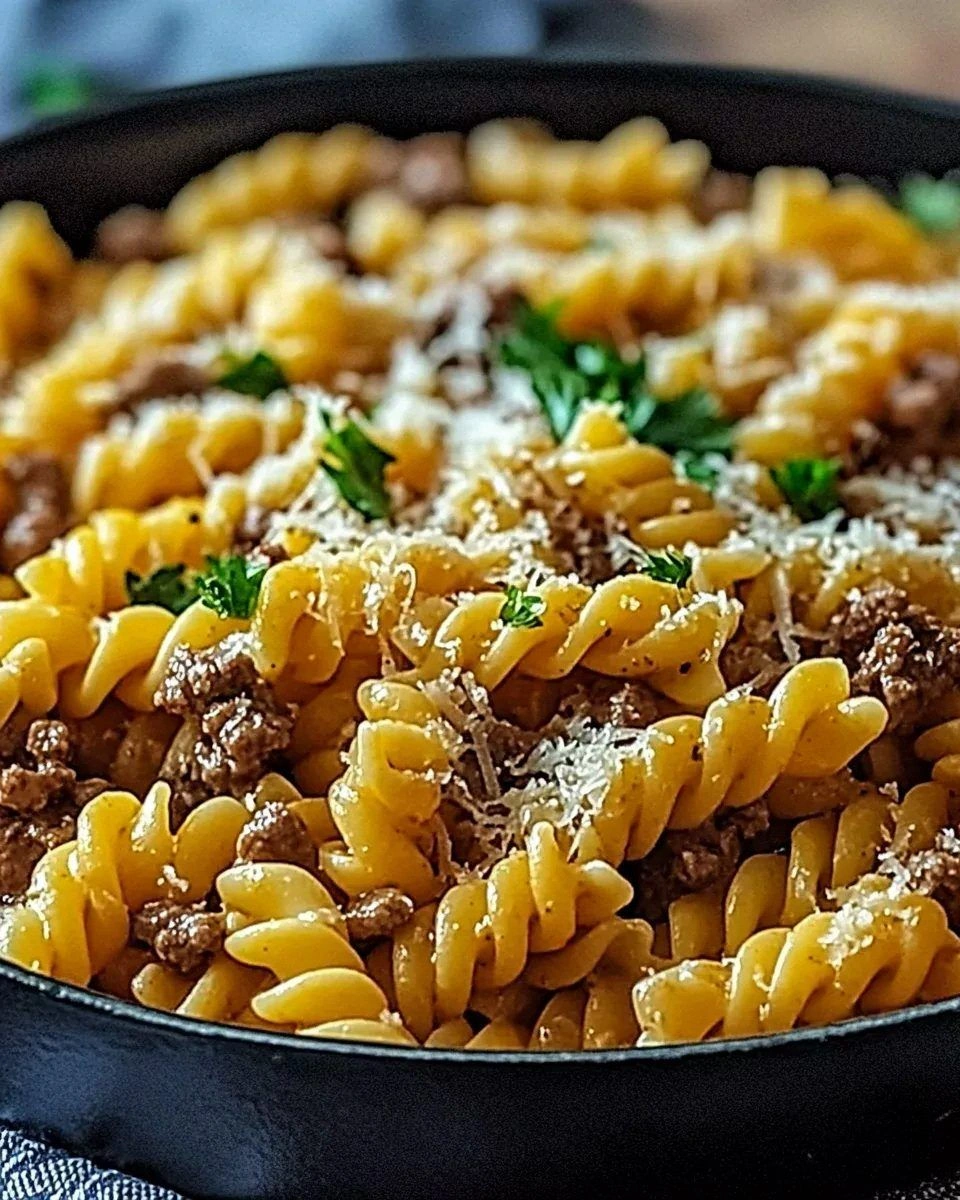
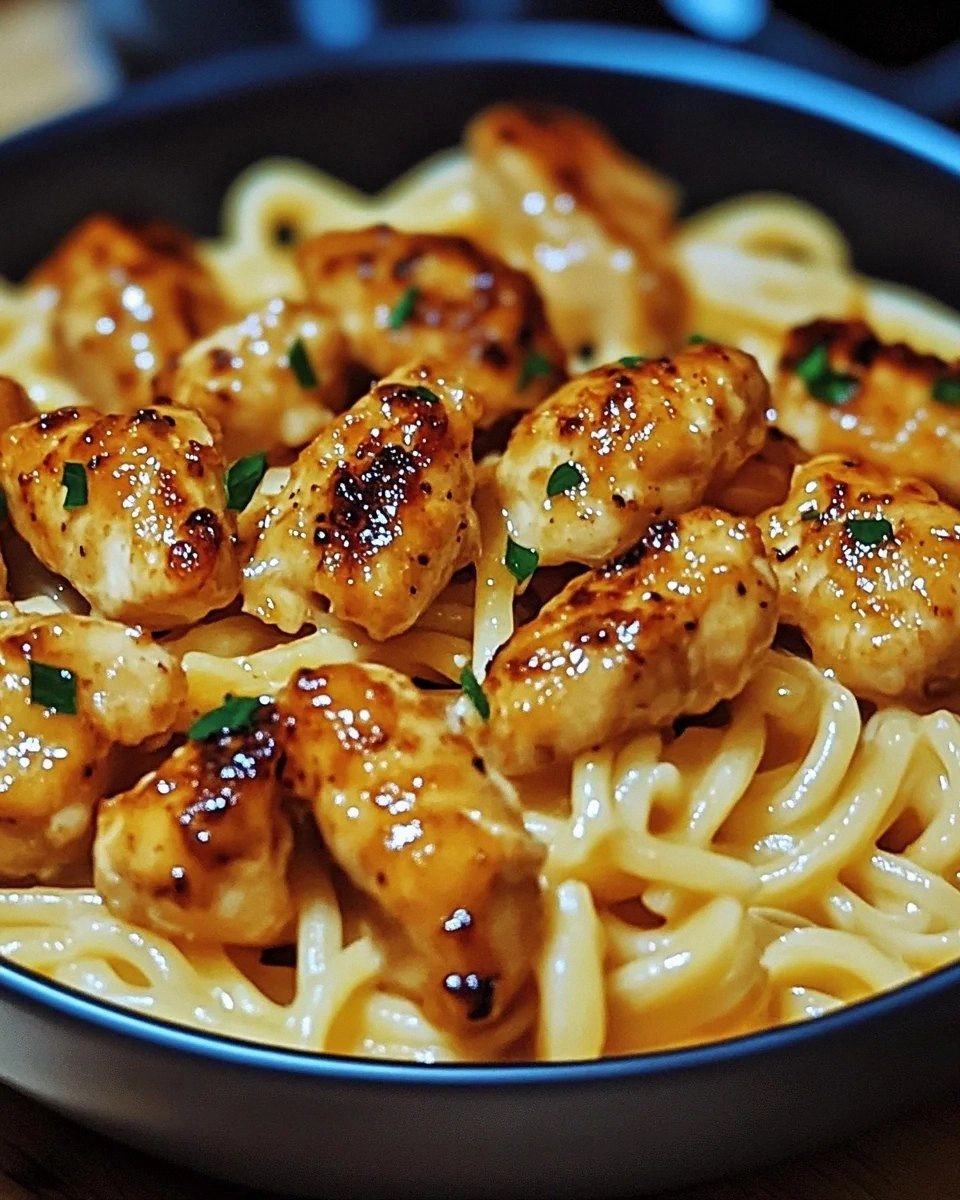
When the first sizzle hit the pan, it was like a tiny fireworks show, the sound echoing off the stainless steel and promising something spectacular. The aroma of garlic and butter swirled through the apartment, pulling my cat from its nap and making the neighbor’s dog bark in admiration. The sauce that followed was a silky, buttery river that clung to each strand of pasta like a lover’s embrace, while the chicken pieces turned golden‑brown, their edges crisp enough to crack under a fork but still juicy inside. I could practically hear the pasta sigh as it was tossed, and the Parmesan melted into a glossy sheen that made the whole pot look like a work of edible art.
What separates this version from the endless sea of “garlic butter chicken pasta” posts on the internet? Most recipes either drown the chicken in a watery sauce or over‑butter the pasta until it feels like a greasy mess. I’ve honed the balance to a razor‑thin line where the butter amplifies flavor without overwhelming, and the heavy cream adds just enough richness to make the sauce coat the pasta like velvet. The secret? A quick sear that creates caramelized, slightly smoky notes, and a finish of fresh parsley that adds a pop of color and herbaceous brightness. This is hands down the best version you’ll ever make at home – I dare you to taste it and not go back for seconds.
I’ll be honest — I ate half the batch before anyone else got a chance to try it, and that’s because the first bite was an instant love affair between garlic, butter, and Parmesan. Most recipes get this completely wrong by skipping the double‑butter step or by skimping on the heavy cream, resulting in a sauce that either separates or feels thin. In this post, I’ll reveal the exact technique that keeps the sauce thick, glossy, and perfectly clinging to every noodle. Picture yourself pulling this out of the pan, the whole kitchen smelling incredible, steam rising like a curtain before a Broadway show. Okay, ready for the game‑changer? Let me walk you through every single step — by the end, you’ll wonder how you ever made it any other way.
What Makes This Version Stand Out
- Flavor Explosion: The combination of garlic‑infused butter and a splash of heavy cream creates a sauce that’s both rich and aromatic, delivering a punch that lingers on the palate.
- Texture Harmony: Crispy‑seared chicken meets al‑dente pasta, while the sauce provides a silky coating that ties everything together without feeling heavy.
- Simplicity Meets Sophistication: Only pantry staples and a few fresh herbs are needed, yet the result feels like a dish you’d order at a high‑end Italian bistro.
- Ingredient Quality: Using real Parmesan and fresh parsley elevates the dish; the cheese melts into the sauce, creating that coveted glossy finish.
- Crowd‑Pleaser Factor: Kids love the buttery taste, adults appreciate the depth of flavor – it’s a universal winner that brings everyone to the table.
- Cooking Method Mastery: The double‑sauté technique locks in moisture for the chicken and builds a fond that becomes the backbone of the sauce.
- Make‑Ahead Potential: Prep the chicken and sauce ahead of time; reheat with a splash of milk for a quick weeknight dinner.
- Seasonal Flexibility: Works year‑round, but especially comforting on chilly evenings when you need something warm and indulgent.
Inside the Ingredient List
The Flavor Base
Olive oil and unsalted butter form the aromatic foundation. Olive oil raises the smoke point, letting you sear the chicken without burning, while butter adds that unmistakable nutty richness. If you skip the butter, you’ll lose the depth that makes the sauce feel luxurious. A good swap for olive oil is avocado oil, which also handles high heat well.
The Texture Crew
The pasta itself is the canvas – I recommend a sturdy shape like penne or rigatoni that can hold onto the sauce. The heavy cream is the silk that turns a simple butter‑garlic mixture into a velvety coating, and the Parmesan cheese creates a subtle umami boost while thickening the sauce. If you’re dairy‑free, try a blend of coconut cream and nutritional yeast, but expect a different flavor profile.
The Unexpected Star
Paprika and garlic powder add a warm, smoky undertone that you wouldn’t expect from a classic garlic butter dish. The paprika is the quiet hero that prevents the sauce from tasting one‑dimensional. A pinch of smoked paprika can take the flavor to another level, but don’t overdo it – you want a subtle whisper, not a shout.
The Final Flourish
Fresh parsley isn’t just a garnish; it injects a bright, herbaceous note that cuts through the richness and keeps the dish from feeling cloying. If parsley isn’t your thing, basil or thyme work nicely, but they’ll shift the flavor toward a more Mediterranean vibe. When buying chicken, look for pieces that are uniformly sized so they cook evenly – uneven pieces lead to a mix of overcooked and undercooked bites.
Everything's prepped? Good. Let's get into the real action...
The Method — Step by Step
Heat a large skillet over medium‑high heat and add 2 tbsp olive oil plus 2 tbsp unsalted butter. As soon as the butter foams, you’ll hear that sizzle that signals the pan is ready – that’s the sound of flavor building. Pat the 1 lb boneless chicken dry, season with ½ tsp salt, ¼ tsp black pepper, ½ tsp garlic powder, and 1 tsp paprika. Place the chicken pieces in the pan, giving them enough room to breathe; crowding will steam them instead of searing.
Kitchen Hack: Use a splatter guard for the first two minutes – it keeps the butter from smoking while you get that perfect crust.Cook for about 4‑5 minutes per side, or until the chicken is golden brown and the internal temperature hits 165 °F (74 °C). The edges should start pulling away from the pan, a clear sign they’re caramelized. Once done, transfer the chicken to a plate and cover loosely with foil to keep warm.
In the same skillet, reduce heat to medium and add another 2 tbsp unsalted butter. Let it melt, then toss in 3 cloves minced garlic (plus an extra 2 cloves you’ll add later). The garlic should become fragrant within 30 seconds, turning a light golden – that’s the moment of pure aromatics.
Watch Out: Do not let the garlic brown too much; burnt garlic adds bitterness that can ruin the entire sauce.Once the garlic is glossy, pour in 1 ½ cups heavy cream, stirring continuously. You’ll notice the mixture bubbling gently – that’s the cream thickening and marrying with the butter. Let it simmer for 3‑4 minutes, allowing it to reduce slightly; you’ll see the edges of the pan start to loosen, indicating a fond is forming.
Now, sprinkle in ½ cup freshly grated Parmesan cheese and ½ tsp Italian seasoning. Stir until the cheese melts completely, turning the sauce into a glossy, amber‑colored river that clings to the back of a spoon. Taste and adjust with a pinch more salt and pepper if needed – remember, the pasta will absorb some seasoning, so a slight over‑season now is okay.
While the sauce is coming together, bring a large pot of salted water to a rolling boil. Add 10 oz of your chosen pasta and cook until al dente, usually 1‑2 minutes less than the package suggests. Drain, reserving ½ cup of pasta water – that starchy liquid is a secret weapon for binding the sauce to the noodles.
Return the cooked pasta to the skillet, tossing it gently with the sauce. If the sauce looks too thick, splash in a little of the reserved pasta water, one tablespoon at a time, until you achieve a silky coating that slides over each strand. This is the moment of truth – the sauce should hug the pasta like a second skin, not pool at the bottom.
Slice the rested chicken into bite‑size strips or cubes, depending on your preference. Toss the chicken back into the skillet, allowing the pieces to re‑absorb some of that buttery sauce. Let everything mingle for another minute, just enough for the flavors to marry without overcooking the chicken.
Finish with 2 tbsp fresh parsley, roughly chopped. The green specks not only add visual appeal but also a fresh, peppery note that cuts through the richness. Give the dish a final gentle toss, then remove from heat.
Serve immediately, perhaps with a side of crusty bread to mop up any lingering sauce. That first bite? Expect a cascade of buttery garlic, creamy Parmesan, and a hint of smoky paprika that makes your taste buds do a happy dance. And now the fun part – watch your family dive in, eyes widening, forks digging in, and hear the chorus of “more, please!” echo around the table.
That's it — you did it. But hold on, I've got a few more tricks that'll take this to another level...
Insider Tricks for Flawless Results
The Temperature Rule Nobody Follows
Never start the chicken on high heat; medium‑high gives you a controlled sear that builds flavor without burning the butter. I once tried blasting it on high, and the butter smoked so badly the kitchen smelled like burnt popcorn. Keep the heat steady, and you’ll get those golden‑brown edges that shatter like thin ice when you bite into them.
Why Your Nose Knows Best
Your sense of smell is the ultimate timer. When the butter turns a light amber and the garlic releases its perfume, you know the base is ready. If the kitchen starts smelling like burnt garlic, pull the pan off the heat immediately – the sauce will turn bitter faster than you can say “oops”.
The 5‑Minute Rest That Changes Everything
After searing, let the chicken rest for five minutes before slicing. This short pause lets the juices redistribute, preventing a dry bite. A friend once skipped this step and ended up with chicken that was all crust and no moisture – a sad, chewy disappointment.
Pasta Water Magic
Never underestimate the power of starchy pasta water. Adding a splash after the sauce thickens creates an emulsion that binds the sauce to each noodle, giving you that restaurant‑level coating. If you forget, the sauce will slide off, and you’ll be left with a soupy mess.
Fresh Parmesan Over Pre‑Grated
Freshly grated Parmesan melts smoothly, whereas pre‑grated often contains anti‑caking agents that can grain the sauce. I once used the pre‑grated version and ended up with a gritty texture that felt like sand in my mouth – a texture nightmare.
Creative Twists and Variations
This recipe is a playground. Here are some of my favorite ways to switch things up:
Spicy Sriracha Swirl
Add a tablespoon of Sriracha to the cream before simmering. The heat cuts through the buttery richness, creating a sweet‑spicy balance that will win over anyone who loves a little kick.
Mushroom Medley
Sauté a cup of sliced cremini or shiitake mushrooms after the chicken, then proceed with the sauce. Earthy mushrooms add depth and a meaty texture, making the dish suitable for vegetarians if you swap the chicken for tofu.
Lemon‑Zest Brightness
Stir in the zest of one lemon just before serving. The citrus lifts the heavy cream, giving the dish a fresh, summery vibe that’s perfect for spring evenings.
Sun‑Dried Tomato Burst
Chop a handful of sun‑dried tomatoes and toss them in with the garlic. Their concentrated sweetness adds a chewy surprise that pairs beautifully with the Parmesan.
Herb‑Infused Butter
Mix softened butter with chopped rosemary and thyme before adding it to the pan. This herb‑butter creates an aromatic layer that makes the dish feel rustic yet refined.
Storing and Bringing It Back to Life
Fridge Storage
Allow the dish to cool to room temperature, then transfer to an airtight container. It will keep for up to 3 days. When reheating, add a splash of milk or water and stir over low heat to revive the sauce’s silkiness.
Freezer Friendly
Portion the cooked chicken and pasta into freezer‑safe bags, leaving a little headspace. Freeze for up to 2 months. To reheat, thaw overnight in the fridge, then warm gently on the stove, again adding a splash of liquid to loosen the sauce.
Best Reheating Method
The stovetop is king. Place the leftovers in a skillet over medium‑low heat, add a tablespoon of water or broth, and stir continuously until the sauce regains its glossy sheen. Microwaving works in a pinch, but you’ll lose some of that coveted texture.