I once tried to make a quick snack for a game night, and what came out of my oven was a sad, soggy mash that could barely hold a crumb. I was about to give up on the whole idea of potato‑cheese bites when a friend dared me, “If you can get that potato‑cheese thing crispy, I’ll bring the beer.” That dare turned into a midnight experiment that left my kitchen smelling like a Hungarian street market and my taste buds dancing a folk dance. The first bite was a revelation: a golden crust that shattered like thin ice, giving way to a molten, cheesy interior that whispered of paprika and buttery potatoes. I swear, I could hear the potatoes sigh in relief as they finally got the crunch they deserved.
What makes this version different? Most recipes treat potatoes as a bland canvas, coating them in generic breadcrumbs and hoping for the best. I threw that rulebook out the window and introduced a technique that uses starchy Russet potatoes, a quick par‑boil, and a double‑dip in flour‑egg‑flour before the final cheese embrace. The result is a stick that holds its shape, stays crispy even after cooling, and delivers a cheesy pull that feels like a hug from a Hungarian grandmother. I’ll be honest — I ate half the batch before anyone else got a chance to try it, and that’s the only confession I’m willing to make.
If you’ve ever struggled with soggy potato sticks, you’re not alone. The secret lies in controlling moisture, mastering the right temperature, and giving the cheese enough time to melt without turning greasy. Most recipes get this completely wrong: they fry at too low a heat, they skip the flour coating, or they use waxy potatoes that turn mushy. Here, we’re using a three‑step coating system that locks in steam, creates a barrier, and then lets the cheese melt into a buttery river. The flavor profile is bold yet comforting, with paprika adding a subtle heat that makes you reach for another bite without feeling overwhelmed.
Picture yourself pulling a tray of these sticks out of the oven, the whole kitchen smelling of toasted potatoes, melted mozzarella, and a whisper of smoked paprika. The golden sticks glisten with a light sheen, promising a crunch that sings. I dare you to taste this and not go back for seconds. Okay, ready for the game‑changer? Let me walk you through every single step — by the end, you’ll wonder how you ever made it any other way.
What Makes This Version Stand Out
- Texture: A triple‑layer coating (flour‑egg‑flour) creates a crust that shatters like a fresh snowflake, yet stays sturdy enough to hold a generous cheese core.
- Flavor: The marriage of buttery potatoes with a Hungarian‑style cheese blend and paprika delivers a taste that’s both familiar and exotic.
- Moisture Control: Par‑boiling the potatoes releases excess water, ensuring the final product stays crisp, not soggy.
- Simplicity: Only five core ingredients are needed, yet each one plays a starring role in the final masterpiece.
- Crowd Reaction: These sticks disappear faster than a magician’s rabbit; expect applause and requests for the “secret” recipe.
- Ingredient Quality: Using starchy Russets and a good melting cheese guarantees that fluffy interior and stringy cheese pull.
- Cooking Method: Baking instead of deep‑frying reduces fat while preserving that coveted crunch.
- Make‑Ahead Potential: You can prep the sticks ahead of time, freeze them, and bake them fresh when guests arrive.
Alright, let's break down exactly what goes into this masterpiece...
Inside the Ingredient List
The Flavor Base
Cheese: We’re using mozzarella for its meltability, but a Hungarian cheese like trappista adds a nutty depth that screams authenticity. Cheese is the heart of this dish; it creates that gooey pull you crave. If you skip the cheese, you’ll end up with bland, crunchy sticks that feel like a diet mistake. Swap suggestion: try a blend of mozzarella and smoked provolone for a smoky twist.
The Texture Crew
Potatoes: Russet potatoes are the gold standard because their high starch content yields a fluffy interior once baked. The starch gelatinizes during the par‑boil, creating a light, airy crumb that contrasts beautifully with the crust. Using waxy potatoes like red or new potatoes will result in a dense, heavy bite. Pro tip: Look for potatoes that feel heavy for their size; that’s a sign of high starch.
Flour: All‑purpose flour acts as the first barrier, adhering to the potato surface and absorbing any residual moisture. It also contributes to the golden crunch once baked. If you’re gluten‑free, a blend of rice flour and cornstarch works surprisingly well, though the texture will be slightly less airy.
The Unexpected Star
Eggs: Eggs are the glue that holds the flour coating together and adds richness to the crust. They also help the cheese melt evenly, preventing pockets of raw cheese. If you’re avoiding eggs, a mixture of 1 tablespoon of aquafaba plus 1 teaspoon of oil can mimic the binding effect, but the flavor won’t be as decadent.
The Final Flourish
Seasoning: A simple blend of salt, pepper, and paprika does more than just season; it creates a flavor bridge between the earthy potatoes and the creamy cheese. Paprika adds a subtle smoky heat that’s essential for that Hungarian vibe. If you love heat, toss in a pinch of cayenne; if you prefer sweet, swap half the paprika for smoked sweet paprika.
Everything's prepped? Good. Let's get into the real action...
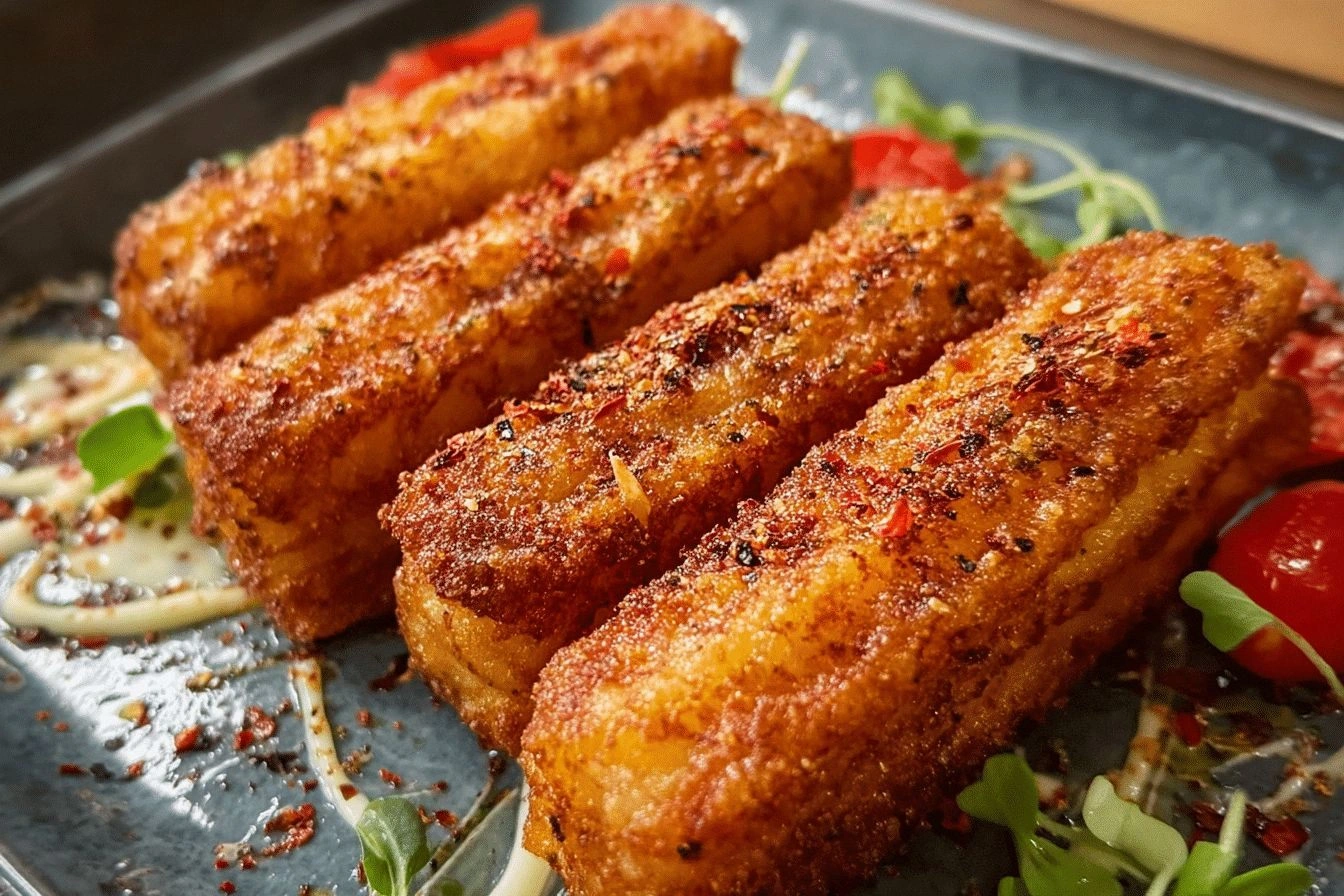
The Method — Step by Step
Start by washing three large Russet potatoes, scrubbing the skins until they shine. Cut each potato into uniform sticks about 1/2 inch thick; uniformity ensures even cooking. Place the sticks in a pot of salted water, bring to a boil, and par‑boil for exactly 5 minutes — you want them just tender, not fully cooked. When you pierce one with a fork, it should meet a slight resistance, like a firm handshake.
That sizzle when it hits the pan? Absolute perfection.
Drain the potatoes and spread them on a clean kitchen towel. Okay, ready for the game‑changer? Pat them dry thoroughly; any moisture left will steam the coating and ruin the crunch. While you’re drying, whisk together two large eggs in a shallow bowl, adding a splash of milk for extra silkiness.
Kitchen Hack: Sprinkle a pinch of cornmeal onto the towel before laying the potatoes; it absorbs extra moisture and adds a hidden layer of texture.Set up a three‑station coating line: first bowl with 1 cup of all‑purpose flour, second bowl with the beaten eggs, third bowl with another cup of flour mixed with 1 teaspoon of paprika, ½ teaspoon of salt, and a dash of black pepper. The double‑flour system creates a dry barrier that traps steam, while the egg acts as the adhesive.
Roll each potato stick first in the flour, shaking off excess, then dip it into the egg, and finally coat it in the seasoned flour mixture. Ensure every side is evenly covered; the coating should cling like a second skin. This step is the heart of the crunch, so don’t rush.
Arrange the coated sticks on a parchment‑lined baking sheet, leaving a little space between each. Sprinkle 1 cup of shredded mozzarella (or your chosen cheese blend) over the top, pressing lightly so the cheese adheres to the flour crust.
Watch Out: Overcrowding the pan will cause the sticks to steam rather than bake, resulting in a soggy texture.Preheat your oven to 425°F (220°C). Place the sheet in the middle rack and bake for 20‑25 minutes, or until the edges turn a deep golden brown and the cheese bubbles vigorously. Halfway through, flip the sticks gently with a spatula to ensure both sides get that perfect caramelization.
When the cheese has melted into a glossy sheen and the crust crackles under your fork, pull the tray out. Let the sticks rest for 2 minutes; this short pause allows the interior steam to settle, preserving the crunch.
Kitchen Hack: Sprinkle a tiny drizzle of melted butter over the hot sticks right before serving for an extra glossy finish and buttery aroma.Serve immediately with a side of cool sour cream mixed with a pinch of paprika, or a simple garlic aioli. The contrast between the hot, crunchy sticks and the cool dip is what makes this snack unforgettable.
Store any leftovers in an airtight container; they’ll stay crisp for up to 2 days if reheated properly. And remember, the best part of this recipe is that you can scale it up or down without sacrificing texture.
That's it — you did it. But hold on, I've got a few more tricks that'll take this to another level...
Insider Tricks for Flawless Results
The Temperature Rule Nobody Follows
Never bake at a temperature lower than 425°F. Lower heat will melt the cheese before the crust has a chance to set, leading to a soggy mess. I once tried 375°F hoping for a gentler bake; the result was a sad, limp stick that fell apart at the first bite. Crank the heat, and you’ll get that instant crackle that signals perfection.
Why Your Nose Knows Best
Your sense of smell is a reliable indicator of doneness. When the kitchen fills with a nutty, toasted aroma and the cheese starts to caramelize, you’re within seconds of the perfect finish. If the smell turns overly buttery or burnt, pull the tray immediately. Trust your nose; it’s smarter than any timer.
The 5‑Minute Rest That Changes Everything
After baking, let the sticks rest on a cooling rack for exactly five minutes. This brief pause lets the steam escape, preventing the crust from becoming soggy. Skipping this step is the most common mistake I see, and it’s why many “crispy” potato sticks end up limp.
Double‑Dipping for Double Crunch
If you crave an ultra‑crunchy exterior, dip the sticks in the flour‑egg‑flour sequence twice before adding cheese. The second layer adds a feather‑light armor that shatters delightfully on bite. A friend tried this once and declared it “the crunchiest thing I’ve ever tasted.”
Seasoning Layers for Depth
Season both the first and second flour coats. The first coat gets a subtle salt boost, while the second coat carries the paprika and pepper. This layered seasoning ensures every bite hits the palate with balanced flavor, not just the cheese.
Creative Twists and Variations
This recipe is a playground. Here are some of my favorite ways to switch things up:
Spicy Jalapeño Kick
Finely dice a jalapeño and fold it into the shredded cheese before sprinkling. The heat pairs beautifully with the paprika, turning each bite into a mini fireworks show.
Herb‑Infused Delight
Add a tablespoon of fresh chopped rosemary or thyme to the seasoned flour. The herbaceous notes add a fragrant lift that makes the sticks feel upscale.
Cheddar‑And‑Gouda Fusion
Swap half the mozzarella for sharp cheddar and a touch of smoked Gouda. The result is a deeper, more complex cheese melt with a hint of smokiness.
Sweet‑And‑Savory
Mix a teaspoon of honey into the egg wash and sprinkle a pinch of cinnamon into the second flour coat. The subtle sweetness balances the paprika, creating a snack that’s perfect for brunch.
Vegan Version
Replace the potatoes with sweet potatoes, use chickpea flour for the coating, and swap mozzarella for a plant‑based melt cheese. The texture changes slightly, but the concept remains delicious.
Storing and Bringing It Back to Life
Fridge Storage
Place cooled sticks in an airtight container lined with a paper towel to absorb any excess moisture. They’ll stay crisp for up to two days. If you notice condensation, open the lid for a few minutes to let steam escape.
Freezer Friendly
Arrange the uncooked, coated sticks on a parchment sheet and freeze until solid. Transfer them to a zip‑top bag. They’ll keep for up to three months. When you’re ready, bake straight from frozen, adding an extra 5‑7 minutes.
Best Reheating Method
Reheat in a preheated 425°F oven for 8‑10 minutes, or until the crust regains its golden hue. Add a tiny splash of water to the pan before reheating; the steam revitalizes the interior while the oven restores the crunch.