Picture this: I was halfway through a midnight baking spree, the oven timer blinking, when the cake suddenly collapsed like a soggy pancake. The kitchen smelled of burnt sugar and disappointment, and I could hear the faint whine of a defeated mixer. I stared at the ruined batter, wondering how any cake could survive such a catastrophe. Then a friend, armed with a mischievous grin, dared me to make the ultimate chocolate cake that would turn every flop into a triumph. The challenge felt like a culinary daredevil stunt, but I was already craving something rich, indulgent, and utterly comforting. I decided to give Guinness a shot, because the beer's roasted malt notes could add depth to the chocolate. I grabbed the recipe, and the moment my hands touched the flour, a wave of anticipation washed over me. I knew this was going to be a game-changer.
From the first swirl of flour to the last splash of Guinness, the kitchen became a laboratory of aromas. The sweet perfume of sugar mingled with the sharp tang of cocoa, while the beer's subtle bitterness cut through the sweetness like a razor. When I poured the sour cream, its velvety texture tingled against my fingertips, promising a moist crumb. The sound of the whisk beating in the bowl was a rhythmic drumbeat that steadied my nerves. With every stir, the batter thickened, taking on a glossy sheen that reflected the dim kitchen light. I could almost taste the chocolate melting in my mouth before the oven even kicked on. The anticipation built like a crescendo, each breath a reminder that this cake would be different. I could feel the excitement bubbling inside me, a mixture of nerves and pure joy.
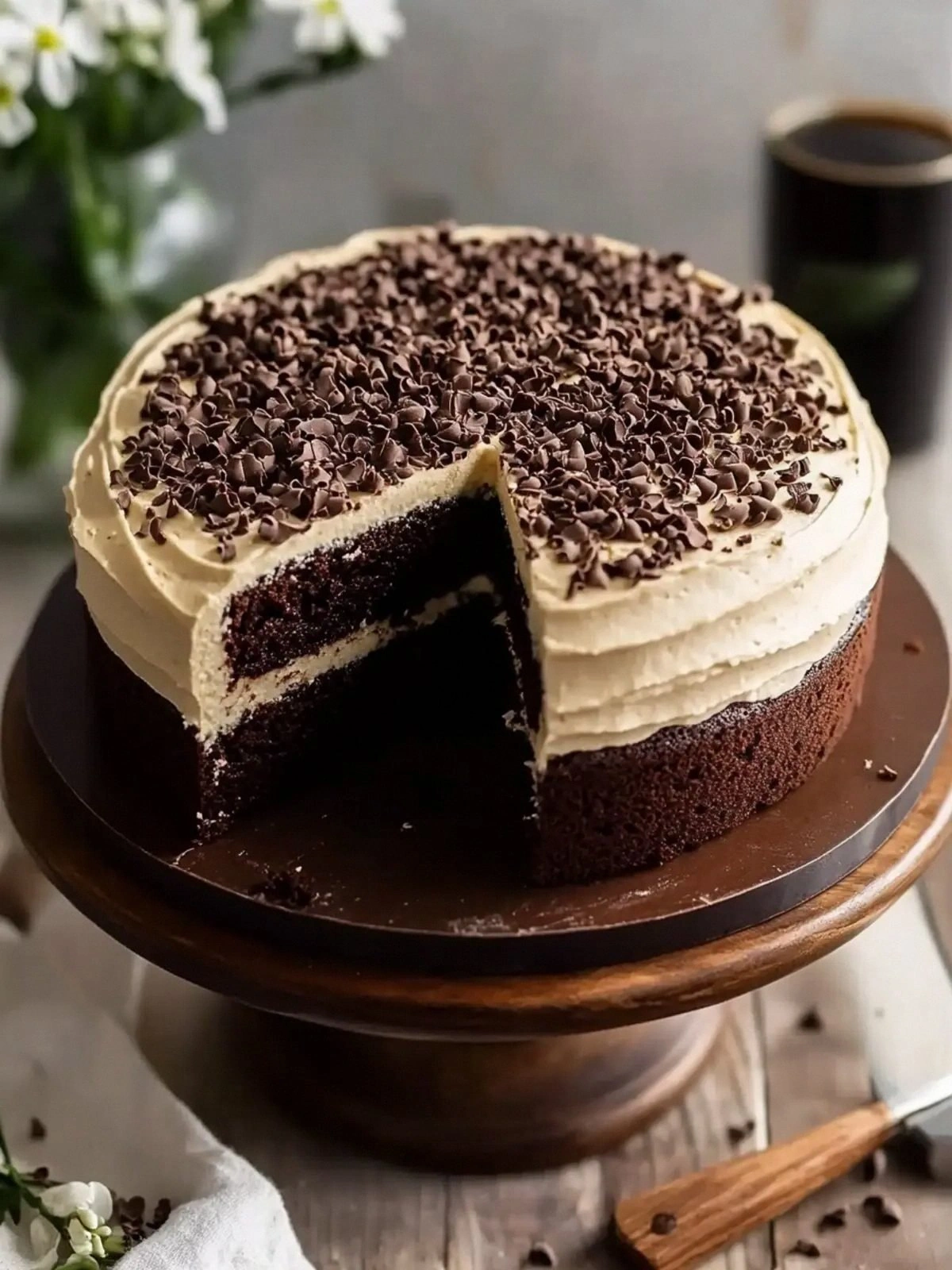
This version isn't just another chocolate cake; it's a symphony of flavors that dance on the palate. The Guinness infusion gives it a deep, malty richness that cuts through the sweetness, turning every bite into a complex experience. The sour cream adds a subtle tang that lightens the batter, preventing it from becoming heavy or dense. The Irish cream buttercream, laced with a splash of heavy cream, delivers a silky, luxurious finish that coats the mouth like velvet. The chocolate ganache that crowns the cake is thick, glossy, and slightly bitter, offering a satisfying contrast to the buttery frosting. Together, these elements create a cake that feels indulgent yet balanced, a treat that satisfies both chocolate lovers and beer aficionados alike. And the best part? The recipe is straightforward, with no obscure techniques or hard-to-find ingredients. It's a recipe that even a novice can master and still wow a crowd.
Now, you might be thinking, “What’s the secret twist that sets this apart?” The answer lies in the way the Guinness is incorporated—heated just enough to release its flavors but not so hot that it steams away the beer's subtle notes. I also discovered that a dash of espresso powder amplifies the chocolate without adding bitterness. And, if you’re feeling adventurous, a pinch of smoked sea salt on the ganache gives a final pop of flavor that lingers. I’ll be honest — I ate half the batch before anyone else got to try it. But enough about my guilty pleasure; let me walk you through every single step — by the end, you'll wonder how you ever made it any other way.
What Makes This Version Stand Out
- Taste: The Guinness infusion creates a deep, roasted flavor that balances the sweetness of chocolate, turning each bite into a layered experience.
- Texture: Sour cream and a splash of heavy cream keep the crumb moist and airy, preventing the cake from feeling dense or heavy.
- Simplicity: No complicated techniques—just combine, bake, and finish with buttercream and ganache, making it accessible to every kitchen.
- Unique Ingredient: Guinness beer brings a subtle bitterness and earthy undertone that elevates the chocolate profile.
- Crowd Reaction: Guests rave about the unexpected beer twist and the silky buttercream, making it a conversation starter at gatherings.
- Ingredient Quality: Using real Irish cream and high‑grade chocolate ensures depth of flavor and a luxurious mouthfeel.
- Make‑Ahead Potential: The cake can be assembled a day early, with the ganache set to remain glossy and the buttercream staying fresh.
Alright, let's break down exactly what goes into this masterpiece...
Inside the Ingredient List
The Flavor Base
Flour (2 cups): The foundation that gives the cake structure. Using a standard all‑purpose flour keeps the batter light; if you prefer a denser cake, try a 1:1 blend of cake flour and all‑purpose. Skipping flour would turn the batter into a batter‑like batter, lacking the crumb you expect from a cake.
Sugar (2 cups): Sweetness anchors the chocolate and balances the beer’s bitterness. Reducing sugar by a quarter will still produce a moist cake, but the flavor will be less pronounced. When you use raw or turbinado sugar, you’ll get a subtle molasses undertone that pairs well with Guinness.
Cocoa Powder (1 cup): The heart of the cake’s chocolate flavor. Choose a dark, unsweetened variety for a richer taste. If you’re allergic to cocoa, cocoa nibs can be ground to a fine powder for a more natural flavor.
The Texture Crew
Sour Cream (3/4 cup): Adds moisture and a slight tang that lightens the batter. It also helps emulsify the fats, giving the cake a tender crumb. If you can’t find sour cream, Greek yogurt works as a 1:1 substitute but may alter the texture slightly.
Vegetable Oil (1/2 cup): Keeps the cake moist and adds a neutral flavor. You can replace it with melted butter for a richer taste, but the cake may brown faster. Skipping oil will result in a drier crumb.
Eggs (3 pcs): Bind the batter and add structure. If you need a vegan version, use flaxseed meal mixed with water as a single egg replacement, but the cake will be denser.
The Unexpected Star
Guinness Beer (1 cup): Infuses the batter with deep, roasted malt flavors that contrast beautifully with the chocolate. Pour it warm to release the beer’s aromas; if you use cold beer, the flavors won’t fully integrate. If you prefer a lighter beer, a stout or porter will still work but will change the flavor profile.
Irish Cream (1/2 cup): Adds a creamy, slightly sweet finish to the buttercream. Substitute with a vanilla‑infused cream if you’re avoiding dairy, but the richness will be reduced. The Irish cream’s alcohol content evaporates during baking, leaving only flavor.
The Final Flourish
Chocolate (4 oz): Used for the ganache, it provides a glossy, rich topping that coats the cake. Choose a high‑cocoa dark chocolate for the most intense flavor. If you prefer a sweeter ganache, add a tablespoon of honey or maple syrup.
Heavy Cream (1/2 cup): Whipped into the buttercream for a silky texture. If you can’t find heavy cream, use whole milk with a tablespoon of butter to mimic the fat content. Skipping heavy cream will make the buttercream too thin.
Unsalted Butter (1 lb): The base of the buttercream; its high butter content gives the frosting a buttery richness that pairs with Irish cream. Use room‑temperature butter for easy mixing; cold butter will make the buttercream lumpy.
Powdered Sugar (6 cups): Sweetens the buttercream and gives it a smooth finish. If you prefer a lower‑sugar version, use a sugar substitute like erythritol, but the buttercream will be less sweet.
Pinch of Salt: Enhances all the flavors and balances the sweetness. If you’re watching sodium, use a tiny pinch; the cake will still taste great.
Sprinkles: Add a playful finish to the cake. You can use chocolate or rainbow sprinkles for a pop of color and crunch.
Everything's prepped? Good. Let's get into the real action...
The Method — Step by Step
- Preheat your oven to 350°F (175°C) and grease two 9‑inch round cake pans. Line the bottoms with parchment paper for easy removal. Let the pans sit in the oven while you mix the batter; the heat will keep the batter from thickening prematurely. This step ensures a smooth, even bake.
- In a large bowl, whisk together the flour, sugar, cocoa powder, baking soda, baking powder, and salt until well combined. The dry mix should feel slightly coarse; this texture helps prevent clumps in the batter. Keep the mixture aside while you prepare the wet ingredients.
- In a separate bowl, combine the eggs, sour cream, vegetable oil, vanilla extract, and warm Guinness. Whisk until the mixture is smooth and the Guinness is fully incorporated. The warm beer releases its aroma, turning the batter into a fragrant cloud. This is the moment to pause and inhale the deep, roasted scent that will permeate the cake.
- Gently fold the wet mixture into the dry ingredients, stirring just until the batter is smooth and no flour streaks remain. Over‑mixing will develop gluten and result in a tough crumb. The batter should be pourable but thick enough to hold its shape on the spoon.
- Divide the batter evenly between the prepared pans. Tap the pans gently on the counter to release air bubbles. Bake for 30–35 minutes, or until a toothpick inserted into the center comes out with a few moist crumbs. The cake should rise and develop a golden crust.
- Let the cakes cool in the pans for 10 minutes before transferring them to a wire rack. This short cooling period allows the structure to set, preventing cracks. Once cooled, level the tops with a serrated knife if uneven.
- Prepare the Irish cream buttercream by beating the softened butter until light and fluffy. Gradually add the powdered sugar, then fold in the Irish cream, heavy cream, and a pinch of salt. Once smooth, spread a generous layer of buttercream on the first cake layer. Repeat with the second layer, then apply a thin coat of buttercream around the sides. Finally, pour the melted chocolate ganache over the top, letting it cascade down the sides for a glossy finish.
That's it — you did it. But hold on, I've got a few more tricks that'll take this to another level...
Insider Tricks for Flawless Results
The Temperature Rule Nobody Follows
Baking at the exact temperature is key. A 10°F dip can prevent over‑browning and keep the cake moist. I once baked at 360°F, and the cake was dry. Stick to 350°F for consistent results.
Why Your Nose Knows Best
Smell the batter before baking; a faint hint of coffee or roasted malt means the beer has fully integrated. If it smells flat, let it sit a few minutes longer to allow the flavors to meld.
The 5‑Minute Rest That Changes Everything
After removing the cake from the oven, let it rest for five minutes before turning it out. This pause allows the internal temperature to even out, preventing cracks. A quick tip: place the cake on a cooling rack that has a small plate underneath to catch crumbs.
The Perfect Oven Rack Position
Position the oven rack in the middle for even heat distribution. If you’re using a convection oven, reduce the temperature by 25°F to avoid over‑browning the edges.
The Secret to a Smooth Ganache
Heat the cream just until it starts to bubble, then pour it over the chocolate and let sit for a minute before whisking. This technique creates a glossy, silky ganache that coats the cake like a velvet blanket.
The Quick Chill Trick
If you’re in a hurry, chill the cake in the fridge for 20 minutes before frosting. This makes the buttercream easier to spread and prevents it from melting too quickly.
Creative Twists and Variations
This recipe is a playground. Here are some of my favorite ways to switch things up:
Dark Chocolate Guinness Cake
Swap the 4 oz chocolate for a 6 oz dark chocolate with 70% cacao. The result is a deeper, more intense chocolate flavor that pairs wonderfully with the stout notes.
Espresso Infused Guinness Cake
Add 1 tablespoon of instant espresso powder to the batter. The espresso enhances the chocolate and gives the cake a subtle coffee undertone that lovers of espresso will adore.
Peanut Butter Swirl
Fold in 1 cup of creamy peanut butter into the batter before baking. The nutty flavor adds a crunchy contrast and a protein boost.
Orange Zest Variation
Add 2 teaspoons of finely grated orange zest to the batter. The citrus brightens the flavor profile and balances the richness.
Salted Caramel Drizzle
Drizzle salted caramel sauce over the finished cake. The sweet‑salty combination creates a delightful contrast to the chocolate ganache.
Vegan Version
Replace butter with coconut oil, use plant‑based milk for the buttercream, and substitute eggs with flaxseed meal. The result is a vegan cake that still delivers on flavor.
Storing and Bringing It Back to Life
Fridge Storage
Store the assembled cake in an airtight container at room temperature for up to 3 days. The buttercream and ganache will stay firm, but the cake’s moisture will be preserved.
Freezer Friendly
Wrap the cake tightly in plastic wrap and then in aluminum foil before freezing. It will keep well for up to 2 months. Thaw in the refrigerator overnight before serving.
Best Reheating Method
Reheat the cake in a 300°F oven for 10 minutes, or microwave on low for 30 seconds. Add a splash of water to the cake before reheating to keep the crumb moist. A quick steam will revive the cake’s texture.