I still remember that night when the kitchen turned into a chaotic battlefield and my lasagna ended up looking like a shredded piece of art. The sauce had spilled onto the counter, the noodles had clumped together like a stubborn knot, and my friends were laughing at the mess. I swore I would never again trust a recipe that felt like a gamble. That promise became the spark that lit this new, high‑protein, veggie‑laden lasagna, a dish that will have you shouting, “I dare you to taste this and not go back for seconds.”
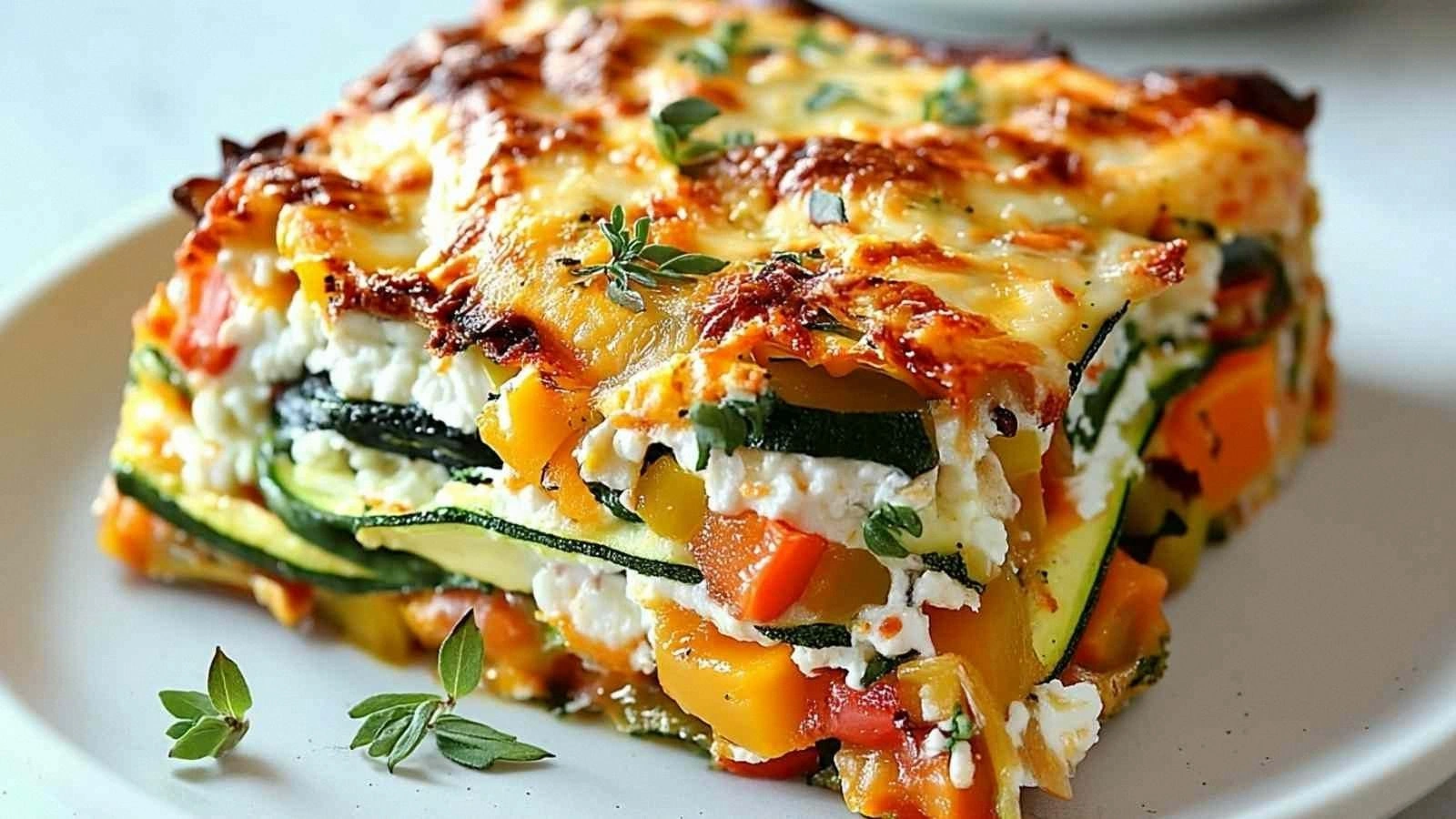
Picture the first bite: a silky layer of ricotta and cottage cheese that melts like a dream, a tangy tomato base that coats the pasta like velvet, and a molten mozzarella crust that shatters with a satisfying crunch, almost like thin ice. The scent of sautéed onions and garlic wafts through the air, mingling with the earthy aroma of fresh spinach and zucchini. The sound of the sauce bubbling is the soundtrack to a comforting, almost ritualistic experience. The texture is a harmonious blend of chewy noodles, creamy cheese, and crisp veggies. The taste? A balanced explosion of savory, slightly sweet, and herbaceous notes that dance across your palate.
What sets this version apart is that it’s not just a lasagna—it's a protein powerhouse that keeps you full without the heaviness of meat. It’s the kind of dish that makes a simple dinner feel like a special occasion. I’ll be honest, I ate half the batch before anyone else got to try it. Most recipes get this completely wrong, but here we’ve cracked the secret to a flawless, crowd‑loving lasagna that will become your go‑to comfort food. Stay with me here—this is worth it.
I’ll walk you through every single step, from the first sizzle of olive oil to the final, golden crust. By the end, you’ll wonder how you ever made it any other way. Let’s dive in.
What Makes This Version Stand Out
- Protein Punch: With ricotta, cottage cheese, and egg, this lasagna delivers a hearty protein boost that keeps you satisfied for hours. It’s a perfect meal for athletes and anyone looking to avoid the carb‑heavy overload of traditional lasagna. The result is a balanced plate that fuels without weighing you down.
- Veggie Velocity: Fresh zucchini, bell pepper, and spinach add a burst of color and nutrients while keeping the dish light. Each vegetable contributes a unique flavor profile—from the pepper’s sweet bite to the spinach’s earthy depth. The result is a vibrant, wholesome meal that feels indulgent yet healthful.
- Cheese Harmony: Combining ricotta, cottage cheese, mozzarella, and Parmesan creates a creamy, gooey interior with a crisp, golden top. The cheeses work together to provide a complex texture that is both comforting and sophisticated. The subtle Parmesan finish adds a nutty finish that ties everything together.
- Herb Infusion: Dried Italian seasoning and a splash of black pepper elevate the tomato base with aromatic depth. The herbs permeate each layer, ensuring every bite is bursting with flavor. It’s a simple trick that turns an ordinary sauce into a symphony of taste.
- Texture Contrast: The layered noodles provide a chewy base, while the sautéed veggies offer a satisfying crunch. The cheese creates a silky melt that contrasts beautifully with the firm noodles. The final result is a multi‑sensory experience that keeps you coming back for more.
- Time Efficiency: Prep time is just 15 minutes, and cooking takes 30 minutes. This is a game‑changer for busy weeknights when you need a nutritious, homemade dinner in under an hour. It’s a reminder that healthy eating doesn’t have to be time‑consuming.
- Make‑Ahead Friendly: This lasagna can be assembled a day ahead and refrigerated, then baked just before serving. It’s ideal for meal‑prep enthusiasts who want to save time without sacrificing flavor. The flavors actually deepen when the dish rests overnight.
- Scalable Simplicity: The recipe scales beautifully for any number of servings. Whether you’re cooking for two or a crowd of eight, the proportions remain perfect, and the flavors stay consistent. It’s a versatile dish that can adapt to any occasion.
Inside the Ingredient List
The Flavor Base
Crushed tomatoes and tomato sauce form the heart of this lasagna. They provide acidity, sweetness, and a smooth consistency that binds the layers together. Skipping either would leave the dish bland and watery, compromising the overall flavor profile. If you prefer a thicker sauce, simmer the tomatoes for an extra 10 minutes to reduce water content. For a subtle twist, stir in a splash of red wine for depth.
The Texture Crew
The lasagna noodles are the backbone, offering chewiness that contrasts with the creamy cheeses. Cooking them al dente before assembly ensures they don’t become mushy during baking. The fresh spinach, zucchini, and bell pepper contribute moisture and a slight crunch. If you’re a fan of extra texture, lightly sauté the veggies until just tender, then let them cool before layering. This step preserves their vibrant color and bite.
The Unexpected Star
Ricotta and cottage cheese together create a creamy, protein‑rich filling that’s lighter than traditional ricotta‑only recipes. The egg binds the mixture, giving it a silky structure that melts in the oven. Removing the egg would make the filling runnier, while adding more cheese would tip the balance toward greasiness. The combination of both cheeses also balances the acidity of the tomato base.
The Final Flourish
Mozzarella and Parmesan cheeses finish the lasagna with a gooey, golden crust. The mozzarella’s meltiness contrasts with the Parmesan’s nutty sharpness, creating a complex flavor that lingers on the palate. If you’re looking for a dairy‑free version, swap the mozzarella for a vegan cheese that melts well, and use nutritional yeast for the Parmesan hit. Remember to sprinkle the Parmesan on top before baking for that perfect crust.
Everything's prepped? Good. Let's get into the real action...
The Method — Step by Step
- Heat a large skillet over medium heat and drizzle in the tablespoon of olive oil. Add the diced onion and cook until translucent, about 3 minutes, stirring frequently to prevent sticking. Next, toss in the minced garlic and cook for an additional minute until fragrant. This step sets the aromatic foundation for the sauce. The sizzle should be gentle, not too hot, to avoid burning the garlic.
- Add the diced zucchini and bell pepper to the skillet, cooking until they soften slightly, about 4 minutes. Stir occasionally to keep them from drying out. The veggies should release their juices and start to caramelize on the edges. This creates a subtle sweetness that balances the tomato’s acidity. Keep the heat moderate to avoid over‑cooking.
- Pour in the crushed tomatoes and tomato sauce, then stir in the dried Italian seasoning, salt, and black pepper. Bring the mixture to a low simmer, letting it thicken for 8–10 minutes. The sauce should coat the back of a spoon and emit a fragrant steam. This simmering step allows the herbs to bloom fully.
- While the sauce simmers, blanch the lasagna noodles according to package instructions, stopping just before they reach al dente. Rinse them under cold water to halt the cooking process and prevent sticking. Pat them dry on a clean kitchen towel. This step ensures the noodles retain firmness during baking.
- In a separate bowl, combine the ricotta, cottage cheese, egg, and half of the grated Parmesan. Whisk until the mixture is smooth and well‑mixed. The egg acts as a binder, giving the filling a silky texture. This cheese blend is the heart of the lasagna’s richness.
- Preheat your oven to 375°F (190°C). Grease a 9×13 inch baking dish with a light coating of olive oil or cooking spray. This prevents sticking and adds a subtle flavor to the crust.
- Spread a thin layer of the tomato sauce on the bottom of the dish, then arrange a layer of noodles over it. Spoon a generous amount of the cheese mixture over the noodles, followed by a layer of sautéed vegetables. Repeat the layers—sauce, noodles, cheese, veggies—until all components are used, finishing with a final layer of sauce on top. Sprinkle the remaining Parmesan and shredded mozzarella over the top for a golden crust.
- Cover the dish tightly with foil, ensuring no air pockets. Bake for 25 minutes, then remove the foil and continue baking for another 10 minutes, or until the top is bubbling and golden brown. The foil traps moisture, keeping the lasagna moist while the final 10 minutes allows the cheese to brown.
- Let the lasagna rest for 10 minutes before slicing. This resting period allows the layers to set, making it easier to cut clean portions. Serve hot, optionally garnished with fresh basil or a sprinkle of extra Parmesan. The aroma of fresh herbs will elevate the dish to another level.
That's it — you did it. But hold on, I've got a few more tricks that'll take this to another level...
Insider Tricks for Flawless Results
The Temperature Rule Nobody Follows
Baking at 375°F (190°C) is the sweet spot for a balanced bake. Too low and the lasagna stays soggy; too high and the top burns before the interior cooks. I’ve found that preheating the oven for at least 15 minutes before placing the dish ensures even heat distribution. If your oven runs hot, reduce the temperature by 25°F to avoid over‑browning.
Why Your Nose Knows Best
Smell the sauce as it simmers; it should emit a robust, tomato‑herb aroma. If it’s too acidic, add a pinch of sugar or a splash of balsamic vinegar to balance. The aroma is a reliable indicator that the flavors are developing properly, so trust your nose when deciding if it’s ready to move on.
The 5‑Minute Rest That Changes Everything
Letting the lasagna rest after baking allows the cheese to set and the flavors to meld. During this period, the sauce will thicken slightly, making it easier to cut neat slices. I always cover the dish with a clean towel during this rest to keep the crust from drying out.
Layering Like a Pro
Start with sauce, then noodles, then cheese, followed by veggies. This sequence ensures each layer has enough moisture and flavor. If you add too many noodles at once, the dish can become gummy. Keep each layer thin and even for the best texture.
Cheese Selection Matters
Use a high‑moisture mozzarella for a gooey melt, and a sharp Parmesan for a tangy finish. Mixing the cheeses creates a balanced mouthfeel. If you prefer a sharper taste, increase the Parmesan slightly. Remember, quality cheeses make a noticeable difference.
The Veggie Prep Hack
Sauté the veggies just until they’re slightly translucent; this preserves their crunch and color. Over‑cooking them can release too much water, making the lasagna watery. A quick stir‑fry in a hot pan is all you need to achieve the perfect bite.
Make‑Ahead Magic
Assemble the lasagna a day before, cover tightly with foil, and refrigerate. When you’re ready to bake, let it sit at room temperature for 15 minutes before placing it in the oven. The flavors will deepen overnight, making it a perfect meal‑prep option.
Creative Twists and Variations
This recipe is a playground. Here are some of my favorite ways to switch things up:
Mediterranean Marvel
Swap the bell pepper for sun‑dried tomatoes and add Kalamata olives. Use feta cheese in place of mozzarella for a tangy twist. This version feels like a Greek dinner party in every bite.
Spicy Kick
Add a pinch of red pepper flakes to the sauce and mix in diced jalapeños with the veggies. The heat pairs perfectly with the creamy cheeses, creating a bold contrast. This is ideal for those who love a fiery flavor profile.
Mushroom Magic
Replace zucchini with a generous amount of sautéed mushrooms. The earthy umami of mushrooms complements the tomato base beautifully. A sprinkle of fresh thyme adds another layer of aroma.
Cheesy Cauliflower
Use cauliflower rice instead of noodles for a low‑carb, high‑fiber option. The cauliflower takes on the flavors of the sauce and cheese, resulting in a hearty dish that’s still light. This is a great choice for keto or paleo diners.
Vegan Victory
Replace ricotta and cottage cheese with a blend of tofu and nutritional yeast. Use a vegan mozzarella alternative and vegan Parmesan. The texture remains creamy, and the flavor stays robust.
Breakfast Boost
Add a handful of chopped spinach and a splash of almond milk to the cheese mixture. Serve with a side of fresh fruit for a balanced breakfast. This version turns the lasagna into a protein‑rich morning meal.
Holiday Twist
Incorporate roasted butternut squash and sage into the layers. Finish with a drizzle of maple syrup before baking. This gives the lasagna a festive, sweet‑savory flavor perfect for holiday gatherings.
Storing and Bringing It Back to Life
Fridge Storage
Cover the baked lasagna tightly with foil and store it in the refrigerator for up to 3 days. When reheating, add a splash of water or milk to the bottom of the dish to keep the noodles moist. Reheat in a 350°F oven for 15 minutes, then cover and bake an additional 5 minutes.
Freezer Friendly
Wrap the lasagna in plastic wrap, then place it in a freezer‑safe container or zip‑lock bag. It stays fresh for up to 2 months. Thaw overnight in the refrigerator before reheating. Use the same water trick to maintain moisture.
Best Reheating Method
Reheat in a preheated oven at 350°F, covering the dish with foil for the first 15 minutes to keep it moist. Remove the foil for the last 5–10 minutes to re‑brown the cheese. The result is a perfectly reheated lasagna that tastes as good as freshly baked.