Potato Cakes
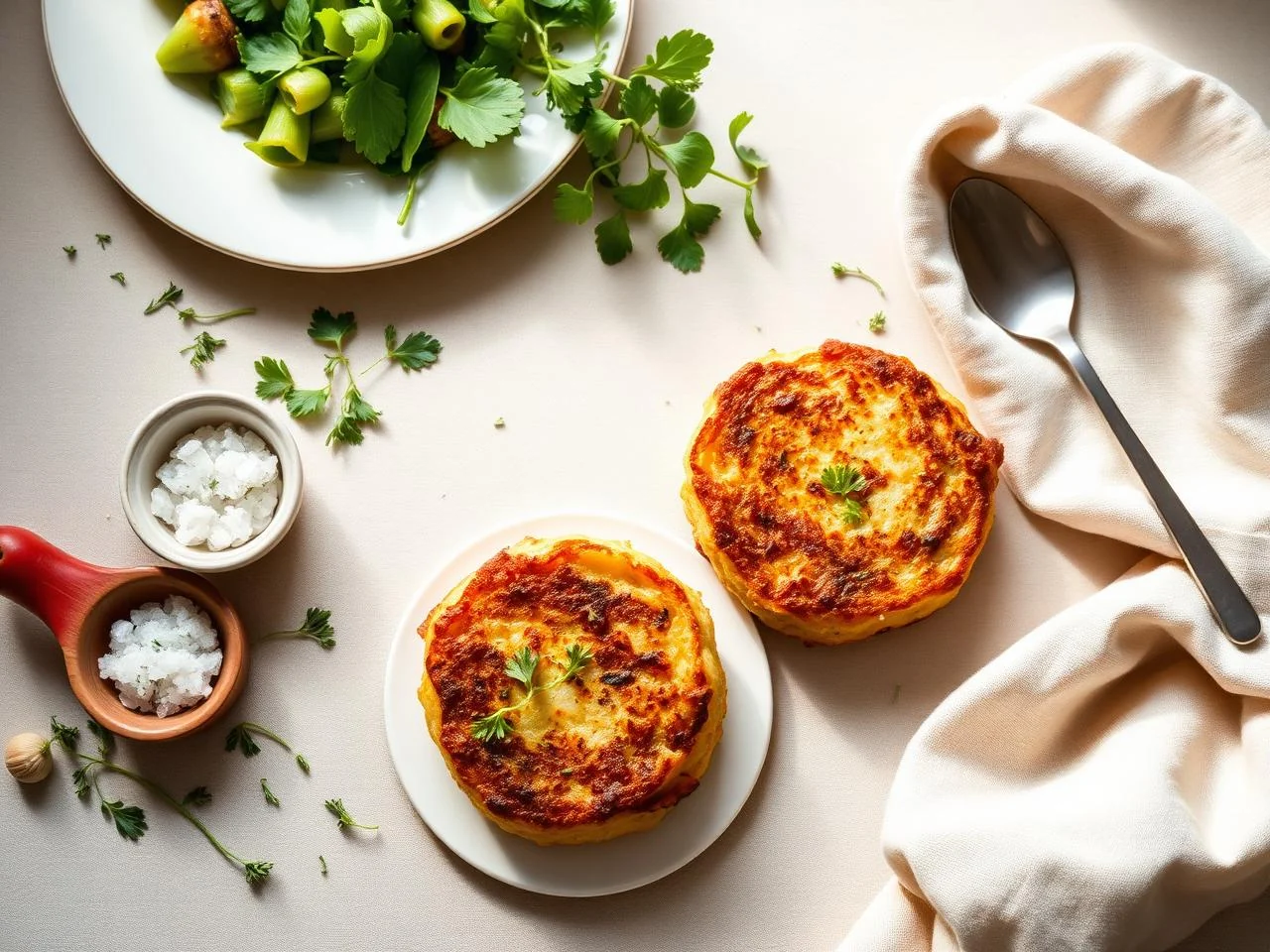
I still remember the first time I made potato cakes from scratch. It was a revelation - the combination of crunchy outside and fluffy inside was like nothing I'd ever tasted before. As a home cook, I've always been fascinated by the art of turning humble ingredients into something truly special. And potato cakes are the perfect example of that.
Over the years, I've perfected my potato cake recipe, experimenting with different ingredients and techniques to get the texture just right. And today, I'm excited to share that recipe with you. Whether you're a seasoned cook or just starting out, these potato cakes are sure to become a favorite.
One of the things I love about potato cakes is their versatility. You can serve them as a side dish, add them to a salad, or even use them as a base for a more substantial meal. And because they're made with just a few simple ingredients, they're easy to customize to your taste.
So what makes these potato cakes so special? For starters, it's all about the quality of the ingredients. I use high-quality potatoes, fresh herbs, and a touch of grated cheese to give them an extra burst of flavor. And then there's the technique - a combination of boiling, mashing, and frying that might seem complicated, but trust me, it's worth it.
In this recipe, I'll walk you through every step of the process, from selecting the right potatoes to serving up the finished cakes. And don't worry if you're new to cooking - I'll explain each technique in detail, so you can feel confident and comfortable in the kitchen.
Why You’ll Love This Recipe
- These potato cakes are incredibly easy to make, requiring just a few simple ingredients and some basic cooking techniques.
- They're perfect for any meal or side dish, and can be customized to your taste with different seasonings and herbs.
- The combination of crunchy outside and fluffy inside is sure to become a favorite, and they're a great way to use up leftover potatoes.
- They're budget-friendly and can be made in large quantities, making them perfect for families or big gatherings.
- They're a great way to get creative in the kitchen and experiment with different flavors and ingredients.
Why This Recipe Works
The key to making great potato cakes is all about texture. You want the outside to be crispy and golden, while the inside remains fluffy and tender. To achieve this, it's essential to use the right type of potatoes - ones that are high in starch, like Russet or Idaho. These potatoes will yield a lighter, airier cake that's less likely to fall apart.
Another crucial factor is the cooking liquid. By using a combination of chicken broth and milk, you'll add moisture and flavor to the potatoes without making them too wet or soggy. And don't forget to add some grated cheese - it will melt beautifully and add an extra layer of flavor to the cakes.
Finally, it's all about the frying technique. By heating the oil to the right temperature and not overcrowding the pan, you'll achieve a crispy exterior that's perfectly golden. And don't be afraid to experiment with different seasonings and herbs - they'll add an extra layer of flavor to the cakes.
Ingredients You’ll Need
When it comes to making potato cakes, the ingredients are just as important as the technique. You'll need a few simple ingredients, including high-quality potatoes, fresh herbs, and some grated cheese. Be sure to choose potatoes that are high in starch, like Russet or Idaho, and don't be afraid to experiment with different herbs and seasonings to find the combination that works best for you.
In addition to the potatoes, you'll need some chicken broth, milk, and butter to add moisture and flavor to the cakes. And don't forget to have some all-purpose flour on hand to help bind the mixture together.
- 2 lbs (900g) Russet potatoes, peeled and chopped into 1-inch (2.5 cm) cubesChoose high-quality potatoes that are high in starch, like Russet or Idaho, for the best results. You can also use other types of potatoes, but they may yield a slightly different texture.
- 1/4 cup (60g) all-purpose flourAll-purpose flour is essential for binding the potato mixture together and helping the cakes hold their shape. You can also use other types of flour, like whole wheat or oat flour, for a slightly different flavor.
- 1/2 cup (120g) grated cheddar cheeseGrated cheese adds an extra layer of flavor to the potato cakes and helps them brown nicely in the pan. You can use other types of cheese, like Parmesan or mozzarella, for a different flavor.
- 1/4 cup (60g) chopped fresh chivesFresh chives add a bright, oniony flavor to the potato cakes and a pop of color to the finished dish. You can also use other herbs, like parsley or dill, for a different flavor.
- 2 cloves garlic, mincedGarlic adds a rich, savory flavor to the potato cakes and helps bring all the ingredients together. You can use more or less garlic to taste, depending on your preference.
- 1/2 teaspoon saltSalt enhances the flavor of the potatoes and helps bring out the other ingredients in the dish. You can use more or less salt to taste, depending on your preference.
- 1/4 teaspoon black pepperBlack pepper adds a subtle, slightly spicy flavor to the potato cakes and helps balance out the other ingredients. You can use more or less pepper to taste, depending on your preference.
- 2 tablespoons (30g) unsalted butter, meltedMelted butter helps bind the potato mixture together and adds a rich, creamy flavor to the cakes. You can use other types of fat, like oil or cream, for a different flavor.
- 1/2 cup (120ml) chicken brothChicken broth adds moisture and flavor to the potato cakes and helps them cook evenly. You can use other types of broth, like vegetable or beef broth, for a different flavor.
- 1/4 cup (60ml) milkMilk adds moisture and a touch of creaminess to the potato cakes and helps them cook evenly. You can use other types of milk, like almond or soy milk, for a non-dairy version.
Equipment You’ll Need
How to Make Potato Cakes
- 1Place the chopped potatoes in a large pot and add enough cold water to cover them. Bring to a boil over high heat, then reduce the heat to medium-low and simmer for 15-20 minutes, or until the potatoes are tender when pierced with a fork.
- 2Drain the potatoes and return them to the pot. Add the melted butter, salt, and pepper, and mash the potatoes with a potato masher or a fork until they're mostly smooth.
- 3Stir in the grated cheese, chopped chives, and minced garlic until they're evenly distributed throughout the potatoes.
- 4Add the flour to the potatoes and stir until it's just combined. Be careful not to overmix the potatoes, or they'll become tough and dense.
- 5Gradually add the chicken broth and milk to the potatoes, stirring until the mixture is smooth and creamy. You may not need to use all of the broth and milk, so add them gradually and be prepared to stop adding liquid when the potatoes reach the right consistency.
- 6Taste the potatoes and adjust the seasoning as needed. You can add more salt, pepper, or garlic to taste, depending on your preference.
- 7Divide the potato mixture into 6-8 portions, depending on how large you want your cakes to be. Shape each portion into a patty, about 1/2 inch (1 cm) thick.
- 8Heat about 1/2 inch (1 cm) of oil in a large skillet over medium-high heat until it reaches 350°F (180°C) on an instant-read thermometer. You can also use a deep fryer if you have one.
- 9Carefully place the potato cakes in the hot oil and fry for 3-4 minutes on each side, or until they're golden brown and crispy. Repeat with the remaining potato cakes.
- 10Remove the potato cakes from the oil and place them on a paper towel-lined plate to drain any excess oil. Serve the cakes hot, garnished with additional chopped chives if desired.
Expert Tips
- Use high-quality potatoes that are high in starch, like Russet or Idaho, for the best results.
- Don't overmix the potato mixture, or the cakes will become tough and dense.
- Add the flour gradually and be prepared to stop adding it when the potatoes reach the right consistency.
- Use a thermometer to ensure the oil reaches the right temperature, and don't overcrowd the pan.
- Don't be afraid to experiment with different seasonings and herbs to find the combination that works best for you.
- Let the potato cakes rest for a few minutes before serving to allow the flavors to meld together.
- You can make the potato cakes ahead of time and refrigerate or freeze them for later use. Simply reheat them in the oven or pan until crispy and hot.
Common Mistakes to Avoid
- Using low-quality potatoes that are too waxy or too starchy, which can affect the texture of the cakes.
- Overmixing the potato mixture, which can make the cakes tough and dense.
- Not using enough oil or not heating it to the right temperature, which can result in greasy or undercooked cakes.
- Not draining the potatoes properly, which can make the cakes too wet or soggy.
- Not shaping the potato cakes correctly, which can affect their texture and appearance.
- Not frying the potato cakes at the right temperature, which can result in cakes that are too dark or too light.
Variations and Substitutions
- Add some diced ham or bacon to the potato mixture for a smoky, savory flavor.
- Use different types of cheese, like Parmesan or mozzarella, for a unique flavor.
- Add some chopped herbs, like parsley or dill, for a fresh, bright flavor.
- Use different types of potatoes, like sweet potatoes or Yukon golds, for a different texture and flavor.
- Add some grated vegetables, like carrots or zucchini, for added flavor and nutrition.
- Use a different type of oil, like avocado oil or grapeseed oil, for a unique flavor and higher smoke point.
What to Serve With Potato Cakes
Potato cakes are a versatile dish that can be served in a variety of ways. You can serve them as a side dish, add them to a salad, or use them as a base for a more substantial meal. They're also a great option for breakfast or brunch, topped with eggs, cheese, and bacon.
Some ideas for serving potato cakes include topping them with sour cream and chives, adding them to a breakfast burrito, or serving them alongside a hearty stew or soup. You can also use them as a base for a vegetarian or vegan meal, topped with roasted vegetables and a tangy sauce.
Make-Ahead, Storage, Freezing and Reheating
Potato cakes can be made ahead of time and refrigerated or frozen for later use. To refrigerate, simply place the cakes in an airtight container and store them in the fridge for up to 3 days. To freeze, place the cakes on a baking sheet lined with parchment paper and freeze until solid, then transfer them to an airtight container or freezer bag for up to 3 months.
To reheat the potato cakes, simply place them in the oven at 400°F (200°C) for about 10-15 minutes, or until crispy and hot. You can also reheat them in a pan on the stovetop, adding a little oil if necessary to prevent sticking.
It's also a good idea to let the potato cakes rest for a few minutes before serving to allow the flavors to meld together. This will help the cakes to retain their texture and flavor, and ensure that they're nice and crispy on the outside and fluffy on the inside.
Frequently Asked Questions
What type of potatoes should I use for potato cakes?
You should use high-quality potatoes that are high in starch, like Russet or Idaho, for the best results. These potatoes will yield a lighter, airier cake that's less likely to fall apart.
Can I make potato cakes ahead of time?
Yes, you can make potato cakes ahead of time and refrigerate or freeze them for later use. Simply reheat them in the oven or pan until crispy and hot.
How do I prevent the potato cakes from becoming too greasy?
To prevent the potato cakes from becoming too greasy, make sure to not overcrowd the pan and to not use too much oil. You can also drain the cakes on paper towels after frying to remove any excess oil.
Can I use different types of cheese in the potato cakes?
Yes, you can use different types of cheese in the potato cakes, such as Parmesan or mozzarella, for a unique flavor.
How do I know when the potato cakes are done?
The potato cakes are done when they're golden brown and crispy on the outside, and fluffy on the inside. You can check for doneness by inserting a fork or knife into the cake - if it slides in easily, the cake is done.
Can I freeze the potato cakes?
Yes, you can freeze the potato cakes for up to 3 months. Simply place them on a baking sheet lined with parchment paper and freeze until solid, then transfer them to an airtight container or freezer bag.
How do I reheat frozen potato cakes?
To reheat frozen potato cakes, simply place them in the oven at 400°F (200°C) for about 10-15 minutes, or until crispy and hot. You can also reheat them in a pan on the stovetop, adding a little oil if necessary to prevent sticking.
Can I make potato cakes in a deep fryer?
Yes, you can make potato cakes in a deep fryer. Simply heat the oil to the right temperature and fry the cakes until they're golden brown and crispy.
Ingredients
- 2 lbs (900g) Russet potatoes, peeled and chopped into 1-inch (2.5 cm) cubes
- 1/4 cup (60g) all-purpose flour
- 1/2 cup (120g) grated cheddar cheese
- 1/4 cup (60g) chopped fresh chives
- 2 cloves garlic, minced
- 1/2 teaspoon salt
- 1/4 teaspoon black pepper
- 2 tablespoons (30g) unsalted butter, melted
- 1/2 cup (120ml) chicken broth
- 1/4 cup (60ml) milk
Instructions
- Place the chopped potatoes in a large pot and add enough cold water to cover them. Bring to a boil over high heat, then reduce the heat to medium-low and simmer for 15-20 minutes, or until the potatoes are tender when pierced with a fork.
- Drain the potatoes and return them to the pot. Add the melted butter, salt, and pepper, and mash the potatoes with a potato masher or a fork until they're mostly smooth.
- Stir in the grated cheese, chopped chives, and minced garlic until they're evenly distributed throughout the potatoes.
- Add the flour to the potatoes and stir until it's just combined. Be careful not to overmix the potatoes, or they'll become tough and dense.
- Gradually add the chicken broth and milk to the potatoes, stirring until the mixture is smooth and creamy. You may not need to use all of the broth and milk, so add them gradually and be prepared to stop adding liquid when the potatoes reach the right consistency.
- Taste the potatoes and adjust the seasoning as needed. You can add more salt, pepper, or garlic to taste, depending on your preference.
- Divide the potato mixture into 6-8 portions, depending on how large you want your cakes to be. Shape each portion into a patty, about 1/2 inch (1 cm) thick.
- Heat about 1/2 inch (1 cm) of oil in a large skillet over medium-high heat until it reaches 350°F (180°C) on an instant-read thermometer. You can also use a deep fryer if you have one.
- Carefully place the potato cakes in the hot oil and fry for 3-4 minutes on each side, or until they're golden brown and crispy. Repeat with the remaining potato cakes.
- Remove the potato cakes from the oil and place them on a paper towel-lined plate to drain any excess oil. Serve the cakes hot, garnished with additional chopped chives if desired.