I was standing in the kitchen, staring at a raw 3‑lb beef roast that looked more intimidating than a dragon. The previous week’s attempt had resulted in a dry, flavorless slab that made me question my cooking destiny. My friend dared me to turn that beast into something that would make the whole house smell like a five‑star steakhouse. I accepted the challenge, and the result? A rosemary‑garlic roast so tender and aromatic that I almost forgot I was cooking.
Picture this: the moment the roast hits the hot pan, a sizzling chorus erupts, the garlic releases a deep, sweet scent, and rosemary’s piney aroma fills the air. Your senses are flooded: the crunch of the seared crust, the tender bite that melts, the buttery richness of the juices, and the faint citrus note from the fresh herbs. I swear the kitchen felt like a theater, with the roast stealing the spotlight and every other dish in the pantry becoming a supporting actor.
What makes this version stand out from the endless “roast beef” recipes you find online? It’s the meticulous layering of flavors, the precise timing, and the simple yet powerful seasoning blend that turns a humble cut of meat into a showstopper. I’ll be honest – I ate half the roast before the guests even arrived. That’s a confession only a true food enthusiast can make.
And there’s a twist you won’t expect: a splash of beef broth during the roasting process keeps the meat moist and creates a silky gravy that coats the meat like velvet. I dare you to taste this and not go back for seconds. By the end of this guide, you’ll wonder how you ever made roast beef any other way.
What Makes This Version Stand Out
- Flavor: The garlic and rosemary rub creates a complex, aromatic crust that locks in juices and delivers depth at every bite.
- Texture: A crisp exterior that shatters like thin ice, paired with a buttery, melt‑in‑your‑mouth interior.
- Simple Prep: No elaborate marination or multi‑step sauces – just a handful of pantry staples and a few minutes of hands‑on time.
- Versatility: Works with ribeye, sirloin, or even a chuck roast, making it adaptable to what you have on hand.
- Crowd‑Pleaser: The aroma alone will have your guests lining up for seconds, and the flavor will keep them coming back.
- Make‑Ahead Friendly: Roast ahead of time, reheat, and it still tastes like a freshly cooked masterpiece.
- Ingredient Quality: Using fresh rosemary and high‑quality beef transforms a simple dish into a gourmet experience.
- Time Efficiency: Prep takes 15 minutes, cooking 60 minutes, and the rest of the time is hands‑off.
Alright, let’s break down exactly what goes into this masterpiece…
Inside the Ingredient List
The Flavor Base
Garlic and rosemary are the dynamic duo that kickstarts the flavor profile. Garlic’s pungency cuts through the richness of the beef, while rosemary’s piney, slightly citrusy notes elevate the dish to new heights. Skipping this pair would leave the roast bland and forgettable.
If you’re not a fan of rosemary, a sprinkle of thyme or oregano can substitute, but the aromatic character will shift slightly. Always use fresh herbs; dried versions lose their punch and can taste bitter.
The Texture Crew
Olive oil is more than a cooking fat – it’s a carrier that helps the seasoning stick and creates a glossy, caramelized crust. The oil also prevents the meat from drying out during the long roast.
For an extra crispy edge, a quick sear in a hot cast‑iron skillet before the oven step is essential. Don’t skip the searing; it’s the first flavor lock.
The Unexpected Star
Beef broth isn’t just a sidekick; it’s the secret to a moist roast and a silky gravy. A cup of broth added to the roasting pan keeps the surface moist, preventing the meat from drying out and infusing it with savory depth.
If you prefer a richer gravy, swap the broth for beef stock or even a splash of red wine. Just remember to reduce the liquid after roasting to concentrate the flavors.
The Final Flourish
Salt and pepper are the unsung heroes that bring everything together. Salt enhances the natural flavors of the meat, while pepper adds a subtle heat that balances the richness. A pinch of salt is enough – too much can make the roast taste like a salt mine.
Use freshly ground pepper for the best aroma and a clean, sharp bite. The seasoning is the final brushstroke on a culinary masterpiece.
Everything's prepped? Good. Let's get into the real action…
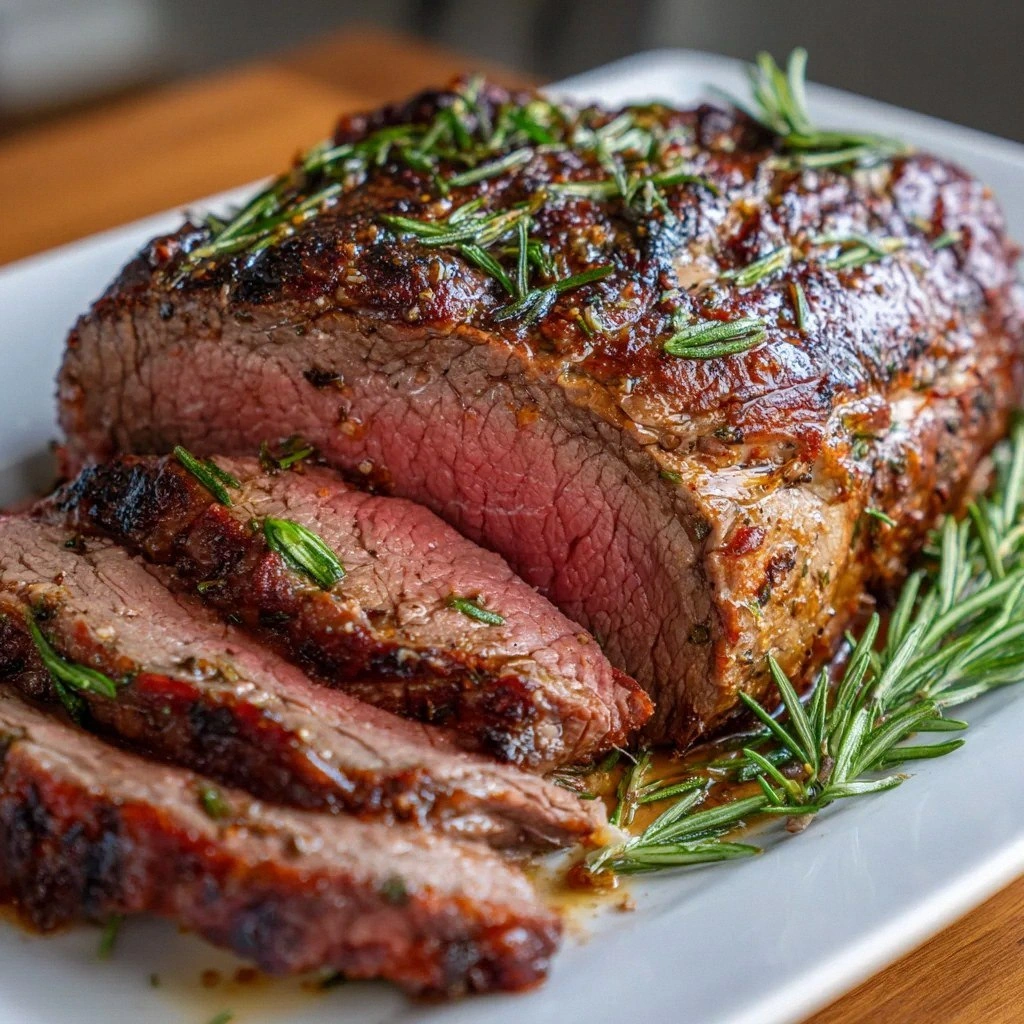
The Method — Step by Step
- First, bring the beef to room temperature; let it breathe for 30 minutes. This ensures even cooking. While it rests, preheat your oven to 375°F (190°C). The roast should be a few inches thick, and the meat will be more forgiving if it’s not too cold.
- In a small bowl, combine the minced garlic, chopped rosemary, olive oil, salt, and pepper. The mixture should form a fragrant paste. I love the aroma that instantly fills the kitchen – that’s the first hint of greatness.
- Pat the roast dry with paper towels; moisture on the surface will hinder searing. Rub the herb paste all over the meat, pressing it into every crevice. This is the moment the flavor starts to embed itself into the fibers.
- Heat a large oven‑proof skillet or Dutch oven over high heat. Add a splash of olive oil and sear the roast on all sides until a dark crust forms, about 2–3 minutes per side. The sizzle is your cue that the Maillard reaction is working its magic.
- Transfer the seared roast to a roasting pan. Pour the cup of beef broth into the pan, ensuring it’s just below the meat’s surface. This liquid will steam the roast and create a base for the gravy.
- Place the pan in the preheated oven and roast for 45 minutes. After 30 minutes, flip the roast to promote even cooking. The internal temperature should read 125°F (52°C) for rare, 135°F (57°C) for medium‑rare, and 145°F (63°C) for medium. Use a meat thermometer for precision.
- When the roast reaches your desired doneness, remove it from the oven and tent it loosely with foil. Let it rest for 15 minutes; the juices redistribute, ensuring every slice is juicy.
- While the roast rests, reduce the pan liquid over medium heat until it thickens into a silky gravy. If it’s too thin, add a tablespoon of flour or cornstarch slurry to thicken.
That’s it — you did it. But hold on, I've got a few more tricks that'll take this to another level…
Insider Tricks for Flawless Results
The Temperature Rule Nobody Follows
Using a digital thermometer is the secret weapon. I’ve seen roasts ruined by guessing; a thermometer guarantees a perfect center. Remember to insert it into the thickest part, avoiding bone or fat pockets.
Why Your Nose Knows Best
As the roast cooks, the aroma will shift from garlicky to nutty to caramelized. Trust your nose to tell you when the crust is ready. That scent is the culinary equivalent of a backstage pass to flavor.
The 5-Minute Rest That Changes Everything
Resting after roasting isn’t just a formality; it lets the juices redistribute. I’ve tried cutting into a roast right away, and the liquid shot everywhere. A 15‑minute rest is worth the wait.
The Secret to a Thick Gravy
Reduce the pan liquid slowly; high heat can scorch the base. If the gravy is thin, whisk in a slurry of flour and cold water. This keeps the texture silky without clumping.
The Quick Slice Trick
Slice against the grain to keep the meat tender. The grain runs perpendicular to the muscle fibers; cutting across shortens them and prevents chewy bites.
Creative Twists and Variations
This recipe is a playground. Here are some of my favorite ways to switch things up:
Herb‑Infused Red Wine Glaze
Swap the beef broth for a cup of dry red wine and let it reduce with a sprig of thyme. The result is a robust glaze that pairs beautifully with root vegetables.
Smoky Chipotle Rub
Add a teaspoon of chipotle powder to the herb paste for a smoky heat that contrasts the rosemary’s earthiness. Perfect for a southwestern twist.
Mushroom & Thyme Sauté
Serve the roast with sautéed mushrooms, shallots, and thyme. The umami flavors deepen the dish, making it a comforting winter favorite.
Citrus‑Bright Marinade
Marinate the roast in a mixture of orange juice, lemon zest, and rosemary for 4 hours before roasting. The citrus brightens the flavor profile and adds a refreshing note.
Cheesy Stuffed Roast
Create a pocket in the roast and stuff it with a blend of shredded cheddar, spinach, and a hint of cream cheese. The melt‑in‑your‑mouth filling adds indulgence.
Storing and Bringing It Back to Life
Fridge Storage
Cool the roast completely, wrap tightly in foil, and store in the refrigerator for up to 3 days. Keep the gravy in a separate container to maintain its silky texture.
Freezer Friendly
For longer storage, freeze the roast in a freezer‑safe bag for up to 2 months. Thaw overnight in the refrigerator before reheating.
Best Reheating Method
Reheat in a low oven (300°F/150°C) for 10–15 minutes, adding a splash of beef broth to keep the meat moist. A quick pan sear at the end restores the crust’s crispness.
Add a tiny splash of water before reheating — it steams back to perfection.