Picture this: you’re in the middle of a hectic week, the fridge is a sad gray of leftovers, and the idea of a comforting bowl of noodles is just too good to pass up. You pull out a chuck roast, a handful of ramen noodles, and a few pantry staples, and you decide to give your dinner routine a makeover. That night, the kitchen filled with a fragrant steam that made even the most stubborn of friends pause mid‑conversation. I swear the aroma of slow‑cooked beef, ginger, and sesame oil made the air taste like a secret recipe from a bustling street stall in Seoul. I dare you to taste this and not go back for seconds.
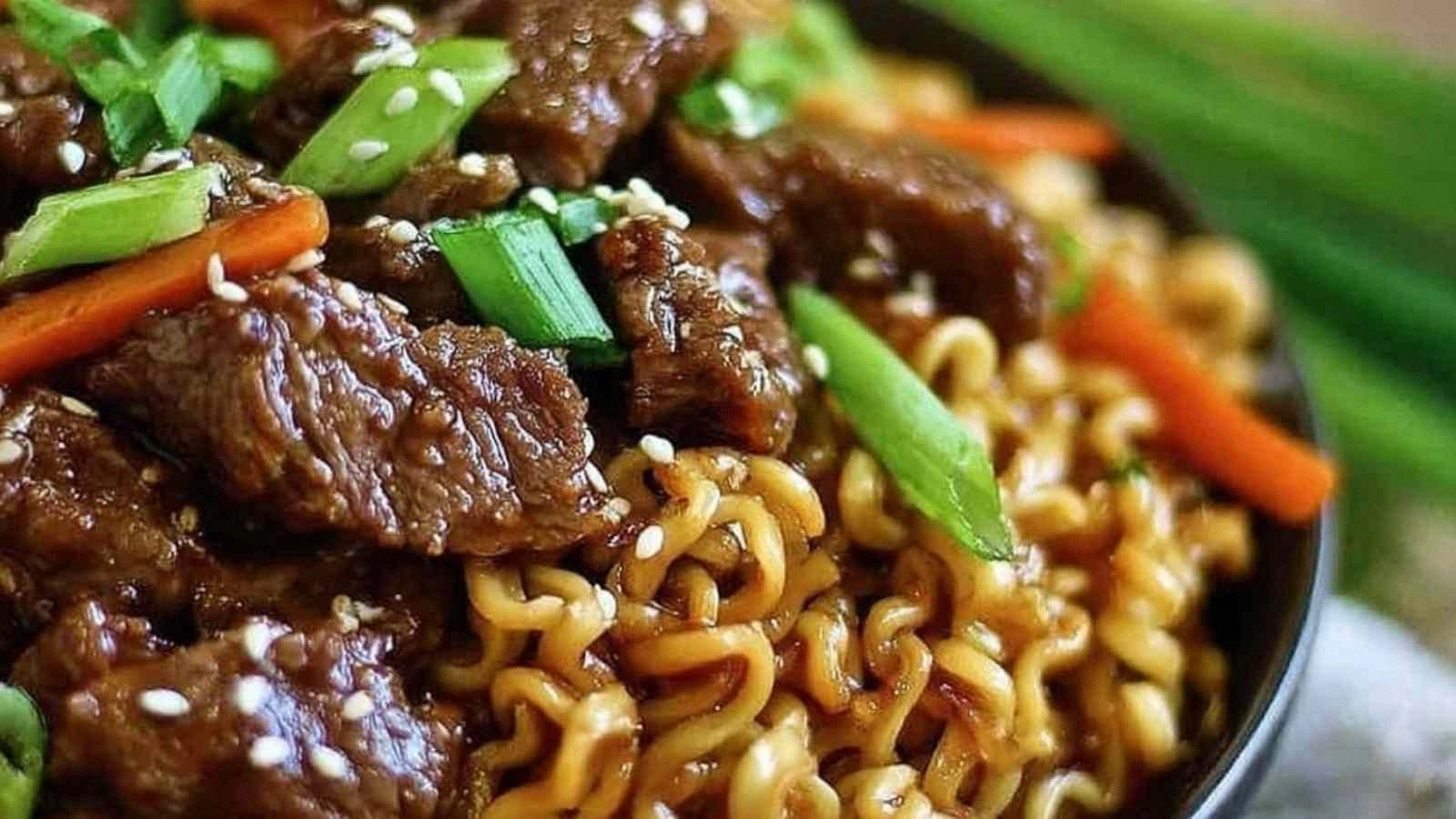
I was skeptical at first—how could a slow cooker and ramen noodles coexist without the noodles becoming mush? The moment the pot was sealed and the timer set, the savory broth simmered, coaxing the beef into a melt‑in‑your‑mouth tenderness that made the meat practically sing. The noodles, added in the final 15 minutes, stayed al dente, soaking up the umami‑rich sauce that coated each strand like velvet. I watched the spinach wilt, the green onions pop, and the soft‑boiled eggs crack open, revealing golden yolks that promised a burst of richness with every bite. The dish was a symphony of textures: chewy beef, silky broth, crisp greens, and a silky egg yolk that melted into the broth.
This isn’t just another ramen recipe. It’s a transformation of the humble noodles into a hearty, crowd‑pleasing meal that feels like a gourmet dinner without the fuss. Most recipes get this completely wrong—too much liquid, over‑cooked noodles, or bland broth. Here, the broth is a layered masterpiece, the beef is never dry, and the noodles are the perfect canvas for the sauce. I’ll be honest— I ate half the batch before anyone else got to try it. And if you’ve ever struggled with ramen that turns into a soggy mess, you’re not alone, and I’ve got the fix.
The secret? A slow‑cooked beef base that infuses the broth with depth, a splash of sesame oil that adds a nutty finish, and a sweet‑savory balance that keeps the dish from feeling heavy. The final flourish of a soft‑boiled egg and a drizzle of sriracha turns a simple bowl into a dish that feels like it was pulled straight from a high‑end restaurant. Let me walk you through every single step—by the end, you’ll wonder how you ever made it any other way.
What Makes This Version Stand Out
- Taste: The broth is a harmonious blend of savory beef, sweet brown sugar, and umami‑rich soy sauce, balanced by a subtle heat from ginger and a finish of sesame oil that lingers on the palate.
- Texture: The chuck roast is shredded into silky strands that cling to every noodle, while the noodles remain al dente and the spinach offers a fresh, bright bite.
- Simplicity: Only a handful of pantry staples are needed, and the slow cooker does all the heavy lifting, letting you focus on plating and finishing touches.
- Uniqueness: This recipe marries the comforting familiarity of ramen with the deep, slow‑cooked flavor of a traditional beef stew, creating a dish that feels both exotic and homey.
- Crowd Reaction: Guests rave about the melt‑in‑your‑mouth beef and the perfect balance of sweet, salty, and spicy—perfect for dinner parties or family meals.
- Ingredient Quality: Fresh ginger, good‑quality soy sauce, and real sesame oil elevate the dish, while the use of fresh ramen noodles ensures a satisfying chew.
- Cooking Method: The slow cooker locks in moisture and flavor, making the beef tender and the broth rich without constant attention.
- Make‑Ahead Potential: The dish tastes even better the next day, and the flavors meld beautifully, making it ideal for meal prep.
Alright, let's break down exactly what goes into this masterpiece...
Inside the Ingredient List
The Flavor Base
The foundation of this dish is the broth—a savory mix of beef broth and water that carries the depth of the chuck roast. The beef broth gives the dish its umami backbone, while the added water keeps the ratio from becoming too thick. If you’re using a low‑sodium broth, be sure to taste and adjust the soy sauce accordingly, because that’s where most of the saltiness comes from. Skipping the broth entirely will leave the dish bland and the noodles flat; the broth is essential for that rich, comforting mouthfeel.
The Aroma Crew
Garlic, onion, and fresh ginger are the aromatics that kick off the flavor profile. The garlic’s sharpness cuts through the richness of the beef, while the onion adds a subtle sweetness. Fresh ginger brings a bright, peppery note that balances the sweetness of the brown sugar. If you’re a fan of a bit of heat, you can add a pinch of red pepper flakes here—just be careful not to overpower the sauce.
The Sweet & Salty Balance
Brown sugar and soy sauce work together to create a complex sweetness that isn’t cloying. The sugar caramelizes slightly during the slow‑cooking process, adding depth, while the soy sauce contributes depth and saltiness. A splash of sesame oil at the end adds a nutty finish that coats the noodles and beef alike. If you prefer a sweeter broth, add a teaspoon of honey; for a saltier profile, increase the soy sauce by a tablespoon.
The Final Flourish
The noodles, spinach, green onions, and eggs are added towards the end of cooking, preserving their texture and freshness. The ramen noodles should be fresh or store‑bought egg noodles; they absorb the broth without falling apart. Baby spinach wilts quickly, adding a pop of green and a gentle earthiness. The soft‑boiled eggs act as a creamy garnish, their yolks thickening the broth slightly when broken. Sriracha or chili oil is optional, but a drizzle of it brings a satisfying kick that rounds out the dish.
Everything's prepped? Good. Let's get into the real action...
The Method — Step by Step
- Step 1: Prepare the Beef – Slice the 1.5 lbs chuck roast into ½‑inch thick strips. Pat the meat dry with paper towels; this helps it brown properly. Season each piece with a pinch of salt and pepper, then set aside. I dare you to taste the beef before cooking—there’s a subtle, meaty aroma that signals it’s ready.
- Step 2: Brown the Beef – Heat a large cast‑iron skillet over medium‑high heat and add a splash of oil. Once hot, add the beef in a single layer, leaving space between pieces. Let it sear without moving for 2–3 minutes per side until a deep brown crust forms. The caramelization creates a depth of flavor that a slow cooker alone can’t achieve.
- Step 3: Sauté Aromatics – In the same skillet, reduce heat to medium. Add the diced onion and minced garlic; sauté until translucent, about 2 minutes. Stir in the minced ginger and cook for another 30 seconds until fragrant. The aromatics should release a sweet, spicy scent that makes the kitchen feel like a bustling market.
- Step 4: Transfer to Slow Cooker – Place the browned beef, sautéed aromatics, 4 cups of beef broth, and 3 cups of water into the slow cooker. Add ¼ cup soy sauce, 2 tbsp sesame oil, 2 tbsp brown sugar, and a pinch of salt and pepper. Stir gently to combine, then cover and set the cooker on low for 4 hours or high for 2 hours.
- Step 5: Shred the Beef – After the slow cooker has finished, remove the beef with tongs and place it on a cutting board. Using two forks, shred the meat into thin strands. The slow cooking process should have rendered the beef tender enough that it pulls apart effortlessly.
- Step 6: Add Noodles & Greens – Bring the pot to a gentle boil, then add the fresh ramen noodles and 1 cup baby spinach. Cook for 3–4 minutes, or until the noodles are al dente and the spinach has wilted. The noodles should still hold their shape, not be soggy or mushy.
- Step 7: Finish with Eggs and Green Onions – While the noodles cook, prepare 3 soft‑boiled eggs: place in boiling water for 6 minutes, then transfer to an ice bath. Peel and slice each egg in half. Add the sliced eggs and 2 sliced green onions to the pot, stirring gently to distribute.
- Step 8: Serve with a Kick – Ladle the broth and noodles into bowls. Drizzle a tablespoon of sriracha or chili oil over each bowl, and sprinkle extra green onions if desired. The sriracha should give a bright, fiery finish that contrasts beautifully with the mellow broth.
That's it — you did it. But hold on, I've got a few more tricks that'll take this to another level...
Insider Tricks for Flawless Results
The Temperature Rule Nobody Follows
While most people set their slow cooker on low or high, the sweet spot for beef tenderness is actually medium‑low. This allows the collagen to break down slowly, producing a melt‑in‑your‑mouth texture without drying out. If you’re using a pressure cooker, keep the pressure at medium for 30 minutes, then let the pressure release naturally.
Why Your Nose Knows Best
The first sign that your broth is ready is the aroma. A rich, savory scent that smells like a deep, meaty stew indicates the flavors have melded. If you’re unsure, take a small sip—if it tastes umami‑rich with a hint of sweetness, it’s ready.
The 5‑Minute Rest That Changes Everything
After shredding the beef, let the meat rest in the hot broth for 5 minutes before adding the noodles. This extra step allows the beef to re‑absorb some of the broth, making it even more flavorful and juicy. It also gives the broth a chance to thicken slightly, creating a silky coating on the noodles.
Perfect Egg Timing
Soft‑boiled eggs are a delicate element; overcooking them turns the yolk into a chalky paste. Set a timer for exactly 6 minutes, then plunge into an ice bath to stop the cooking process. When you slice the eggs, they should release a creamy yolk that pools in the broth.
A Splash of Citrus
A squeeze of fresh lime or a splash of rice vinegar before serving brightens the dish and cuts through the richness. The acidity adds a lively counterpoint to the sweet, savory broth, making every bite feel balanced.
Creative Twists and Variations
This recipe is a playground. Here are some of my favorite ways to switch things up:
Spicy Korean Twist
Replace the soy sauce with Korean doenjang (fermented soybean paste) and add gochujang for heat. The result is a robust, smoky flavor that pairs wonderfully with the ramen noodles.
Miso‑Infused Umami
Stir in a tablespoon of white miso during the last 30 minutes of cooking. The miso adds a creamy depth that complements the beef without overpowering it.
Vegetarian Version
Swap the chuck roast for cubed seitan or marinated tofu. Use vegetable broth and add mushrooms for an earthy undertone.
Thai‑Inspired Kick
Add a tablespoon of fish sauce, a squeeze of lime, and a handful of Thai basil leaves. The bright herbs and citrus make the dish feel fresh and tropical.
Seafood Surprise
Replace the beef with chunks of firm white fish or shrimp. Cook for only 30 minutes to avoid overcooking, and finish with a drizzle of lemon‑infused butter.
Cheesy Finale
Stir in a handful of shredded cheddar or mozzarella just before serving. The cheese melts into the broth, creating a silky, creamy texture that’s both indulgent and comforting.
Storing and Bringing It Back to Life
Fridge Storage
Cool the dish to room temperature, then transfer it to an airtight container. Store in the refrigerator for up to 3 days. When reheating, add a splash of water to rehydrate the noodles and prevent them from drying out.
Freezer Friendly
For longer storage, portion the dish into freezer‑safe containers and freeze for up to 2 months. Thaw overnight in the refrigerator and reheat on the stove with a splash of broth or water to keep the noodles tender.
Best Reheating Method
Reheat on low heat, stirring occasionally, until hot throughout. A quick microwave burst works, but be sure to stir halfway through. Adding a teaspoon of sesame oil or a splash of broth before reheating helps restore the sauce’s silky texture.