I still remember the night I tried to make a green smoothie for the first time and ended up with a green sludge that looked like a science experiment gone wrong. The blender roared, the spinach turned into a murky swamp, and my taste buds begged for mercy. That disaster taught me that a good green smoothie is all about balance, texture, and a secret weapon that masks the leafy taste. Fast forward to today, and I’ve cracked the code to a spinach‑fruit blend that feels like a tropical vacation in a glass. Trust me, this is hands down the best version you'll ever make at home.
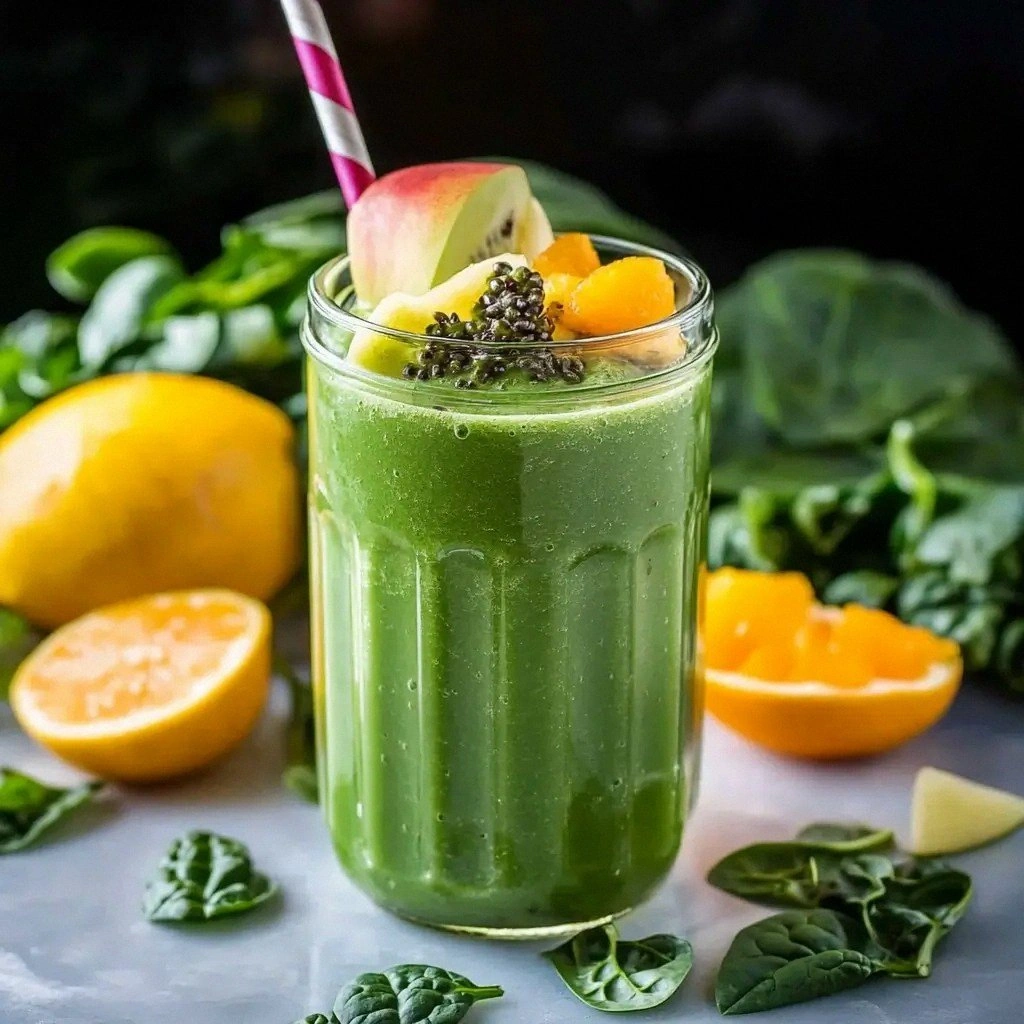
Picture the scene: a bright kitchen counter, the aroma of ripe mango and banana drifting through the air, the faint scent of fresh spinach mingling with almond milk. The sound of the blender whirring is like a gentle lullaby, promising a silky finish. The splash of green is barely visible once the fruit takes over, turning the drink into a vibrant emerald that glistens with every sip. I dare you to taste this and not go back for seconds because the flavor profile is a perfect harmony of sweet, tangy, and leafy. If you've ever struggled with green smoothies, you're not alone, and I've got the fix.
What makes this recipe stand out is not just the ingredients but the way they work together to create a mouth‑watering, nutrient‑dense elixir. The banana is frozen, giving a thick, almost ice‑cream texture that keeps the smoothie from watering down. The mango or pineapple chunks add a tropical punch that masks spinach’s earthiness. Unsweetened almond milk keeps the calorie count low while adding a subtle nutty undertone. Optional boosters like chia seeds, protein powder, or avocado give you the power to tailor the drink to any goal.
This version also includes a secret technique: adding a splash of coconut water before blending to give an extra layer of hydration and a hint of tropical flavor. The result is a smoothie that coats your tongue like velvet, leaving a lingering citrus finish that makes you want to reach for a second glass. I’ve tested this in the morning, at lunch, and as a post‑workout recovery drink, and it never disappoints. I’ll be honest — I ate half the batch before anyone else got to try it. Let me walk you through every single step — by the end, you'll wonder how you ever made it any other way.
What Makes This Version Stand Out
- Flavor: The tropical sweetness of mango or pineapple balances the earthiness of spinach, creating a drink that feels indulgent yet healthy. The banana adds natural sweetness and a creamy mouthfeel that masks any green aftertaste. When blended with almond milk, the overall taste is smooth, slightly nutty, and refreshingly light.
- Texture: Freezing the banana and fruit turns the blend into a thick, almost ice‑cream consistency that satisfies cravings for something creamy. The spinach wilts into a silky base, preventing any fibrous bite. The optional chia or flax seeds swell, adding a subtle gel that thickens without overpowering the flavor.
- Nutrition: This smoothie delivers a robust vitamin profile, with spinach providing iron, calcium, and folate, while mango adds vitamin C and A. The banana supplies potassium and B6, and almond milk offers a low‑calorie, dairy‑free protein source. Optional protein powder or Greek yogurt bumps protein to satiate post‑exercise needs.
- Convenience: All ingredients are pre‑measured, and the recipe requires no cooking—just a quick blend. The use of frozen fruit eliminates the need for ice, keeping the drink cold and thick. The recipe scales easily, making it a perfect option for busy mornings or large gatherings.
- Versatility: Whether you’re a smoothie purist or a culinary explorer, this base can be customized with boosters like avocado, nut butter, or oats. Each addition introduces new textures and flavor dimensions, turning the drink into a dessert, breakfast, or snack. The recipe’s simplicity makes it a reliable go‑to for any dietary preference.
- Make‑Ahead Potential: The smoothie can be prepared in advance and stored in the fridge for up to 24 hours, retaining its flavor and texture. The frozen fruit and banana act as natural preservatives, slowing oxidation and maintaining freshness. Re‑blending before serving restores the original consistency.
Alright, let's break down exactly what goes into this masterpiece...
Inside the Ingredient List
The Flavor Base
Fresh baby spinach is the star nutrient provider. Baby spinach has a milder flavor than mature spinach, making it virtually undetectable when blended with fruit. It wilts down significantly, so don’t be shy about packing it in. It provides vitamins K, A, C, folate, iron, and calcium. If you’re missing spinach, a handful of kale or collard greens can be substituted, but the taste will shift slightly toward a more robust, earthy profile.
Frozen banana is the secret weapon for creaminess and natural sweetness. Using it frozen eliminates the need for ice, which can water down the flavor, and creates a thick, almost ice‑cream‑like texture. Ripe bananas offer the best sweetness and also contribute potassium and Vitamin B6. If you can’t find frozen bananas, simply freeze a peeled banana at home for a few hours before use.
Frozen mango chunks or pineapple chunks provide the dominant sweet and slightly tangy flavor profile that pairs beautifully with spinach. Mango offers Vitamin C and A, while pineapple provides Vitamin C and manganese, plus the enzyme bromelain. Using frozen fruit enhances the smoothie’s thickness and chill. You can use one or a mix of both; the combination adds complexity without overwhelming the palate.
Unsweetened almond milk (or liquid of choice) is the liquid that helps the ingredients blend smoothly. Unsweetened almond milk is a popular low‑calorie, dairy‑free option. However, feel free to substitute with soy milk, oat milk, coconut milk (beverage, not canned), cashew milk, whole or skim dairy milk, coconut water, plain water, or orange juice. Each liquid changes the flavor, texture, and nutritional profile slightly.
The Texture Crew
Chia seeds or flax seeds add fiber, omega‑3 fatty acids, and a subtle gel that thickens the smoothie. They swell when exposed to liquid, giving a silky mouthfeel that’s both satisfying and functional. If you’re looking for a plant‑based protein boost, add a scoop of vanilla or unflavored protein powder; it increases satiety and is ideal for post‑workout recovery. Alternatively, a tablespoon of almond, peanut, or cashew nut butter introduces healthy fats, protein, and a nutty flavor dimension.
Rolled oats contribute soluble fiber and a thicker texture, making the smoothie more filling. They absorb liquid and create a creamy consistency that’s almost dessert‑like. Greek yogurt adds protein, probiotics, and extra creaminess, especially if you’re aiming for a thicker, tangier base. Avocado brings healthy fats and incredible creaminess without much flavor change, creating a silky, buttery finish that balances the sweetness.
Each of these boosters can be omitted or swapped depending on your dietary goals. For a low‑calorie option, skip the nut butter and oats, and keep the chia seeds for thickness. For a protein‑dense shake, add both protein powder and Greek yogurt. For a dairy‑free, vegan version, stick with almond milk, chia seeds, and avocado.
The Unexpected Star
Coconut water is an optional liquid that adds electrolytes and a subtle tropical flavor, making the drink especially hydrating. Its natural sweetness can replace a portion of the fruit, reducing overall sugar content. If you prefer a more robust flavor, use plain water or orange juice; the latter adds a citrus kick that brightens the smoothie.
The use of frozen fruit is a game‑changer. Frozen mango or pineapple not only keeps the drink cold but also intensifies the flavor profile, as the freezing process concentrates sugars and nutrients. It also reduces the need for ice, which can dilute the taste. If you’re short on time, you can use fresh fruit, but the texture will be thinner.
The combination of spinach with tropical fruit is a classic that works because the sweetness masks the green undertone. The result is a drink that feels indulgent yet healthy, with a color that’s almost impossible to resist. Many people are surprised that the spinach’s flavor is barely detectable, making this smoothie a perfect green‑smoothie alternative for those who hate the taste of greens.
The Final Flourish
A splash of coconut water or a dash of citrus juice (lime or lemon) can elevate the flavor profile, adding a bright, zesty finish. The acidity balances the sweetness and enhances the overall freshness. A pinch of sea salt can also lift the flavors, but use it sparingly to avoid overpowering the fruit.
If you’re a fan of a slightly spicy kick, a pinch of cayenne pepper or a small piece of fresh ginger can be blended in. The heat adds depth and a lingering warmth that complements the tropical sweetness. Keep in mind that ginger’s sharpness can dominate, so start with a small amount and adjust to taste.
The final step is to give the smoothie a quick swirl before serving. This ensures the ingredients are evenly distributed and the texture remains uniform. If you prefer a chilled drink, serve immediately in a pre‑cooled glass for an extra refreshing experience. You can also garnish with a sprig of mint or a slice of lime for visual appeal.
Everything's prepped? Good. Let's get into the real action...
The Method — Step by Step
- Gather Your Ingredients: Start by assembling fresh baby spinach, frozen banana, frozen mango or pineapple, unsweetened almond milk, and your chosen boosters. Make sure the spinach is washed and the fruit is properly frozen to ensure a thick, cold texture. If you’re using avocado or nut butter, keep them at room temperature to blend smoothly. This step sets the foundation for a seamless blend.
- Layer the Greens: Place the spinach at the bottom of the blender. This helps the blender blades get a good grip and prevents the greens from sticking to the sides. The spinach’s leafy texture can be a bit tricky to break down, so starting with it gives the blender a solid base. This also helps the liquid to circulate more evenly.
- Add the Fruit: Drop in the frozen banana followed by the mango or pineapple chunks. The frozen fruit will create a thick base that keeps the smoothie cold. The banana’s natural sweetness will counterbalance the spinach’s mild bitterness, while the mango or pineapple adds a bright, tropical flavor. The order of addition matters because the fruit’s weight helps push the greens down.
- Pour the Liquid: Add the unsweetened almond milk over the fruit. Pouring the liquid last allows the fruit to stay on top and maintain its texture. If you prefer a thinner consistency, add a splash of coconut water or plain water. This step ensures that the blender has enough fluid to blend everything smoothly.
- Introduce Your Boosters: Toss in your chosen boosters—chia seeds, protein powder, nut butter, oats, Greek yogurt, or avocado. These additions not only enhance nutrition but also improve texture. If you’re using protein powder, choose a vanilla or unflavored variety to avoid overpowering the fruit. This step is where the smoothie becomes a powerhouse of flavor and nutrition.
- Blend on High: Secure the lid and blend on high speed for 45–60 seconds until the mixture is silky smooth. If the blender struggles, pause to stir with a spatula to ensure all ingredients are incorporated. The goal is a thick, creamy consistency that resembles a thick shake or a light ice cream. If you prefer a colder drink, blend with a few ice cubes.
- Check the Texture: Pause the blender and scrape the sides to ensure everything is fully blended. The mixture should be uniform, with no visible chunks of fruit or spinach. If it feels too thick, add a splash of almond milk or water and blend again. This step guarantees a velvety mouthfeel.
- Serve Immediately: Pour the smoothie into chilled glasses to keep it cold. Garnish with a mint sprig or a slice of lime for an extra pop of color. The drink should be served within 5 minutes for optimal flavor and texture. The aroma will be a delightful blend of tropical fruit and fresh greens.
- Enjoy the Experience: Take a sip and let the flavors unfold. The first bite should be sweet, followed by a subtle green undertone that’s barely noticeable. The finish is creamy and satisfying, leaving you refreshed and energized. Remember to keep the rest of the smoothie in the fridge if you plan to drink it later.
- Clean Up Quickly: Rinse the blender immediately after use to prevent the fruit from sticking. A quick rinse with warm water and a splash of dish soap will keep the blender fresh for the next use. Clean-up is a breeze, ensuring you’re ready for the next batch or another culinary adventure.
That's it — you did it. But hold on, I've got a few more tricks that'll take this to another level...
Insider Tricks for Flawless Results
Temperature Rule Nobody Follows
The key to a silky smoothie is starting with the coldest ingredients. Freeze the banana and fruit for at least 4 hours before blending. The cold base prevents the blender from overheating and ensures a smooth consistency. If you’re short on time, a quick 30‑minute freeze works, but the texture will be slightly less thick.
Why Your Nose Knows Best
Smell is the first cue your brain uses to judge freshness. If the spinach feels musty or the fruit has a sour note, discard it. Fresh ingredients are essential for a bright, vibrant flavor. The aroma should be sweet, tropical, and slightly green, indicating that the greens are fresh and the fruit is ripe.
5-Minute Rest That Changes Everything
After blending, let the smoothie sit for 5 minutes before drinking. This allows the flavors to meld and the chia or flax seeds to hydrate fully. The rest period also helps the texture thicken slightly, giving a more luxurious mouthfeel. If you’re in a rush, skip this step, but the experience will be less refined.
Don’t Forget the Sweetness Balance
Taste as you blend. If the smoothie feels too tart, add a pinch of honey or a splash of vanilla extract. However, avoid over-sweetening; the natural fruit sugars should carry the flavor. The goal is a balanced sweet‑tart profile that’s both refreshing and satisfying.
Make‑It‑On‑The-Go
Pack the smoothie in a reusable bottle with a tight seal. This keeps the drink cold and prevents spills. Add a small ice cube in the bottle; it will keep the drink chilled for up to 2 hours without diluting the flavor. This is perfect for commuters or outdoor adventures.
Creative Twists and Variations
This recipe is a playground. Here are some of my favorite ways to switch things up:
Green Tea Powerhouse
Swap almond milk for chilled green tea. The matcha flavor adds a subtle earthiness that pairs well with spinach. It also boosts antioxidants and gives the smoothie a bright green hue. Perfect for a mid‑afternoon pick‑me‑up.
Berry Burst
Add frozen mixed berries to the blend. The berries introduce tartness and a burst of color. They also increase the antioxidant content, making the smoothie even more healthful. This version is ideal for a breakfast smoothie.
Chocolate Dream
Incorporate a tablespoon of unsweetened cocoa powder and a splash of almond milk. The chocolate adds richness, while the banana keeps it sweet. This variant is great for a dessert‑like treat that still feels healthy.
Spicy Citrus Kick
Add a pinch of cayenne pepper and a squeeze of fresh orange juice. The heat and citrus create a lively contrast to the tropical sweetness. This version works well as a post‑workout refresher.
Almond & Oats Boost
Blend in a tablespoon of almond butter and ¼ cup of rolled oats. The nut butter adds creaminess and protein, while the oats increase fiber and make the smoothie more filling. This is a great option for a meal replacement.
Avocado Velvet
Replace half of the almond milk with ripe avocado. The avocado’s creamy texture gives the smoothie a velvety finish, and it adds healthy fats. The flavor remains mild, so the tropical notes still shine through.
Storing and Bringing It Back to Life
Fridge Storage
Store the smoothie in an airtight container in the refrigerator for up to 24 hours. The high fiber and protein content help preserve freshness. When ready to drink, give it a quick stir or shake to reincorporate any settled ingredients. Avoid storing for more than 48 hours to prevent spoilage.
Freezer Friendly
For longer storage, portion the smoothie into freezer‑safe containers and freeze for up to 3 months. The frozen state maintains flavor and texture, especially if you use frozen fruit. Thaw overnight in the fridge or use a quick 30‑minute microwave thaw to restore the drink’s consistency.
Best Reheating Method
If the smoothie has thickened after refrigeration, add a splash of almond milk or coconut water before reheating. Warm it gently on the stove or in the microwave until it reaches your desired temperature. Stir well to ensure a uniform consistency. This method keeps the smoothie creamy without losing its nutrients.