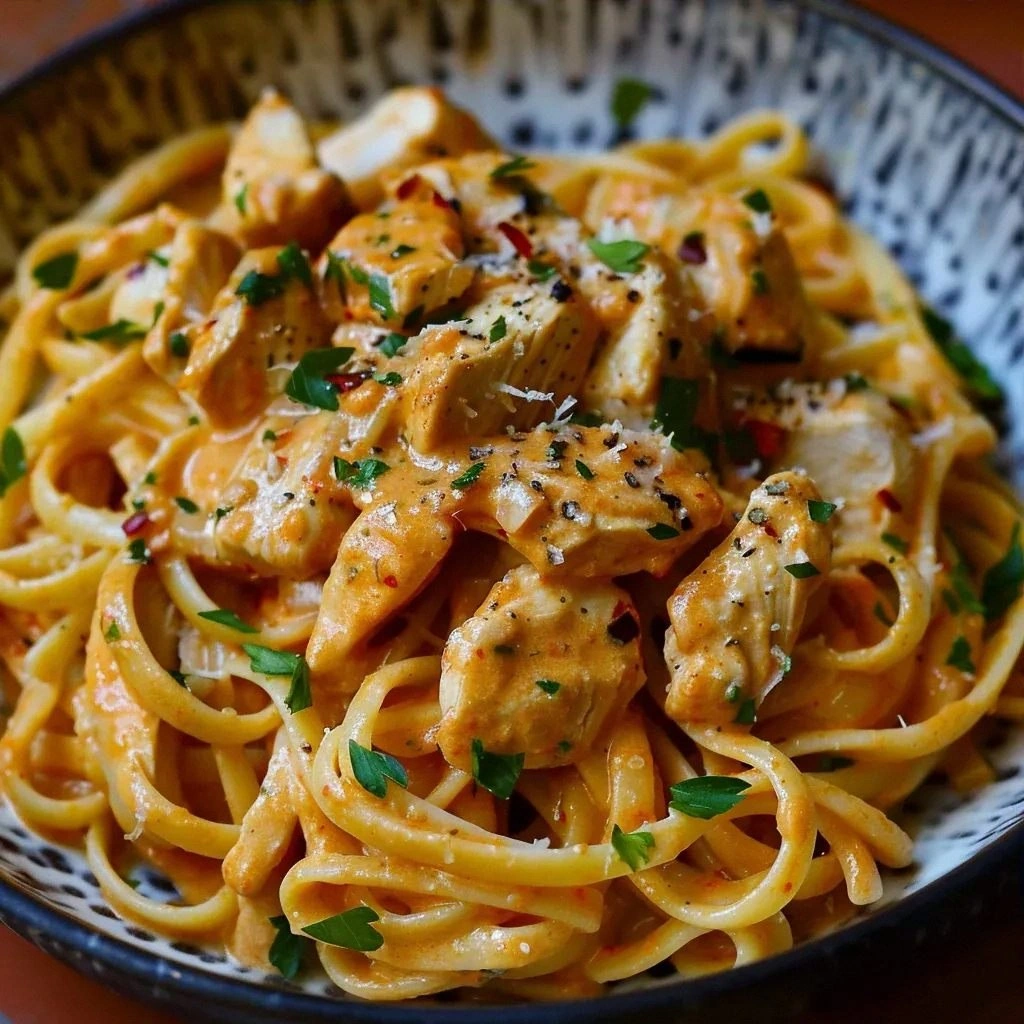
Picture this: I’m standing in a cramped kitchen, the clock ticking, and a friend’s challenge hanging over my head like a dare. “Make something that’s both comfort and a party‑starter,” she said. I stared at the pantry, then at the chicken on the counter, and thought, “Why not combine the decadence of butter chicken with the comforting familiarity of linguine?” The result? A dish that feels like a warm hug, yet packs a punch that will make your taste buds dance.
The first thing you notice is the aroma – a buttery, garlicky perfume that drifts through the air, teasing your senses before the first bite even reaches your tongue. As you stir, the sizzling of garlic and butter in the pan creates a rhythmic soundtrack that’s oddly satisfying. The sound of the chicken searing, the clink of utensils, the gentle bubbling of the sauce – it’s a symphony of kitchen sounds that makes the whole experience feel cinematic. I dare you to taste this and not go back for seconds; the sauce coats the pasta like velvet, and every forkful is a revelation.
What sets this version apart from every other butter chicken pasta out there is the careful layering of flavors and textures. The smoked paprika gives a subtle, earthy depth that you rarely find in standard recipes, while the red pepper flakes add a whisper of heat that lingers on the palate. The heavy cream and Parmesan create a silky sauce that clings to each strand of linguine, turning an ordinary dinner into a gourmet affair. Most recipes get this completely wrong by overcooking the pasta or underseasoning the sauce; here, everything balances perfectly.
And there’s a secret ingredient that you’ll be surprised to learn – a splash of lemon juice. It brightens the sauce, cutting through the richness and adding a fresh zing that keeps the dish from feeling heavy. Picture yourself pulling this out of the pan, the whole kitchen smelling incredible, and the guests’ eyes lighting up. Let me walk you through every single step – by the end, you’ll wonder how you ever made it any other way.
What Makes This Version Stand Out
- Taste: The combination of smoked paprika and Dijon mustard creates a complex flavor profile that is both savory and subtly tangy, setting this dish apart from generic butter chicken recipes.
- Texture: The linguine is al dente, providing a satisfying bite that contrasts beautifully with the creamy sauce.
- Simplicity: Despite its gourmet taste, the recipe uses only eight main ingredients, making it approachable for any home cook.
- Uniqueness: The addition of lemon juice and fresh parsley gives a bright finish that elevates the dish beyond typical comfort food.
- Crowd Reaction: Friends always ask for the recipe after the first serving; the dish is a guaranteed hit at dinner parties.
- Ingredient Quality: Using high‑quality butter and fresh chicken ensures the sauce’s richness and the protein’s tenderness.
- Cooking Method: Searing the chicken first locks in juices, while simmering the sauce gently preserves the delicate flavors.
- Make‑Ahead Potential: The sauce can be prepared a day in advance, letting flavors meld even deeper.
Alright, let's break down exactly what goes into this masterpiece…
Inside the Ingredient List
The Flavor Base
The foundation of any great sauce starts with a robust flavor base. Here, 2 tablespoons of olive oil and 2 tablespoons of butter create a harmonious blend that gives the dish its luxurious mouthfeel. The butter melts into the oil, creating a silky medium that carries the aromatics. If you skip this step, you’ll miss the depth that comes from the fat’s ability to dissolve and distribute flavor compounds. For a lighter version, replace half the butter with a neutral oil, but keep the olive oil for its subtle fruity undertones.
The Texture Crew
Linguine is the star of the show – its long, flat strands are perfect for holding the sauce. Use 12 ounces for four servings, which translates to roughly 3 cups of uncooked pasta. If you’re watching carbs, try swapping for a low‑carb pasta alternative, but the classic texture is hard to beat. Remember to cook the pasta until it’s al dente; overcooked noodles will become mushy and lose their ability to cling to the sauce.
The Unexpected Star
Smoked paprika is the secret weapon that gives this dish its signature smoky undertone. It’s not just for color; it adds a subtle, earthy depth that balances the richness of the butter and cream. If you can’t find smoked paprika, regular paprika will work, but the smoky flavor will be missing. A pinch of cumin can also complement the paprika, adding a warm, nutty note that elevates the sauce even further.
The Final Flourish
Fresh parsley and a splash of lemon juice finish the dish, providing a bright contrast to the rich sauce. Parsley adds a herbaceous note that lifts the overall flavor, while lemon juice cuts through the creaminess and prevents the dish from feeling heavy. If you’re allergic to dairy, replace the heavy cream with coconut milk for a dairy‑free version that still offers silky texture. The Parmesan cheese adds a salty, nutty finish; use a good quality, freshly grated cheese for the best flavor.
Everything's prepped? Good. Let's get into the real action…
The Method — Step by Step
- Bring a large pot of salted water to a rolling boil. Add the linguine and cook until al dente, about 8–10 minutes. Drain and set aside, reserving a cup of pasta water for later. I swear, the moment the pasta starts to bubble, you’ll know you’re in the right kitchen zone.
- While the pasta cooks, pat the chicken breasts dry with paper towels. Season both sides generously with salt, pepper, smoked paprika, and red pepper flakes. The seasoning will create a flavorful crust when seared.
- Heat the olive oil in a large skillet over medium‑high heat. Add the chicken and sear for 3–4 minutes on each side until golden brown and cooked through. Remove the chicken, let it rest for a minute, then slice into bite‑sized pieces. This step locks in juices and gives the meat a caramelized finish.
- In the same skillet, reduce heat to medium and add the butter. Once melted, toss in the minced garlic and sauté for 30 seconds until fragrant, being careful not to burn it. The garlic should give off a nutty aroma, not a bitter one.
- Stir in the Dijon mustard, lemon juice, and a splash of chicken broth. Let the mixture simmer for 2 minutes, allowing the flavors to meld. This is the moment of truth; the sauce should thicken slightly and develop a glossy sheen.
- Lower the heat and pour in the heavy cream, stirring continuously. The sauce will begin to thicken and become silky. Add the grated Parmesan and stir until melted and incorporated. The sauce should coat the back of a spoon without clumping.
- Return the sliced chicken to the skillet, then add the cooked linguine. Toss everything together, adding reserved pasta water a tablespoon at a time until the sauce reaches your desired consistency. The pasta should be glossy and coated in the buttery sauce.
- Season with additional salt and pepper to taste. Sprinkle the chopped parsley over the top and give one final gentle toss. Serve immediately, perhaps with a side of crusty bread to mop up the remaining sauce.
- And that’s it – you did it. But hold on, I've got a few more tricks that'll take this to another level…
Insider Tricks for Flawless Results
The Temperature Rule Nobody Follows
Many cooks overcook the chicken, leading to dry, rubbery meat. I always sear at medium‑high heat for just a few minutes on each side, then finish cooking in the sauce over low heat. This approach keeps the chicken tender and allows the flavors to meld. A friend tried the reverse method once, and the result was a sad, over‑cooked dish that nobody wanted.
Why Your Nose Knows Best
Smell the sauce as it simmers. A buttery, garlicky aroma is a good sign. If it starts to smell sour or off, the cream may have curdled or the butter has browned too much. Adjust the heat immediately to salvage the sauce.
The 5‑Minute Rest That Changes Everything
Let the sauce rest for five minutes after you remove it from the heat. This rest period allows the flavors to settle and the sauce to thicken slightly. When you reheat it, it will coat the pasta beautifully without being runny.
Freshness Matters
Use fresh, high‑quality chicken thighs instead of breasts for extra juiciness. If you’re using frozen chicken, thaw it completely to ensure even cooking. The fresher the protein, the more flavorful the final dish.
The Parmesan Trick
Grate Parmesan just before you add it to the sauce. Pre‑grated cheese can clump and lose its texture. Grated fresh ensures a smooth melt and a bright, nutty finish.
Creative Twists and Variations
This recipe is a playground. Here are some of my favorite ways to switch things up:
Spicy Cajun Linguine
Swap the smoked paprika for Cajun seasoning and increase the red pepper flakes to 1 tsp. Add a splash of hot sauce for an extra kick. This version is perfect for those who like a bit more heat and a smoky, spicy profile.
Creamy Mushroom Chicken
Sauté sliced mushrooms with the garlic before adding the butter. The mushrooms release their own umami, enriching the sauce. This variation brings a forest‑like depth that pairs wonderfully with the chicken.
Pesto‑Infused Linguine
Stir in a couple of tablespoons of basil pesto into the sauce after the Parmesan. The pesto adds a fresh, herbal note that brightens the dish. This is a great way to incorporate more greens and add a pop of color.
Lemon‑Herb Chicken
Increase the lemon juice to 2 tbsp and add a teaspoon of dried oregano. The extra citrus and herbs create a zesty, Mediterranean vibe that’s both refreshing and satisfying.
Vegetarian Version
Replace the chicken with cubed tofu or paneer, searing the pieces until golden. The tofu will absorb the sauce’s flavors beautifully, making it a hearty vegetarian main course.
Low‑Carb Twist
Swap the linguine for spiralized zucchini or spaghetti squash. The sauce still clings to the veggies, offering a lighter, keto‑friendly option without sacrificing flavor.
Storing and Bringing It Back to Life
Fridge Storage
Store leftovers in an airtight container in the refrigerator for up to 3 days. When reheating, add a splash of milk or water to loosen the sauce and prevent it from thickening too much.
Freezer Friendly
Cool the dish completely before freezing. Store in a freezer‑safe container or zip‑lock bag for up to 2 months. Thaw overnight in the fridge, then reheat gently on the stove, adding a little broth if needed.
Best Reheating Method
Reheat on low heat, stirring constantly. A tiny splash of water or broth before reheating steams the dish back to a silky consistency. Avoid microwaving, as it can make the sauce rubbery.