The night I tried to impress my roommate with a quick dinner turned into a culinary crisis. I opened the pantry, grabbed a jar of canned tomatoes, and, in a moment of desperation, tossed them into a pan with a splash of cream. The sauce clung to the pot like a stubborn coat of grease, and when I plated it, the texture felt more like a soggy gravy than a silky sauce. I laughed, sighed, and declared, “If this can survive a midnight snack, it can survive anything.” That single experiment sparked a quest for a sauce that would not only rescue a last‑minute meal but also become the centerpiece of every pasta night.
Picture this: the kitchen lights dim, a quiet hum of the refrigerator, the scent of garlic sizzling in olive oil, and the bright, glossy sheen of crushed tomatoes that promise a burst of sun‑kissed flavor. The sound of the spoon scraping the pan is a metronome for the anticipation building in your stomach. As the sauce thickens, the aroma of basil and pepper flakes rises, turning the air into a fragrant invitation. The first taste is a silky, velvety ribbon of tomato, brightened by the richness of heavy cream, balanced by a whisper of heat, and finished with a fresh basil flourish that lingers on the tongue. It’s not just a sauce; it’s a hug in a bowl.
What makes this version stand out? I’ve stripped away the fluff that most recipes add, focusing instead on ingredient integrity and technique that elevates every bite. The result is a sauce that coats pasta like velvet, leaves a lingering basil aftertaste, and can be served with a crusty loaf that crunches like a perfect finishing note. I dare you to taste this and not go back for seconds. I’m not just making a promise; I’m making a bold claim: this is hands down the best version you’ll ever make at home. If you’ve ever struggled to get a creamy tomato sauce that doesn’t taste like a salad dressing, you’re not alone—and I’ve got the fix.
Let me walk you through every single step. By the end, you’ll wonder how you ever made it any other way. From the first sizzle of garlic to the final swirl of basil, each moment is a deliberate act of flavor engineering. The secret lies in a few unconventional touches that transform ordinary ingredients into a sauce that feels like a gourmet experience, but with the comfort of home cooking. Stay tuned, because the next part? Pure magic.
What Makes This Version Stand Out
- Richness: Heavy cream is blended in just the right amount to create a silky mouthfeel without overpowering the tomato’s natural brightness.
- Heat: A teaspoon of red pepper flakes adds a subtle kick that wakes up the palate without drowning the subtle basil notes.
- Texture: The crushed tomatoes provide a smooth base, while the basil leaves add a pop of green that contrasts visually and texturally.
- Ingredient Quality: Fresh basil, high‑quality Parmesan, and a good olive oil make the difference between a decent sauce and a memorable one.
- Versatility: Pair it with spaghetti, penne, or even a hearty baked potato—this sauce is the Swiss Army knife of comfort dishes.
- Make‑ahead Friendly: It keeps well in the fridge for up to five days and freezes solidly, making it a perfect week‑night solution.
- Crowd‑pleaser: Even the pickiest eaters will rave about the velvety texture and bright, fresh finish.
- Time‑Efficient: Total prep and cook time is under 45 minutes, so you can enjoy a restaurant‑quality dish without the wait.
Inside the Ingredient List
The Flavor Base
Olive oil and garlic form the aromatic foundation. The olive oil carries the garlic’s pungency, while the garlic itself provides a subtle, savory undertone that grounds the bright acidity of the tomatoes. Skipping this step results in a sauce that tastes flat and lacks depth. For a smoother texture, choose a cold‑pressed extra‑virgin olive oil; it adds a fruity note that complements the tomatoes.
The Texture Crew
Crushed tomatoes give the sauce a silky body, while the heavy cream adds richness and coats the pasta like velvet. The Parmesan cheese melts into the sauce, creating a subtle nutty flavor and a glossy finish. If you prefer a dairy‑free version, substitute coconut milk for heavy cream, but note the coconut flavor will be noticeable. The 1/4 cup fresh basil adds a bright, herbal note that lifts the entire dish.
The Unexpected Star
Red pepper flakes are the secret weapon that brings a gentle heat without overpowering the sauce. They also help emulsify the tomatoes and cream, creating a cohesive texture. If you’re not a fan of heat, reduce the amount to 1/4 teaspoon or omit it entirely. The extra basil leaves added at the end act as a finishing flourish, providing a burst of freshness that cuts through the richness.
The Final Flourish
A loaf of crusty bread is the perfect companion, offering a crunchy contrast that balances the sauce’s creaminess. The bread should be sliced thin and toasted until crisp; a buttery, golden crust adds a satisfying crunch. If you’re vegetarian, a baguette with a drizzle of olive oil works wonders. The bread also serves as an excellent vehicle for scooping up the sauce, making every bite a complete experience.
Everything's prepped? Good. Let’s get into the real action.
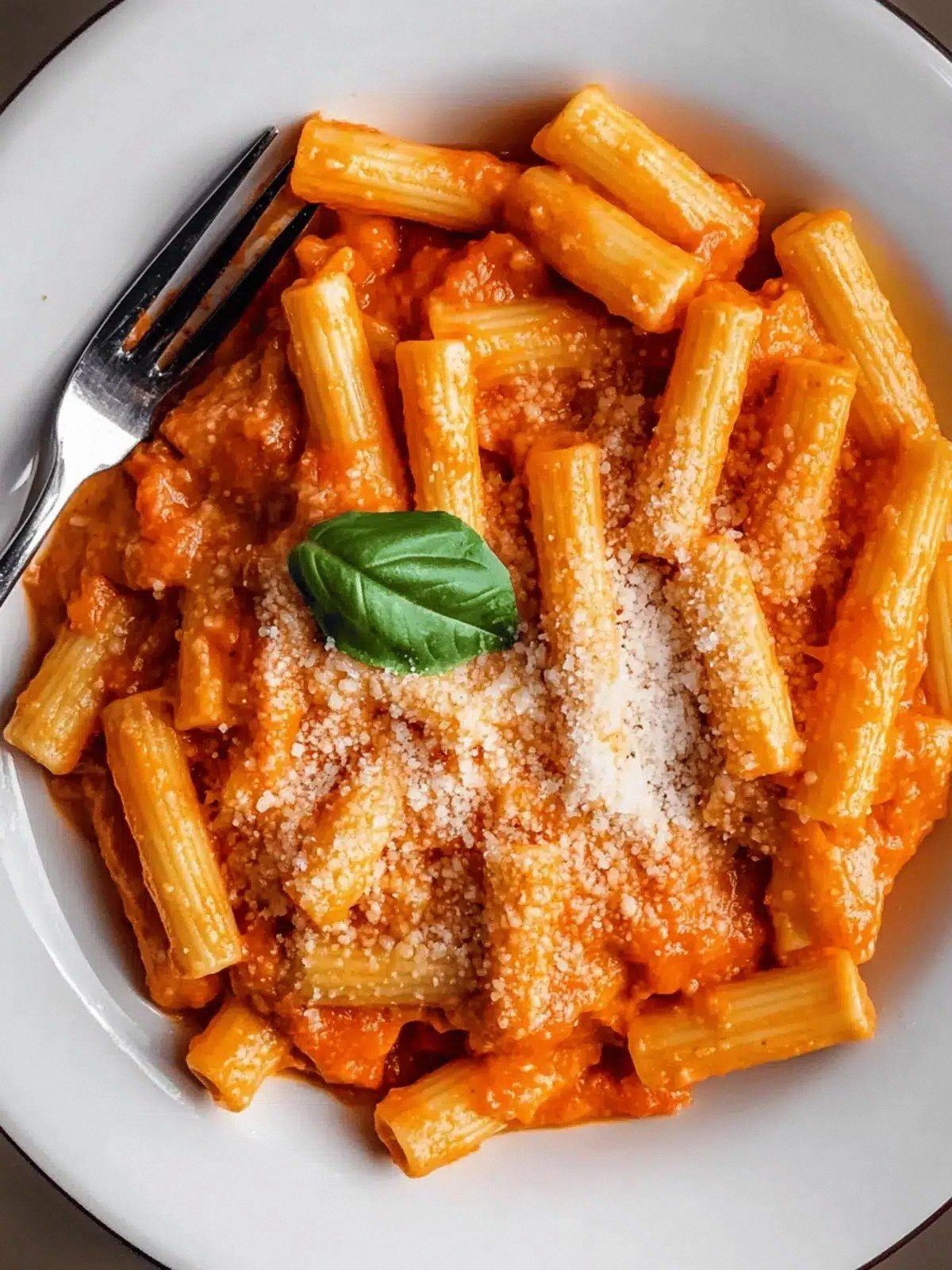
The Method — Step by Step
- Heat the oil: In a large skillet, pour one tablespoon of olive oil over medium heat. When the oil shimmers, add the minced garlic. Sauté for about 30 seconds until fragrant, but watch carefully—garlic burns fast and turns bitter. This is the moment of truth; the aroma should be sweet, not sharp.
- Introduce the tomatoes: Pour the 28 ounces of canned crushed tomatoes into the skillet. Stir to combine with the garlic and oil. Bring the mixture to a gentle simmer. The sauce should bubble lightly; if it’s too thick, add a splash of water. The goal is a thick, velvety base that coats the back of a spoon.
- Simmer and season: Reduce the heat to low and let the sauce simmer for 15 minutes. Add the teaspoon of red pepper flakes, the 1/4 cup of fresh basil, and season with salt and pepper to taste. The sauce should develop a deep, rich color and a fragrant aroma that fills the kitchen. Keep the lid off to allow excess moisture to evaporate.
- Blend for silk: Use an immersion blender to gently puree the sauce until it reaches a silky consistency. If you don’t have an immersion blender, transfer the sauce in batches to a countertop blender. This step eliminates any tomato chunks that might break the velvet texture.
- Add the cream: Pour in one cup of heavy cream, stirring continuously. Let the sauce return to a gentle simmer for another 5 minutes. The cream should thicken the sauce, giving it a glossy sheen. At this point, the sauce should feel rich yet balanced.
- Finish with Parmesan: Stir in 1/2 cup of freshly grated Parmesan cheese until fully melted and incorporated. The cheese adds depth and a nutty finish. If the sauce becomes too thick, add a splash of pasta water to loosen it.
- Serve with basil and bread: Toss the sauce with freshly cooked pasta, reserving a cup of pasta water to adjust consistency if needed. Top with the extra 1/4 cup of basil leaves for a bright, herbal finish. Serve alongside slices of crusty bread, toasted until crisp. The bread should soak up the sauce, offering a crunchy counterpoint to the silky pasta.
- Enjoy: Plate the pasta, garnish with a few basil leaves, and serve with a warm loaf of bread. The aroma alone will have you in a culinary trance. I dare you to taste this and not go back for seconds.
That’s it—you did it. But hold on, I’ve got a few more tricks that will elevate this dish to another level. Stay with me, because the next section will reveal the secrets that make this sauce truly unforgettable.
Insider Tricks for Flawless Results
The Temperature Rule Nobody Follows
Cooking the sauce on low heat allows the flavors to meld slowly, preventing the tomatoes from becoming too acidic. I’ve found that a steady simmer for 20 minutes brings out a deeper, sweeter tomato profile. If you rush the heat, the sauce can develop a sharp edge that overwhelms the cream.
Why Your Nose Knows Best
Before you taste the sauce, sniff it. A sweet, tomato‑y aroma indicates the tomatoes have cooked enough to release their natural sugars. If it smells raw or overly acidic, let it simmer a bit longer. Your nose is the first indicator of flavor balance.
The 5‑Minute Rest That Changes Everything
Let the sauce rest off the heat for five minutes after removing it from the stove. During this brief pause, the flavors settle and the sauce thickens slightly, giving it a more cohesive texture. This small step can make the difference between a sauce that feels watery and one that feels luxuriously thick.
The Basil Trick
Add half of the basil at the beginning of cooking for depth, and reserve the rest for a fresh garnish. Fresh basil added at the end preserves its bright, peppery flavor, while basil cooked in the sauce becomes mellow and sweet.
The Cheese Finale
Grate Parmesan just before adding it to the sauce. Pre‑grated cheese can clump or lose flavor. Grating it fresh ensures a smooth melt and a richer taste.
Creative Twists and Variations
This recipe is a playground. Here are some of my favorite ways to switch things up:
Spinach & Mushroom Fusion
Sauté sliced mushrooms and fresh spinach before adding the tomatoes. The earthy flavors pair beautifully with the creamy base, creating a comforting, vegetarian twist that’s perfect for cooler evenings.
Spicy Cajun Kick
Replace the red pepper flakes with Cajun seasoning and add a dash of smoked paprika. This variation turns the sauce into a bold, smoky companion for grilled chicken or shrimp.
Lemon‑Herb Brightness
Finish the sauce with a squeeze of fresh lemon juice and chopped parsley. The citrus lift brightens the dish, making it feel lighter and more refreshing.
Creamy Pesto Fusion
Stir in a tablespoon of prepared basil pesto after the cream is added. The pesto adds a nutty, herbal depth that elevates the sauce to a new level of complexity.
Gourmet Grilled Cheese
Serve the sauce alongside a grilled cheese sandwich made with Gruyère and a baguette. The melted cheese and toasted bread create a decadent, comforting pairing that’s perfect for a cozy night in.
Gluten‑Free Pasta
Swap regular pasta for a gluten‑free option like rice or quinoa pasta. The sauce’s silky texture complements the different bite, making it a versatile choice for those with dietary restrictions.
Storing and Bringing It Back to Life
Fridge Storage
Cool the sauce to room temperature, then transfer it to an airtight container. Store in the refrigerator for up to five days. The sauce will thicken slightly as it cools, so add a splash of pasta water when reheating to restore its silky consistency.
Freezer Friendly
Divide the sauce into freezer‑safe portions and seal tightly. It can be frozen for up to three months. Thaw overnight in the refrigerator, then gently reheat on the stove with a splash of water or milk to prevent separation.
Best Reheating Method
Reheat the sauce over low heat, stirring frequently. Add a small splash of water or milk to loosen the consistency. Avoid boiling; high heat can cause the cream to curdle, ruining the silky texture.