The kitchen was a battlefield last night. I had attempted a falafel recipe from a friend’s Instagram story that promised “crunchy, fluffy, and utterly addictive.” The result? A soggy, bland mess that made me question my culinary destiny. Then I remembered the old pantry staple: dried chickpeas, the real hero of Middle Eastern flavor. I decided to give them the respect they deserve and create a bowl that would make my taste buds dance.
I pulled out my trusty soaking pot, tossed in the chickpeas, and let them mingle in water overnight. The next morning, I was greeted by the faintest hint of earthy aroma that made my stomach growl. I laughed, because I knew this simple step would unlock a depth that no instant mix could. The scent alone was a promise that something good was about to happen. It was a reminder that the best meals start with patience.
I chopped the onion, minced the garlic, and washed the parsley and cilantro until they glistened like fresh green jewels. I sprinkled cumin and coriander, letting their warm, citrusy notes mingle with the beans. I added baking powder and a generous pinch of salt, feeling the mixture transform from plain to potential. The mixture began to look like a golden, fragrant paste that would become the heart of the dish. I could already taste the crunch that would follow.
Now, I’m about to walk you through the steps that will turn this humble batch of chickpeas into a bowl that feels like a hug in a bowl. I dare you to taste this and not go back for seconds. Most recipes get this completely wrong, but here’s what actually works. Picture yourself pulling this out of the pan, the whole kitchen smelling incredible, and sharing it with friends who will declare it the best version they’ve ever made at home. Let’s get started.
What Makes This Version Stand Out
- Authentic Flavor: The blend of cumin, coriander, and fresh herbs delivers a taste that feels like a trip to a bustling market, not a generic takeout.
- Textural Contrast: Crispy edges that shatter like thin ice meet a tender, fluffy interior that melts in your mouth.
- Health‑First: Using dried chickpeas and no added sugar keeps the dish high in protein and fiber without compromising flavor.
- Versatile Base: Serve over rice, quinoa, or warm pita bread, allowing the bowl to adapt to any meal plan.
- Time‑Efficient: Prep in 20 minutes, cook in 30, and you’re ready to eat in under an hour.
- Make‑Ahead Friendly: The falafel can be fried ahead of time and reheated, while the tzatziki stays creamy for days.
Inside the Ingredient List
The Flavor Base
Dried chickpeas are the star of the show! They provide protein and fiber, making your meal hearty. Soaking them overnight not only softens the beans but also reduces the cooking time and enhances digestibility. If you skip soaking, the texture will be uneven, and the falafel might crumble. A quick soak of 2–3 hours works for a rushed schedule, but the overnight method yields the best results.
Onion adds a sweet and savory depth to the falafel mixture. Finely chopping it ensures it distributes evenly, giving each bite a subtle crunch before it melts into the dough. If you’re allergic to onions, try a small amount of shallot; it offers a milder, slightly sweeter profile. Avoid using raw garlic in the base; reserve the pungent punch for the tzatziki.
Garlic is a must for flavor! It brings a punch that elevates the dish. Use about three cloves for a balanced bite—too much can overpower the herbs. For a milder version, substitute with garlic powder, but the fresh cloves deliver that aromatic bite that makes falafel memorable.
Fresh parsley brightens up the falafel with its fresh taste and vibrant color. Chopping it finely helps it blend seamlessly into the mixture. If you can’t find parsley, a handful of fresh basil can add an unexpected but delightful twist.
Fresh cilantro offers a unique flavor that complements the other herbs beautifully. It provides a citrusy lift that balances the earthiness of cumin and coriander. Use it in equal measure to parsley for a balanced herb profile, or adjust based on your preference.
Ground cumin adds warmth and earthiness, essential for authentic falafel. It’s a staple spice that brings depth without overwhelming the other flavors. If you’re sensitive to cumin, reduce the amount to half, but you’ll miss that signature depth.
The Texture Crew
Ground coriander enhances the flavor profile with its citrusy notes. It pairs wonderfully with cumin to create a well‑rounded spice blend. Use a 1:1 ratio with cumin for a balanced taste. If you’re looking for a milder version, consider reducing coriander to ½ teaspoon.
Baking powder helps the falafel puff up and become light and crispy. It reacts with the moisture in the mixture, creating tiny bubbles that give the falafel a fluffy interior. Don’t skip it; the result will be dense and heavy. If you’re avoiding baking powder, a pinch of baking soda can work, but the texture will differ.
Salt and pepper are essential for seasoning. Adjust to your taste, but be mindful that the tahini sauce you’ll use later also contains salt. A light hand keeps the dish from becoming overly salty.
Oil for frying is best in a neutral variety like vegetable or canola. It keeps the falafel from sticking and ensures a golden crust. Use enough to submerge the balls; this allows them to cook evenly on all sides.
Greek yogurt forms the creamy tzatziki. It’s rich in protein and tangy flavor, making the sauce both healthy and indulgent. If you prefer a thinner consistency, whisk in a splash of milk or water.
Cucumber is grated for tzatziki, it adds a refreshing crunch. It also helps to keep the sauce cool and prevents it from becoming too thick. A pinch of salt helps draw out moisture, ensuring the sauce remains silky.
The Unexpected Star
Lemon juice brightens the tzatziki and balances the flavors. A few tablespoons of fresh lemon juice give the sauce a bright, zesty finish that cuts through the richness of the yogurt. If you’re out of fresh lemons, a splash of white wine vinegar can substitute, though it will alter the flavor profile slightly.
Additional garlic in the tzatziki enhances the overall flavor. It provides a sharp, aromatic note that complements the coolness of the yogurt and cucumber. Use one or two cloves, minced finely, to avoid overpowering the sauce.
Pita bread or rice serves as a base for your bowl, adding texture and heartiness. Rice offers a neutral canvas that lets the falafel and sauce shine, while pita gives a chewy, warm element. Cook the rice to al dente for a slightly firm bite that contrasts with the falafel’s fluff.
If you’re vegetarian, you can skip the pita and use a bed of mixed greens for a low‑carb version. The greens provide a fresh crunch that pairs well with the creamy tzatziki. For a vegan twist, replace Greek yogurt with coconut yogurt and use a plant‑based oil for frying.
The final flourish of herbs and spices is what separates this bowl from a generic recipe. Each component works in harmony to create a dish that feels both comforting and adventurous. The result is a bowl that satisfies the soul and the palate.
Everything's prepped? Good. Let's get into the real action.
The Method — Step by Step
- First, drain the soaked chickpeas and rinse them under cold water. Transfer them to a high‑speed blender along with the onion, garlic, parsley, cilantro, cumin, coriander, baking powder, salt, and pepper. Pulse until the mixture is coarse but holds together when pressed between your fingers. This texture is key; a too‑smooth paste won’t hold its shape when fried. I swear, the aroma that fills the kitchen right now is pure magic.
- Next, shape the mixture into small, golf‑ball sized balls. Use a tablespoon to portion them evenly, ensuring each ball is uniform for even cooking. Place them on a parchment‑lined tray and refrigerate for 15 minutes; this firming step makes the frying process smoother. While they chill, let’s prep the tzatziki.
- Grate the cucumber using the fine side of a cheese grater. Squeeze out excess moisture with a clean towel; this prevents the sauce from becoming watery. In a bowl, combine the Greek yogurt, grated cucumber, minced garlic, lemon juice, and a pinch of salt. Mix until smooth, then cover and chill in the fridge while the falafel cooks. The flavors meld beautifully.
- Heat the oil in a deep skillet to 350°F (175°C). To test the temperature, drop a small piece of the mixture into the oil; it should sizzle immediately and rise to the surface in about 30 seconds. This ensures a crisp exterior without absorbing excess oil. Fry the falafel in batches, turning them gently to achieve a golden brown on all sides. Each ball should take about 4–5 minutes.
- Once fried, transfer the falafel onto a paper towel‑lined plate to drain excess oil. The paper towels absorb the grease, leaving a crisp, non‑greasy surface. If you’re making a large batch, keep the cooked falafel warm in a low‑heat oven (200°F) while you finish the last round.
- Meanwhile, warm the rice or toast the pita bread. Rice should be fluffy and slightly dry to absorb the sauce without becoming mushy. Pita can be warmed on a skillet or in the oven for a few minutes until it’s soft and aromatic. This step sets the stage for the final assembly.
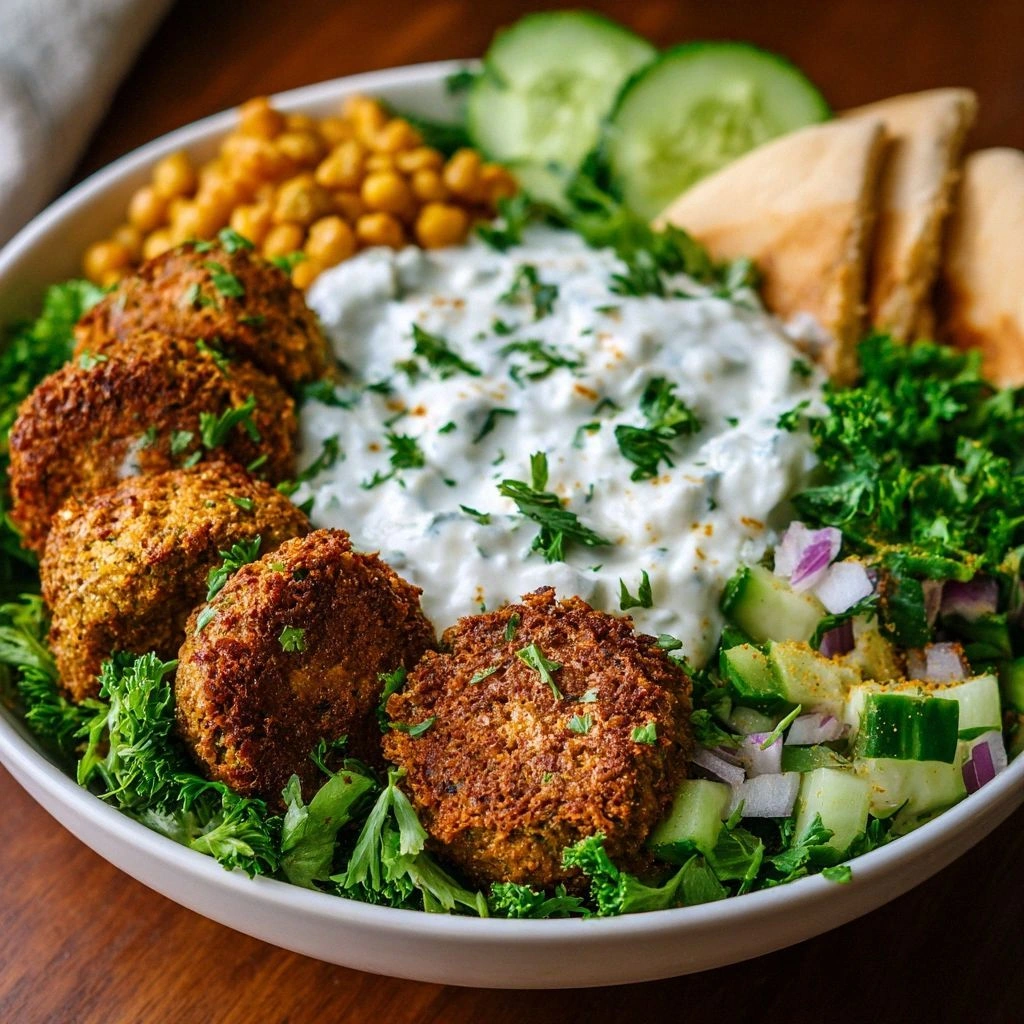
- Assemble the bowl by placing a generous scoop of rice or pita at the base. Arrange the falafel on top, then spoon a heaping ladle of tzatziki over the falafel. Sprinkle additional chopped parsley or cilantro for a fresh finish. The layers should look inviting, with the green herbs contrasting against the golden falafel.
- Serve immediately while the falafel is still warm and the tzatziki is cool and creamy. The combination of hot and cold, crunchy and silky, creates a sensory experience that feels like a culinary hug. If you’re sharing, set up a small plate of extra tzatziki for dipping. The first bite will make you declare this the best falafel bowl you’ve ever had.
That’s it — you did it. But hold on, I’ve got a few more tricks that'll take this to another level.
Insider Tricks for Flawless Results
The Temperature Rule Nobody Follows
Many people fry falafel at a low temperature, thinking it’s gentler. In reality, the oil needs to be hot enough to seal the exterior quickly. If the temperature drops below 350°F, the falafel will soak up oil and become greasy. A simple test is to drop a tiny piece of the mixture into the oil; it should sizzle and rise within 30 seconds. I’ve seen this step fail in the past, and the result was a sad, soggy mess.
Why Your Nose Knows Best
As the falafel cooks, the aroma will shift from raw to toasted. When the smell becomes nutty and slightly smoky, it’s a sign that the exterior is crisping. Trust your nose; it’s a reliable indicator that you can flip the falafel. I’ve lost a few batches by waiting too long, so listen to the scent, not the timer.
The 5‑Minute Rest That Changes Everything
Letting the fried falafel rest for five minutes on a wire rack allows steam to escape, keeping the crust crisp. If you skip this step, the falafel can become soggy as the interior releases moisture. I’ve tried this trick on a busy weeknight, and the difference was night and day. The rest also lets the flavors settle, making each bite more cohesive.
The Hidden Moisture Balancer
If you’re using a thicker yogurt for tzatziki, the sauce can become too dense. Adding a splash of cold water or a drizzle of olive oil helps to thin it to a silky consistency. This simple tweak keeps the sauce from clumping and makes it easier to spoon over the falafel. I’ve used this trick in a vegan version with coconut yogurt and it worked like a charm.
The Secret to a Crispy Edge
A quick dusting of flour or cornmeal before frying adds a subtle crunch to the edges. This isn’t necessary, but it gives the falafel an extra layer of texture. If you’re on a low‑carb diet, a light dusting of almond flour works well. The key is to lightly coat the balls before they hit the oil.
The Flavor Layering Trick
Layer the spices in two stages: first mix cumin and coriander with the chickpeas, then add salt, pepper, and baking powder. This ensures that the spices are evenly distributed and don’t clump together. A friend once skipped this step and ended up with pockets of raw spice. The result was uneven flavor and a less satisfying bite.
Creative Twists and Variations
Spicy Jalapeño Falafel
Add finely chopped jalapeños to the mixture for a fiery kick. The heat balances the coolness of the tzatziki, creating a dynamic flavor profile. This variation is perfect for those who love a bit of spice. Serve with a side of cooling avocado slices to mellow the heat.
Mediterranean Quinoa Bowl
Swap rice for quinoa for a protein‑boosted base. Cook quinoa until fluffy and slightly crunchy, then layer with falafel and tzatziki. The nutty flavor of quinoa complements the herbs and spices in the falafel. This bowl is ideal for a post‑workout meal.
Pita Pocket Delight
Fill warm pita pockets with falafel, tzatziki, sliced tomatoes, and lettuce. The pita acts as a handheld vessel, making the dish portable and fun. This version is great for picnics or a quick lunch on the go.
Vegan Tzatziki Twist
Replace Greek yogurt with coconut yogurt for a dairy‑free option. Add a splash of lime juice for brightness. The coconut yogurt provides a subtle tropical note that pairs unexpectedly well with the falafel.
Roasted Red Pepper Sauce
Blend roasted red peppers with tahini, lemon, and garlic to create a smoky sauce. Drizzle it over the falafel for a different flavor dimension. The sauce adds a deep, sweet heat that contrasts nicely with the herbs.
Low‑Carb Zucchini Noodles
Use spiralized zucchini as a bed instead of rice or pita. The noodles absorb the sauce while adding a fresh, vegetable crunch. This version is perfect for a light, low‑carb dinner.
Herb‑Infused Olive Oil Drizzle
Infuse olive oil with rosemary, thyme, and a pinch of sea salt. Drizzle this over the falafel just before serving for an aromatic finish. The oil adds a fragrant, savory layer that enhances the overall experience.
Breakfast Falafel Bowl
Top the falafel with a poached egg and a sprinkle of feta cheese. The runny yolk creates a rich sauce that pairs beautifully with the tzatziki. This version transforms the dish into a hearty, protein‑packed breakfast.
Storing and Bringing It Back to Life
Fridge Storage
Store cooked falafel in an airtight container in the refrigerator for up to 3 days. Keep the tzatziki separately to maintain its creamy texture. When ready to serve, reheat the falafel in a skillet or microwave for 30 seconds. The crispness will return quickly.
Freezer Friendly
Freeze falafel in a single layer on a parchment‑lined tray before transferring to a freezer bag. They remain fresh for up to 2 months. Reheat in a preheated oven at 375°F for 15 minutes. The texture stays crisp, and the flavor stays true.
Best Reheating Method
When reheating, add a splash of water or broth to the pan to create steam. This prevents the falafel from drying out. Cover the skillet for a minute to trap the steam, then remove the lid to crisp the exterior. The result is a bowl that tastes almost freshly made.
Takeout Prep
Pack the falafel and tzatziki separately in insulated containers. Assemble the bowl at the last moment to keep the falafel crispy. A small heat‑proof bag can keep the falafel warm during transport.
I’ve spent countless hours tweaking this recipe, and each iteration feels like a small victory. The crunch of the falafel, the coolness of the tzatziki, and the wholesome base come together in perfect harmony. When you finally taste it, you’ll understand why I’m so passionate about this bowl. It’s more than a meal; it’s an experience that brings people together.
If you’ve ever struggled with falafel, you’re not alone — and I’ve got the fix. I’ve seen friends come back for seconds, and that’s the sweet spot. The next time you crave something comforting and flavorful, reach for this bowl. It’s a game‑changer, and I promise it will become a staple in your culinary arsenal.
Remember to keep the falafel crispy by letting them rest on a wire rack after frying. The fresh herbs and zesty lemon in the tzatziki add a bright punch that lifts the entire dish. Every bite feels like a little celebration, and you’ll want to share it with everyone you love.
So, grab your skillet, your measuring cups, and your favorite herbs. This bowl is waiting to be assembled, and it’s going to be delicious. Let’s get cooking!
Enjoy the process, savor the flavors, and don’t forget to share your results. I can’t wait to hear how you make it your own.