What Makes This Version Stand Out
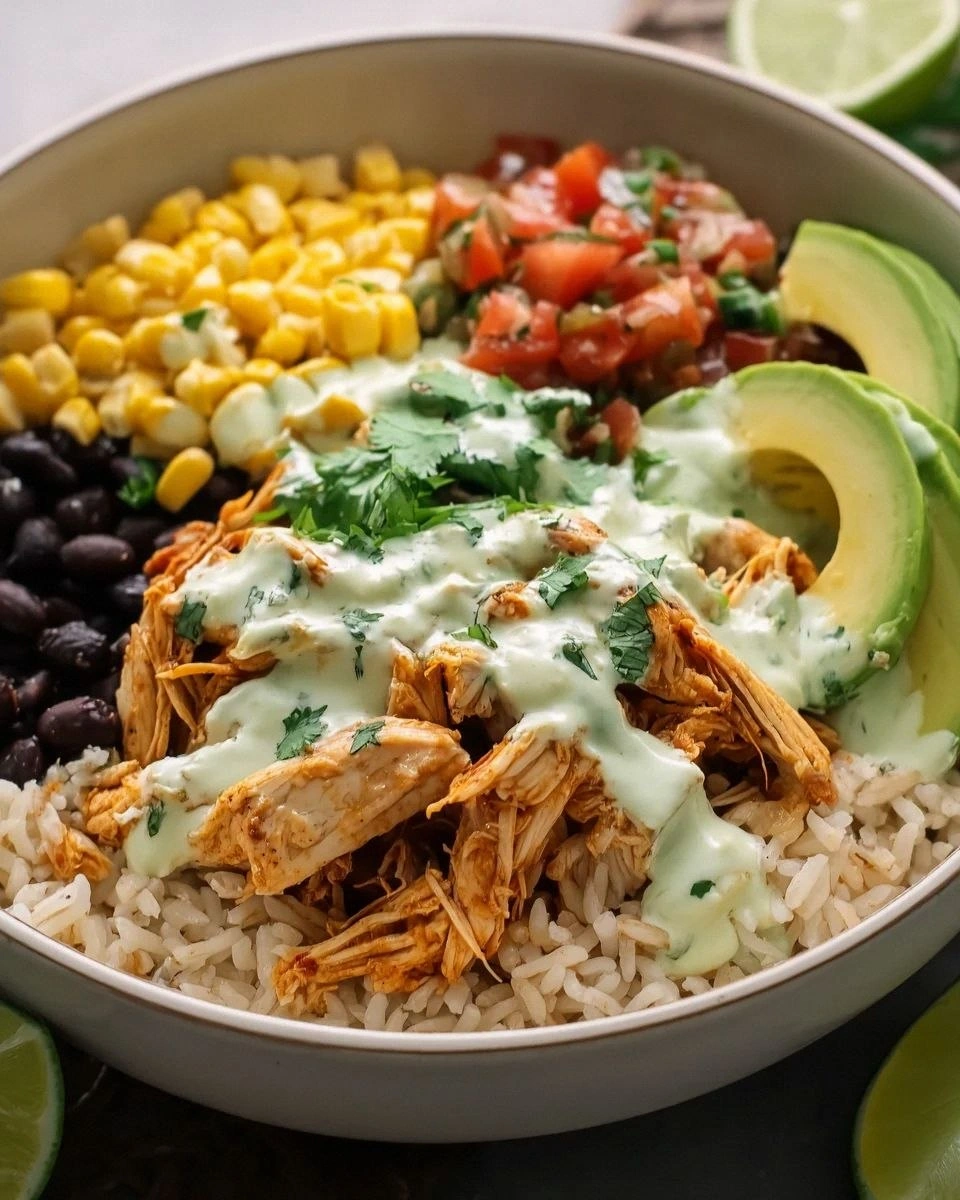
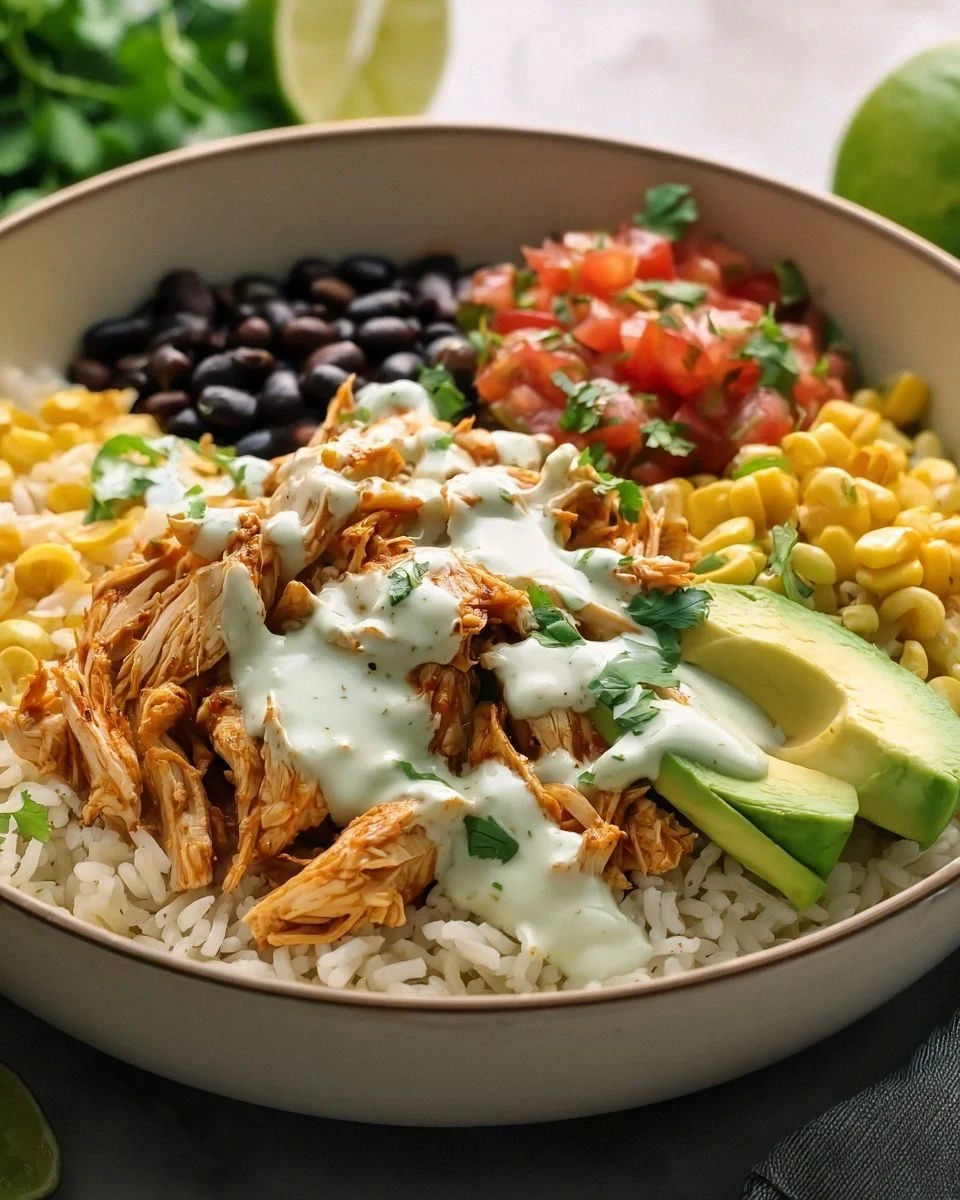
Flavor Bomb: The chicken isn't just seasoned — it's marinated for a minimum of 30 minutes in a blend that includes chipotle peppers in adobo sauce, creating layers of smoky heat that penetrate every fiber of the meat. Most recipes just sprinkle on some taco seasoning and call it a day, but we're building flavor from the inside out here. Texture Paradise: Every bite delivers contrast — tender, juicy chicken against crispy-edged vegetables, fluffy rice against creamy beans, all topped with cool sour cream and crunchy lettuce. It's like a party in your mouth where everyone's invited and they all get along beautifully. One-Pan Wonder: Despite looking like you spent hours slaving away, this entire dish can be made in a single skillet if you're smart about the order of operations. The rice cooks in the chicken's flavorful fond, the vegetables pick up those caramelized bits from the bottom — it's efficiency meets deliciousness. Customization Gold: This recipe is your canvas, and you're the artist. Want it spicier? Add more chipotle. Prefer mild? Back off the heat and add extra lime. Vegetarian? Swap the chicken for roasted cauliflower and you'll never miss the meat. Meal Prep Champion: These bowls actually get better after a day in the fridge as the flavors meld together. Make a double batch on Sunday and you'll have lunches that'll make your coworkers jealous all week long. Restaurant Quality: The secret technique of finishing the rice with a quick steam after toasting it in the pan creates the same fluffy, separate grains you'd get at your favorite Mexican restaurant. Most home cooks skip this step and wonder why their rice turns out mushy. Alright, let's break down exactly what goes into this masterpiece...Inside the Ingredient List
The Flavor Foundation
Let's start with the chicken — and no, we're not using those sad, dry chicken breasts that taste like compressed sawdust. We're talking about boneless, skinless thighs that stay juicy no matter what you do to them. Chicken thighs have this beautiful marbling of fat that melts during cooking, creating self-basting magic that breast meat can only dream about. The marinade is where we build our flavor skyscraper: chipotle peppers in adobo sauce bring that smoky heat that makes your lips tingle in the best way, while lime juice tenderizes the meat and adds brightness that cuts through all the richness. Garlic, cumin, oregano, and smoked paprika join the party, creating a spice blend that'll make your kitchen smell like the best Mexican restaurant you've ever visited.
Don't even think about skipping the chipotle peppers — they are the backbone of this entire operation. One pepper blended into the marinade gives you gentle heat and that incredible smoky flavor that makes people ask "what's your secret?" If you're feeding spice-sensitive eaters, you can scrape out the seeds before blending, but please don't leave it out entirely. The adobo sauce that comes with the peppers is liquid gold — thick, tangy, and packed with umami that'll make your taste buds sit up and pay attention.
The Rice Revolution
Here's where most recipes go wrong — they treat the rice like an afterthought, cooking it separately with just salt and water. We're not doing that. We're toasting our rice in the same pan where we cooked the chicken, letting each grain get coated in those beautiful browned bits (called fond in fancy cooking terms) that are packed with concentrated flavor. Then instead of plain water, we're using chicken stock that's been enhanced with tomato paste, creating a cooking liquid that turns ordinary rice into something you'll want to eat by itself. The ratio is crucial here — too much liquid and you'll get mushy disappointment, too little and you'll have rice that's still got a crunchy core. I've tested this more times than I care to admit, and the sweet spot is exactly 1.75 cups of liquid for every cup of rice.
Speaking of rice, skip the long-grain stuff for this recipe. You want medium-grain rice that'll absorb all that flavor while staying fluffy and separate. Jasmine or basmati will work in a pinch, but they won't give you that authentic restaurant texture you're craving. And please, for the love of all that's holy, rinse your rice until the water runs clear — this removes excess starch that causes clumping and gummy texture.
The Vegetable Medley
We're using a colorful trio of bell peppers — red, yellow, and orange — not just because they make your bowl look like a sunset, but because each brings its own personality to the party. Red peppers are the sweetest, with a slight fruity note that balances the heat from our chipotle. Yellow peppers are mild and slightly tangy, while orange peppers split the difference between sweet and savory. Cooking them until they're just starting to char around the edges creates those beautiful caramelized spots that add incredible depth to the final dish.
Red onion joins the mix, adding sharpness that cuts through the richness of the chicken and beans. We want these sliced relatively thin so they soften quickly and lose their aggressive bite, but not so thin that they disappear into nothingness. The key is cooking them until they're translucent and just starting to brown — this brings out their natural sweetness and creates a perfect counterpoint to the savory elements.
The Unexpected Stars
Black beans might seem like a supporting player, but they're actually the unsung heroes of this dish. Canned beans are perfectly acceptable here (we're not running a restaurant), but they need to be treated with respect. Drain and rinse them thoroughly to remove that canning liquid that tastes like aluminum pennies, then season them with a pinch of cumin and a squeeze of lime. Heating them through in a separate pan lets them absorb these flavors while staying intact — nobody wants mushy bean paste in their beautiful bowl.
Corn adds pops of sweetness that play against the savory elements like a well-choreographed dance. Frozen corn works great here — just throw it in still frozen and let it thaw in the hot pan with the vegetables. If corn is in season, go ahead and cut it fresh off the cob, but frozen is actually sweeter since it's frozen at peak ripeness. A quick char in the hot pan concentrates the sugars and adds those beautiful brown spots that taste like summer sunshine.
The Method — Step by Step
- Start by making your marinade — and here's where we separate the flavor champs from the amateurs. Throw two chipotle peppers (with a tablespoon of that precious adobo sauce) into your blender with the juice of two limes, four cloves of garlic, a teaspoon each of cumin and oregano, half a teaspoon of smoked paprika, and a good glug of olive oil. Blend this until it's smoother than a pick-up artist at closing time. Taste it — it should make your tongue tingle and your brain light up with anticipation. If it doesn't, add more salt or another chipotle until it does. This marinade is your foundation, so make it count.
- Take your chicken thighs and give them a quick pat-down with paper towels — we want them dry so the marinade can really cling to every surface. Cut them into bite-sized pieces, about one-inch chunks, keeping them relatively uniform so they cook evenly. Toss these pieces into a zip-top bag with your marinade, seal it up, and massage it like you're trying to win a spa treatment. Every piece should be coated in that beautiful red-orange mixture that smells like heaven. Let this sit for at least 30 minutes on the counter, or up to 24 hours in the fridge if you're planning ahead. I'll be honest — I ate half the batch before anyone else got to try it, so consider making extra.
- Heat your largest skillet over medium-high heat until a drop of water dances across the surface like it's got somewhere to be. Add a tablespoon of oil with a high smoke point — we're looking at you, avocado or canola oil. When the oil shimmers and just starts to smoke, carefully add your marinated chicken in a single layer. Hear that sizzle? That's the sound of flavor being born. Don't crowd the pan — work in batches if you need to, because overcrowding leads to steaming, and steamed marinated chicken is about as exciting as airplane food. Let the chicken cook undisturbed for about four minutes until it develops a beautiful crust that'll make you want to break out your camera.
- Flip each piece with tongs and cook for another three minutes on the other side. The chicken should be golden brown with charred spots that look like a leopard print of deliciousness. Remove the chicken to a plate — don't worry if it's not quite cooked through yet, we're going to finish it later. Those browned bits stuck to the bottom of your pan? That's pure gold, my friend. Whatever you do, don't wash that pan. We're about to turn those flavor nuggets into rice that'll make you weep with joy.
- This is the moment of truth for your rice. Add a touch more oil to the pan if it looks dry, then pour in one cup of medium-grain rice. Stir it around, coating each grain with the flavorful oil and those beautiful browned bits. Toast the rice for about two minutes, stirring constantly, until it starts to smell nutty and some grains turn opaque. This step is crucial — skip it and your rice will taste like sadness. Add two tablespoons of tomato paste and cook for another minute, stirring to coat everything in that concentrated tomato flavor that adds depth and color.
- Pour in 1.75 cups of warm chicken stock and bring it to a boil. The liquid should be a beautiful orange color from the tomato paste. Once it's bubbling away, reduce the heat to low, cover tightly with a lid, and set a timer for 15 minutes. Resist the urge to peek — every time you lift that lid, you're letting steam escape, and steam is what transforms rice from crunchy pebbles into fluffy perfection. While this is happening, we can work on our vegetables.
- In another skillet (or the same one if you moved the rice to a different pot), heat a tablespoon of oil over high heat. When it's smoking hot, add your sliced peppers and onions. Spread them out in a single layer and let them sit for a minute — we want some char on those edges. The peppers should start to blister and pop, creating those beautiful black spots that add smoky flavor. Stir once, then let them sit again. After about five minutes total, they should be softened but still have some bite, with gorgeous caramelized edges that look like they were kissed by fire itself.
- Now for the final assembly — and this is where the magic really happens. Fluff your rice with a fork, marveling at how each grain is separate and coated in flavor. Add your chicken back to the pan with the vegetables, along with your seasoned black beans and corn. Toss everything together for just a minute to heat through and let the flavors marry. The chicken should be cooked through now, the vegetables should still have some crunch, and everything should be singing in harmony like a mariachi band in your mouth.
Insider Tricks for Flawless Results
The Temperature Rule Nobody Follows
Here's the thing that separates restaurant-quality results from home cooking disasters: temperature control. When you're searing your chicken, your pan needs to be hot enough that the meat sizzles immediately upon contact, but not so hot that the outside burns before the inside cooks. The sweet spot is around 400°F — hot enough to create that beautiful Maillard reaction that develops complex flavors, but not so hot that you end up with chicken that's charred outside and raw inside. Test your pan by sprinkling a few drops of water — they should dance and evaporate quickly, not just sit there or disappear instantly.
Once you've got your sear, resist the urge to crank up the heat to speed things along. Good food takes time, and trying to rush the process is like trying to hurry up a sunset — you just end up ruining something beautiful. Your chicken is ready to flip when it releases easily from the pan without tearing. If it's sticking, it's not ready yet. Patience, young grasshopper — good things come to those who wait.
Why Your Nose Knows Best
Your sense of smell is your most underrated kitchen tool, especially when making this burrito bowl. When your rice is toasting properly, it'll smell nutty and slightly sweet, like popcorn that's just started to pop. When your vegetables are perfectly charred, they'll smell like summer barbecues and sunshine. When your spices hit the hot oil, they should bloom into an aroma that makes your mouth water — if they don't, your oil isn't hot enough or your spices are too old. Trust your nose; it knows things your eyes haven't figured out yet.
I learned this lesson the hard way when I made this recipe for a dinner party and couldn't figure out why it tasted flat. Turns out my cumin was older than my nephew — and he's in middle school. Fresh spices make all the difference between a bowl that tastes like disappointment and one that tastes like you know what you're doing. If you can't remember when you bought your spices, it's time for a spice drawer intervention.
The 5-Minute Rest That Changes Everything
After you combine everything in the pan, turn off the heat, cover it, and walk away for five minutes. I know, I know — you're hungry, it smells incredible, and you want to eat it right now. But these five minutes are where the magic happens. The rice absorbs any remaining liquid, the chicken relaxes and becomes even more tender, and all the flavors have a chance to mingle and get to know each other properly. It's like a flavor cocktail party where everyone arrives as strangers and leaves as best friends.
A friend tried skipping this step once — let's just say it didn't end well. Her rice was wet, her chicken was tough, and she ended up ordering pizza while her sad burrito bowl sat in the fridge, a testament to impatience. Don't be like my friend. Give it five minutes. Your future self will thank you, and your taste buds will throw you a parade.
Creative Twists and Variations
This recipe is a playground. Here are some of my favorite ways to switch things up:
The Coastal California
Swap the chicken for fresh shrimp marinated in lime and tequila, add diced mango and avocado, and finish with a cilantro-lime crema that'll make you feel like you're eating on a beach in San Diego. The sweetness of the mango plays beautifully against the spicy chipotle, while the shrimp cook in under five minutes, making this perfect for those nights when you want something spectacular but don't have time for a production.
The Veggie Powerhouse
Replace the chicken with roasted cauliflower that's been tossed in the same marinade — roast it at 425°F until the edges are dark and crispy. Add roasted sweet potatoes for sweetness, kale that's been massaged with lime juice until it's tender, and finish with pepitas for crunch. Even the most dedicated carnivores won't miss the meat when you've got this much flavor and texture going on.
The Breakfast Burrito Bowl
Transform this into the ultimate morning meal by adding scrambled eggs, crispy chorizo, and crispy breakfast potatoes. Top it with salsa verde and a runny fried egg that breaks over everything like liquid gold. Breakfast for dinner never tasted so good, and you'll sleep like a baby knowing you ended your day with this level of comfort food excellence.
The Korean-Mexican Mashup
Marinate your chicken in a mixture of gochujang, soy sauce, and sesame oil instead of the chipotle blend. Add kimchi instead of regular vegetables, swap the rice for cauliflower rice, and finish with a fried egg and a drizzle of sriracha mayo. It's the best of both worlds and proof that fusion food doesn't have to be weird for the sake of being weird.
The Low-Carb Legend
Skip the rice entirely and serve everything over a bed of shredded lettuce with cauliflower rice on the side. Add extra vegetables, double the chicken, and load up on all the toppings. You won't miss the carbs when you've got this much flavor and texture happening in every bite.
The Comfort Food Edition
Add a layer of queso between the rice and toppings, use ground beef instead of chicken, and finish with crushed tortilla chips for crunch. It's like nachos and burrito bowls had a beautiful baby that'll cure whatever ails you after a rough day.
Storing and Bringing It Back to Life
Fridge Storage
Here's the beautiful thing about burrito bowls — they actually improve with age, like a fine wine or George Clooney. Store everything except the fresh toppings (lettuce, sour cream, avocado) in an airtight container for up to four days. The rice stays fluffy if you add a paper towel to absorb excess moisture, and the flavors continue to meld and mature into something even more spectacular than the first day. When you're ready to eat, just microwave it for 90 seconds, stir, then another 60 seconds until everything's heated through.
Freezer Friendly
Most people don't realize this, but burrito bowls freeze beautifully. Portion the chicken, rice, and vegetables into freezer bags, squeeze out all the air, and freeze flat for up to three months. The texture holds up remarkably well because the rice is properly cooked and not mushy to begin with. Thaw overnight in the fridge, then reheat with a splash of chicken stock to bring everything back to life. It's like having a homemade TV dinner, except this one actually tastes good.
Best Reheating Method
Add a tiny splash of water before reheating — it steams back to perfection, reviving the rice and preventing everything from drying out. Cover with a damp paper towel in the microwave, or reheat in a covered skillet over medium-low heat. The key is gentle heat and a little moisture; blast it on high and you'll end up with something that resembles day-old airplane food. Take your time, and you'll be rewarded with leftovers that taste almost as good as the original.