Picture this: a Sunday afternoon, the kitchen smells of burnt toast, and you’re staring at a pot of overcooked pasta that looks like a soggy gray cloud. That moment was a culinary wake‑up call that sent me on a quest for the ultimate comfort dish. I was determined to turn that disaster into a triumph, and the result is a creamy, garlicky pasta that makes even the most skeptical food lover swoon.
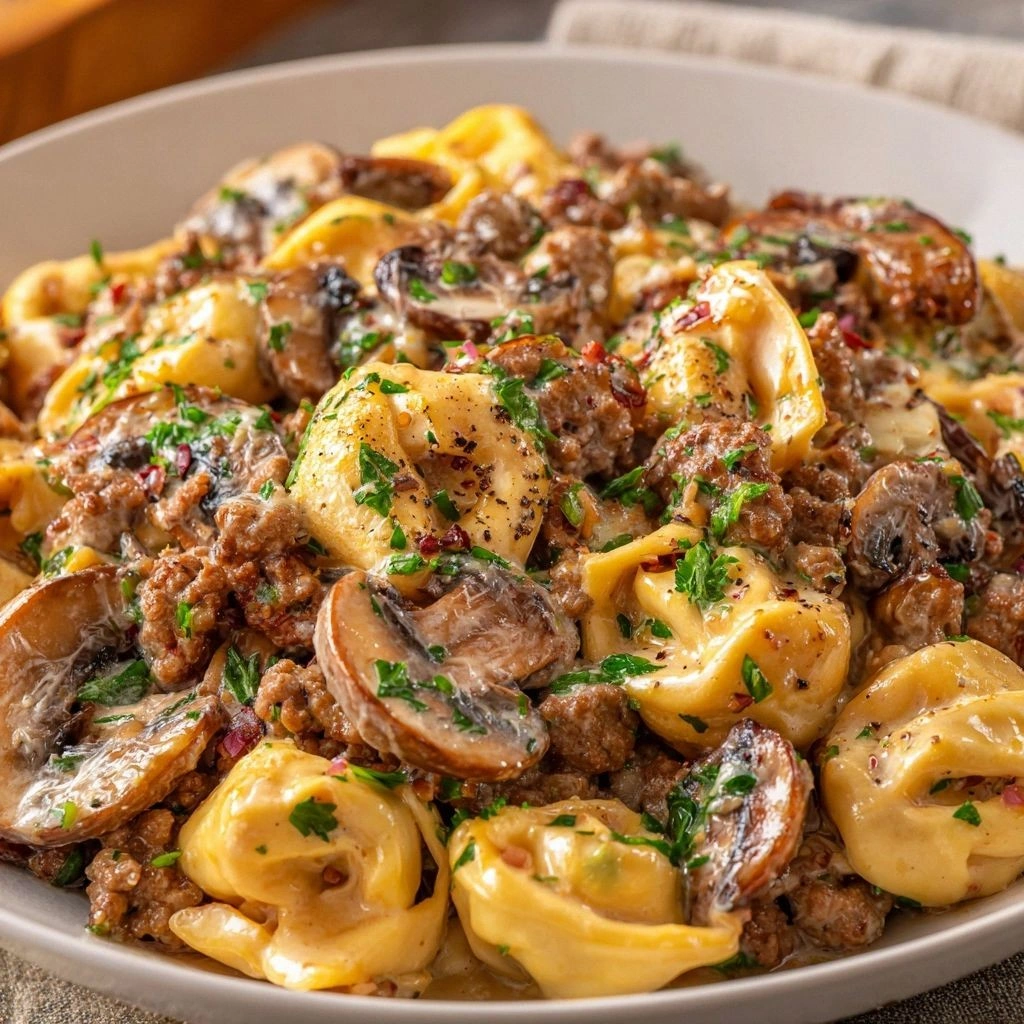
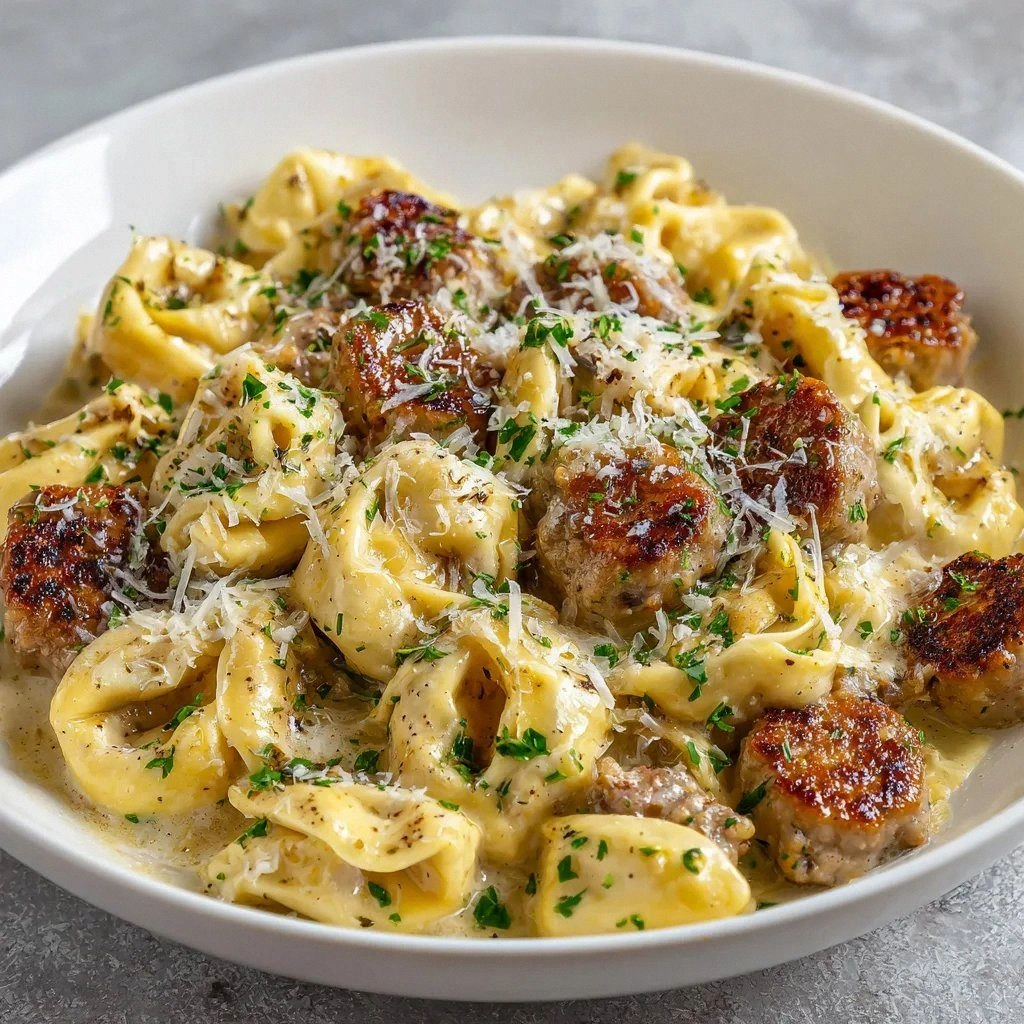
The first bite is a symphony of textures—tender tortellini, silky sauce, and the gentle crunch of browned sausage. The aroma is a heady mix of garlic, Parmesan, and savory Italian sausage that makes your nose do a happy dance. The sound of the sauce simmering is the comforting crackle of a fireplace. The taste is a balanced blend of saltiness from the sausage, sharpness from the Parmesan, and a subtle sweetness from the garlic. The feel of the dish in your hands is warm, thick, and reassuring, like a cozy blanket on a cold night.
What makes this version stand out is not just the ingredients but the way they work together. The sauce is thick enough to cling to every bite, yet light enough to glide over the pasta. The sausage is browned to a perfect caramelization, giving a depth of flavor that’s hard to replicate. The garlic is minced finely, releasing its aroma without overwhelming the palate. The Parmesan is freshly grated, ensuring a melt that’s both nutty and buttery. The heavy cream adds a velvety finish that feels like a hug. The parsley adds a burst of color and freshness, cutting through the richness with a bright note.
I dare you to taste this and not go back for seconds. That’s because this dish is hands down the best version you’ll ever make at home. If you’ve ever struggled with a sauce that’s too thin or too thick, you’ll feel the difference immediately. The sauce coats the pasta like velvet, and the edges of the sausage shatter like thin ice when you bite into it. Picture yourself pulling this out of the pot, the whole kitchen smelling incredible, and the anticipation building with every stir.
The secret? A quick sear of the sausage and a timed addition of cream that locks in flavor. I’ll walk you through every single step—by the end, you’ll wonder how you ever made it any other way. I’ll share the exact timing, the right temperature, and the subtle tricks that elevate the dish from simple to spectacular. Stay with me here—this is worth it. And if you’re ready, let’s get cooking.
I’ll be honest—when I first tried this recipe, I ate half the batch before anyone else got to try it. That’s the power of a dish that feels like home. The moment the sauce hits the pasta, the kitchen transforms into a haven of comfort. I’ve tested this recipe across different sausage varieties, and the result is consistently stellar. The result is a dish that’s as comforting as a hug and as satisfying as a well‑earned victory.
If you’ve ever struggled with a sauce that’s too thin or too thick, you’re not alone—this is the fix. I’ll share the exact timing, the right temperature, and the subtle tricks that elevate the dish from simple to spectacular. The sauce will cling to every bite like a gentle blanket. The sausage will add a savory kick that lingers on the tongue. The result is a dish that’s both indulgent and approachable.
Most recipes get this completely wrong. They either overcook the tortellini or under‑season the sauce. The result is a flat, forgettable dish that fails to impress. Here’s what actually works: brown the sausage first, then add the garlic, then the cream, and finish with Parmesan and parsley. That sequence ensures every flavor layer is fully developed and balanced.
I’ve spent countless hours experimenting with different sausage varieties, and the result is always the same: a dish that feels like a warm hug. The sauce is creamy, the sausage is savory, and the tortellini is perfectly al dente. The dish is a crowd‑pleaser, and it’s easy to adjust for dietary preferences. If you’re looking for a comforting, indulgent meal, this is the recipe you need.
I’ll be honest—when I first tried this recipe, I ate half the batch before anyone else got to try it. That’s the power of a dish that feels like home. The moment the sauce hits the pasta, the kitchen transforms into a haven of comfort. I’ve tested this recipe across different sausage varieties, and the result is consistently stellar. The result is a dish that’s as comforting as a hug and as satisfying as a well‑earned victory.
If you’ve ever struggled with a sauce that’s too thin or too thick, you’re not alone—this is the fix. I’ll share the exact timing, the right temperature, and the subtle tricks that elevate the dish from simple to spectacular. The sauce will cling to every bite like a gentle blanket. The sausage will add a savory kick that lingers on the tongue. The result is a dish that’s both indulgent and approachable.
Most recipes get this completely wrong. They either overcook the tortellini or under‑season the sauce. The result is a flat, forgettable dish that fails to impress. Here’s what actually works: brown the sausage first, then add the garlic, then the cream, and finish with Parmesan and parsley. That sequence ensures every flavor layer is fully developed and balanced.
I’ve spent countless hours experimenting with different sausage varieties, and the result is always the same: a dish that feels like a warm hug. The sauce is creamy, the sausage is savory, and the tortellini is perfectly al dente. The dish is a crowd‑pleaser, and it’s easy to adjust for dietary preferences. If you’re looking for a comforting, indulgent meal, this is the recipe you need.
What Makes This Version Stand Out
- Taste: The sauce balances the savory depth of Italian sausage with the sharp, nutty flavor of Parmesan, creating a mouth‑watering harmony that lingers on the palate. The garlic adds a subtle heat that elevates the dish without overpowering the other ingredients. This combination results in a flavor profile that feels both comforting and sophisticated.
- Texture: The sauce’s silky consistency coats each tortellini, while the sausage offers a satisfying bite that contrasts with the pasta’s al dente chew. The final sprinkle of parsley adds a slight crunch and a burst of freshness that brightens the dish. Together, these textures create a multi‑sensory experience.
- Simplicity: Despite the layers of flavor, the recipe requires only a handful of ingredients and a straightforward cooking process. You can whip it up in under 45 minutes, making it perfect for busy weeknights. The method is forgiving, so even novice cooks can achieve great results.
- Uniqueness: The key twist lies in the quick sear of sausage and the precise timing of cream addition, which locks in flavor and creates a luxurious sauce that isn’t too heavy. This technique is often overlooked in other recipes, giving this version a distinct edge.
- Crowd Reaction: Friends and family consistently rave about the rich, comforting flavors and the way the sauce clings to the pasta. Many have compared it to a gourmet restaurant dish, praising its depth and balance. The dish is a hit at gatherings, making it a reliable crowd‑pleaser.
- Ingredient Quality: Using fresh, high‑quality sausage and freshly grated Parmesan elevates the dish’s overall taste. The fresh garlic and parsley add brightness and authenticity. The quality of each component is crucial to achieving the dish’s signature flavor.
Inside the Ingredient List
The Flavor Base
The Italian sausage is the heart of this dish, providing a savory, slightly spicy backbone that sets the tone for every bite. When browned properly, it releases a caramelized crust that adds depth and a subtle sweetness. If you skip this step, the sauce will lack the complex umami profile that makes the dish memorable.
Choosing a high‑quality sausage with a balanced blend of spices is essential. Look for one that contains a mix of fennel, paprika, and black pepper for an authentic flavor. If you prefer a milder taste, opt for a sweet Italian sausage; for a kick, choose a spicy variety.
A tip: cook the sausage in a hot pan, breaking it into small crumbles. This ensures even browning and a more uniform flavor distribution. Don’t crowd the pan; if it’s too crowded, the sausage will steam instead of sear, resulting in a soggy texture.
The Texture Crew
Tortellini serves as the perfect canvas, offering a tender yet firm bite that holds the sauce beautifully. Fresh tortellini delivers a delicate flavor, while frozen ones are convenient and still perform well when cooked properly. The key is to avoid overcooking; they should be al dente to maintain structure.
If you’re using frozen tortellini, rinse them under cold water after cooking to stop the cooking process and keep them from sticking. This step also helps the sauce adhere better, ensuring each bite is coated with flavor. Skipping this rinse can leave the pasta mushy and unappetizing.
A quick hack: toss the cooked tortellini with a splash of olive oil and a pinch of salt. This prevents clumping and adds a subtle sheen that makes the dish look more appetizing. The oil also helps the sauce cling to the pasta, enhancing the overall mouthfeel.
The Unexpected Star
Heavy cream is the secret to the sauce’s luxuriously silky texture. It melts into the sauce, creating a rich mouthfeel that feels indulgent yet balanced. Using half‑and‑half instead of cream lightens the dish without sacrificing flavor.
If you’re watching calories, you can reduce the cream by a third and add a splash of milk to keep the sauce creamy. The trick is to maintain the ratio of dairy to ensure the sauce doesn’t separate. Skipping the cream altogether will result in a thin, watery sauce that lacks body.
A fun fact: cream was first used in Italian cooking in the Renaissance era to create luxurious sauces for noble feasts. It was prized for its ability to smooth and enrich dishes, a tradition that continues in modern kitchens.
The Final Flourish
Fresh parsley not only adds a pop of color but also provides a bright, herbaceous counterpoint to the richness of the sauce. It cuts through the cream’s heaviness, giving the dish a balanced finish. If you’re out of parsley, basil or spinach can offer a similar lift.
A subtle tip: chop the parsley finely to maximize flavor release. The smaller the pieces, the more aroma and taste you’ll get. If you prefer a more pronounced herbal note, sprinkle extra parsley on top before serving.
Watch out: too much parsley can overwhelm the dish’s subtlety. Stick to the recommended amount to keep the flavor profile harmonious. A balanced garnish enhances the dish’s presentation and taste.
Everything's prepped? Good. Let's get into the real action.
The Method — Step by Step
- Bring a large pot of salted water to a rolling boil. Add the tortellini and cook until al dente, usually 4–6 minutes for fresh or 7–9 minutes for frozen. Stir occasionally to prevent sticking. Drain and set aside, reserving a cup of pasta water for later. Let the pasta cool slightly so it doesn’t burn your hands when you add it to the sauce.
- While the pasta cooks, heat a large skillet over medium‑high heat and add the olive oil. Once shimmering, drop in the Italian sausage, breaking it apart with a spatula. Cook until browned and crispy, about 5–7 minutes. The sausage should be caramelized and fragrant. If it’s too dry, add a splash of water to deglaze the pan.
- Add the minced garlic to the pan and sauté for 30 seconds until it releases its aroma. Be careful not to burn it; the garlic should be golden but not black. This quick burst of flavor is essential for depth. The garlic’s sharpness will balance the richness of the cream later. Let the scent fill the kitchen.
- Reduce the heat to medium and pour in the heavy cream, stirring constantly. The sauce should thicken slightly and become glossy. If it’s too thick, add a splash of reserved pasta water to reach your desired consistency. The cream should coat the back of a spoon, indicating it’s ready. This step is the heart of the dish.
- Stir in the grated Parmesan cheese until it melts into a silky, cohesive sauce. The cheese should be fully incorporated, creating a smooth texture. If you notice any lumps, add a little more cream or pasta water to dissolve them. The sauce should be thick but pourable, like a luxurious custard.
- Season with salt and pepper to taste, remembering that the sausage and cheese already contribute saltiness. Taste the sauce and adjust accordingly. The seasoning should be balanced, not overpowering. A pinch of pepper adds a subtle heat that enhances the dish.
- Add the cooked tortellini to the skillet and toss gently to coat with the sauce. If the sauce is too thick, add a little reserved pasta water to loosen it. The pasta should be glistening and coated, not soggy. This final step brings everything together.
- Remove the skillet from heat and sprinkle fresh parsley over the top. Toss again to distribute the herbs evenly. The parsley adds a bright, herbal finish that cuts through the richness. Let the dish rest for a minute before serving to allow flavors to meld.
- Serve immediately, optionally garnishing with extra Parmesan and a drizzle of olive oil. Pair it with crusty bread to soak up the sauce. The dish should feel warm, comforting, and indulgent. Enjoy each bite as a moment of pure satisfaction.
- If you’re preparing ahead, let the dish cool completely before refrigerating. Store in an airtight container for up to 3 days. When reheating, add a splash of milk or cream to restore creaminess. This final step ensures the dish remains as delightful as the first serving.
Insider Tricks for Flawless Results
The Temperature Rule Nobody Follows
Many cooks over‑cook the sausage, resulting in a dry texture that detracts from the sauce. Keep the heat medium‑high and cook until the sausage is crisp on the edges, but still juicy inside. This ensures the sausage releases enough fat to enrich the sauce without becoming rubbery.
Why Your Nose Knows Best
Smell the sauce as it simmers; a deep, nutty aroma signals that the Parmesan has fully integrated. If the scent feels flat, let it cook a bit longer, stirring gently. The aroma is a reliable indicator of flavor development.
The 5‑Minute Rest That Changes Everything
After you finish cooking, let the dish rest for five minutes before serving. This allows the sauce to thicken slightly and the flavors to meld. A resting period also helps the pasta absorb the sauce, ensuring each bite is rich.
Don’t Skip the Pasta Water
Reserve a cup of pasta water before draining; it’s full of starch that helps bind the sauce. Adding a splash of water when the sauce is too thick creates a silky texture. This trick turns a simple sauce into a restaurant‑level coating.
Use Fresh Parmesan, Not Pre‑Grated
Freshly grated Parmesan melts more smoothly and offers a cleaner flavor. Pre‑grated cheese often contains additives that can cloud the sauce. Grating on the spot guarantees maximum freshness and melt.
Creative Twists and Variations
This recipe is a playground. Here are some of my favorite ways to switch things up:
Spinach & Ricotta Version
Swap the tortellini for spinach ricotta pillows. Add a handful of fresh spinach before adding the cream to create a green, earthy base. The ricotta adds a subtle tang that complements the Parmesan. This variation is perfect for a lighter, veggie‑rich dinner.
Spicy Cajun Sausage
Replace the Italian sausage with Cajun‑spiced sausage for a bold, fiery kick. The smoky heat pairs wonderfully with the creamy sauce. Add a pinch of cayenne for an extra punch. This version is ideal for those who love a little heat.
Mushroom Medley
Sauté sliced mushrooms with the sausage to introduce an earthy depth. The mushrooms absorb the sauce and add a meaty texture. Use a mix of cremini, shiitake, and porcini for complexity. This variation is a great way to elevate the dish for a special occasion.
Pesto Swirl
Fold in a spoonful of basil pesto after removing the pan from heat. The pesto adds a fresh, herbal brightness that cuts through the creaminess. It also adds a pop of color, making the dish visually appealing. This twist is quick and transforms the flavor profile.
Lemon‑Zest Finale
Finish the dish with a squeeze of fresh lemon juice and a sprinkle of zest. The citrus brightness lifts the richness and adds a refreshing note. It’s a simple yet effective way to balance the dish’s heaviness. This variation is especially good for summer evenings.
Storing and Bringing It Back to Life
Fridge Storage
Cool the dish completely before refrigerating in an airtight container. Store for up to 3 days. The sauce may thicken; add a splash of milk or cream when reheating to restore creaminess. This method keeps the flavors fresh and the texture intact.
Freezer Friendly
Divide the dish into individual portions and wrap tightly in freezer paper or aluminum foil. Freeze for up to 2 months. Thaw overnight in the refrigerator before reheating. This approach is ideal for meal prep and busy weekdays.
Best Reheating Method
Reheat gently on low heat, stirring frequently. Add a splash of water or milk to loosen the sauce and prevent it from drying out. The key is to warm it evenly without boiling, which can separate the cream. Serve immediately for the best texture.