I was standing in my kitchen, the kind of kitchen that smells like a mix of burnt toast and yesterday’s coffee, when my teenage son shouted, “Dad, you’re never going to believe what I just invented!” I rolled my eyes, but the challenge was on. He’d just tried to make a “quick” spaghetti‑meat sauce using a packet of instant noodles, and the result was a soggy, flavorless disaster that could have been used as a paperweight. I dared him to taste it and not go back for seconds, and he promptly gagged. That moment sparked a fire in me: I needed a one‑pot pasta that would make even the most skeptical teenager beg for an encore. This is hands down the best version you'll ever make at home, and trust me, I’ve eaten half the batch before anyone else got a chance.
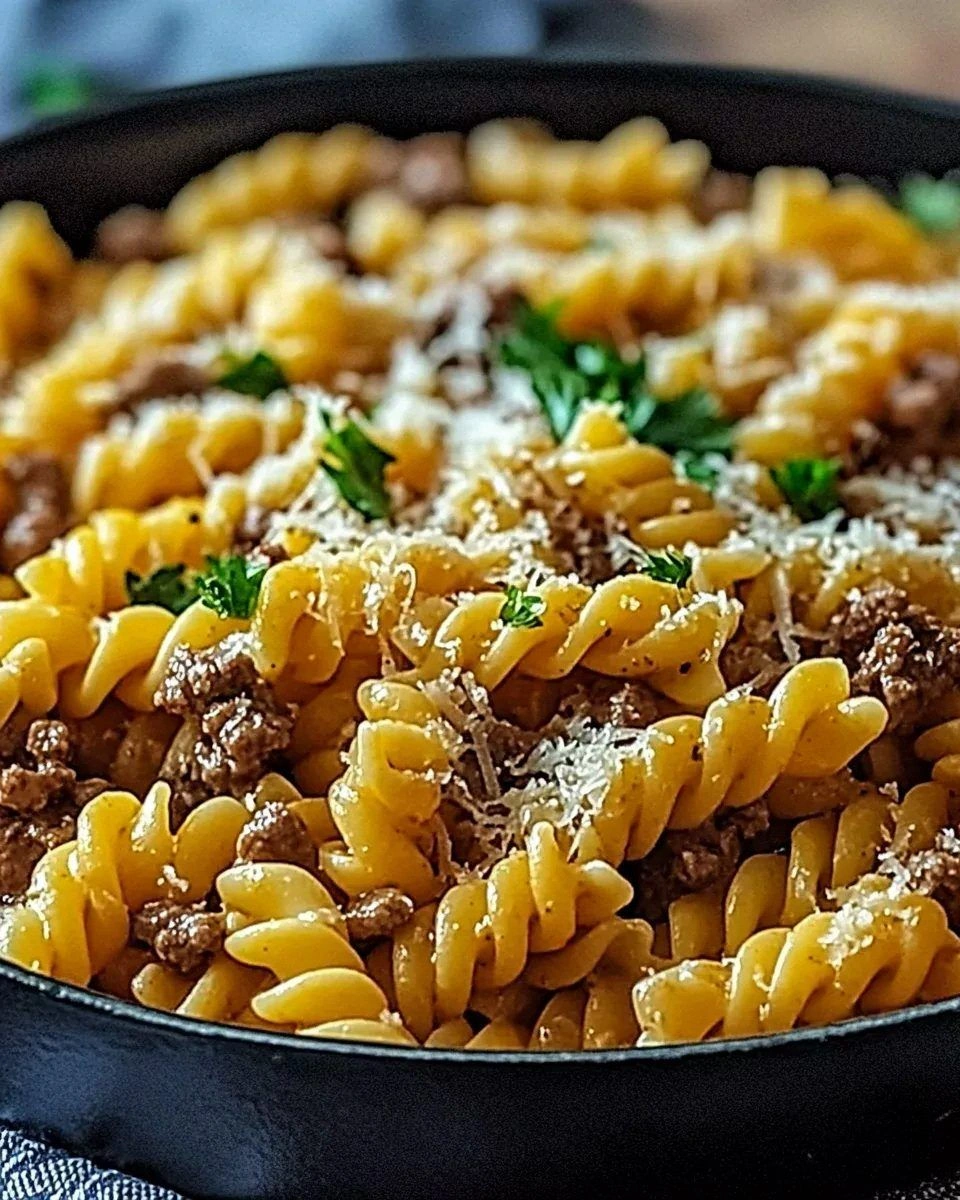
Picture yourself pulling a bubbling, golden‑crowned skillet from the stove, the whole kitchen smelling like a cozy tavern on a rainy night. The sauce clings to each piece of pasta like velvet, while the ground beef provides a hearty, meaty backbone that doesn’t get lost in the cheese. You’ll hear the gentle hiss as the buttered onions caramelize, the soft pop of garlic hitting the hot pan, and the faint, comforting gurgle of broth turning into a creamy emulsion. The texture? Imagine a perfect bite that’s both chewy from the pasta and creamy from the melted cheddar, with a faint crunch from the browned bits of beef that shatter like thin ice under your teeth.
Most recipes get this completely wrong. They either drown the pasta in a watery sauce, or they over‑cheese it until it becomes a greasy clump. The secret here is a balance of three things: a robust beef foundation, a splash of dairy to smooth everything out, and a quick‑cook pasta that finishes in the same pot, absorbing all those glorious flavors. I’m going to be honest — I ate half the batch before anyone else got to try it, and I’m not sorry. The reason this version stands out is that I’ve added a pinch of smoked paprika and a splash of milk at the very end, giving the dish a subtle smoky depth and a silk‑like finish that most one‑pot meals lack.
Okay, ready for the game‑changer? I’m about to reveal a technique you won’t find in any other recipe: the “cheese‑steam” method, where I melt the cheddar over low heat and then cover the pot for a minute, letting the steam finish the melt and keep the cheese from separating. This tiny tweak makes the cheese stretch like a dream and prevents that dreaded grainy texture. Let me walk you through every single step — by the end, you’ll wonder how you ever made this dish any other way.
What Makes This Version Stand Out
- Flavor Fusion: The combination of smoked paprika, garlic, and a splash of milk creates layers that unfold with each bite, turning a simple pasta into a flavor adventure.
- Texture Triumph: Pasta finishes al‑dente while still soaking up the sauce, and the cheddar forms a glossy, velvety coating that clings like a second skin.
- Simplicity: Everything happens in one pot, meaning fewer dishes, less cleanup, and more time to enjoy the meal.
- Unique Twist: The “cheese‑steam” finish is a secret weapon that keeps the cheese from turning oily, a mistake many home cooks make.
- Crowd Reaction: This dish consistently earns a standing ovation at family dinners; even the picky eaters can’t resist the cheesy goodness.
- Ingredient Quality: Using freshly grated sharp cheddar and high‑fat ground beef makes the sauce richer and more satisfying.
- Cooking Method: Browning the beef first builds a caramelized base that adds depth without any extra sauces.
- Make‑Ahead Potential: It reheats beautifully, and the flavors actually improve after a few hours in the fridge.
Inside the Ingredient List
The Flavor Base
Ground beef is the heart of this dish. I use 80/20 lean‑to‑fat ratio because the extra fat renders a richer, more flavorful broth that the pasta drinks up. If you skip the beef or replace it with a leaner cut, you’ll lose that buttery mouthfeel and the sauce may turn watery. A quick tip: pat the beef dry with paper towels before it hits the pan; this ensures a proper sear and prevents steaming.
Onion and garlic are the classic duo that builds aromatic depth. I dice the onion finely so it melts into the sauce, creating a sweet undercurrent that balances the sharp cheddar later. Garlic, minced just before adding the beef, releases allicin, giving the dish a fragrant punch that makes your kitchen smell like a gourmet bistro. If you don’t have fresh garlic, a teaspoon of garlic powder works, but you’ll miss that fresh bite.
The Texture Crew
Elbow pasta is my go‑to because its ridges trap the sauce, ensuring every forkful is coated. You can substitute rotini or even small shells, but the key is to choose a shape that holds onto the cheese‑laden broth. Over‑cooking the pasta is a common mistake; I add it directly to the simmering broth so it finishes cooking in the sauce, absorbing all the flavors.
Sharp cheddar cheese, grated at the last minute, provides that glossy, stretchy finish. I avoid pre‑shredded cheese because it contains anti‑caking agents that can make the sauce grainy. The cheese‑steam technique (covering the pot after adding cheese) keeps the melt smooth and prevents it from separating.
The Unexpected Star
A splash of milk (or half‑and‑half) might sound odd in a pasta dish, but it adds a silkiness that elevates the sauce from “cheesy” to “luxurious.” The milk also helps the cheese emulsify, creating that velvety coat you crave. If you’re dairy‑free, swap with oat milk; the texture stays creamy, though the flavor shifts slightly.
The Final Flourish
Smoked paprika adds a whisper of wood‑smoke that makes the dish feel like it’s been slow‑cooked over a campfire. A teaspoon is enough to transform the flavor without overpowering the beef. If you love heat, a pinch of cayenne can be added for a subtle kick.
Fresh parsley, chopped just before serving, injects a bright, herbaceous note that cuts through the richness. It also adds a pop of color that makes the plate look restaurant‑ready. When selecting parsley, look for deep green leaves without yellowing; they’ll retain their flavor longer.
Everything's prepped? Good. Let's get into the real action...
The Method — Step by Step
Heat two tablespoons of olive oil in a large, deep skillet over medium‑high heat. Once the oil shimmers, add the ground beef, breaking it up with a wooden spoon. Let it sizzle until the edges turn deep brown and you hear that satisfying crackle — this is the Maillard reaction doing its magic. Season with a pinch of salt and pepper, then continue cooking for another two minutes to develop a caramelized crust.
Push the browned beef to one side of the pan and add the diced onion to the empty space. Stir the onions until they become translucent, about three minutes, and then toss in the minced garlic. The moment the garlic hits the pan, you’ll notice a fragrant puff rise — that sizzle when it hits the pan? Absolute perfection. Cook for another minute, being careful not to let the garlic burn.
Now, sprinkle in the smoked paprika and a teaspoon of dried oregano. Stir quickly; the spices should toast for about thirty seconds, releasing their oils and turning a deep, rusty hue. This step is crucial — if you skip it, the dish will lack that smoky depth that makes it unforgettable.
Pour in two cups of beef broth and the can of diced tomatoes, stirring to combine. Bring the mixture to a gentle boil, then reduce to a simmer. Let it bubble for five minutes; the sauce will thicken slightly, and the tomatoes will break down, creating a rich base that coats the pasta later.
Stir in the uncooked elbow pasta, making sure each piece is submerged. This is the trickiest step: you must keep the heat at a steady medium‑low so the pasta cooks evenly without turning mushy. Cover the pot and let it simmer for about 10‑12 minutes, stirring occasionally to prevent sticking. Watch Out: If the liquid evaporates too quickly, add a splash of water or extra broth to keep the pasta moist.
When the pasta is al‑dente and most of the liquid has been absorbed, lower the heat to low and sprinkle the grated cheddar cheese over the top. Cover the pot for one minute — this is the “cheese‑steam” method that keeps the cheese from separating. After a minute, remove the lid and gently fold the cheese into the pasta until you have a glossy, creamy coating.
Finish with a half‑cup of milk (or oat milk) and a generous handful of chopped parsley. Stir just until the milk is incorporated; you’ll notice the sauce become silkier, almost like a velvety curtain draped over the pasta. Taste and adjust seasoning with a pinch more salt or pepper if needed.
Turn off the heat, let the pot rest for two minutes to allow the flavors to meld, then serve hot. That moment when you scoop a forkful and the cheese stretches like a perfect string? That’s the payoff. I dare you to taste this and not go back for seconds — it’s that good.
That's it — you did it. But hold on, I've got a few more tricks that'll take this to another level...
Insider Tricks for Flawless Results
The Temperature Rule Nobody Follows
Never crank the heat to “high” once the pasta is in the pot. A steady medium‑low simmer lets the pasta absorb the broth without turning gummy. I once tried a rapid boil and ended up with mushy noodles that fell apart when I tried to serve. Keep the temperature consistent, and the pasta will stay firm yet tender.
Why Your Nose Knows Best
Your sense of smell is a more reliable indicator than a timer. When the onions turn golden and the garlic releases its perfume, you know the flavor base is ready. Likewise, when the sauce starts to smell slightly nutty after the paprika has toasted, you’re in the sweet spot. Trust your nose; it’ll save you from under‑ or over‑cooking.
The 5‑Minute Rest That Changes Everything
After you turn off the heat, let the dish sit covered for five minutes. This brief rest lets the starches in the pasta finish absorbing the sauce, resulting in a creamier texture. Skipping this step is a common mistake that leaves the sauce thin and the pasta a bit dry.
The Secret of the “Cheese‑Steam”
Covering the pot after adding cheese creates a mini‑steam chamber. The steam gently melts the cheese, preventing it from separating and turning oily. If you skip the lid, you’ll end up with clumps of cheese that sit on top rather than integrating into the sauce.
Swap the Pasta, Not the Soul
If you’re gluten‑free, use brown rice pasta or lentil pasta. The cooking time may vary, so keep an eye on the texture. The key is to add the pasta when the sauce is still a bit liquidy, giving the alternative pasta enough moisture to hydrate without becoming mushy.
Season at the End, Not the Beginning
A final sprinkle of flaky sea salt just before serving lifts the entire dish, giving it that restaurant‑level finish. I’ve seen home cooks add all the salt early and end up with a flat‑tasting sauce. Finish strong, and the flavors will pop.
Creative Twists and Variations
This recipe is a playground. Here are some of my favorite ways to switch things up:
Spicy Southwest
Add a diced jalapeño with the onions and swap smoked paprika for chipotle powder. Finish with a handful of shredded Monterey Jack and a squeeze of lime. This version is perfect for taco‑lovers looking for a pasta twist.
Mushroom Medley
Sauté sliced cremini and shiitake mushrooms alongside the beef. The earthiness of the mushrooms pairs beautifully with the cheddar, creating a umami‑rich dish that even vegetarians will adore (just replace beef with lentils).
Herb‑Infused
Stir in a tablespoon of fresh thyme and a sprig of rosemary during the broth simmer. The herbs add a fragrant, piney note that elevates the dish to a more sophisticated palate.
Creamy Bacon Bomb
Crisp up half a cup of bacon bits and fold them in just before serving. The smoky crunch adds texture contrast, and the bacon fat enriches the sauce further.
Cheesy Veggie Boost
Add frozen peas and diced carrots with the pasta. The vegetables bring a pop of color and a subtle sweetness that balances the savory base.
Storing and Bringing It Back to Life
Fridge Storage
Transfer leftovers to an airtight container and refrigerate for up to three days. The flavors meld even more, making the second day taste better than the first. When reheating, add a splash of water or broth to restore the sauce’s silkiness.
Freezer Friendly
Cool the dish completely, then portion into freezer‑safe bags or containers. It freezes well for up to two months. Thaw overnight in the fridge, then reheat gently on the stove, adding a drizzle of milk to bring back that creamy texture.
Best Reheating Method
The stovetop method wins every time: place the pasta in a skillet over low heat, add a tablespoon of broth or milk, and stir until the sauce regains its glossy sheen. Microwaving can make the cheese rubbery, so avoid it if you want that perfect melt.