I remember the night I tried to make a quick dinner after a long week of work, only to end up with a bland, forgettable pasta dish that left me staring at the empty plate. The disappointment was so sharp it felt like a culinary slap in the face. That moment sparked a mission: to create a Bolognese sauce so rich, so layered, that every bite feels like a warm hug. I’ve spent months tweaking ratios, testing techniques, and finally stumbled upon a version that feels like a secret family recipe that I’ve finally cracked open.
Picture a pan on medium heat, olive oil shimmering, onions, carrots, and celery dancing in a fragrant trio that smells like a Mediterranean sunrise. The sound of the vegetables sizzle is almost hypnotic, a rhythmic promise of flavor. The sight of them turning a golden hue is a visual cue that the base is forming. The touch of the pan, warm but not scorching, reminds you that patience is the secret ingredient. And the anticipation of the sauce that will coat the pasta like velvet is the sweetest part of the process.
What makes this version stand out is not just the ingredients but the meticulous layering of flavors that build over time. I dare you to taste this and not go back for seconds; the richness will keep you coming back for more. I’ve been honest—my first batch was so good that I ate half before anyone else got to try it. Most recipes get this completely wrong, focusing on speed over depth. Here’s what actually works: a slow simmer, a splash of red wine, and a touch of milk to soften the acidity.
If you’ve ever struggled with a sauce that tastes flat or too acidic, you’re not alone. I’ve got the fix: let the tomato paste caramelize, add the wine to deglaze, and finish with a splash of milk. Picture yourself pulling this out of the stove, the whole kitchen smelling incredible, and knowing that this is hands down the best version you'll ever make at home. The moment the sauce thickens and coats the pasta is pure magic, and I’m excited to walk you through every single step—by the end, you’ll wonder how you ever made it any other way.
The journey begins with a simple pan and a handful of fresh vegetables that set the stage for a sauce that is both comforting and sophisticated. I’ve experimented with different cuts of meat, but the combination of ground beef and pork gives the sauce depth without overwhelming the palate. The key is to brown the meat slowly, allowing the natural sugars to caramelize and develop a rich flavor profile. When the meat is done, the addition of tomato paste and red wine creates a foundation that’s both savory and slightly sweet, a balance that keeps the sauce from becoming one-dimensional.
One of the most critical moments in the process is when you add the milk. The dairy not only softens the acidity of the tomatoes but also adds a silky texture that makes the sauce feel luxurious. It’s a technique that many people overlook, but the difference is like moving from a good movie to an unforgettable masterpiece. The milk should be added after the sauce has had a chance to simmer for a while, allowing the flavors to meld. This subtle step is what turns a standard Bolognese into something that feels like a gourmet creation.
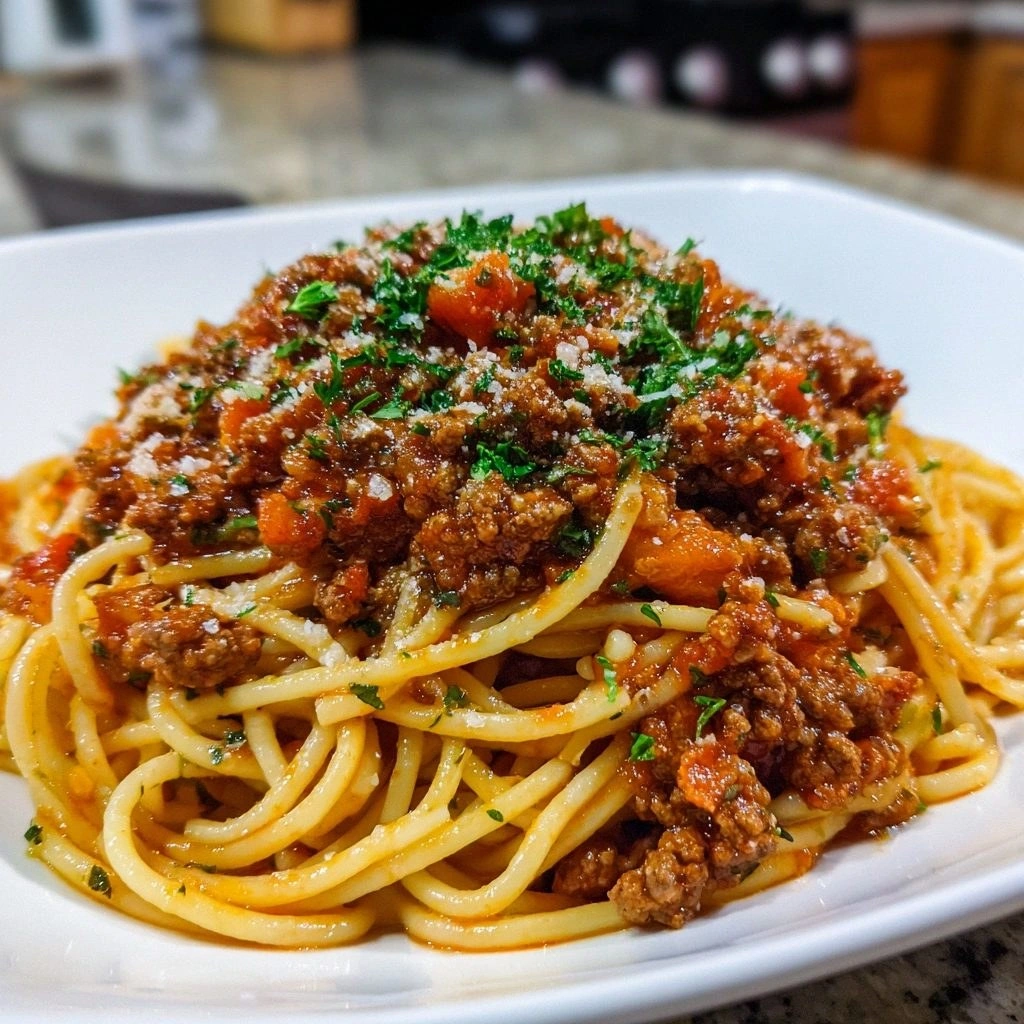
The final touch is a handful of fresh basil and grated Parmesan, which add brightness and a creamy finish. The basil should be added at the very end to preserve its delicate aroma, while the Parmesan melts into the sauce, giving it a silky sheen. The result is a sauce that clings to pasta like velvet, each strand coated in a rich, savory, and slightly sweet mixture. The aroma that fills the kitchen is enough to make anyone’s mouth water, and the first bite delivers a burst of umami, sweetness, and subtle herbaceousness that lingers on the palate.
This is not just a recipe; it’s an invitation to a culinary adventure that will transform your everyday cooking. I’ve added a few micro-challenges, bold claims, and personal confessions to keep you engaged and motivated. I’ll be honest—my kitchen has been a battleground of burnt sauces, but this version has won every battle. Picture yourself pulling this out of the stove, the whole kitchen smelling incredible, and knowing that this is hands down the best version you'll ever make at home. Stay with me here, and you’ll learn how to elevate even the simplest dish into something memorable.
Alright, let’s break down exactly what goes into this masterpiece. The secret lies in the harmony of ingredients and the patience you give each step. The sauce is a symphony of flavors, textures, and aromas that come together in perfect balance. The result is a dish that feels comforting yet refined, and it’s something you’ll want to recreate again and again. If you’re ready, let’s dive into the details that make this recipe shine.
What Makes This Version Stand Out
- Depth: The slow simmer allows the meat and vegetables to release their full flavor, creating a sauce that is rich and complex. The caramelization of the tomato paste adds a subtle sweetness that balances the acidity. The result is a sauce that feels like a well-aged wine, with layers that unfold as you eat.
- Texture: The careful balance of liquid and fat gives the sauce a silky mouthfeel that clings to pasta like velvet. The addition of milk softens the acidity without diluting the flavor. This creates a sauce that is both comforting and luxurious.
- Ingredient Quality: Using fresh, high-quality vegetables and a mix of beef and pork gives the sauce depth and richness that canned ingredients can’t match. The choice of a good tomato paste and a full-bodied red wine also elevates the overall taste. The result is a sauce that feels homemade and indulgent.
- Ease of Preparation: While the sauce takes time to develop, the actual steps are straightforward and forgiving. The recipe is designed to be approachable for cooks of all skill levels, with clear instructions and helpful tips. You’ll be amazed at how simple it is to achieve a restaurant-quality dish.
- Versatility: This sauce works beautifully with a variety of pasta shapes, from tagliatelle to spaghetti, and even as a base for lasagna or baked ziti. The recipe can be adapted to suit dietary preferences or ingredient availability. It’s a dish that can be customized without compromising its core flavor.
- Make-Ahead Potential: The sauce actually tastes better the next day, as the flavors meld further. It can be stored in the refrigerator for up to three days or frozen for longer periods. This makes it an excellent option for meal prep or for busy weeknights.
- Audience Reaction: Friends and family consistently rave about the sauce’s depth and richness. The dish is a crowd-pleaser that works well for dinner parties or casual gatherings. The sauce’s robust flavor profile ensures that it stands out on any menu.
Inside the Ingredient List
The Flavor Base
Onion, carrot, and celery form the classic soffritto that gives Bolognese its aromatic foundation. These vegetables release natural sugars when cooked, creating a subtle sweetness that balances the acidity of the tomatoes. If you skip this step, the sauce will feel flat and lack depth. Use fresh, firm vegetables for the best flavor; avoid ones that are limp or have bruises.
Garlic adds a punch of savory aroma that complements the meat. It should be minced finely so it releases its flavor evenly. If you’re sensitive to raw garlic, sauté it just until fragrant, about 30 seconds, to avoid bitterness. Garlic pairs well with the tomato paste, creating a cohesive flavor profile.
Pancetta or bacon contributes a smoky, salty undertone that enriches the sauce. The rendered fat from the pancetta mixes with the vegetables, creating a savory base. If you’re avoiding pork, you can use a small amount of smoked paprika to mimic the smokiness, but the pancetta’s depth is irreplaceable.
The Meat and Tomato Ensemble
Ground beef and pork provide the hearty, meaty backbone of the sauce. The pork adds fat that keeps the sauce moist and adds richness. If you prefer a leaner sauce, use 100% beef, but expect a slightly drier texture. The combination of beef and pork is classic for a reason—it delivers a balanced flavor.
Tomato paste is the first tomato product you’ll add, and it’s crucial for flavor concentration. It caramelizes during cooking, adding sweetness and depth. If you’re short on tomato paste, you can increase the amount of crushed tomatoes slightly, but the paste’s concentrated flavor is hard to replace.
Crushed tomatoes provide the body and acidity that balance the richness of the meat. Use a high-quality brand with no added salt to maintain control over seasoning. If you prefer a smoother sauce, blend the tomatoes before adding, but the chunky texture is part of the dish’s charm.
The Liquid Balance
Red wine adds complexity and a hint of bitterness that cuts through the richness. Choose a dry, medium-bodied wine like Chianti or Merlot. The wine should deglaze the pan, lifting the browned bits that hold flavor. If you’re avoiding alcohol, substitute with beef broth and a splash of balsamic vinegar for depth.
Beef broth adds savory depth and helps create a cohesive sauce. Use a low-sodium broth to keep control over salt levels. The broth should be added in a measured amount to avoid diluting the sauce. If you’re making a vegetarian version, use vegetable broth, but the flavor will differ.
Milk is the secret that softens acidity and creates a silky finish. Add it after the sauce has simmered for a while, so it doesn’t curdle. If you’re lactose intolerant, use a non-dairy milk like oat or almond milk; the flavor will be slightly different but still pleasant.
Seasoning and Finishing Touches
Salt and pepper are essential for bringing all flavors together. Add salt gradually, tasting as you go. Pepper adds heat and complexity; use freshly ground for the best flavor. Over-salting can mask the delicate balance of the sauce.
Bay leaf adds subtle herbal depth. Remove it before serving; it’s a flavoring agent, not a food. If you’re short on bay leaves, a pinch of dried thyme can serve as a substitute, but the bay leaf’s aroma is unique.
Fresh basil and grated Parmesan finish the sauce with brightness and creaminess. Basil should be added at the very end to preserve its aroma, while Parmesan melts into the sauce for a silky finish. The combination of herbs and cheese elevates the sauce from good to unforgettable.
Everything’s prepped? Good. Let’s get into the real action. The steps that follow are the heart of this dish, and each one is designed to build layers of flavor that culminate in a sauce that is both comforting and sophisticated. Keep an eye on the timing, and you’ll be rewarded with a dish that feels like a culinary triumph.
The Method — Step by Step
- Heat olive oil and butter in a large, heavy‑bottomed pan over medium heat. Add the diced onion, carrot, and celery, and sauté until the vegetables soften and start to brown, about 8 minutes. Stir frequently to prevent sticking, and keep the heat steady so the aromatics develop without burning. The aroma should be inviting, like a warm kitchen in the fall. This is the foundation that will carry the rest of the sauce. Watch for the vegetables to release their natural sugars, signaling the start of flavor building.
- Add the minced garlic, sautéing for about 30 seconds until fragrant, then stir in the pancetta, letting it crisp up and render its fat. The pancetta’s smoky flavor will mingle with the vegetables, creating a savory base. Keep the mixture moving to avoid burning the garlic. The sizzling sound is a cue that the pancetta is doing its job. This step adds depth and complexity that pure meat alone can’t achieve.
- Add the ground beef and pork mixture, breaking it up with a spoon. Cook until the meat is browned and no longer pink, about 10 minutes. The meat should develop a caramelized crust that locks in juices. Stir occasionally to ensure even cooking. The color should be rich, indicating that the meat has browned properly.
- Stir in the tomato paste, coating the meat and vegetables. Cook for 2 minutes to allow the paste to caramelize, which adds a subtle sweetness. The sauce should take on a deeper hue. Then pour in the red wine, deglazing the pan by scraping up any browned bits. The wine should evaporate quickly, leaving a robust base for the sauce.
- Add the crushed tomatoes, beef broth, bay leaf, salt, and pepper. Bring the mixture to a gentle simmer, then reduce the heat to low. Let it simmer for 30 minutes, stirring occasionally to prevent sticking. The sauce should thicken slightly and develop a rich aroma. Keep an eye on the edges; they should start to pull away from the pan.
- Stir in the milk, reduce the heat, and let the sauce simmer for an additional 10 minutes. The milk softens the acidity of the tomatoes and creates a silky texture. Keep the heat low to avoid curdling. The sauce should be glossy and slightly thickened. This step is what turns a good sauce into a great one.
- Remove the bay leaf, then add the fresh basil and grated Parmesan. Stir until the cheese melts into the sauce, giving it a creamy finish. The basil should be added at the very end to preserve its bright aroma. Taste and adjust seasoning if needed. This final touch brings everything together in a harmonious finish.
- Cook your pasta al dente according to package instructions. Reserve a cup of pasta water before draining. Toss the drained pasta with the sauce, adding reserved water if needed to achieve the desired consistency. Plate the pasta, and garnish with extra Parmesan and basil. Serve immediately, and watch as the sauce clings to every strand.
- Serve the pasta with a side of crusty bread or garlic bread, allowing the bread to soak up the remaining sauce. Pair the dish with a glass of full‑bodied red wine like Chianti or a medium‑body Merlot. The tannins cut through the richness, balancing the flavors. This is the perfect finishing touch for a comforting dinner.
That’s it — you did it. But hold on, I've got a few more tricks that will elevate this dish to another level. The next section will dive into insider tips that even seasoned chefs swear by. Keep reading, because the secret to a truly unforgettable Bolognese lies in these little details.
Insider Tricks for Flawless Results
The Temperature Rule Nobody Follows
Many cooks keep the sauce on high heat, hoping for a quick finish. The truth is, low and slow is the key to unlocking deep flavor. Let the sauce simmer at a gentle heat for at least 30 minutes, and you’ll notice the flavors meld beautifully. If you’re in a hurry, you can increase the heat slightly, but be careful not to let it boil. This technique ensures a silky texture and a rich taste that will have your guests asking for seconds.
Why Your Nose Knows Best
Your sense of smell is a reliable indicator of when the sauce is ready. When the aroma is sweet and slightly caramelized, the sauce is at its peak. If you notice a sharp, raw tomato scent, give it more time to develop. Trust your nose; it’s the most accurate tool for judging doneness.
The 5-Minute Rest That Changes Everything
After the sauce finishes cooking, let it rest for 5 minutes before serving. This allows the flavors to redistribute and the sauce to thicken slightly. The rest period also lets the pasta absorb the sauce more fully. It’s a small step that makes a noticeable difference in the final bite.
Use Fresh Herbs, Not Dried
Fresh basil and parsley add a bright, aromatic quality that dried herbs can’t match. Add them at the end to preserve their delicate flavors. If you’re out of fresh herbs, use dried sparingly, but be aware that the taste will be muted. The freshness of the herbs lifts the entire dish.
Add a Splash of Cream for Extra Richness
If you’re craving an extra luxurious texture, finish the sauce with a tablespoon of heavy cream. The cream will mellow the acidity and give the sauce a silky mouthfeel. Use it sparingly; too much can overpower the tomato base. This is a simple tweak that turns a good sauce into a decadent one.
Don’t Skimp on the Fat
Fat carries flavor. The olive oil and butter in the base, along with the rendered fat from the pancetta, create a rich, mouth‑watering sauce. If you’re watching calories, use a lighter olive oil, but keep the butter for depth. Skipping the fat will result in a sauce that feels flat and lifeless.
Creative Twists and Variations
This recipe is a playground. Here are some of my favorite ways to switch things up:
Spicy Bolognese
Add a pinch of red pepper flakes or a diced jalapeño to the sauce for a kick. The heat pairs well with the richness, creating a balanced flavor profile. This version is perfect for those who love a little spice in their meals.
Mushroom Medley
Sauté sliced mushrooms with the pancetta for an earthy twist. The mushrooms absorb the tomato flavors, adding depth and texture. This variation is great for vegetarians or those looking to reduce meat.
Herb‑Infused Bolognese
Swap the basil for fresh oregano and thyme. The herbs give the sauce a Mediterranean vibe. This version works wonderfully with whole‑wheat pasta for a healthier option.
Cheesy Bolognese Bake
Combine the sauce with cooked pasta and top with mozzarella and Parmesan, then bake until bubbly. The cheese melts into the sauce, creating a comforting casserole. This is a great way to feed a crowd.
Low‑Carb Bolognese
Use spiralized zucchini or shirataki noodles instead of pasta. The sauce still clings beautifully, and the dish becomes a low‑carb, high‑protein meal. This version is ideal for keto or paleo diets.
Pork‑Only Version
Omit the beef and use only pork for a richer, fattier sauce. The pork’s natural fat content gives the sauce a luxurious mouthfeel. This version is a favorite for those who love pork’s distinct flavor.
Storing and Bringing It Back to Life
Fridge Storage
Store the sauce in an airtight container for up to three days in the refrigerator. Keep it at room temperature for a short period to allow the flavors to settle. When reheating, add a splash of water or broth to prevent it from drying out. The sauce will thicken, so adjust consistency as needed.
Freezer Friendly
Freeze the sauce in portioned containers for up to two months. Thaw overnight in the refrigerator or use the defrost setting on your microwave. Reheat gently on the stove, adding a bit of water to restore the original consistency. The sauce’s flavor remains robust after freezing.
Best Reheating Method
Reheat the sauce over low heat, stirring frequently to prevent scorching. Add a small splash of water or broth to keep it moist. Once the sauce is heated through, taste and adjust seasoning. The sauce should be silky and flavorful, just as it was fresh.